





Concealed Steel Sword Stick
A concealed steel sword stick is a gentleman's walking cane housing a hidden blade, combining everyday support with personal defence.
Concealed Steel Sword Stick
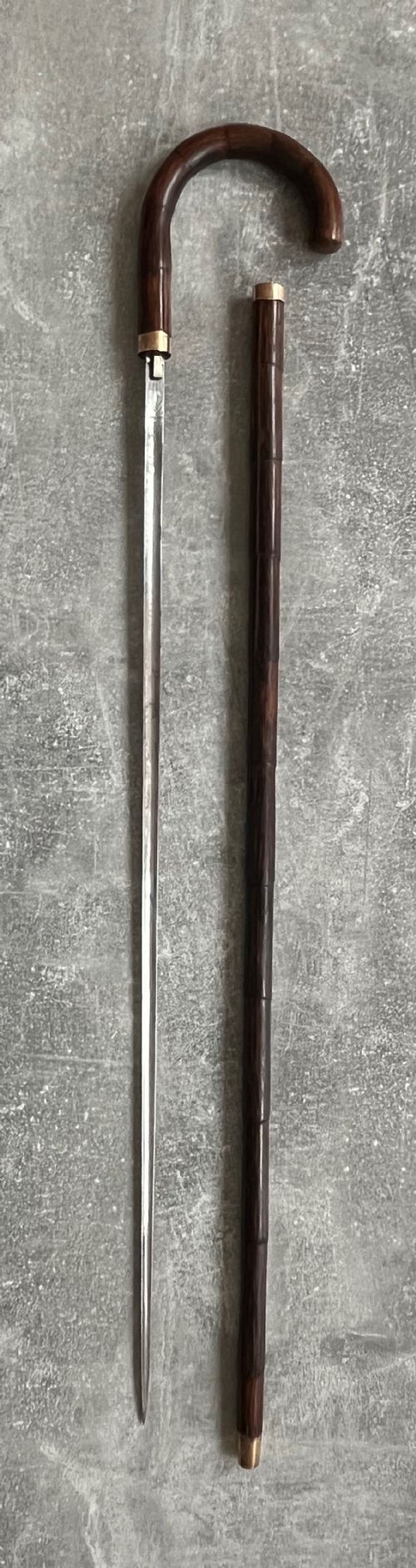
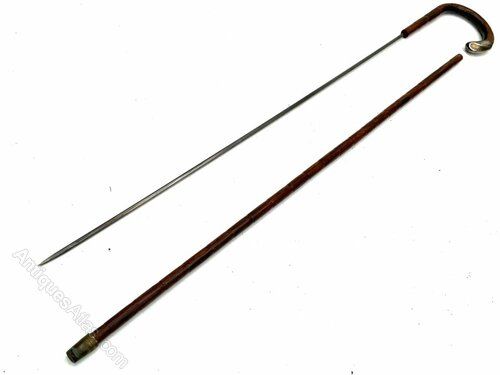
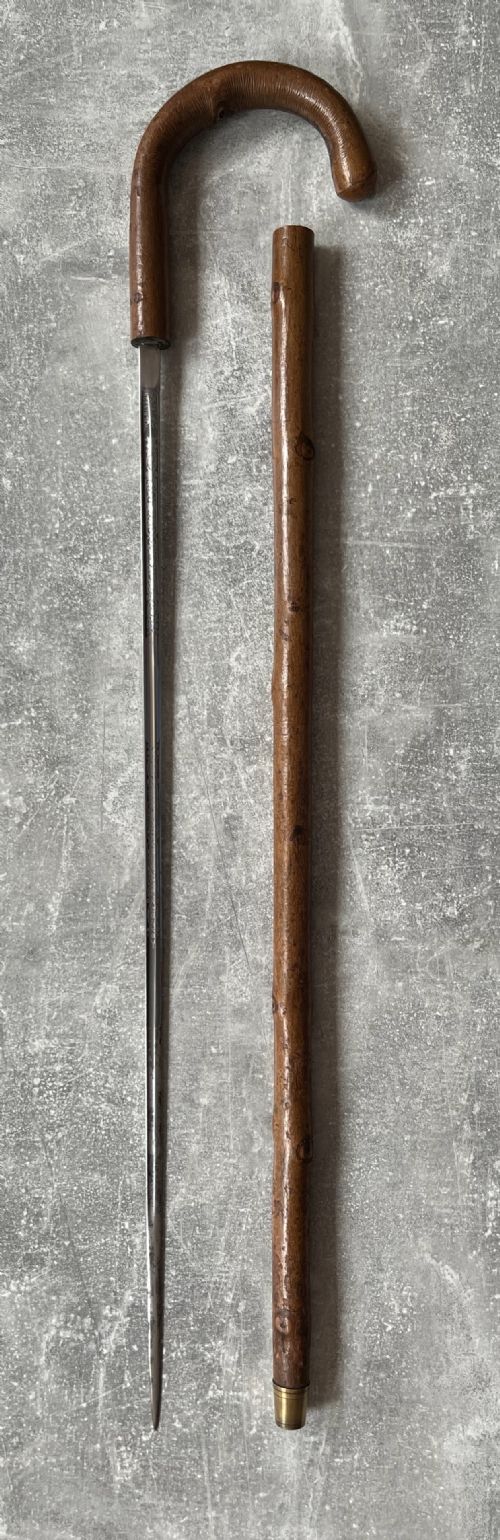
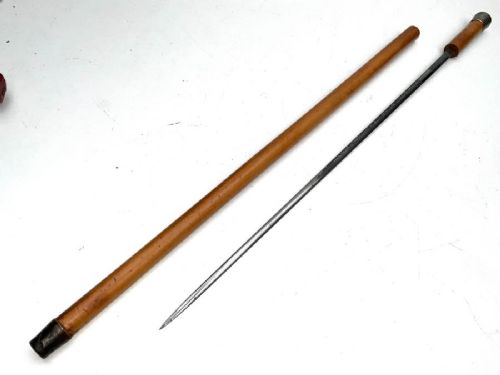
A concealed steel sword stick serves as both a traditional walking cane and a covert personal defence weapon. The items on this page span the Victorian and Edwardian eras through to the early twentieth century, originating from British, French, and Imperial German makers.
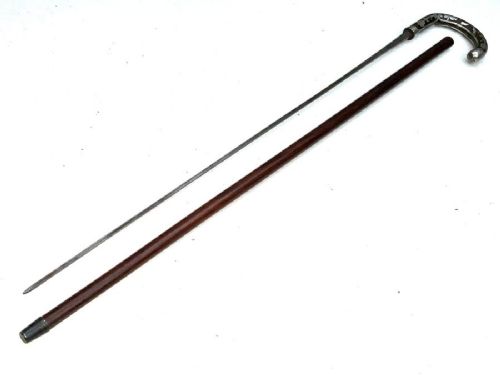
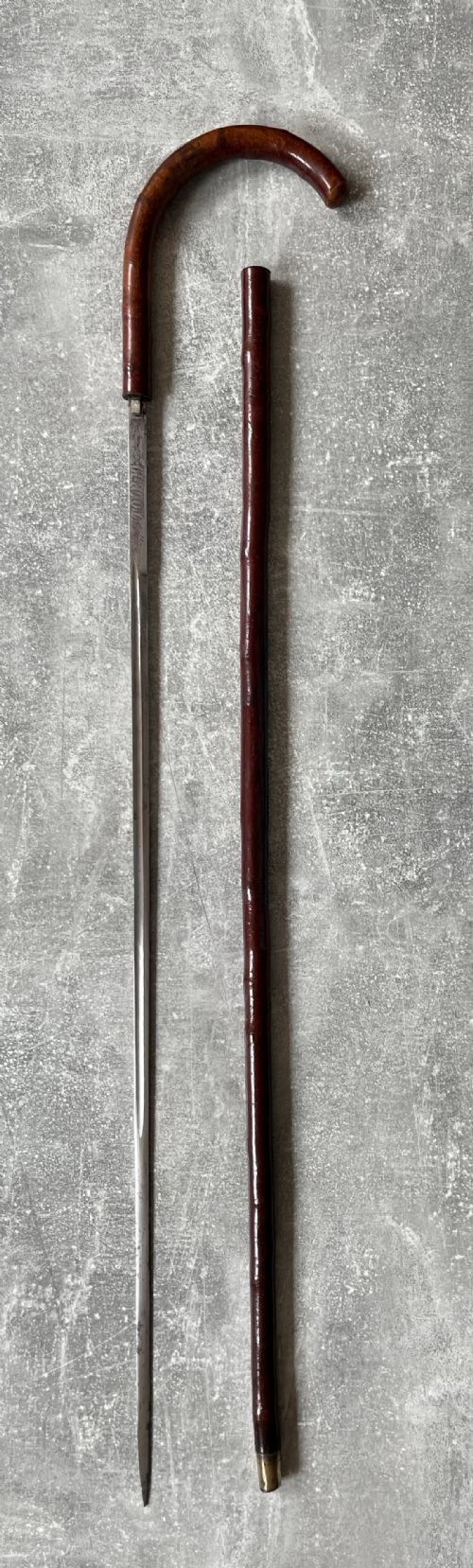
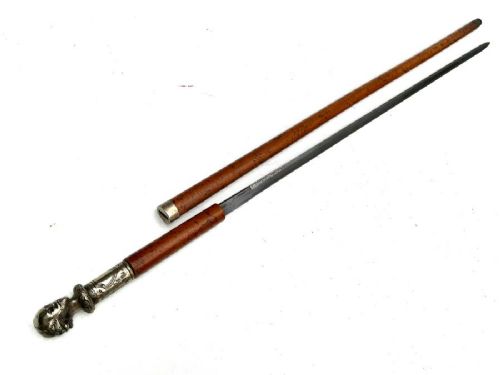
Most examples found here pair natural shafts with robust steel blades, often featuring button releases or screw mechanisms. Collectors will encounter forms ranging from simple crook handles to horn grips and silver-mounted pieces.
The objects reflect the gentleman's accessories of the nineteenth and early twentieth centuries, merging practical walking support with discreet utility. Each piece demonstrates the craftsmanship of periods such as the 1890s and 1910s.
Materials and construction
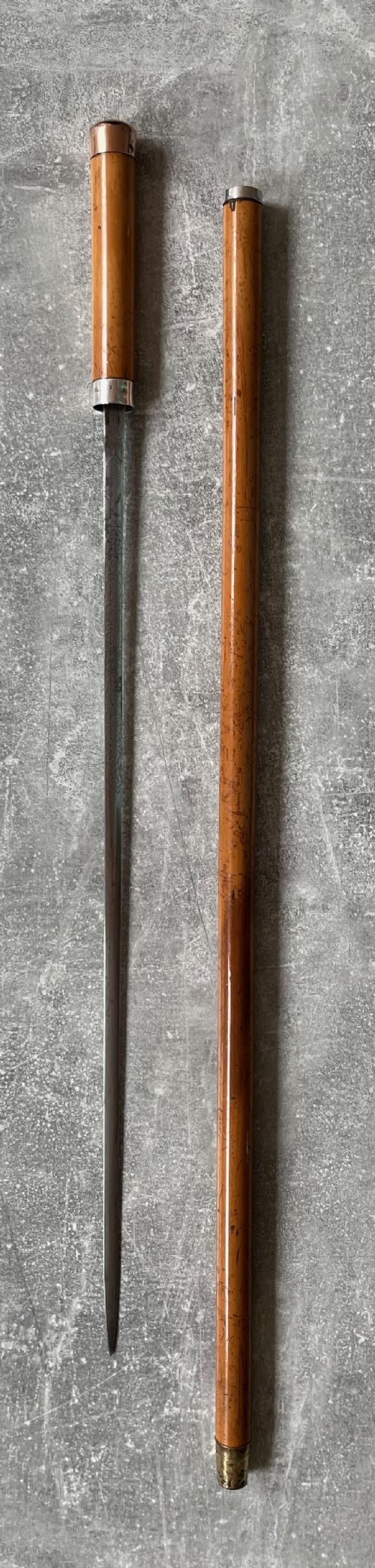
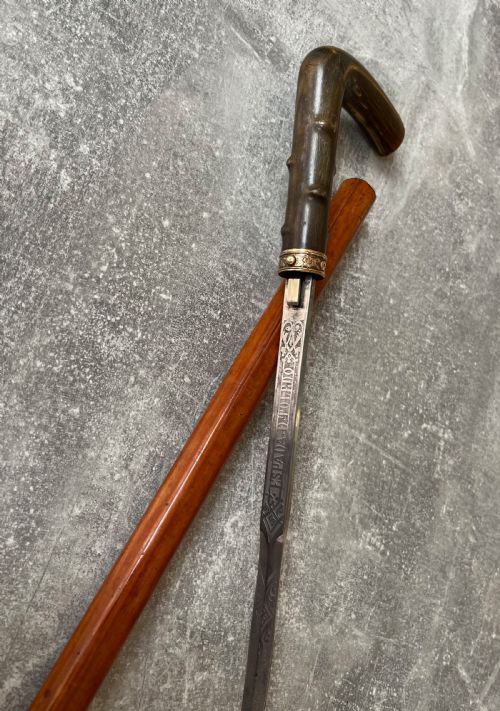
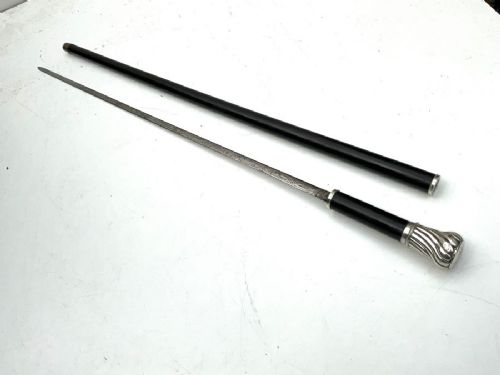
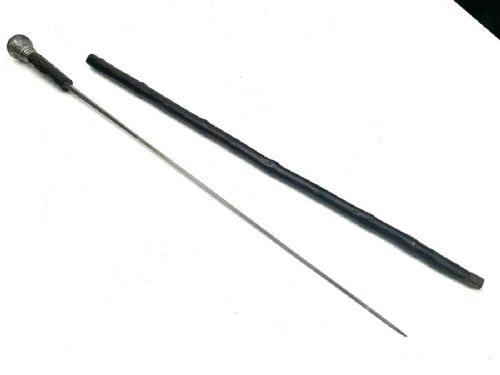
Shafts are fashioned from timber and natural materials including malacca, partridge wood, hazel, holly, bamboo, and blackthorn, sometimes covered in leather. Handles incorporate horn, bone, silver knops, and root wood, often secured by silver or brass collars.
The internal blades utilise forged steel, with several specimens housing specialised Toledo or Wilkinson blades. Makers integrated button releases and precise joinery to ensure the hidden blade remains secure within the wooden housing until deployed.
Listings feature pieces from the Victorian and Edwardian periods, utilising malacca, partridge wood, and steel blades.
Assessing quality
Superior quality rests in the integration of the blade and shaft, where precision engineering ensures a seamless exterior line when closed. Finer pieces display signed blades from established makers like Wilkinson or Toledo alongside hallmarked silver mounts and gold detailing.
The choice of shaft material and handle carving dictates the tier of the piece, with malacca and figured partridge wood sitting alongside detailed horn grips. The crispness of blade etching and the mechanical reliability of the button release distinguish finer specimens from standard utility items.
BRIGG·Wilkinson·Kendal
The Concealed Steel Sword Stick Glossary
- Malacca
- A smooth, mottled rattan cane imported from Southeast Asia and prized for walking sticks. Its natural joints provide a distinctive appearance.
- Toledo blade
- A steel blade forged in the Spanish city renowned for weapon-making. These blades are frequently etched and valued for their flexibility and strength.
- Wilkinson blade
- A steel blade produced by the renowned British sword maker. Collectors look for these signatures as indicators of high manufacturing standards.
- Collar
- A metal band, often silver or brass, fitted around the top of the shaft. It reinforces the wood where the handle joins and frequently bears hallmarks or initials.
- Knop
- A rounded knob or handle at the top of the walking stick. They are shaped from horn, bone, or metal.
Concealed Steel Sword Stick: Frequently Asked Questions
How do you release the hidden blade?
Most concealed steel sword sticks utilise a mechanical button release or a screw mechanism integrated near the collar. Pressing the button disengages the internal catch, allowing the blade to slide smoothly from the wooden housing.
Owners should handle the mechanism with care to preserve the original internal spring or latch. Regular gentle usage prevents the metal components from binding over time.
What woods were used for the shafts?
Maker workshops utilised a variety of dense timbers and natural canes suited for daily walking support. Common examples include tropical malacca, patterned partridge wood, hazel, holly, and bamboo.
Some pieces feature faux bamboo carved into hardwood or leather-covered wooden cores. Each material offers a distinct weight and texture for the carrier.
How can I date my sword stick?
Dating relies upon style markers, hallmarked silver collars, and historical blade signatures. Victorian and Edwardian examples often exhibit specific handle shapes, decorative collar engravings, and patent release buttons typical of those decades.
Comparing the timber finish and mounting style with dated pieces from the late nineteenth or early twentieth century helps narrow the manufacturing period.
Are the blades marked by makers?
Certain blades bear maker stamps or etchings near the hilt, such as Toledo or Wilkinson inscriptions. These signatures indicate the origin of the steel and add significant interest for collectors.
Not all pieces feature maker marks, as many utility and military officers' sticks were produced by general cane-makers who sourced blades independently.
How should I care for the metal blade?
The steel blade requires occasional light cleaning to prevent oxidation inside the wooden scabbard. Applying a thin coat of neutral oil keeps the metal protected without damaging the interior lining.
Avoid storing the stick in damp environments, as moisture trapped within the wooden shaft can affect the steel surface over extended periods.