
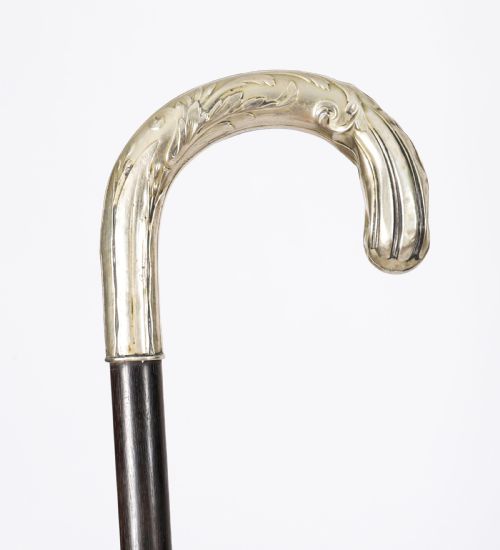


Crook Handle Cane
A crook handle cane is a distinguished gentleman's accessory providing reliable support and a concealed blade, favoured for daily promenades.
Crook Handle Cane
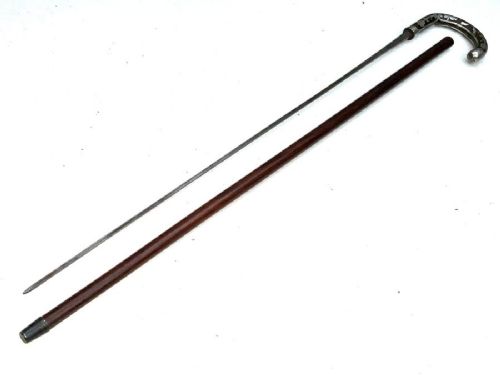
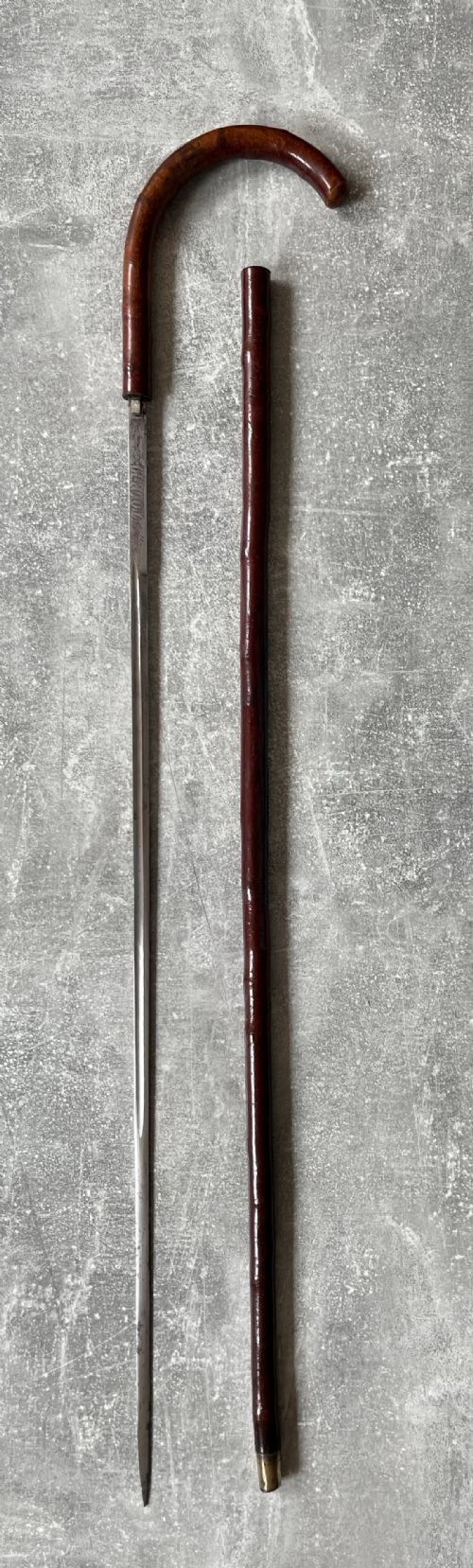
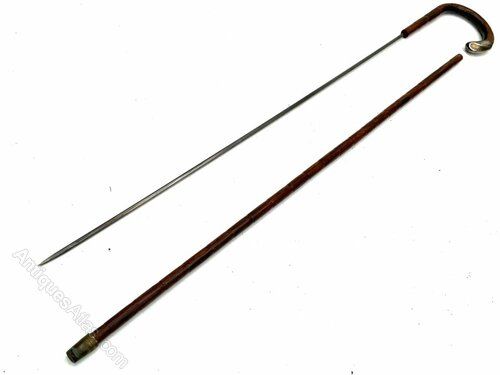
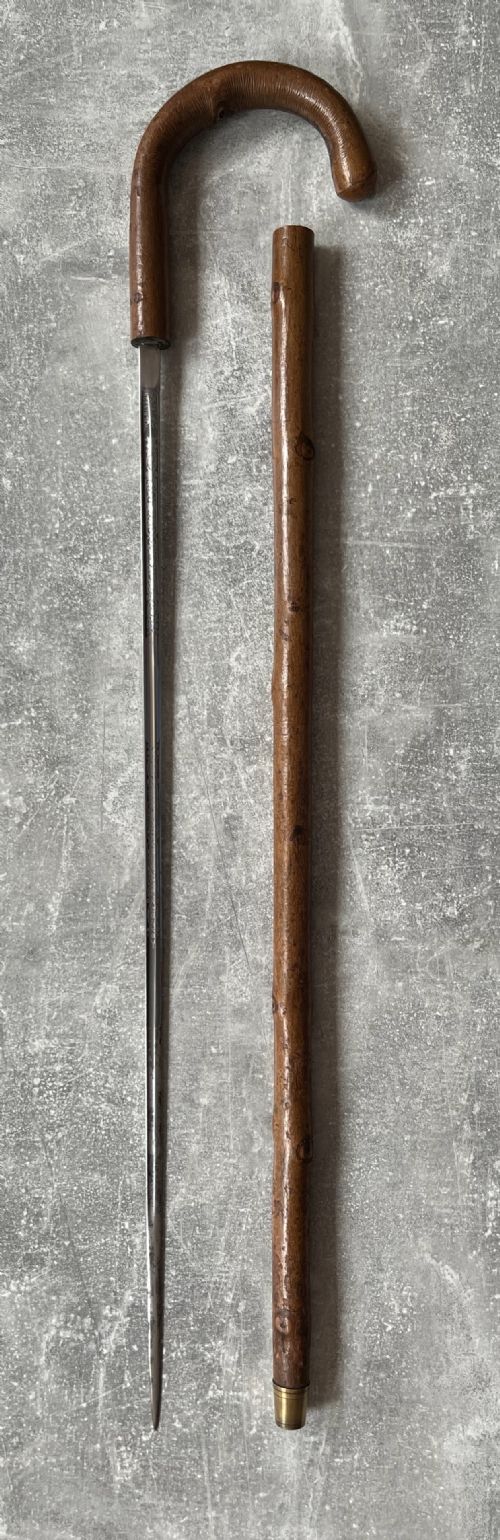
When a buyer searches for a crook handle cane, they encounter functional walking sticks and sophisticated sword sticks dating from the Victorian and Edwardian eras. These pieces bridge the gap between practical mobility aids and concealed personal defence tools used by gentlemen during the nineteenth and early twentieth centuries.
The specimens seen on this page span several decades from the 1870s through to the 1920s, originating from British, French and continental workshops. Many examples feature practical hardwood shafts paired with curved handles designed for hanging over the arm when not in use.
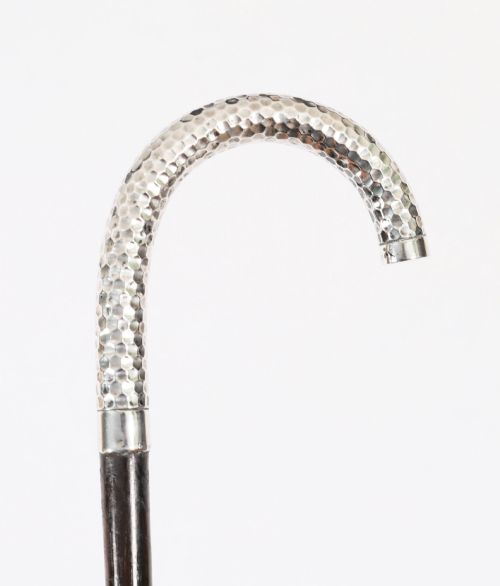
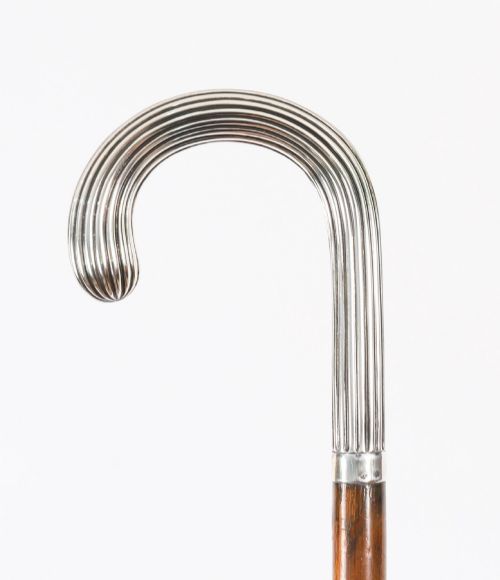
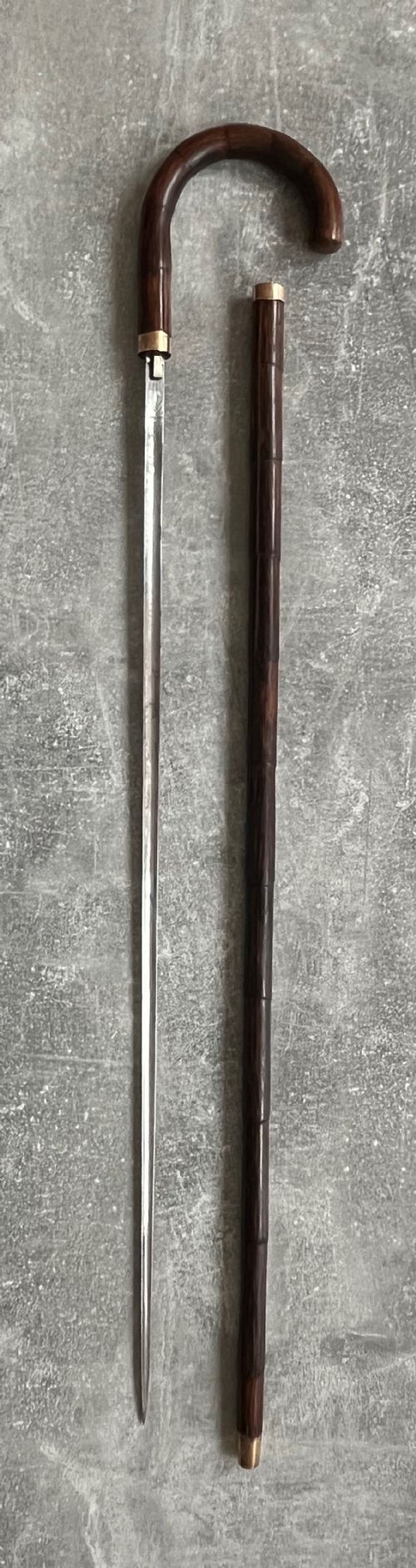
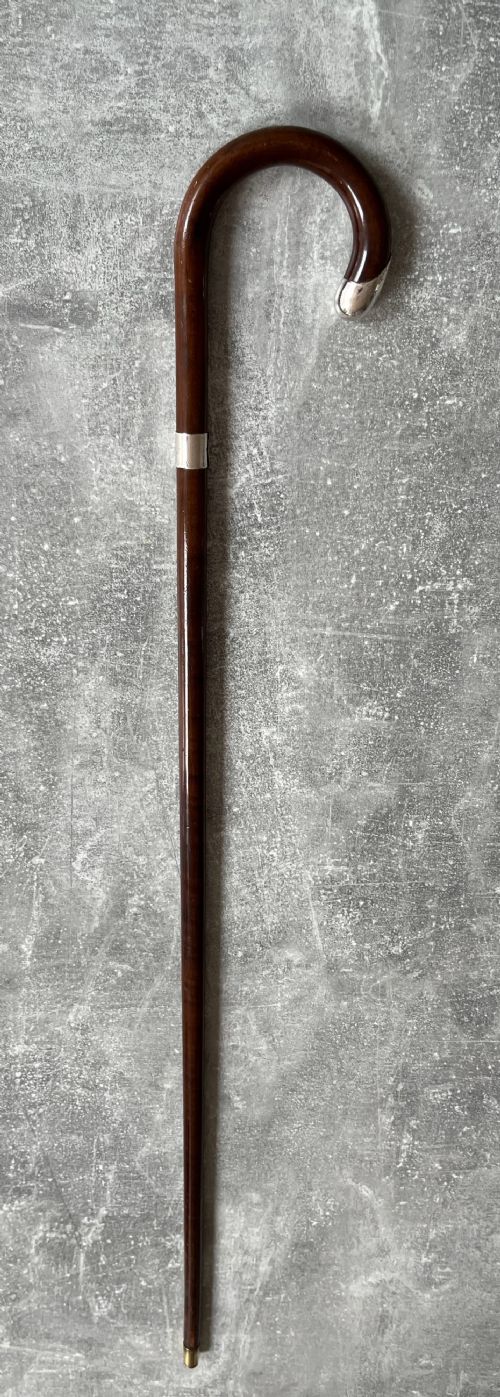
Buyers will find that a significant portion of these listings combine the classic crook form with hidden steel blades, often stamped by renowned blade makers. Others present purely as elegant walking canes fitted with decorative silver mounts and collars.
How they were made
Maker construction methods rely on dense hardwoods such as partridge wood, malacca, cherrywood and ebonised oak selected for straight grain and resilience. Shafts are frequently fitted with metal collars and mounts in silver or silver plate to reinforce the joint between handle and body.
Handles utilise natural materials including stag horn and carved wood, steam-bent into the characteristic hook shape. Concealed blades forged from steel, including Toledo and Wilkinson examples, are housed securely within the timber shafts.
Some gentlemen used their walking sticks to hide sword blades, while others preferred a carved stag horn handle to grip during a quiet stroll.
What varies in quality
Quality in these pieces rests upon the integrity of the materials and the precision of the mechanics, particularly where a concealed blade meets the interior channel of the shaft. Superior examples display seamless joins between the silver mounts and the timber, with handles securely seated without play.
The distinction between ordinary and exceptional lies in the quality of the blade steel and the finesse of the metalwork embossing on the collar or handle. Maker signatures on the steel elevate the standing of the piece significantly above unbranded utilitarian items.
BRIGG·Wilkinson
The Crook Handle Cane Glossary
- Crook handle
- A curved handle shaped like a shepherd's crook. This design allows the cane to be hooked over the arm or a rail when not held in the hand.
- Sword stick
- A walking cane containing a concealed blade within the hollow shaft. The blade is typically released by a catch or a screw mechanism.
- Partridge wood
- A dense, durable tropical timber characterised by distinctive partridge-feather patterning. It was favoured for its strength and resilience in walking stick shafts.
- Malacca
- A smooth, spotted rattan cane imported from Southeast Asia. It is prized for its flexibility and warm golden-brown tone.
- Silver mount
- A decorative collar or band fitted to the shaft or handle, frequently bearing hallmarks or maker marks. These mounts protect the wood from splitting and add ornamentation.
Crook Handle Cane: Frequently Asked Questions
How do I use the sword mechanism?
The concealed blade is generally released by pulling the handle firmly away from the shaft to disengage an internal catch, or by a twist-lock mechanism depending on the design.
Care should be taken when drawing the blade to avoid damaging the internal wooden channel of the cane.
Are these sticks suitable for daily walking support?
Many of these pieces were built as sturdy accessories for gentlemen and remain robust enough for gentle everyday use.
However, antique sword sticks should be treated with care to preserve the integrity of the internal blade and the historic timber shaft.
How do I date an Edwardian cane?
Edwardian pieces date from the reign of King Edward VII between 1901 and 1910. Dating is often confirmed by silver hallmarks on the mounts or stylistic cues typical of the period.
Art Nouveau influence and specific maker stamps also help narrow down the manufacture date.
What is the purpose of the crook handle?
The curved crook shape provides a comfortable grip for the hand during a walk. It also allows the owner to hang the cane securely over a forearm or a chair back when entering a room.
This practical feature distinguishes crook handles from straight knob or derby handles.