
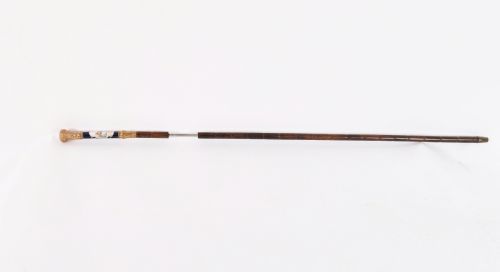
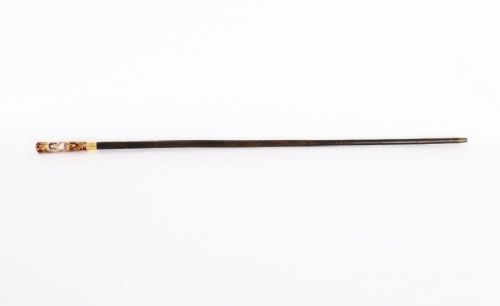
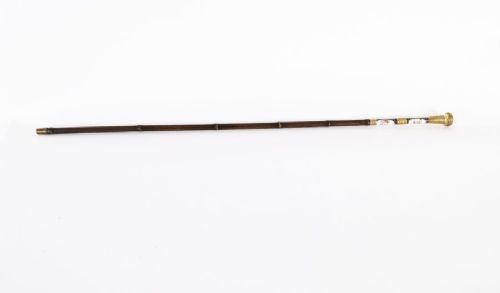
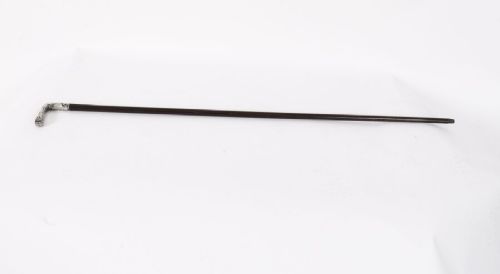
19th Century Walking Cane
Every 19th century walking cane carries the practical elegance of a period when gentlemen stepped out with a personal support and a statement of rank.
What a 19th century walking cane is
A 19th century walking cane serves as a portable support, a badge of social standing, and occasionally a concealed tool.
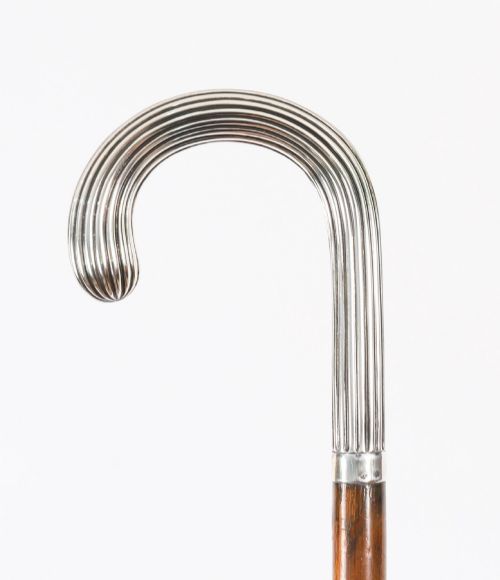
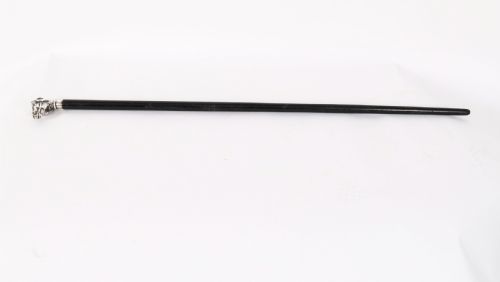
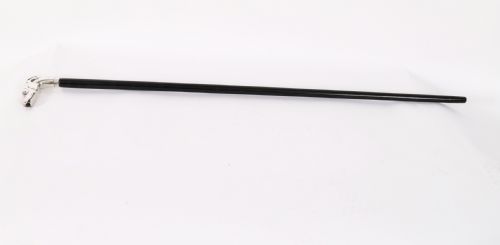
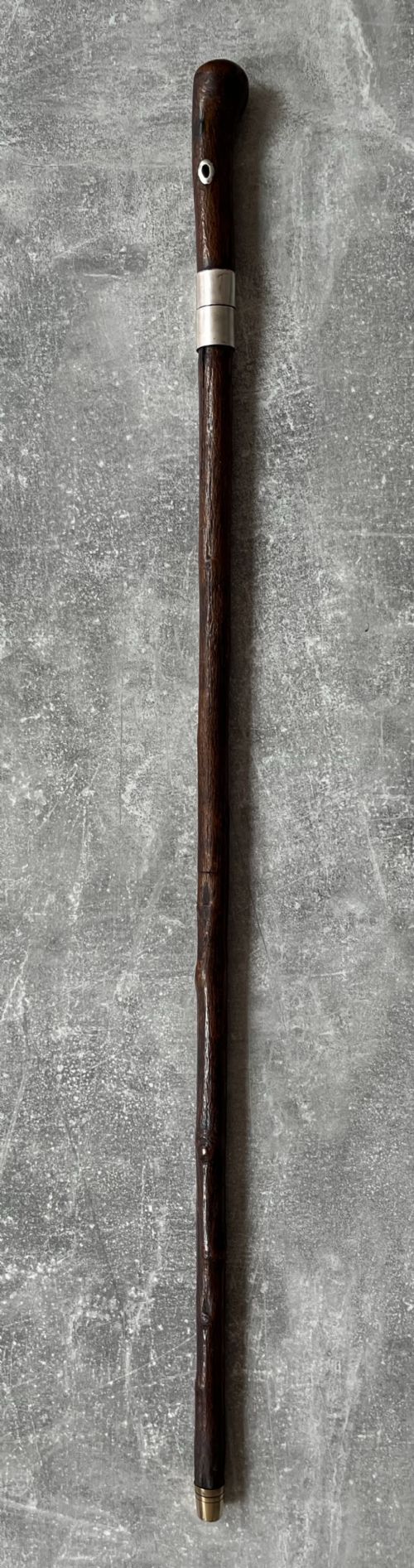
The selection ranges widely across origins and forms, from French Art Nouveau silver handles to straightforward hazel wood shafts.
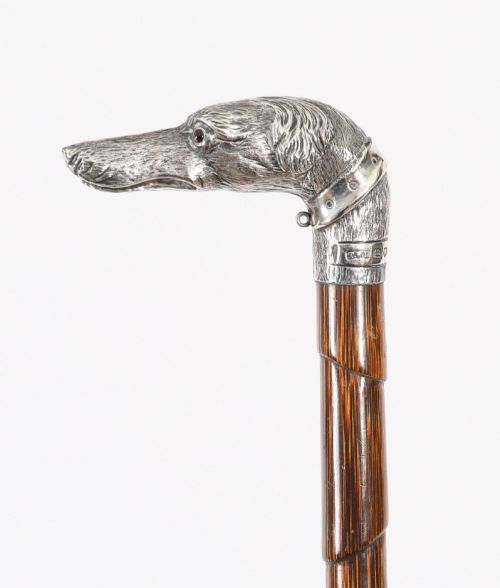
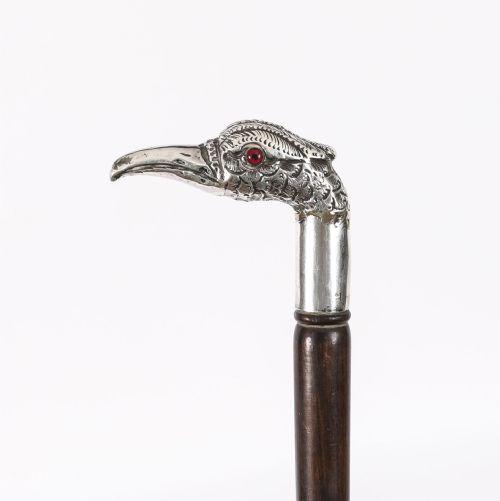
Continental examples frequently pair precious metals with ebonised wood or malacca, while English and Chinese variants often introduce carved animal heads or functional mechanics.
Materials and construction
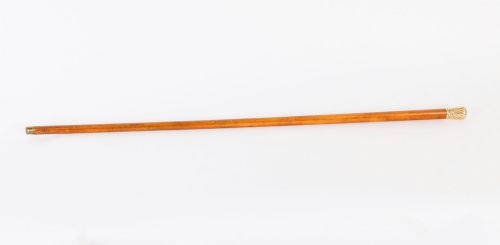
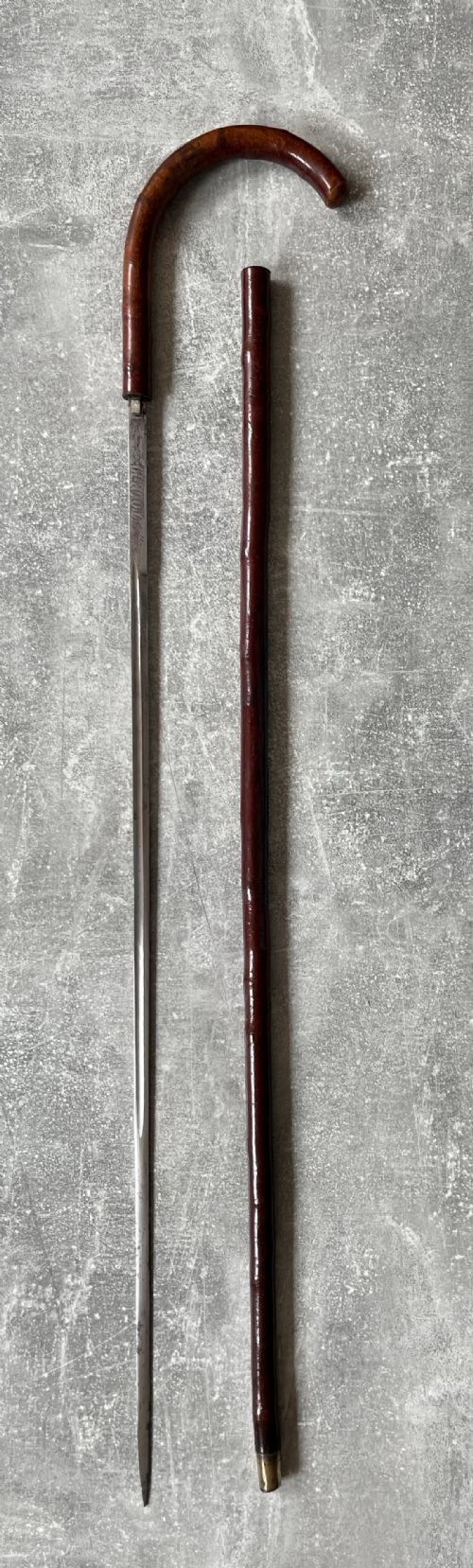
Shafts rely on resilient natural materials including hazel wood, ebonised wood, malacca, and bamboo, selected for straightness and strength.
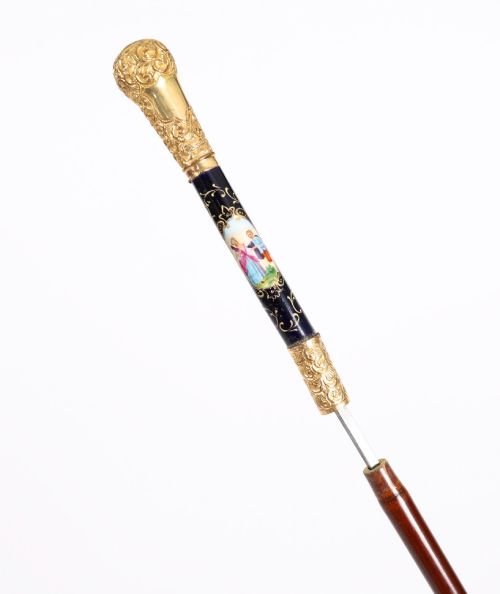
Handles and pommels utilise solid silver, silver plate, 18ct gold, bone, jade enamel, and carved horn, fastened securely to the shaft.
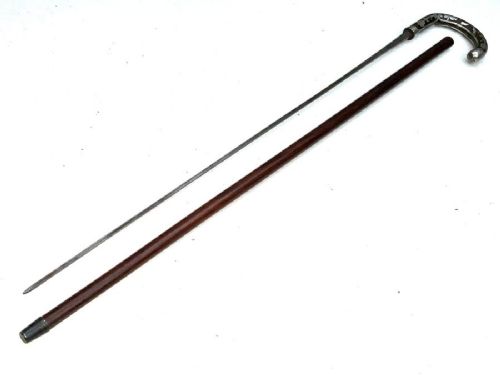
Specialist versions incorporate hidden elements such as steel blades for sword canes, internal telescopes, corkscrews, or automated mechanical jaws.
Retail Price Guide 2026
Typical UK retail prices for 19th century walking cane, calculated from the Sellingantiques database of over a million retail prices indexed since 2003. This retail price guide relies exclusively on Sellingantiques data; no external sources or auction records are used, so the figures do not describe the wider market.
What sets examples apart
Quality rests upon the sculptural detail of the handle and the integrity of the join between pommel and shaft.
Artisanal silverwork, particularly French Art Nouveau chasing or Chinese dragon motifs, distinguishes standard utility sticks from high-status items.
Original condition of both the delicate metalwork and the polished timber shaft dictates the standing of each piece.
Brigg
The 19th Century Walking Cane Glossary
- Pommel
- The knob or handle at the top of a walking cane. This part receives the hand and often displays the maker's skill or precious metal hallmarks.
- Malacca
- A prized tropical rattan cane from Southeast Asia. Known for its speckled brown skin and exceptional durability, it forms the shaft of many finer sticks.
- Ebonised wood
- Timber treated to imitate ebony. This dark, smooth finish provides a formal contrast to silver or gold handles.
- Sword cane
- A walking stick with a concealed blade locked inside the shaft. The discrete release mechanism remains intact on surviving pieces.
- Helixophile
- A collector of corkscrews. Some walking canes conceal a functional corkscrew within the handle or shaft for travellers.
Frequently Asked Questions
How were walking canes used?
In the nineteenth century, gentlemen carried these items as daily accessories for balance, posture, and social presentation during walks.
Certain versions also served discrete secondary functions, concealing blades, telescopes, or writing implements for the urban traveller.
What materials are most common?
Shafts frequently utilise ebonised wood, hazel wood, and malacca, providing flexible and sturdy support.
Hands and handles range from simple carved wood and horn to solid silver, 18ct gold, and jade enamel.
How do I care for my cane?
Keep wooden shafts conditioned with appropriate wax and store the items away from extreme temperature fluctuations to prevent warping.
Polish metal pommels gently with a soft cloth while avoiding abrasive cleaners that might damage nineteenth-century silver or gold.
Are all these canes antique?
The selections shown date from the nineteenth century, incorporating Victorian, Art Nouveau, and continental European examples.
Period manufacturing techniques, hallmarks, and natural material wear help define their historical authenticity.