



Ebonised Walking Cane
An ebonised walking cane is a dark, formal support that carries silver mounts and hidden blades from the Victorian and Edwardian eras.
Ebonised Walking Cane
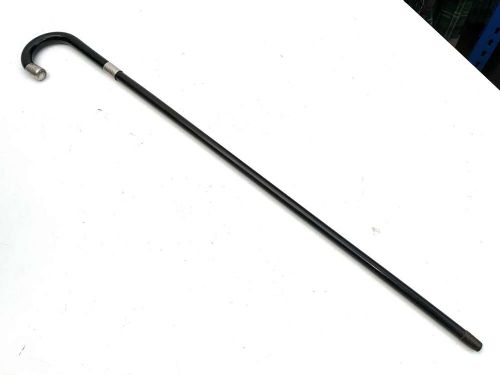
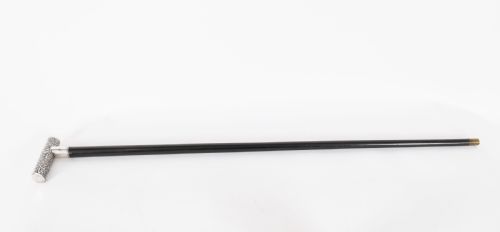
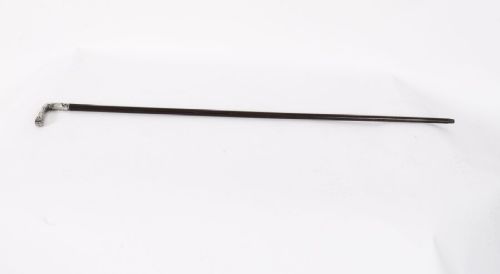
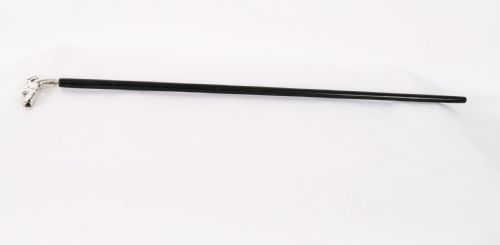
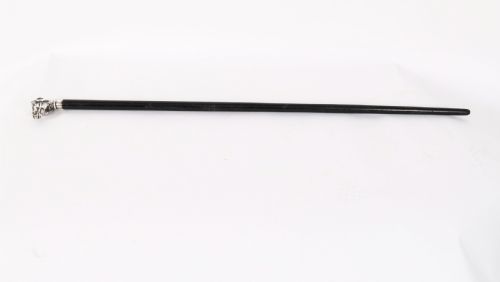
An ebonised walking cane provides a formal, dark wooden shaft that frequently carries silver handles and mounts. These sticks date predominantly from the nineteenth century, including Victorian and Edwardian examples.
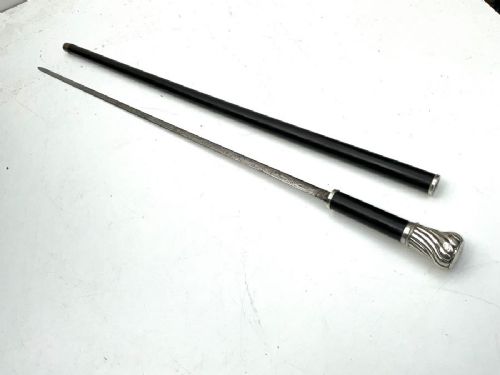
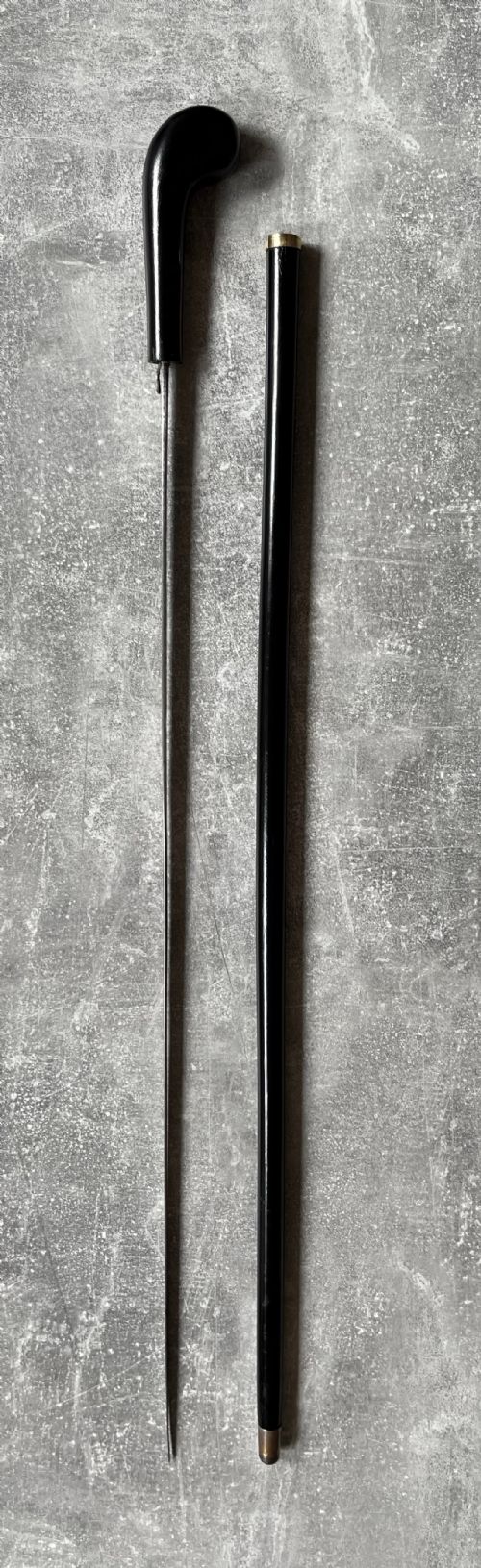
The selections range from straightforward timber shafts to elaborate novelties incorporating hidden sword blades, musical flutes, and watch movements. Many examples feature detailed silver or horn grips shaped as animals or golf clubs.
Buyers meet pieces spanning everyday gentleman accessories to Chinese export and French silver-mounted canes. The dominant form combines a deep black wooden body with contrasting metal work.
How they were made
Maker shops turned timber such as oak or other woods on lathes to create straight, slender shafts before applying a deep black ebonising finish. This dark stain gave ordinary woods the appearance of costly ebony.
Craftsmen fitted metal elements including sterling silver, brass, and steel to the handles and tips. These mounts often received hallmarks, chased decoration, or engraved initials.
Specialist makers integrated complex mechanisms within the shafts, housing steel Toledo sword blades, bone pommels, or functional watch movements.
Ebonised Walking Cane Retail Price Guide 2026
Typical asking prices for ebonised walking cane among the pieces listed under this phrase on Sellingantiques today, from the lower quarter to the upper quarter. They describe what is for sale here now, not the wider market.
Listings demonstrate materials including silver, ebonised wood, brass, steel, timber, and horn across nineteenth-century and Edwardian periods.
What varies in quality
Quality rests in the precision of the handle attachment and the integrity of the ebonised finish across the shaft. Superior examples show crisp casting in silver animal heads and solid joinery where the handle meets the wood.
The complexity of the internal mechanism separates standard walking sticks from exceptional pieces. Swords with intact Toledo blades and functional watch or flute mechanisms command greater appreciation.
Kendall and Sons·John Coakley·Thomas Longmire
The Ebonised Walking Cane Glossary
- Ebonised
- Wood treated with stain or polish to imitate the deep black colour of true ebony. This technique allowed makers to utilise sturdy domestic timbers for formal accessories.
- Pommel
- The rounded or decorative handle at the top of a walking stick. These terminals often take the form of silver animal heads or carved bone.
- Hallmark
- An official stamp struck into precious metal indicating the standard of purity and the assay office. Silver mounts frequently bear these marks for dating purposes.
- Sword stick
- A walking cane concealing a functional steel blade within its wooden shaft. A locking mechanism secures the blade until released by the user.
Ebonised Walking Cane: Frequently Asked Questions
How do I date an ebonised walking cane?
Dating relies heavily on silver hallmarks stamped onto the metal mounts, which indicate the assay office and year of testing. Stylistic details such as Victorian proportions and Edwardian turning methods also help determine the period.
Makers occasionally scratched inscriptions or dates directly into the metal or wood. Comparing the form with documented nineteenth-century examples narrows the window of manufacture.
Were all ebonised canes made from ebony?
Most ebonised walking sticks utilise domestic timbers like oak that receive a dark surface treatment to resemble costly ebony. This process provided the desired formal appearance without the expense of solid tropical hardwoods.
Inspect the wear points to see the base timber beneath the black finish. True ebony remains heavy and dark throughout its mass.
How were sword sticks used?
Gentlemen carried sword sticks for personal defence during the nineteenth century when urban streets presented hazards. The concealed steel blade remained locked inside the wooden scabbard until needed.
These pieces combined the practical requirement for a walking support with covert protection. Ownership laws at the time permitted gentlemen to carry such items.
What are watch canes?
Watch canes incorporate a functional timepiece set directly into the top of the handle. Owners could check the time simply by looking down at the pommel of their cane.
These novelty pieces required precise joinery to house the watch movement securely within the silver or wooden mount. They represent the more inventive side of Victorian accessory design.