





Black Ebonised Cane
These pieces of black ebonised cane span seating and walking sticks, offering dark finishes and woven textures that suit period interiors.
Black Ebonised Cane
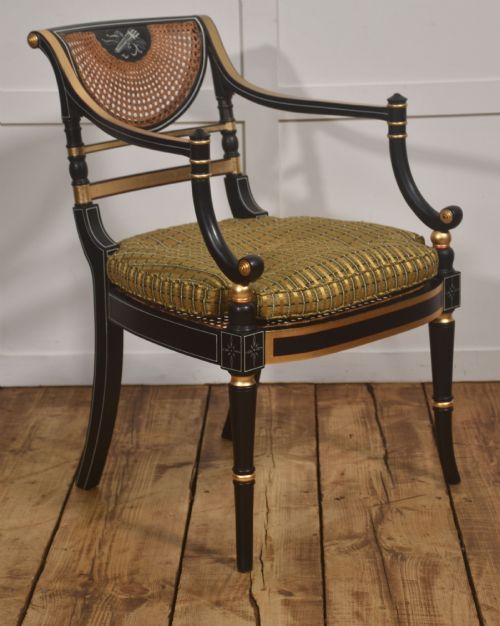
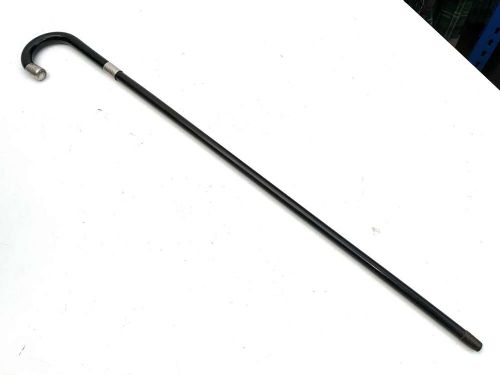
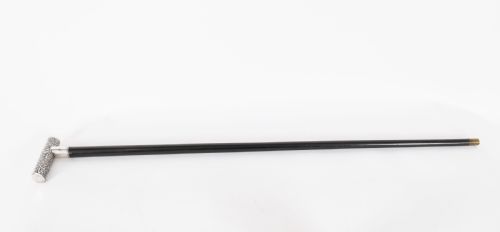
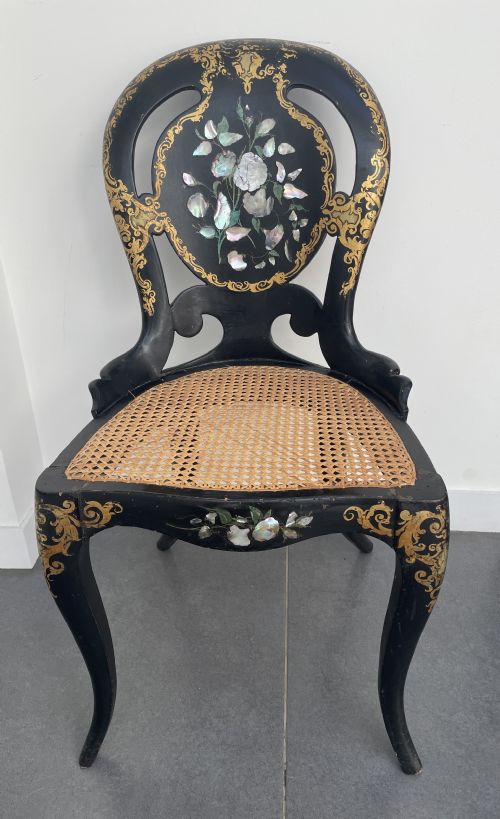
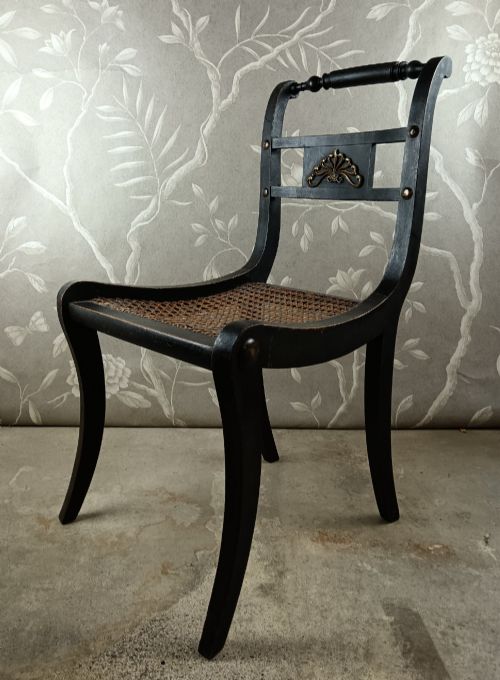
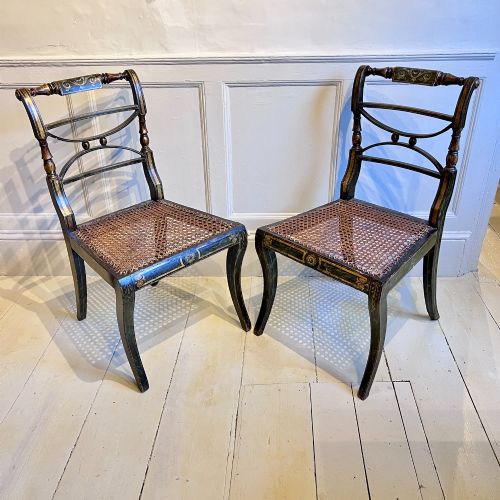
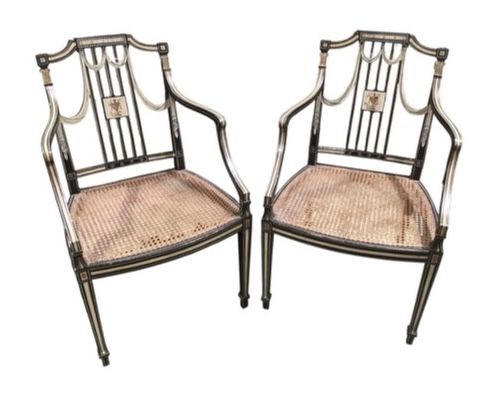
When you search for black ebonised cane, you encounter a distinct mix of seating and walking sticks originating primarily from the nineteenth century. The seating forms include armchairs, side chairs, dining chairs, daybeds, and rocking chairs, alongside functional walking sticks and canes.
You meet Regency examples alongside Victorian and Edwardian pieces, taking influences from Chinese Export, Anglo-Indian, and Aesthetic Movement designs. These items bring dark polished finishes and woven support to domestic spaces.
The category bridges functional daily supports and formal seating, uniting them through darkened wood and woven plant material. Such pieces range from library armchairs to walking aids topped with silver mounts.
Materials and Construction
Makers utilised ebonised wood, beech, and ebony to create the dark structural frames, often applying paint or gilt highlights to enhance the surface. Cane is woven tightly to form resilient seats and panels that flex under weight.
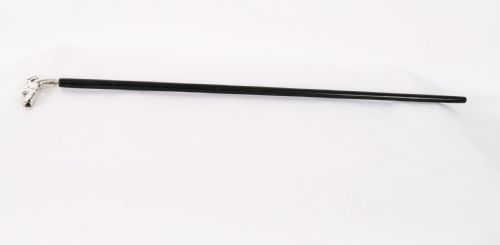
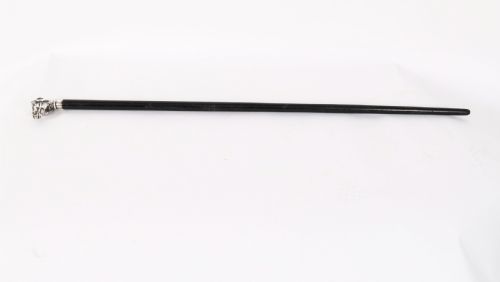
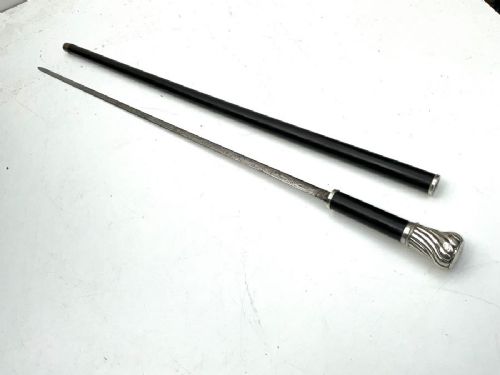
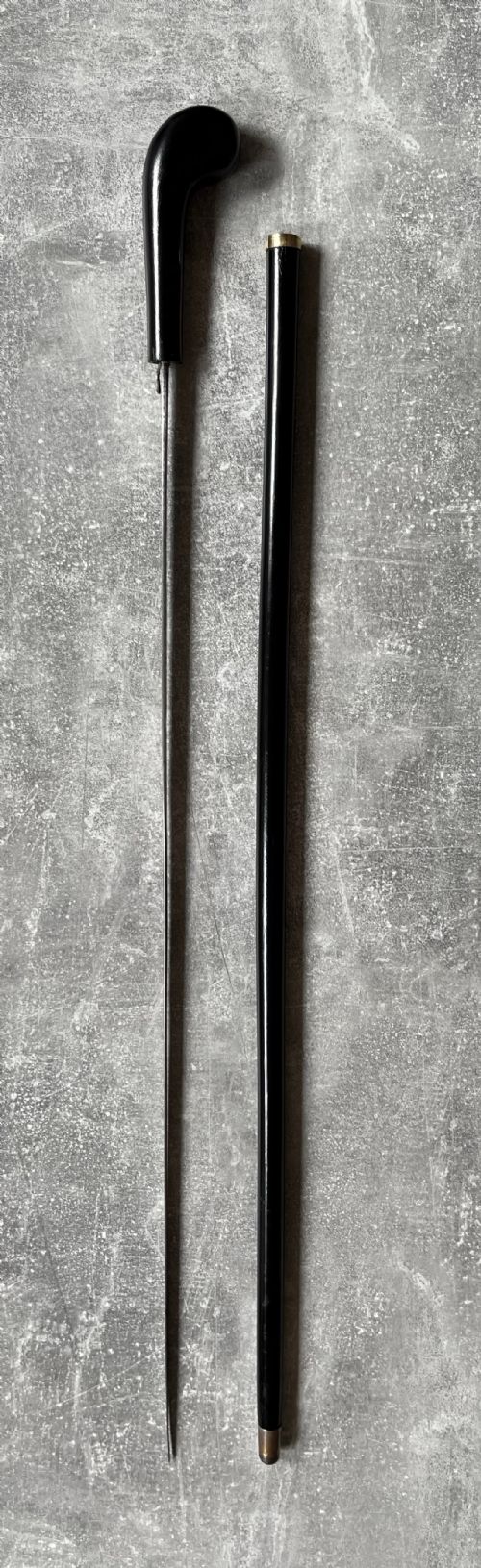
Metal components such as brass, silver, steel, and horn appear on walking sticks and canes, forming detailed handles shaped like animals or clubs. Some items incorporate mother of pearl inlay or Toledo blades concealed within the shaft.
Black Ebonised Cane Retail Price Guide 2026
Typical asking prices for black ebonised cane among the pieces listed under this phrase on Sellingantiques today, from the lower quarter to the upper quarter. They describe what is for sale here now, not the wider market.
Some nineteenth-century gentlemen walked out with canes shaped precisely like golf clubs or topped with silver greyhounds.
Assessing Quality
The standard of these pieces depends on the crispness of the ebonised finish and the precision of the cane weaving. Higher tier seating displays tight, uniform cane work intact across the frame, while superior walking sticks show detailed metalwork on the handles.
Structural integrity separates ordinary examples from finer items, particularly in joints and turned elements such as bobbin legs or sabre legs. Original mounts and uncompromised blades on walking sticks elevate the standing of the piece.
E W Godwin·Thonet·Gillows
The Black Ebonised Cane Glossary
- Ebonised
- Wood treated with a dark stain or finish to imitate expensive ebony. This process became widely used during the nineteenth century for furniture and decorative objects.
- Cane
- Woven material made from the peeled bark of rattan palms. It provides a flexible, breathable surface for chair seats and backrests.
- Bergère
- An enclosed upholstered armchair with wooden frames, sometimes featuring cane sides and backs. They appeared frequently in Regency and Victorian interiors.
- Sabre leg
- A concave sweeping chair leg that tapers toward the foot, resembling a cavalry sabre. This form is characteristic of Regency seating.
- Toledo blade
- A steel sword blade produced in Spain known for flexibility and strength. These were occasionally fitted inside Victorian walking sticks.
Black Ebonised Cane: Frequently Asked Questions
How do I care for cane seats?
Keep cane seats clean using a damp cloth and allow them to dry naturally to maintain moisture in the plant fibres. Avoid placing these chairs near direct heat sources which can cause the material to become brittle.
Period cane benefits from occasional gentle cleaning to remove dust from the woven interstices. Preserving the natural flexibility prevents splitting over time.
Are walking sticks with hidden blades legal?
Sword sticks and concealed weapons fall under strict regulations regarding possession and sale in many jurisdictions. Buyers must verify local legal requirements before acquiring items containing blades.
Historical walking sticks often housed functional tools or steel blades for personal protection. These mechanisms remain intact on surviving nineteenth-century examples.
Where were ebonised daybeds used?
Daybeds and long stools served as resting furniture in nineteenth-century dressing rooms, libraries, and galleries. They provided a place for reclining during daytime hours without retiring to a full bed.
The combination of ebonised frames and cane surfaces offered a lightweight, portable form of seating. Such furniture suited the formal yet versatile room arrangements of the period.