

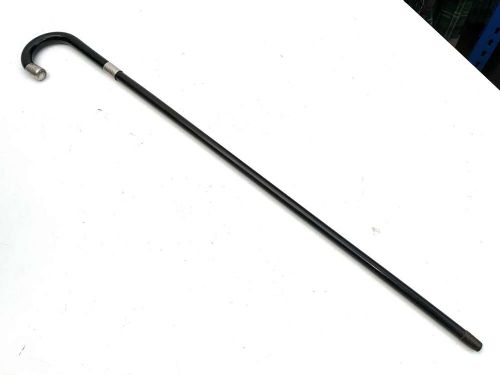
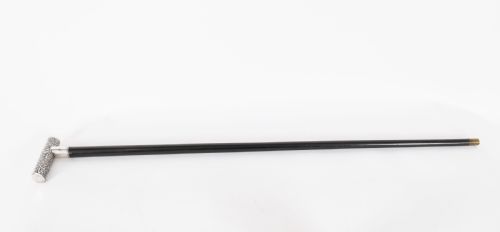
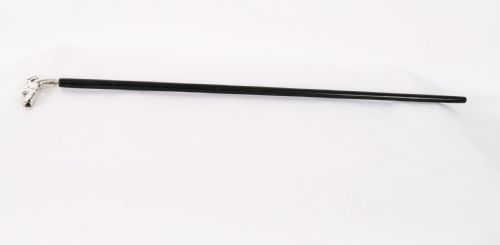
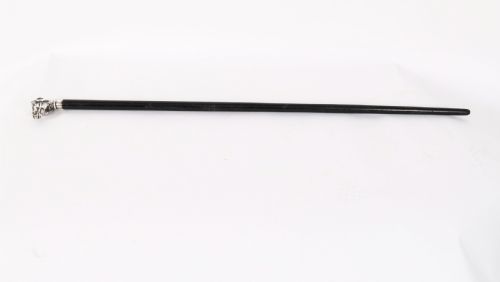
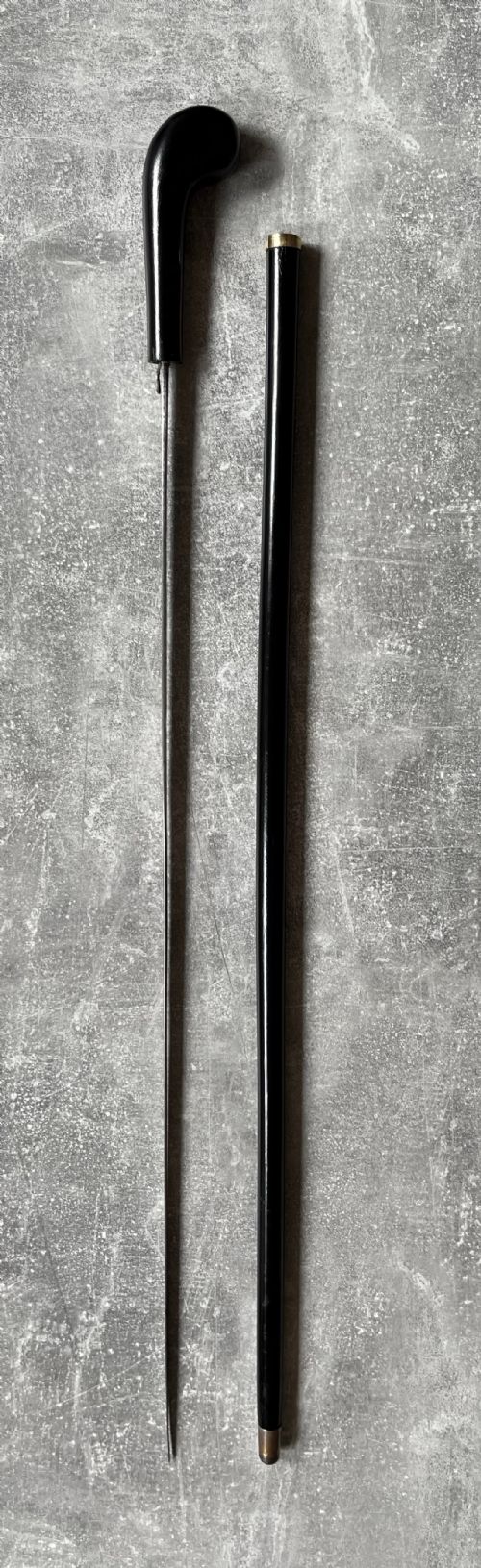


Ebonised Cane Handle
These ebonised cane handle pieces are dark wood grips and shafts built for daily support or clever concealment.
Ebonised Cane Handle
When you search for ebonised cane handle, you encounter nineteenth century and Edwardian walking sticks and walking canes formed from timber and ebonised wood. These items serve as functional support or incorporate hidden elements like swords and flutes.
The selections span Victorian and Edwardian periods alongside Chinese export and nineteenth century French examples. Most items combine a dark ebonised wooden shaft with metal mounts or distinct grips.
The forms range from standard gentleman walking sticks to specialised pieces shaped like golf clubs or fitted with horn handles. Each object reflects the practical accessory needs and novel tastes of earlier eras.
How they were made
Maker construction relies heavily on ebonised wood and timber, often shaped into sturdy shafts paired with horn or metal handles. Artisans applied dark finishes to common woods to imitate more expensive materials like ebony.
Many examples incorporate cast silver, brass, or steel components, forming detailed animal heads, floral motifs, or functional concealed blades. These varied materials required skilled metalworking alongside traditional woodworking techniques.
Ebonised Cane Handle Retail Price Guide 2026
Typical asking prices for ebonised cane handle among the pieces listed under this phrase on Sellingantiques today, from the lower quarter to the upper quarter. They describe what is for sale here now, not the wider market.
One exceptional walking stick cleverly hides a functional musical flute alongside its horn handle.
What varies in quality
Quality depends upon the precision of the ebonisation and the crispness of detail in any metal or horn mounts. Finer pieces display well-defined silver work, such as animal heads or floral prunus blossom motifs.
The integrity of the timber shaft and the secure fit of internal mechanisms, like Toledo blades or flute sections, distinguish standard walking sticks from more intricate functional novelties.
The Ebonised Cane Handle Glossary
- Ebonised wood
- Timber treated with a dark stain or finish to simulate genuine ebony. This dark coating provides a uniform surface across various woods.
- Toledo blade
- A steel sword blade produced in Toledo, Spain, known for quality metalworking. These blades appear concealed inside specific walking sticks.
- Chinese export
- Goods manufactured in China specifically for Western markets during the nineteenth century. These items often feature distinct silver handles.
- Sword stick
- A walking stick containing a hidden blade within the wooden shaft. This dual purpose item offered personal protection in earlier periods.
Ebonised Cane Handle: Frequently Asked Questions
What is an ebonised cane handle?
An ebonised cane handle is a dark wood grip fitted to a walking stick or cane. These handles are often shaped from timber to resemble expensive black hardwoods.
Many examples incorporate silver or horn alongside the ebonised wood base.
How do I identify a sword stick?
A sword stick conceals a steel blade inside the wooden shaft of the walking cane. These pieces typically feature a discreet join where the handle pulls apart from the body.
Makers often utilised Toledo blades for these hidden weapons.
What periods do these sticks come from?
These walking sticks mainly date from the nineteenth century through the Edwardian era. Victorian and Edwardian examples make up the bulk of surviving pieces.
Some items originate from French workshops or Chinese export trade.
Were these canes used for support?
Many sticks served as daily walking aids for gentlemen requiring physical support. Others functioned as novelties, incorporating hidden flutes or golf club shapes.
Makers balanced sturdy timber construction with decorative metal handles.