
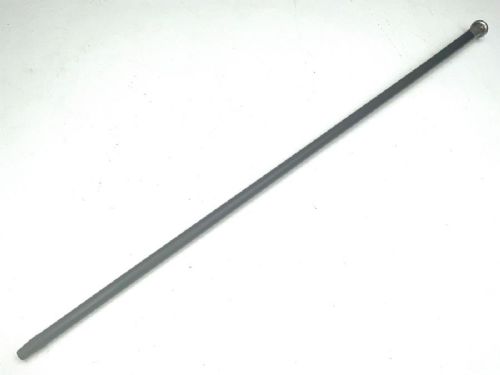
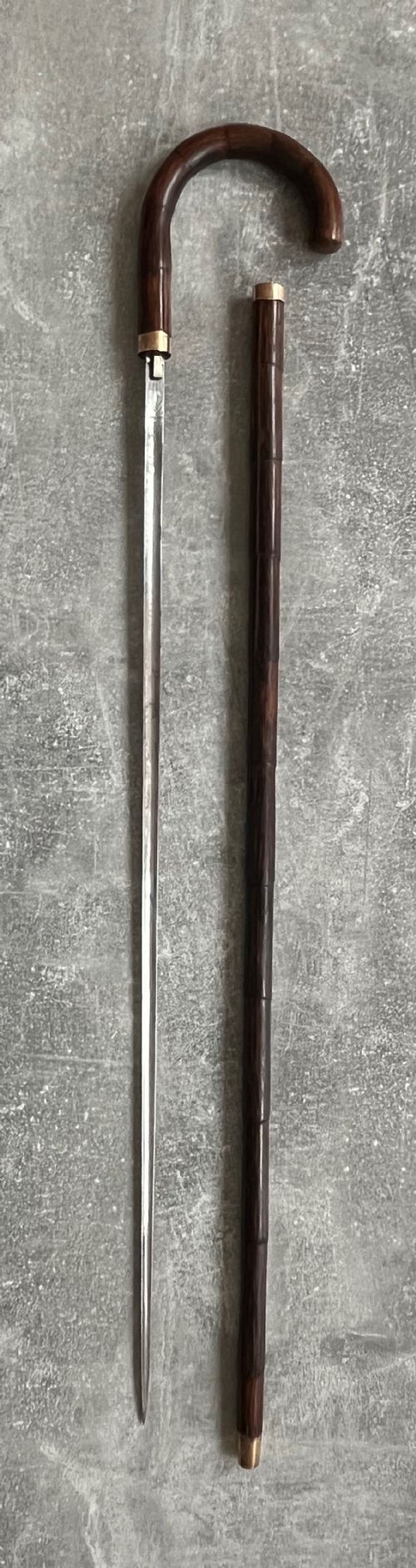
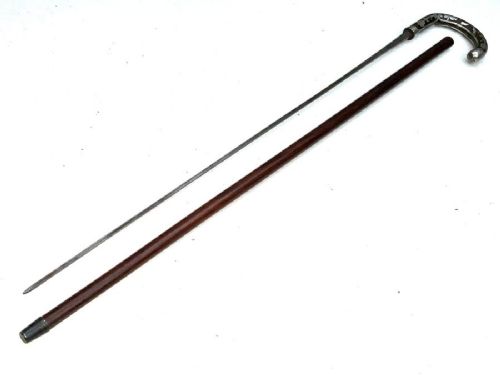
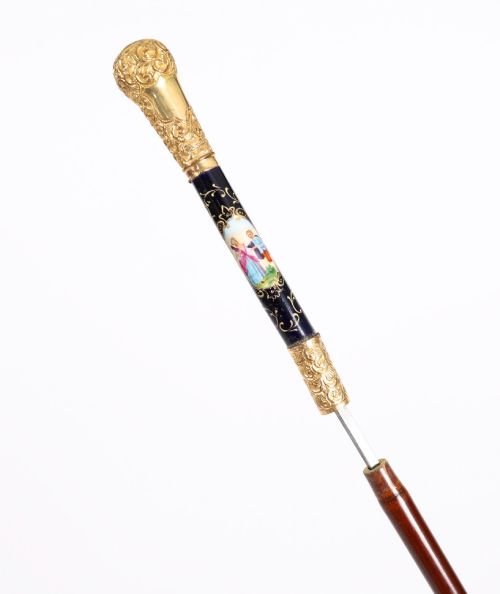
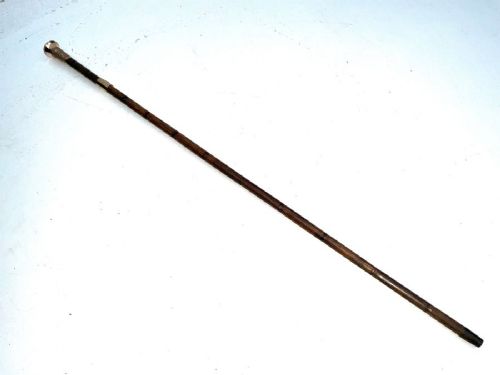


Vintage Concealed Sword Cane
A vintage concealed sword cane combines discreet personal protection with gentlemanly style.
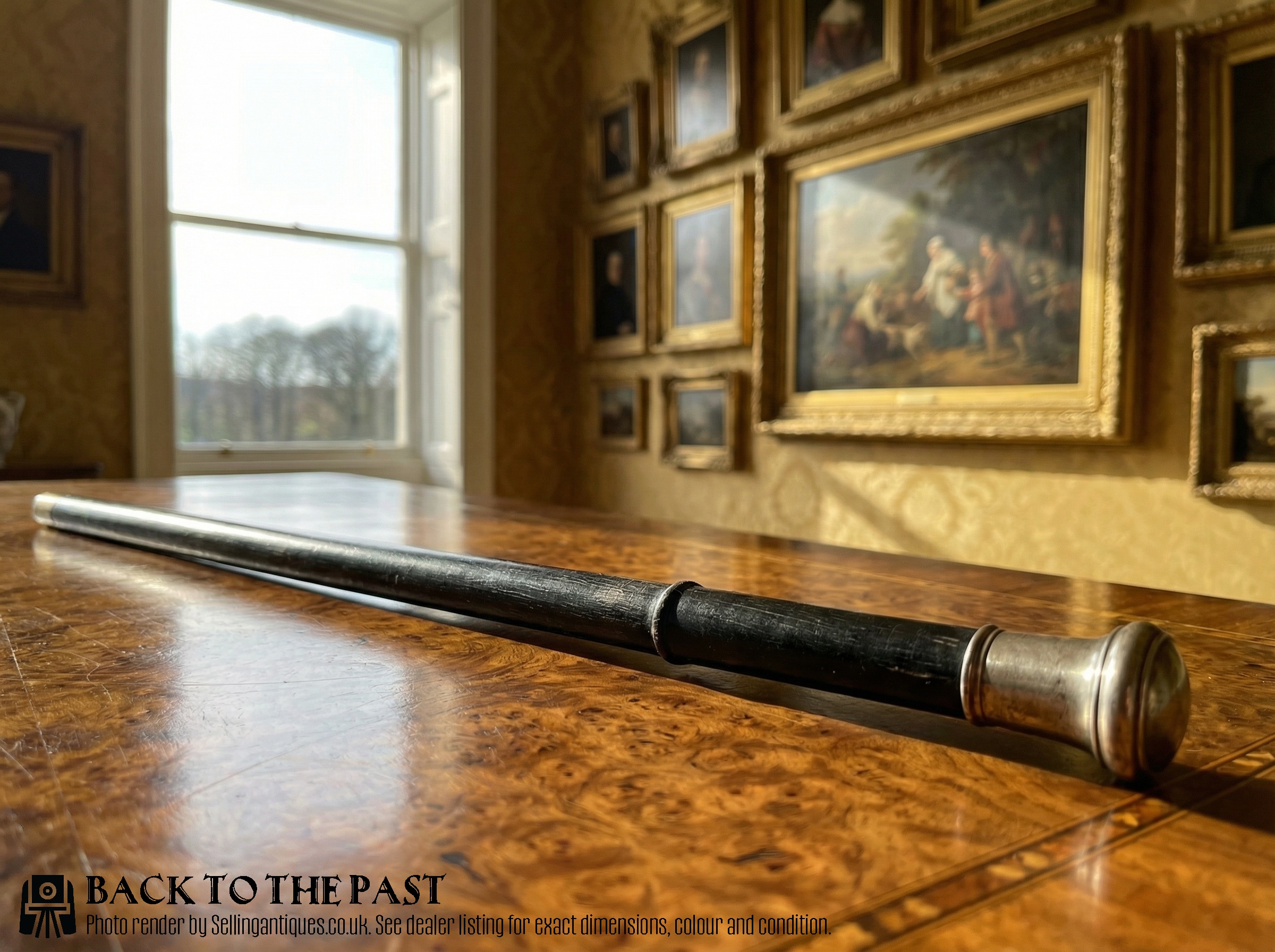
Vintage Concealed Sword Cane
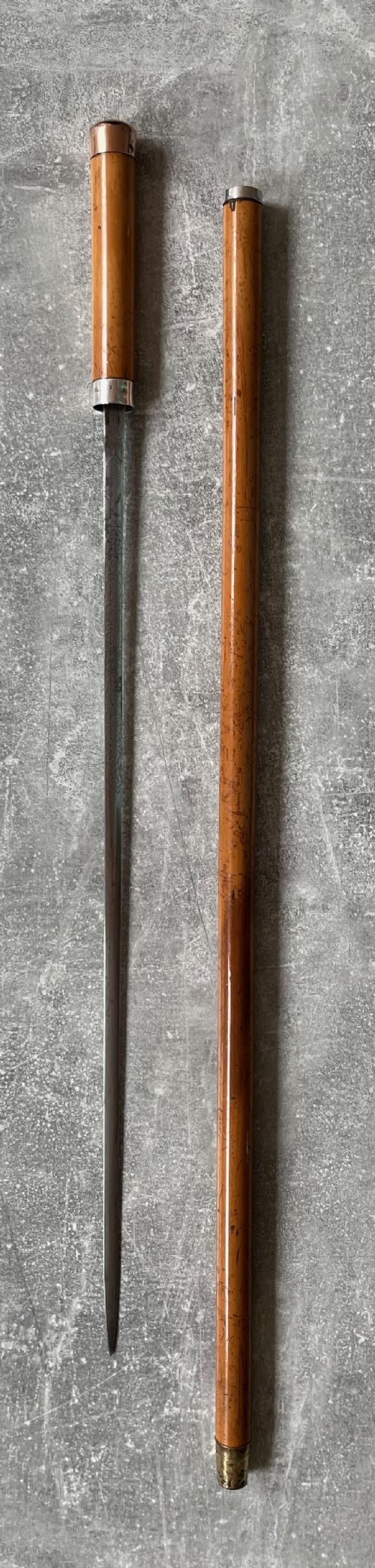
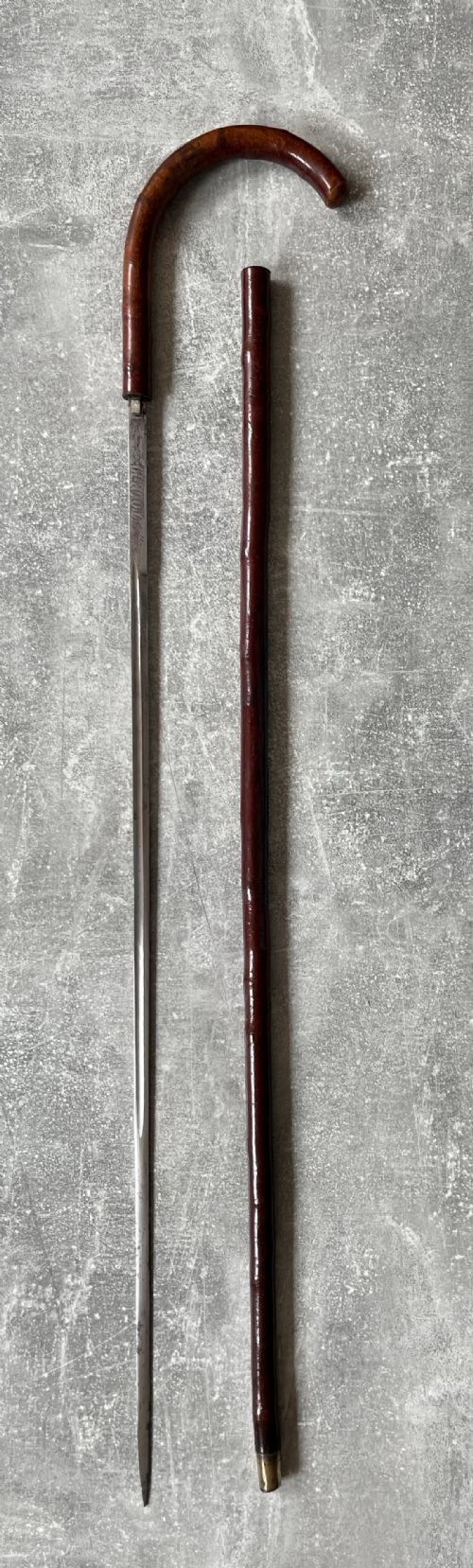
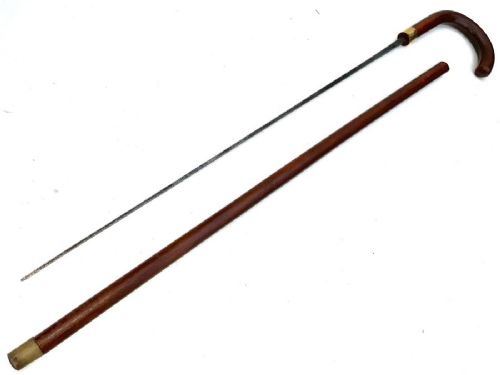
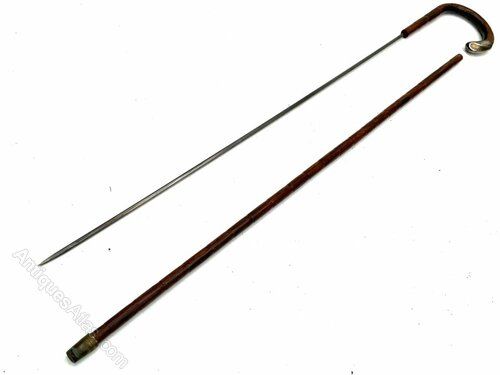
When you search for a vintage concealed sword cane, you inspect walking sticks fitted with hidden steel blades. The pieces on this page span the Victorian and Edwardian eras, alongside the wider nineteenth century and the early twentieth century.
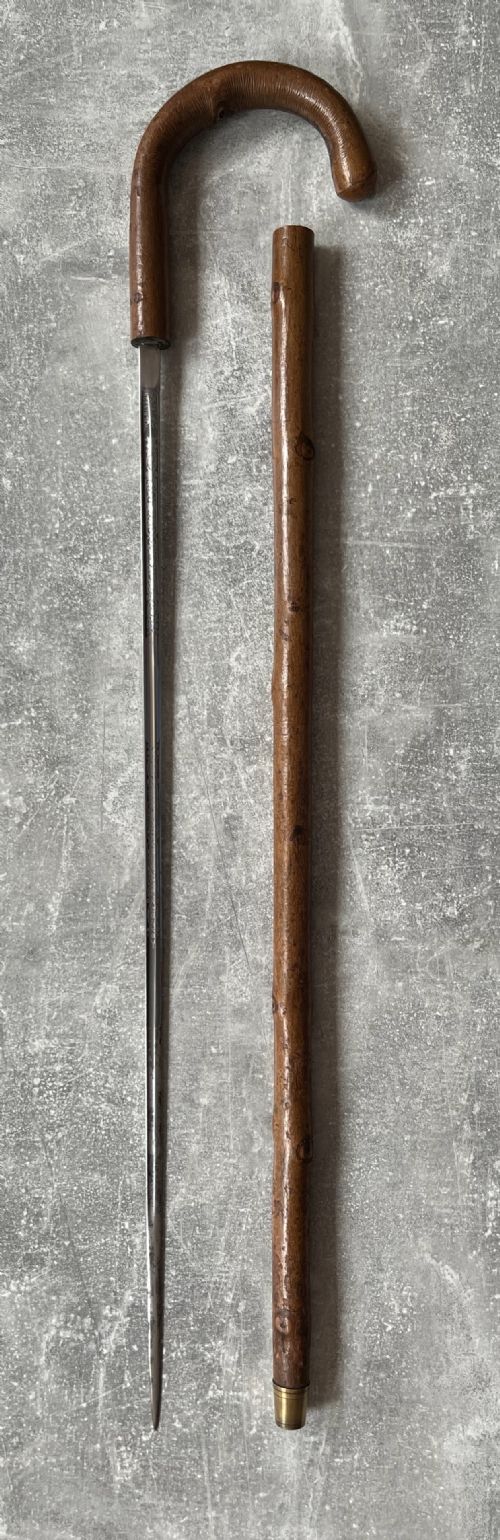
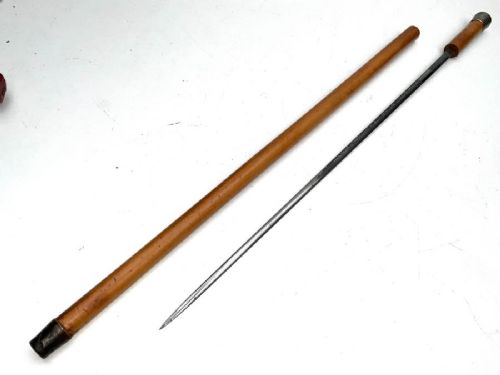
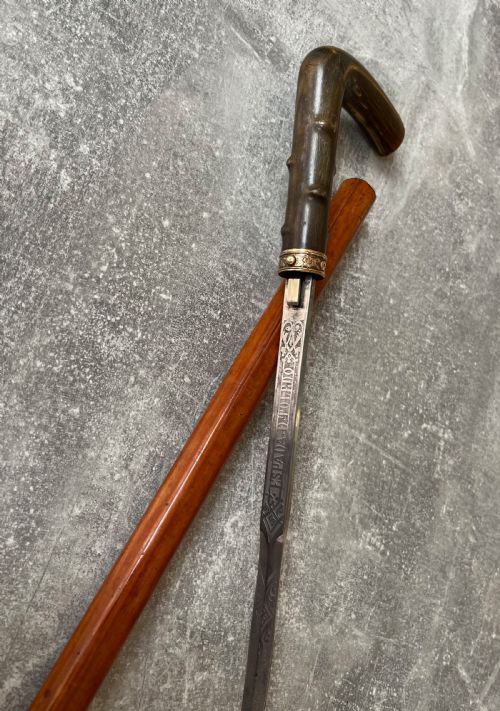
Most examples function as gentlemanly walking aids housing a sharp blade secured by a release mechanism. You encounter forms ranging from simple wooden shafts to heavily decorated military and masonic variations.
Origins stretch from British workshops to French makers, taking shapes such as crooked handles, horn grips, and root-ended shafts. The majority present traditional timber bodies paired with metal blades.
How they were made
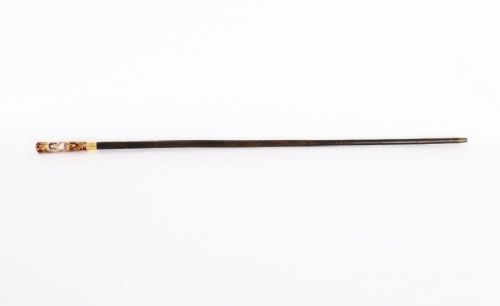
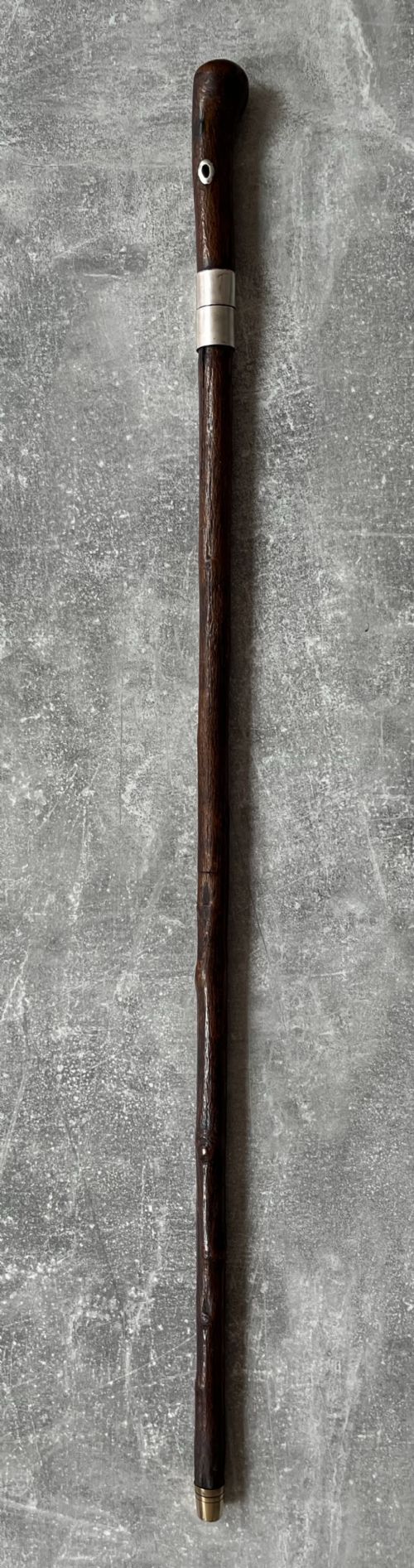
Craftsmen built the shafts using woods such as malacca, bamboo, partridge wood, hazel, and cherrywood, sometimes covering them in leather or ebonising the surface. Handles incorporated horn, bone, silver, and porcelain.
Blade construction relied on steel, frequently forged in Toledo or produced by Wilkinson, often featuring etched details and button release mechanisms. Mounts, collars, and knops utilised gold plate, silver, and brass.
Some gentlemen preferred a concealed blade tucked inside a walking stick topped with a porcelain Sevres handle.
What varies in quality
The distinction between standard walking aids and finer pieces rests on the origin of the blade and the quality of the handle mounts. Signed steel blades from known makers paired with solid silver collars or carved horn grips elevate an item.
Construction precision dictates the fit between the shaft and the enclosed blade, ensuring a seamless exterior line when closed. Details such as porcelain inserts, etched decoration on the steel, and specialised handles like horses' heads or masonic symbols mark out superior examples.
Brigg·Wilkinson·Sevres
The Vintage Concealed Sword Cane Glossary
- Toledo blade
- A steel blade originating from Toledo, Spain, known for strength and flexibility. These blades frequently appear in nineteenth-century and Edwardian walking sticks.
- Malacca cane
- A species of rattan cane featuring characteristic brown rings, utilised widely for walking stick shafts. It provides a sturdy yet lightweight body for concealed weapons.
- Knop
- A rounded knob or handle at the top of a walking stick. Materials range from horn and bone to silver and Sevres porcelain.
- Wilkinson blade
- A steel blade produced by the Wilkinson sword company. Collectors prize these for their documented maker heritage.
- Swagger stick
- A short walking stick carried by military officers. Some incorporate concealed blades for personal defence.
Vintage Concealed Sword Cane: Frequently Asked Questions
How do you open a sword cane?
Most pieces operate via a button release mechanism near the collar that unlatches the blade from the wooden shaft.
You pull the handle straight out to reveal the concealed steel.
What materials were used for handles?
Handles incorporate silver, horn, bone, carved wood, leather, and porcelain.
Craftsmen shaped these into crooks, root balls, and animal heads.
Are these items strictly military?
While military officers carried swagger sticks and regimental versions, many pieces served civilian gentlemen.
Masonic lodges and everyday gentlemen also commissioned concealed blade walking sticks.
How do you date a sword cane?
Dating relies on hallmarks on silver mounts, the style of the blade, and the timber used.
Victorian and Edwardian pieces often display specific handle motifs and manufacturing stamps.