



Silver Pommel Walking Stick
A silver pommel walking stick brings solid silver detail and sturdy timber together, offering both steady support and distinct character.
Silver Pommel Walking Stick
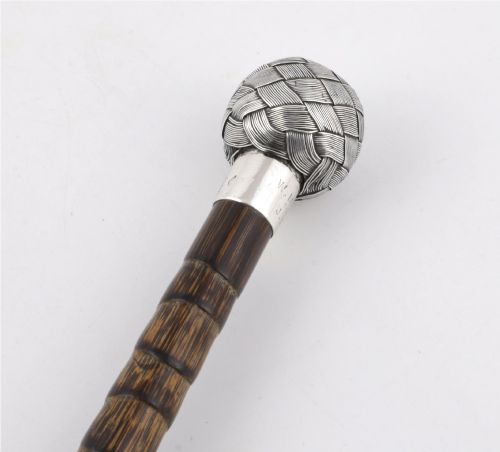
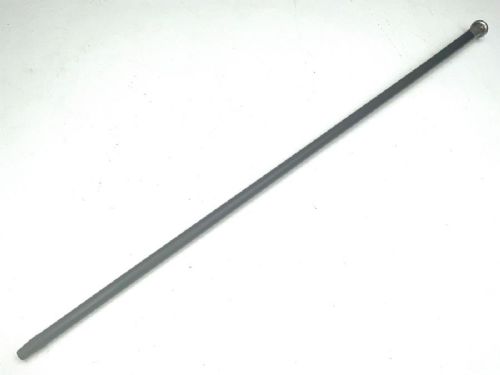
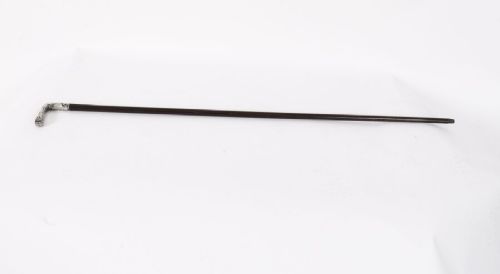
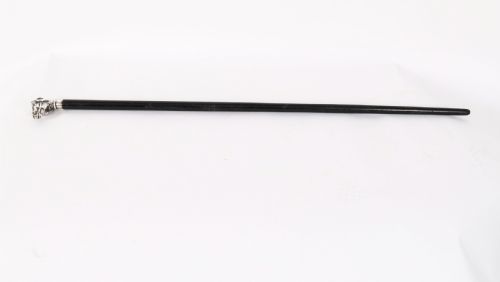
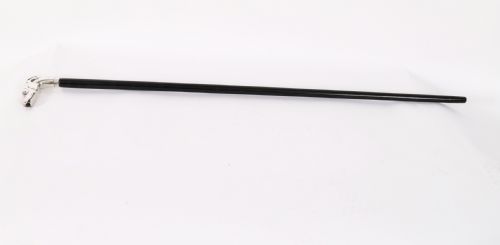
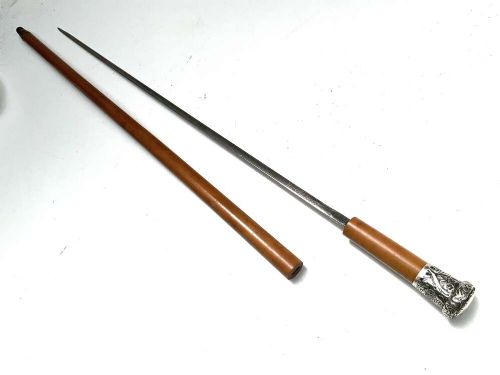
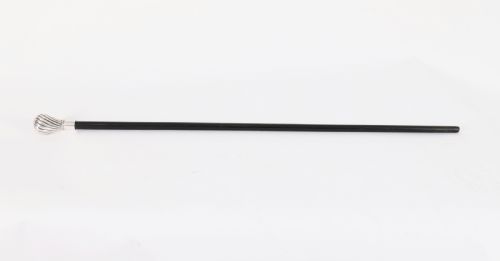
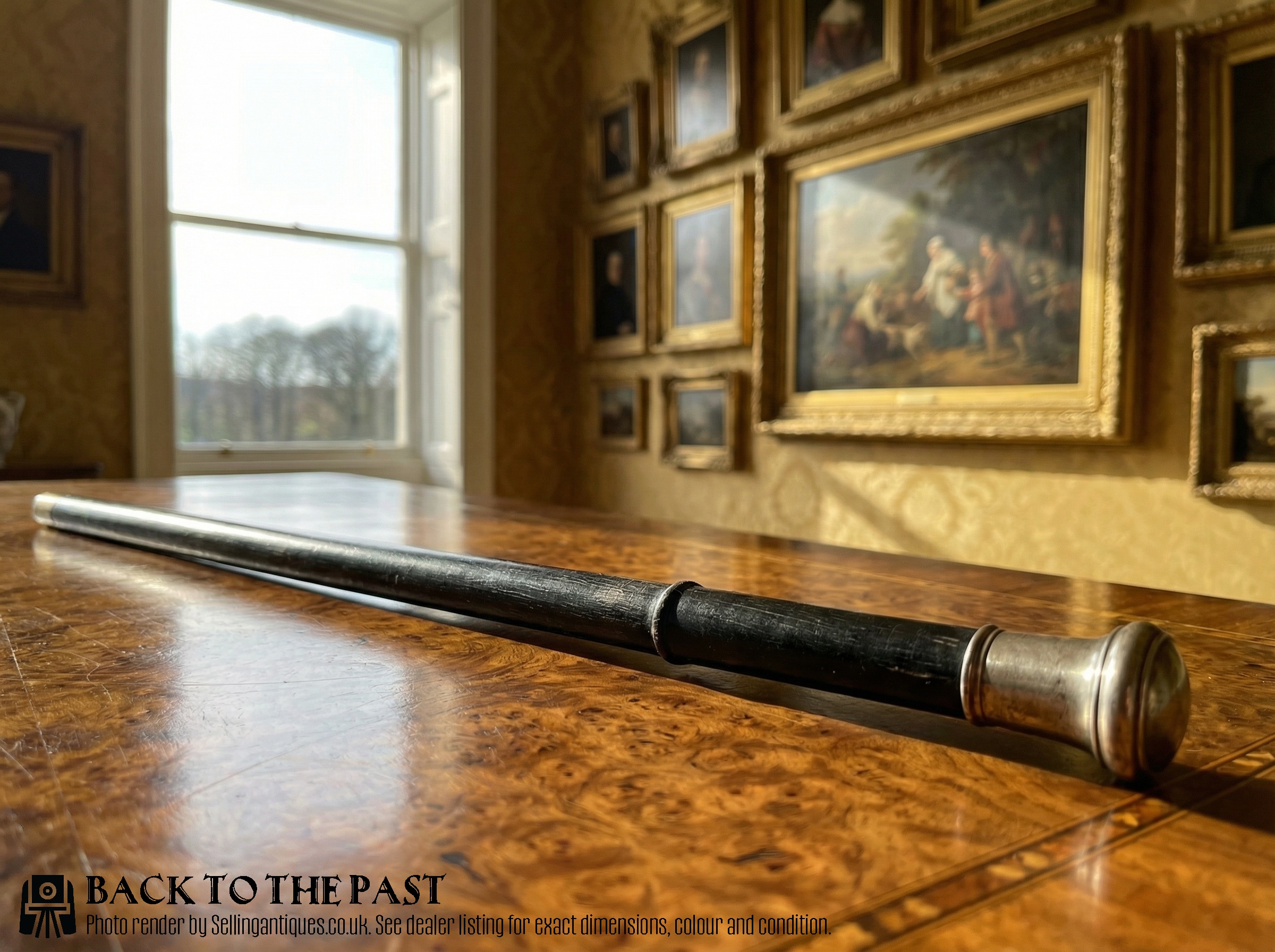
A silver pommel walking stick combines a functional timber shaft with a decorative metal top, designed for daily carriage or formal promenades. These pieces range from plain utilitarian shafts to ornate examples featuring animal heads or concealed blades.
The versions met most often on this page date from the nineteenth century through the Edwardian era, spanning Victorian, French, and military styles. Makers utilised diverse woods, pairing them with distinct silver mounts ranging from simple wire knots to sculpted figures.
Collectors encounter various formats, including standard walking canes, swagger sticks, and specialised pieces housing watches or blades. Each item reflects the social standing and personal taste of its original owner.
Materials and construction methods
Craftsmen shaped shafts from hardwoods, bamboo, ebonised wood, and snakewood, often selecting materials for natural straightness and resilience. These wooden lengths provide the structural backbone for every piece.
Silversmiths formed the pommels using casting, repoussé, and engraving techniques, attaching them securely to the wooden shafts. Sterling silver, silver-plated metal, and brass appear alongside steel components used in internal sword mechanisms.
Silver Pommel Walking Stick Retail Price Guide 2026
Typical asking prices for silver pommel walking stick among the pieces listed under this phrase on Sellingantiques today, from the lower quarter to the upper quarter. They describe what is for sale here now, not the wider market.
Shaft materials recorded include bamboo, snakewood, ebonised wood, and hardwood paired with silver, brass, and steel.
Quality factors in silver walking sticks
Quality rests heavily on the depth and skill of the silver work, distinguishing cast figural pommels like horses, greyhounds, and hares from plain metal tops. Detailed engraving and clear hallmarks elevate an individual piece.
The choice and preservation of the shaft material dictate overall durability and visual appeal. Dense hardwoods and well-finished bamboo command attention for their structural integrity and surface condition.
The Silver Pommel Walking Stick Glossary
- Pommel
- The decorative handle or knob fitted to the top of a walking stick. This metal cap provides a grip for the hand and often displays sculptural detail.
- Swagger stick
- A short military cane carried by officers as a symbol of authority rather than for physical support. These items frequently feature regimental markings or silver mounts.
- Ebonised wood
- Timber treated with a dark finish to mimic the appearance of ebony. This process gives the walking stick shaft a uniform black lustre.
- Sword stick
- A cane engineered with a concealed blade hidden inside the wooden shaft. A secure locking mechanism keeps the steel blade safely enclosed until drawn.
- Opera cane
- A specialised walking stick incorporating a functional timepiece within the handle structure. These unusual pieces allowed gentlemen to check the time discreetly.
Silver Pommel Walking Stick: Frequently Asked Questions
How do I date a silver walking stick?
Dating relies heavily on official hallmarks stamped into the silver pommel or band, which indicate the assay office and year of testing.
Style, construction methods, and materials also offer clues, aligning pieces with Victorian, Edwardian, or nineteenth-century manufacturing standards.
What is a swagger stick used for?
A swagger stick served as a badge of rank and discipline for military officers rather than a mobility aid.
Personnel carried them under the arm or in the hand during inspections and off-duty strolls.
Are sword sticks legal to own?
Regulations regarding concealed blades vary by jurisdiction, requiring buyers to check local legislation regarding possession and display.
Many historic examples function as collectible pieces of craftsmanship rather than items for daily carry.
How should I care for the wooden shaft?
Maintaining the timber involves keeping the stick away from excessive moisture and extreme temperature fluctuations that cause warping.
Applying microcrystalline wax helps preserve the finish of ebonised wood and hardwoods without harming the material.