


Carved Silver Handle Cane
A carved silver handle cane combines functional support with decorative novelty, offering collectors distinctive handles shaped like animals and birds.
Carved Silver Handle Cane
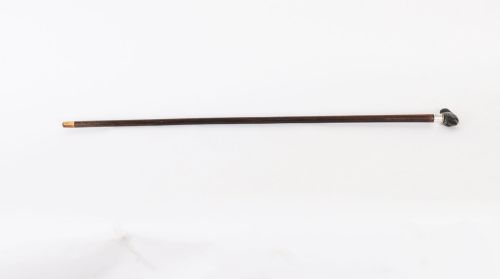
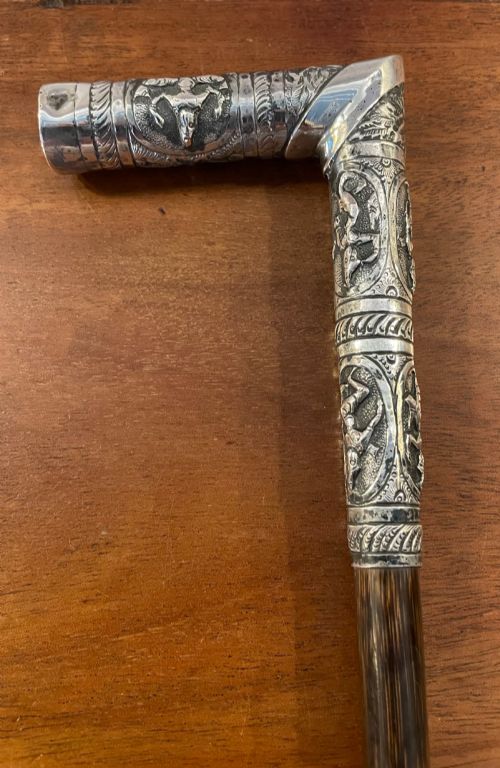
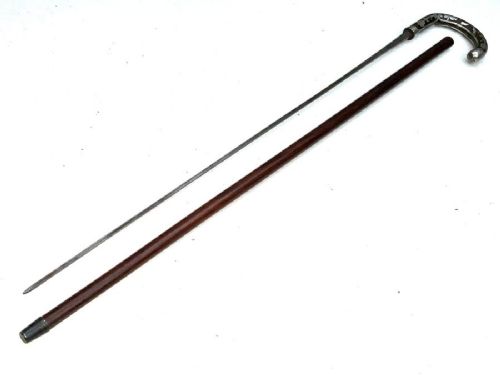
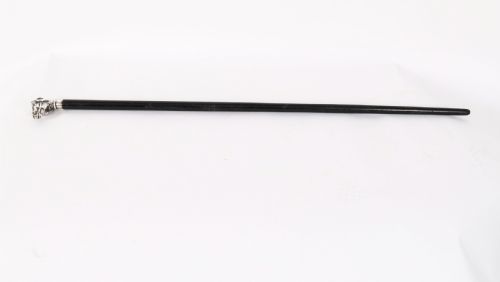
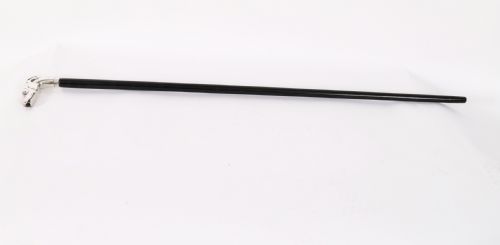
A carved silver handle cane serves as both a practical walking aid and a display of personal style, appearing across periods from the nineteenth century into the twentieth century. These pieces often take the form of walking sticks and sword sticks, featuring silver mounts alongside alternative materials.
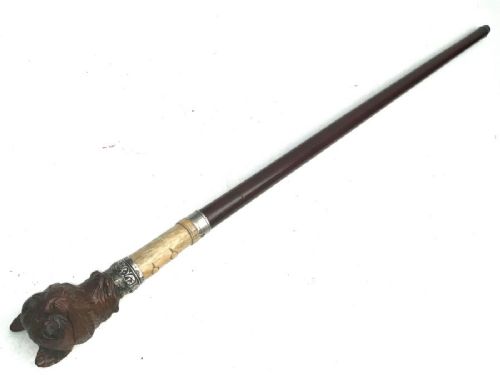
The handle forms vary widely, ranging from horses and greyhounds to parrots, hares, and golf clubs. Examples span Victorian, Edwardian, and Art Deco styles, alongside Asian export and 19th Century French origins.
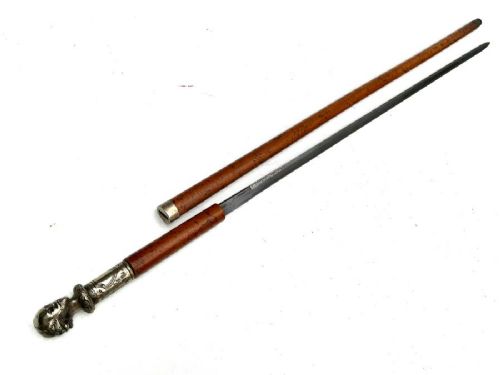
Most items on this page pair silver handles with shafts of wood, hardwood, bamboo, or ebonised wood. Some pieces incorporate hidden functional elements such as snuff boxes, corkscrews, or concealed blades.
Materials and construction methods
The silver handles are shaped through casting, embossing, or detailed carving to render animal and novelty motifs. These components are then mounted securely onto shafts formed from timber, bamboo, or horn.
Shafts utilise natural materials like bamboo and various hardwoods, frequently paired with steel for internal sword stick blades or structural reinforcement. Ebonised wood provides a smooth, dark finish on selected shafts.
Listings feature periods spanning from the early 19th century through the Edwardian era and the 1930s, using silver, bamboo, horn, and ebonised wood.
Distinctions in quality and execution
The definition and depth of the carving on the silver handle separate standard utilitarian items from finer examples of craftsmanship. Crisp details in animal subjects, such as horses, hounds, and birds, indicate superior artisan work.
The integration between the silver handle and the underlying shaft determines the overall balance and structural integrity of the cane. Superior pieces maintain a seamless fit and secure attachment across materials like bamboo, horn, and hardwood.
BRIGG
The Carved Silver Handle Cane Glossary
- Silver mount
- A fitted decorative or protective band of silver attached to the upper section of a cane shaft. This element secures the handle to the wood or bamboo beneath.
- Sword stick
- A walking cane containing a concealed steel blade within the shaft. These items typically feature a release mechanism hidden near the handle.
- Ebonised wood
- Timber treated with a dark finish to imitate ebony. This material provides a uniform contrast against bright silver handles.
- Asian export
- Items manufactured in Asian workshops specifically for Western markets. These pieces often combine traditional regional materials with European handle preferences.
- Novelty handle
- A handle carved into a recognisable figurative shape rather than a standard crook or knob. Common subjects include animals, birds, and sporting items.
Carved Silver Handle Cane: Frequently Asked Questions
What is a carved silver handle cane?
A carved silver handle cane is a walking stick featuring a decorative silver grip shaped as an animal, bird, or novelty object. These pieces combine practical support with sculptural detail.
Such items were carried by gentlemen and ladies as fashion accessories during the nineteenth and early twentieth centuries.
How do I identify a sword stick?
A sword stick conceals a steel blade inside the wooden or bamboo shaft. The handle acts as the grip for both the walking stick and the hidden blade.
These pieces often include a locking mechanism near the collar to keep the blade secure during use.
What materials are used for the shafts?
Shafts are constructed from various woods, including ebonised timber and assorted hardwoods. Bamboo and horn also appear frequently across the available selection.
Silver mounts and tips complete the construction of the cane.
How should I display a cane collection?
Canes are traditionally displayed upright in a dedicated umbrella stand or wall-mounted rack. This method supports the weight evenly and prevents warping of the shaft.
Keeping the pieces away from direct sunlight protects the natural wood and silver finishes.