

Vintage Wooden Cane
A vintage wooden cane offers practical support and distinct character, formed from various timbers and metals during the nineteenth and early twentieth centuries.
Vintage Wooden Cane
A vintage wooden cane encompasses walking sticks, sword sticks, and umbrella stands forged across the Victorian, Edwardian, and early twentieth-century periods. These items reflect the utilitarian and social requirements of past decades, utilising traditional turning and joining methods.
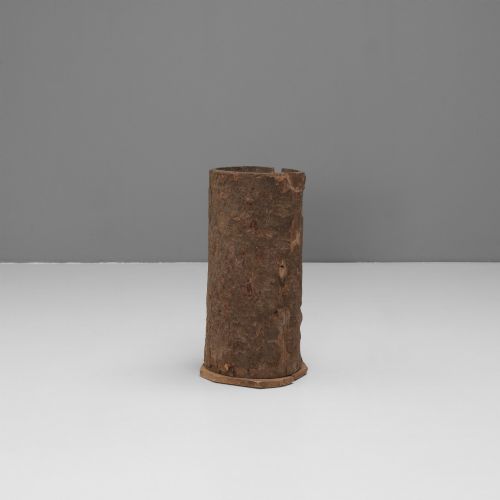
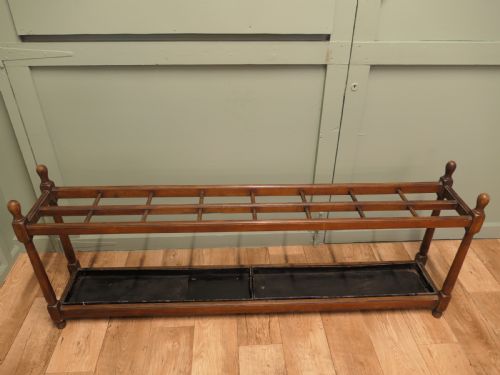
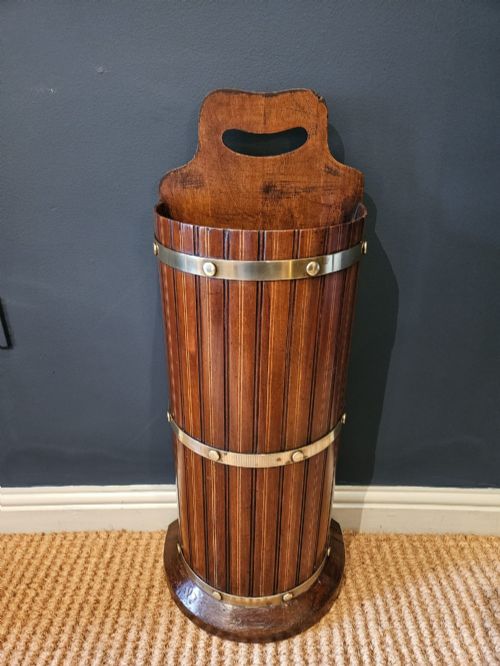
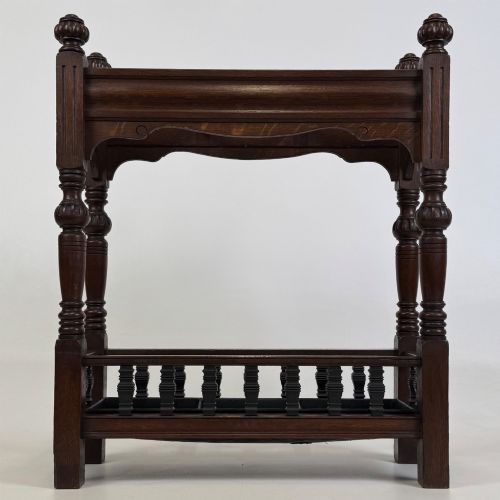
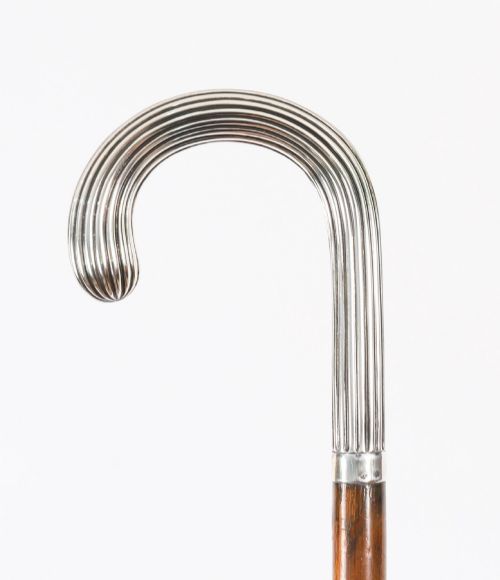
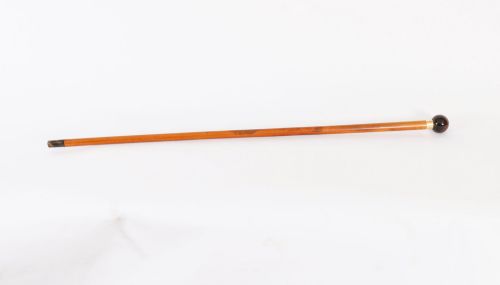
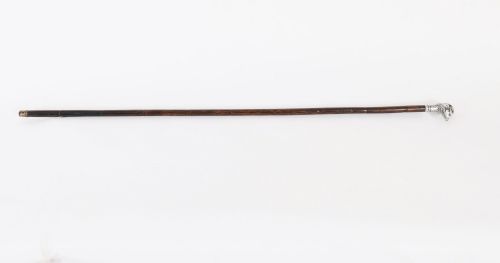
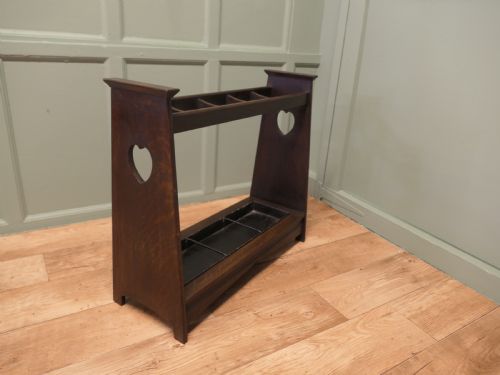
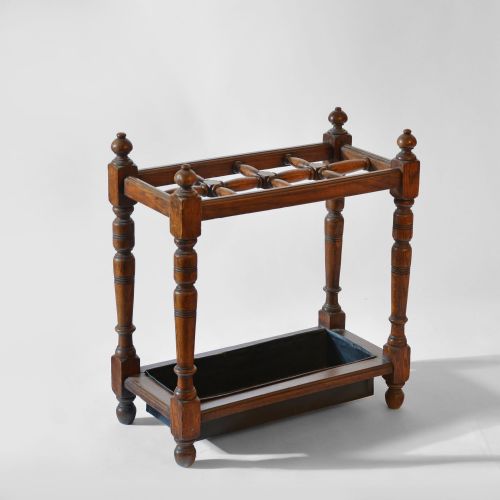
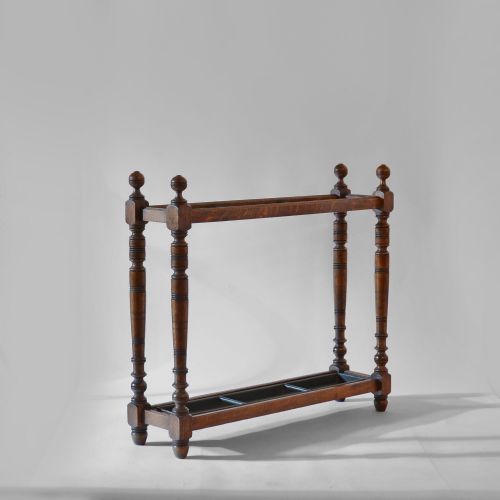
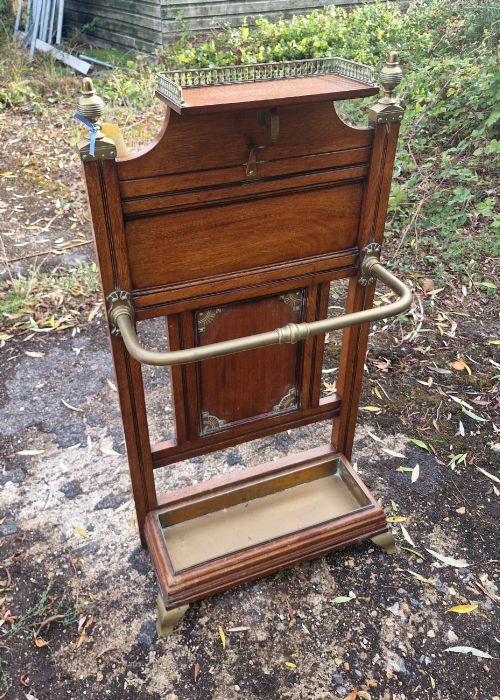
Walking sticks appear frequently, often fitted with silver pommels, duck head handles, or concealed blades, alongside hazel, partridge wood, and blackthorn shafts. Buyers also encounter umbrella and stick stands constructed from oak, pine, and beech.
The selection ranges from simple everyday supports to elaborately mounted gentleman's accessories and Masonic pieces. Each item demonstrates the prevalent styles of its decade, from Arts and Crafts simplicity to Art Nouveau curves.
Materials and Construction
Craftsmen utilised timbers such as oak, beech, cherrywood, and hazel to form the shafts and structural bodies of these items. Metal components, including brass, steel, silver, and gold pommels, were integrated for reinforcement and decoration.
Joining techniques relied on traditional wood-turning, metal banding, and secure mounts for handles and blades. Stands frequently incorporated original metal drip trays, whilst walking sticks joined handles to wooden shafts through fitted collars.
Several walking sticks double as secret blades, proving that Victorian gentlemen took their self-defence with a dash of theatrical flair.
Factors of Quality
The standard of a vintage wooden cane depends upon the selection of timber, the integrity of the joinery, and the precision of any metalwork. Superior examples display balanced weight, securely fitted handles, and well-preserved surface finishes.
Maker attribution and the refinement of decorative details, such as engraved silver pommels or specialised blades, elevate specific items above standard utility pieces. The presence of original hardware, including metal drip trays in stands, contributes to authenticity.
Thomas Johnson·Thonet·Heals of London·Liberty
The Vintage Wooden Cane Glossary
- Pommel
- The rounded knob or handle at the top of a walking stick or cane. It is often cast in silver, gold, or brass.
- Sword stick
- A walking cane designed with a concealed blade hidden inside the wooden shaft. These typically lock securely into place.
- Drip tray
- A metal base insert placed inside umbrella and stick stands to catch moisture from wet items. It protects the surrounding wooden floor or base.
Vintage Wooden Cane: Frequently Asked Questions
How do I date a walking stick?
Dating relies upon hallmarks on silver or gold mounts, stylistic indicators such as Art Nouveau curves, and construction methods. Hallmarks provide specific assay office years.
Material choices and prevailing design movements further narrow the decade of origin for unmarked pieces.
Are sword sticks legal to own?
Regulations regarding concealed blades vary by jurisdiction and often depend on the age and historical status of the item. Buyers should verify local laws concerning antique weapons.
Many examples function primarily as historical artefacts and gentleman's accessories from the Victorian era.
What woods were commonly used?
Common timbers include oak, beech, hazel, cherrywood, and partridge wood. Blackthorn also appears frequently in Irish walking sticks.
Selection depended on the intended strength, flexibility, and appearance of the final piece.
How should I maintain wooden cane stands?
Maintain stands by cleaning wooden surfaces with appropriate wax or polish and keeping metal drip trays dry. Avoid placing them in areas with extreme humidity fluctuations.
Regular care preserves the original finish and structural integrity of the oak or pine.