



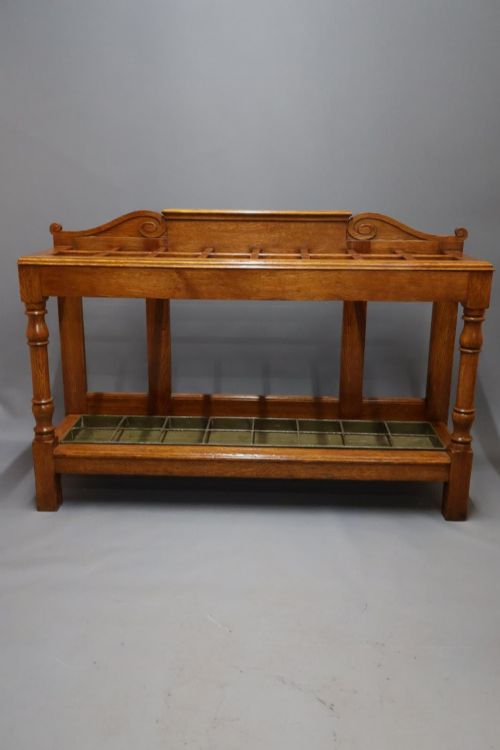
Traditional Walking Stick
A traditional walking stick offers dependable support and practical everyday utility, drawing on decades of classic craftsmanship from the Victorian and Edwardian eras.
Traditional Walking Stick
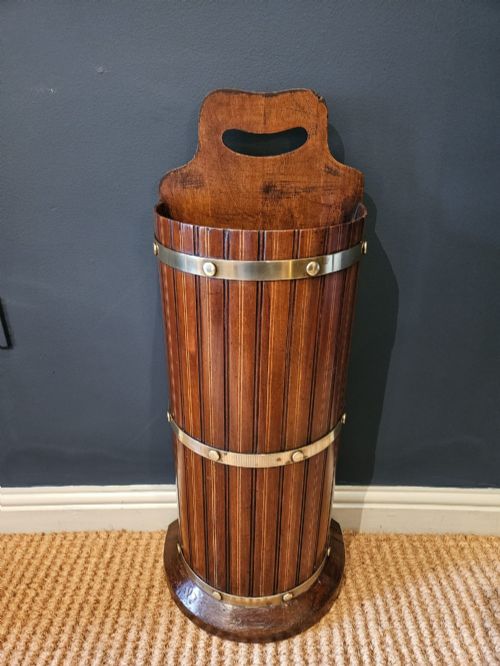
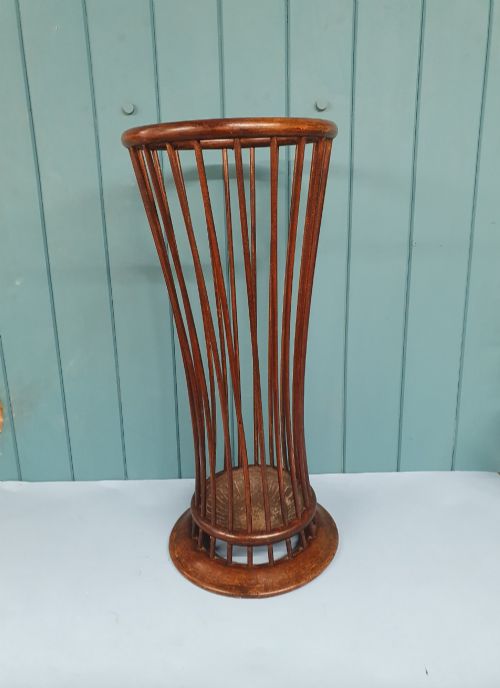
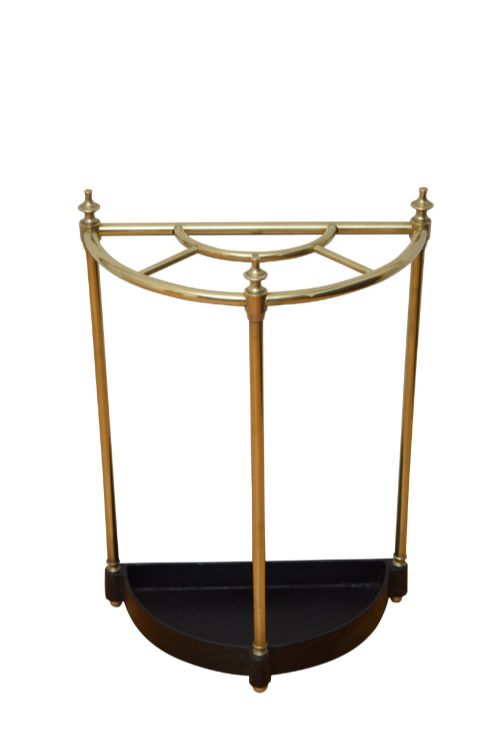
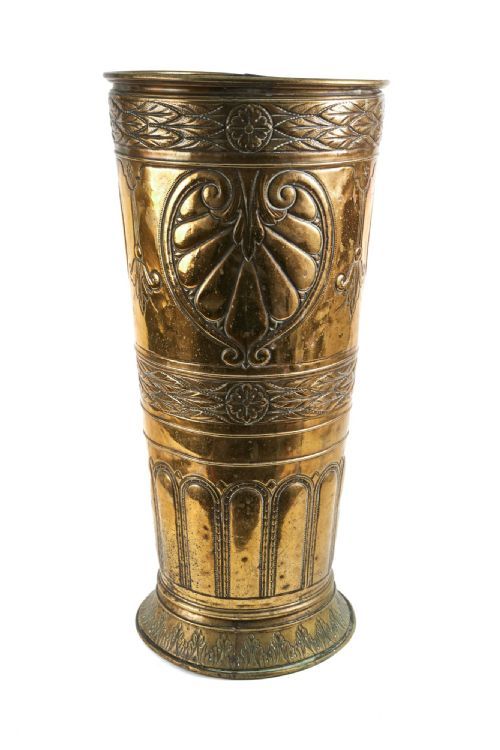
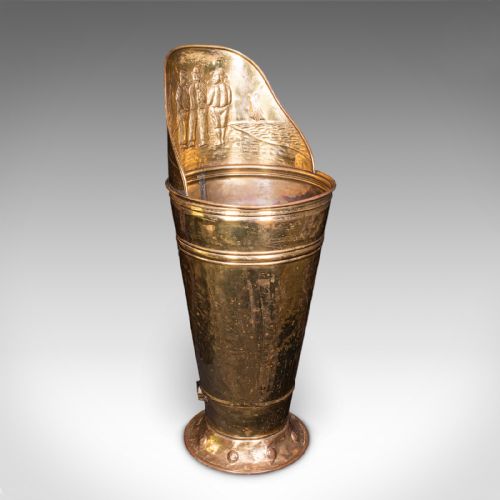
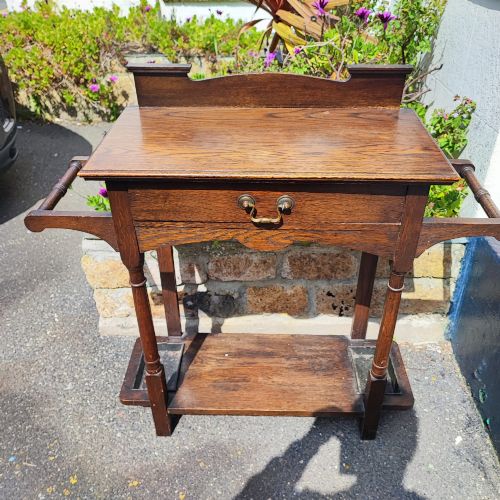
A traditional walking stick encompasses both the handheld canes carried for daily use and the sturdy hall furniture designed to hold them in the hallway. Buyers exploring this category encounter a diverse mix of handheld implements alongside oak, mahogany, and brass umbrella stands.
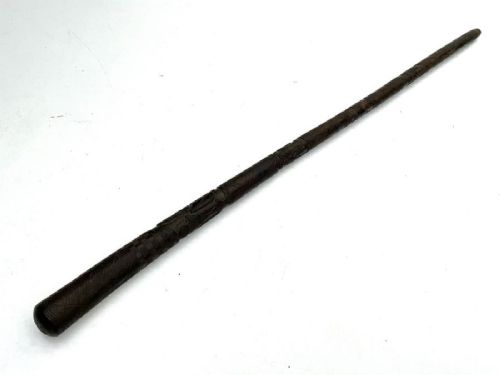
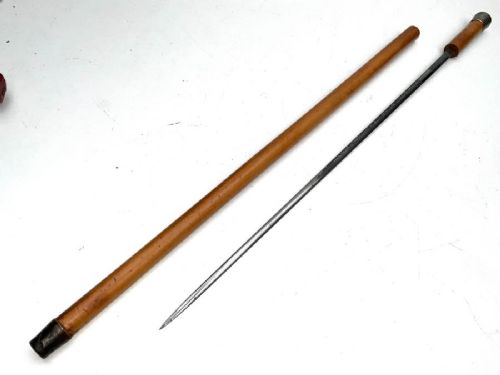
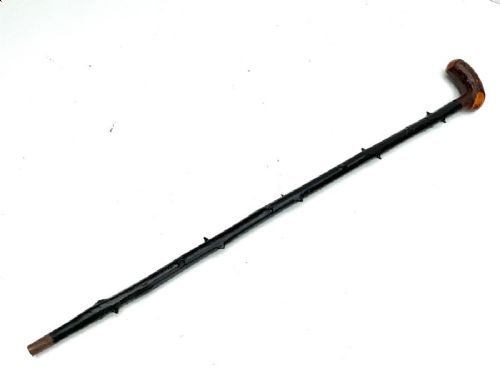
The selection ranges from simple natural wood forms and Irish blackthorn specimens to specialised items featuring concealed blades and silver mounts. Pieces originating from the late nineteenth century and the early twentieth century dominate the available selection.
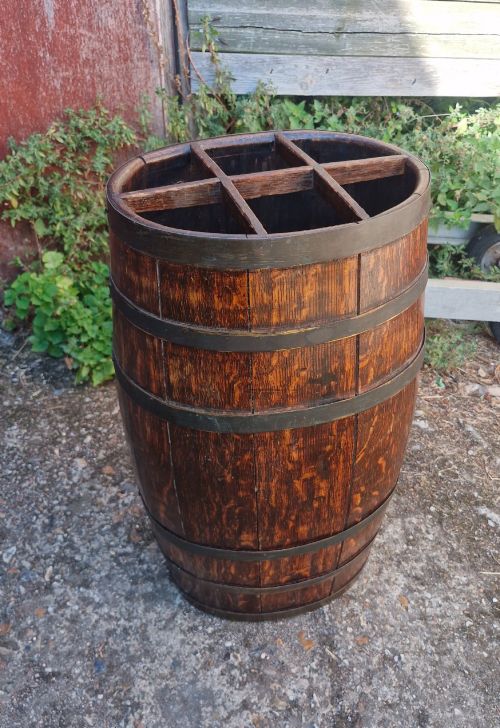
Domestic English country house styles sit alongside distinct regional variations, including Dutch coopered barrels and Japanese wooden bokken sticks. Each object reflects the practical requirements of period domestic life, whether positioned beside a front door or carried out on walks.
Materials and Construction
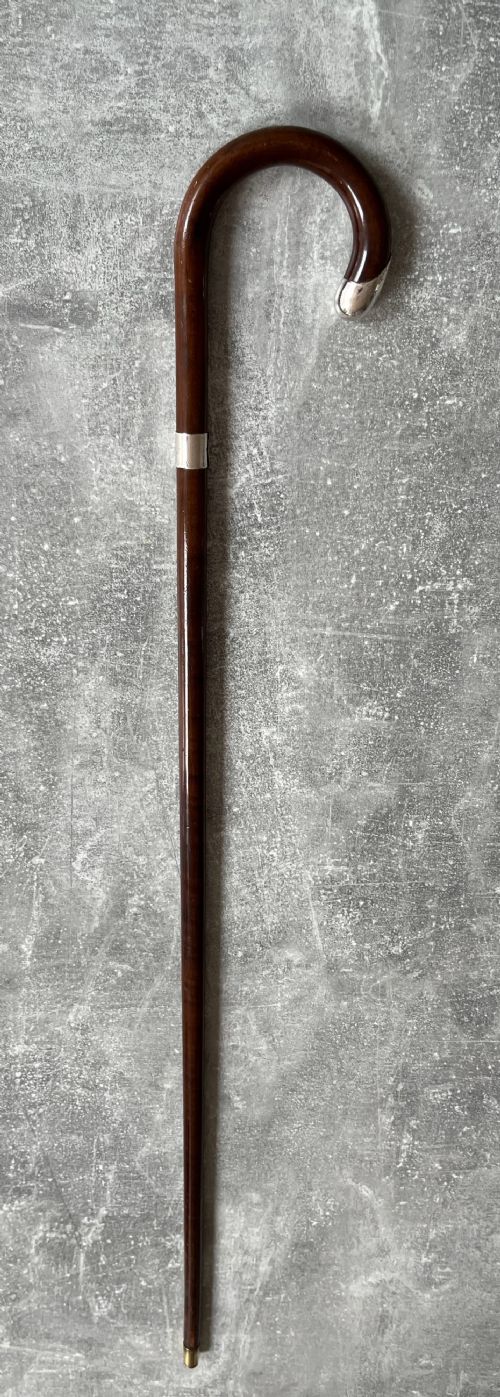
Makers utilised a variety of dense timbers, selecting oak and mahogany for heavy coopered barrel stands and hall furniture. Natural woods such as thorn, holly, and rosewood were shaped into handheld sticks, often incorporating horn, bone, or silver mounts for handles and collars.
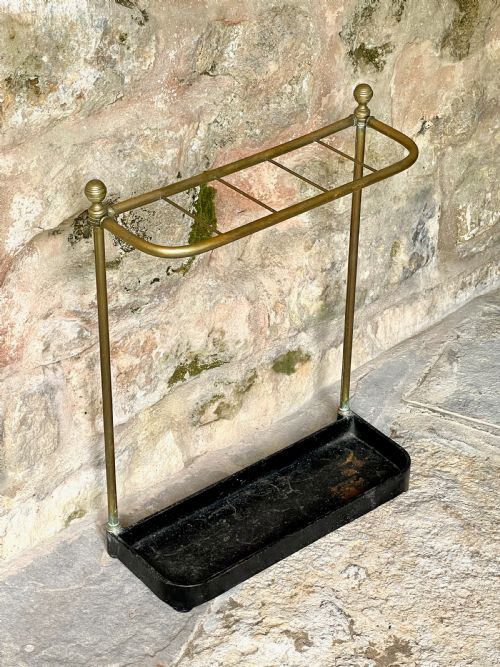
Metal components played a structural and decorative role, with brass bands securing wooden staves on barrel stands and cast iron providing heavy bases for stability. Original metal drip trays were frequently integrated into hall stands to catch moisture from wet umbrellas.
Joinery techniques ranged from traditional coopered barrel construction using wooden staves and metal hoops to carved natural forms retaining the original character of the branch. Polychrome finishes and specialised grips demonstrate the varied decorative approaches employed by period craftsmen.
Listings feature oak, mahogany, brass, and iron materials across Victorian, Edwardian, and nineteenth-century periods.
Evaluating Quality
Superior examples demonstrate integrity in their primary materials, such as well-figured oak, rich mahogany, or properly seasoned natural woods that have retained their structural strength. The weight and gauge of the brass mounts or metal bands distinguish more substantial pieces from lighter alternatives.
Execution of detail defines the upper tier of the range, visible in the neatness of coopered staves, the tightness of silver mounts, and the preservation of original metal drip trays in hall stands. Handcrafted touches, such as carved grips or intricate mounts, separate standard utility items from finer decorative pieces.
The Traditional Walking Stick Glossary
- Coopered
- Constructed from wooden staves bound together with metal hoops, much like a traditional barrel. This technique is frequently seen in nineteenth-century umbrella and stick stands.
- Silver Mount
- A decorative or reinforcing band of silver fitted to the handle or shaft of a walking stick. These mounts often bear hallmarks indicating the assay office and date.
- Drip Tray
- A removable metal tray positioned at the base of a hall stand to catch water from wet umbrellas and walking sticks. Original trays add significant authenticity to period furniture.
- Blackthorn
- A dense, tough wood traditionally used for Irish walking sticks and shillelaghs, recognizable by its knotty surface and natural thorns. It provides exceptional strength and a distinctive rustic appearance.
Traditional Walking Stick: Frequently Asked Questions
What is a traditional walking stick?
A traditional walking stick is a handheld wooden or metal implement used for outdoor support or formal carriage during the Victorian and Edwardian periods. These pieces often feature specialised handles, silver mounts, or concealed elements.
Alongside handheld canes, the category includes the hall furniture and barrel stands designed to store them in a domestic entranceway.
How do I date a stick stand?
Dating a stick stand involves examining the primary timbers, construction methods, and hardware such as brass bands or cast iron elements. Victorian and Edwardian pieces frequently utilise solid oak or mahogany with coopered stave construction.
The presence of original metal drip trays and regional stylistic cues, such as Arts and Crafts influences, also helps narrow down the period.
What woods were used for walking sticks?
Makers utilised a range of natural and domestic timbers depending on the desired strength and appearance of the stick. Oak, mahogany, rosewood, holly, and thorn were common choices for shafts.
Specialised woods like Irish blackthorn provided natural heft and rustic character, while added elements of horn and bone formed the handles.
How were umbrella stands used?
Umbrella and stick stands were positioned in hallways and entrance passages of period homes to keep wet walking aids and umbrellas organised. They protected flooring from moisture while keeping outdoor accessories close to the front door.
Many incorporated internal metal trays to catch water, ensuring the surrounding wooden barrels or brass frames remained protected.