


Edwardian Gentleman Walking Stick
An edwardian gentleman walking stick is a functional support and formal accessory that completes period attire with understated elegance.
Edwardian Gentleman Walking Stick
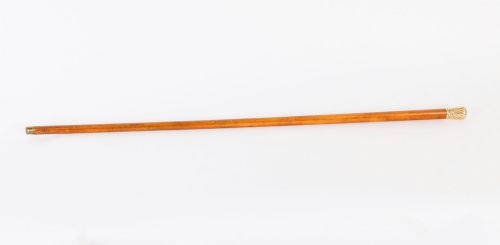
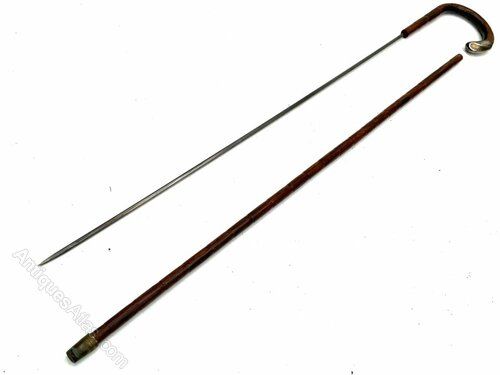
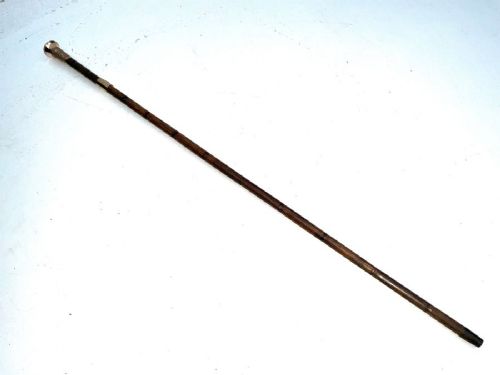
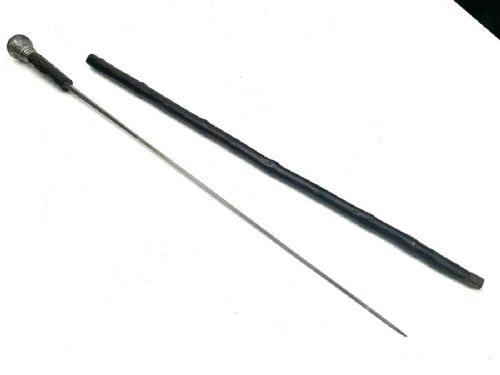
The edwardian gentleman walking stick encompasses both standard canes and concealed blade variants intended for daily carriage. Common timber shafts include malacca, partridge wood, holly wood, rosewood, and bamboo.
Handles range from plain natural forms and horn to silver collars, silver horse head mounts, and gold pommels. Many examples date from the Edwardian era, alongside pieces originating in the Victorian period and the early twentieth century.
Specialised iterations on this page include Masonic items and golf club shapes. Shorter accessories and substantial military canes also appear alongside umbrella stands designed for hallway display.
Materials and Technique
Makers shaped natural timbers and hardwoods into straight shafts, sometimes pairing them with steel blades for sword sticks. Metal mounts in silver, gold, brass, and steel reinforced the grips and collars.
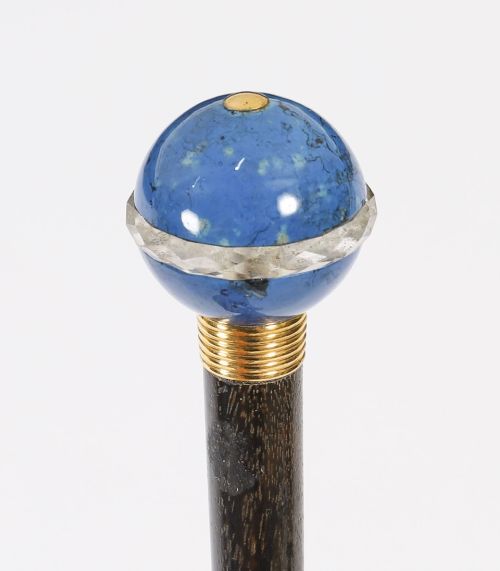
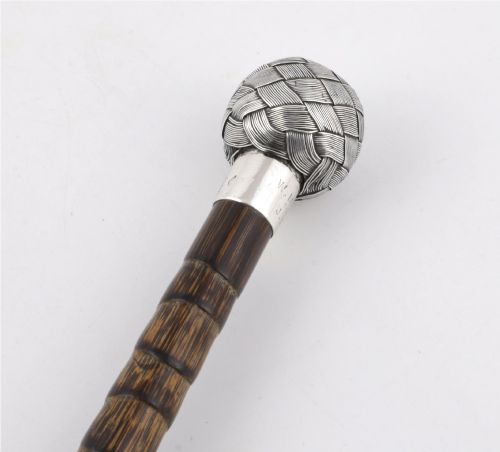
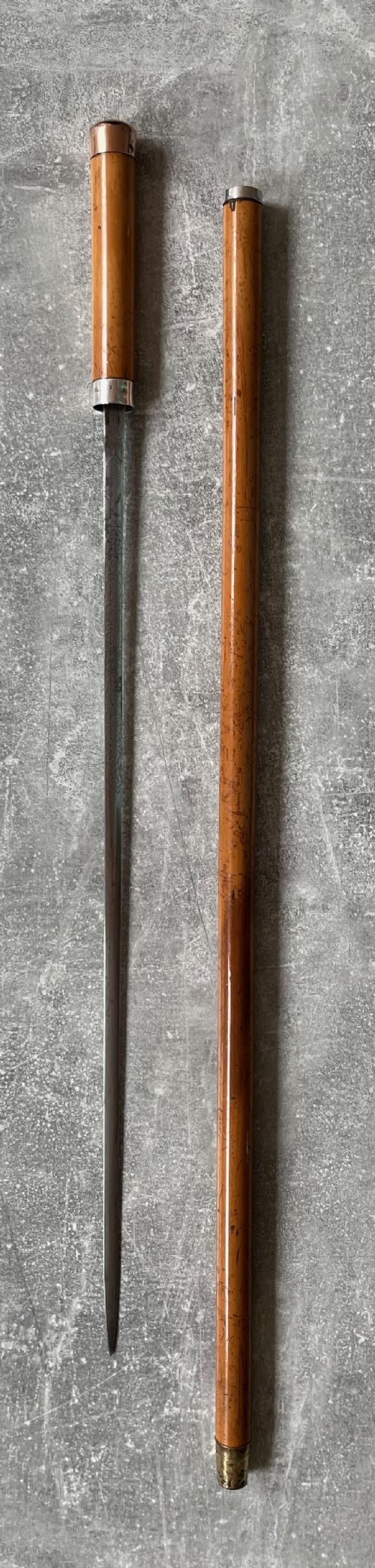
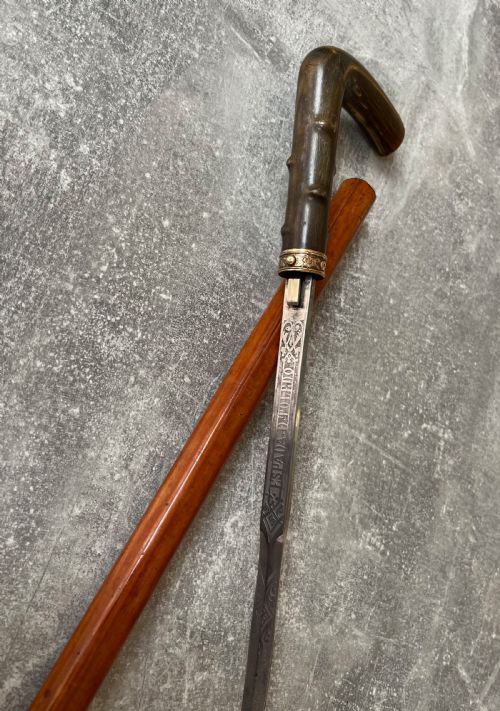
Handles utilised horn, lapis lazuli, antler, and precious metals, often secured with intricate silver wire knots. Blades featured etched Toledo or Wilkinson steel fitted with button release mechanisms.
Distinctions in Execution
Quality rests upon the selection of materials, from simple natural wood to heavy gold pommels and lapis lazuli handles. Superior specimens display refined craftsmanship in silver wire work and balanced proportions.
Blade quality distinguishes utilitarian items from high-grade sword sticks carrying etched Toledo or Wilkinson steel. The integration of button release mechanisms and precious metal mounts separates standard canes from finer examples.
Briggs·Wilkinson
The Edwardian Gentleman Walking Stick Glossary
- Pommel
- The rounded handle or decorative knob at the top of a walking stick. Gold and silver versions provided a display of status for the owner.
- Sword stick
- A walking cane containing a concealed steel blade within the wooden shaft. Button release mechanisms frequently secured the blade.
- Malacca
- A prized speckled rattan cane used for walking stick shafts. It offered both flexibility and resilience during daily use.
- Collar
- A metal band, often silver or brass, fitted beneath the handle of a walking stick. It strengthened the timber joint where the grip met the shaft.
Edwardian Gentleman Walking Stick: Frequently Asked Questions
How do I identify a sword stick?
A sword stick conceals a steel blade inside the wooden shaft, usually released via a small button mechanism. The join between the handle and shaft is often disguised by a silver or brass collar.
Blades may bear maker signatures or etching from Toledo workshops. The overall weight is typically balanced differently from a standard hollow or solid cane.
What materials were used for handles?
Handles on these canes were fashioned from horn, antler, lapis lazuli, and natural root formations. Precious metals including gold and silver appeared as solid pommels or decorative wire work.
Selection depended on the owner's taste and budget. Plain wooden grips and natural forms also served daily walking needs.
How are periods distinguished?
Periods are identified through hallmarks, material styles, and construction techniques associated with the nineteenth and early twentieth centuries. Edwardian pieces sit alongside Victorian items and slightly later examples up to the nineteen-thirties.
Design details such as silver wire knotting and specific blade etchings offer further clues to the date of manufacture.