
Vintage Station Wall Clock
A vintage station wall clock brings industrial utility and clear-dial legibility straight from the platform into the home.
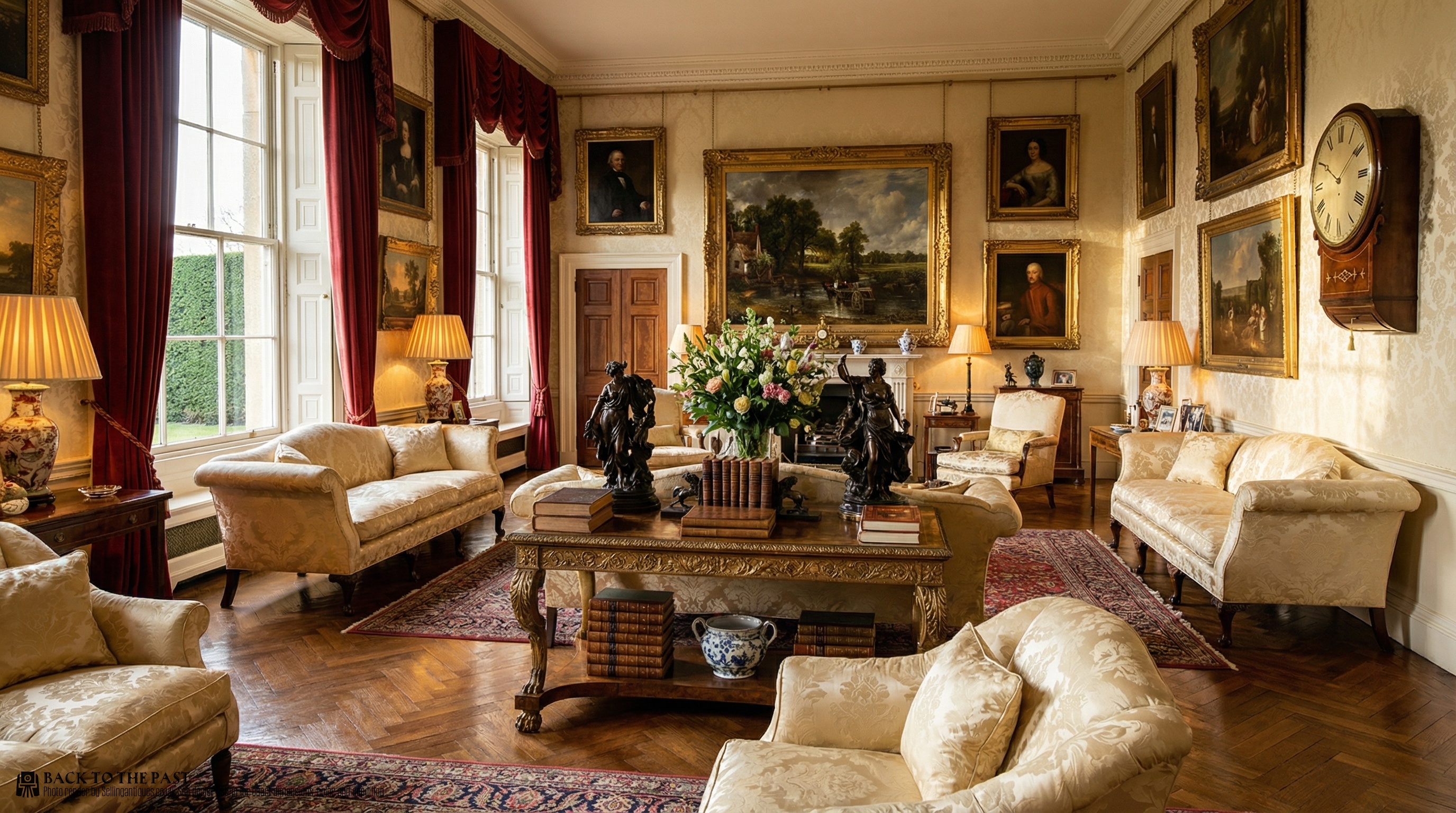
What these pieces are
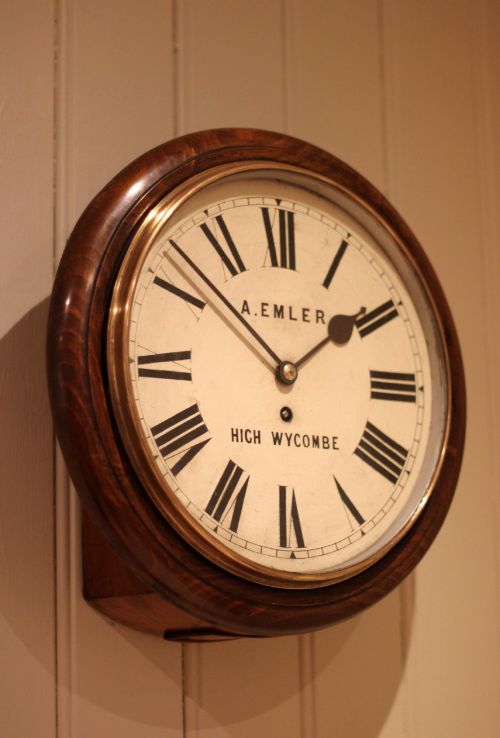
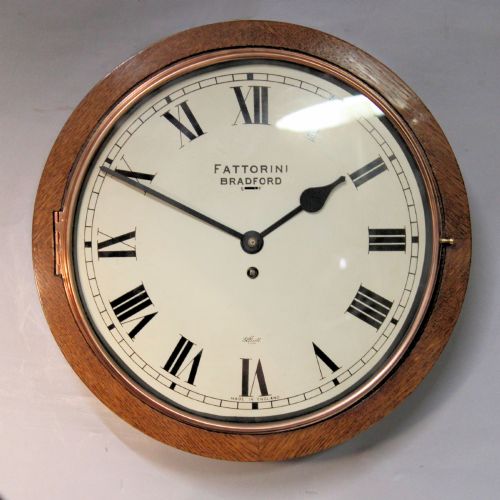
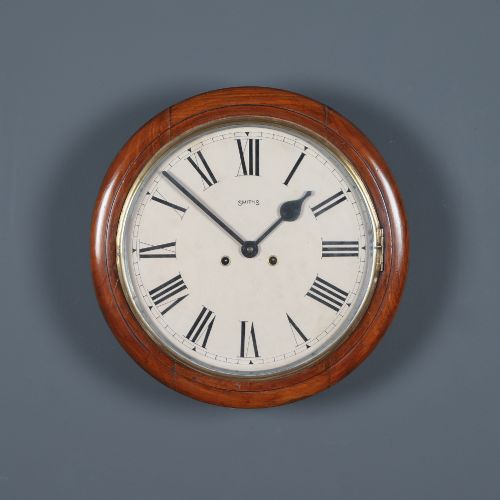
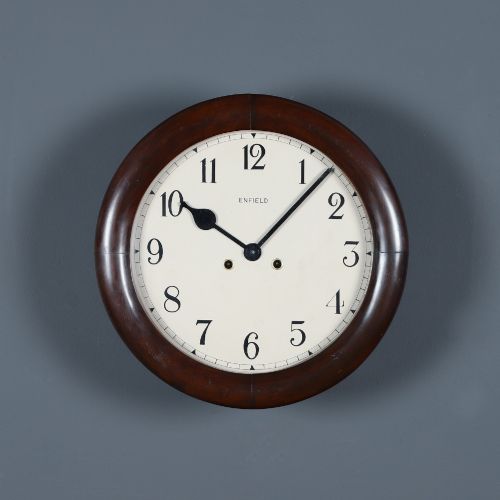
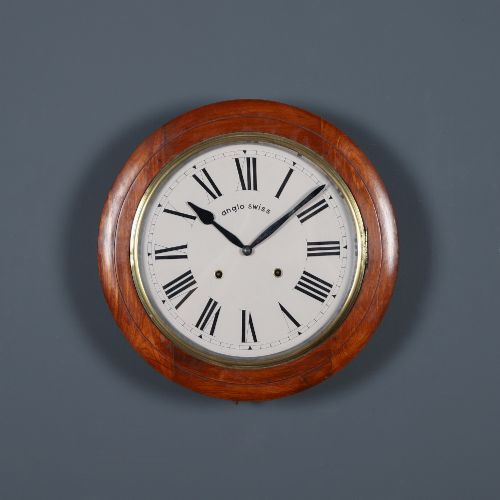
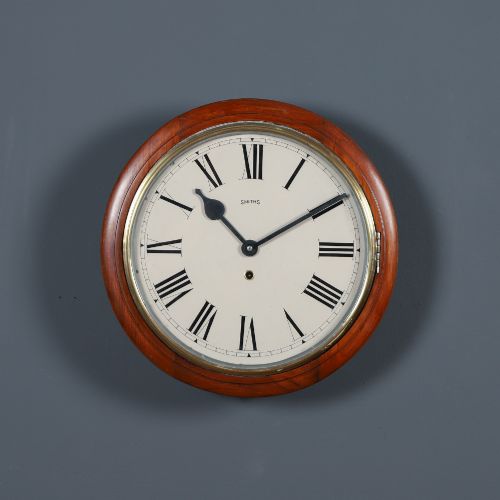
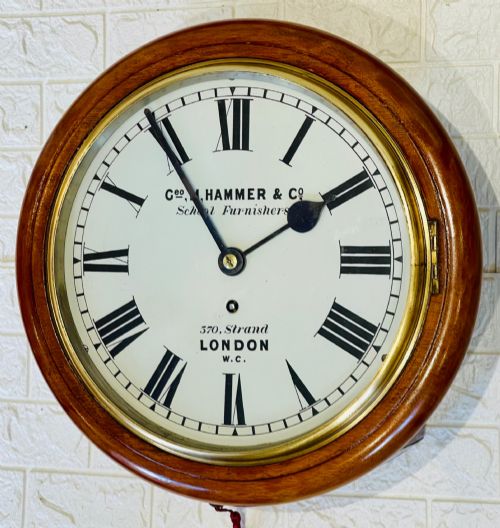
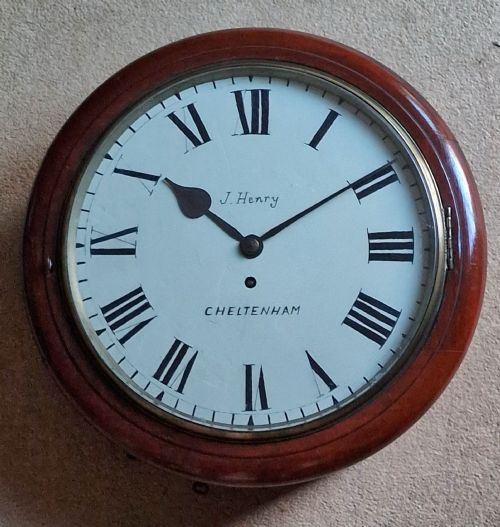
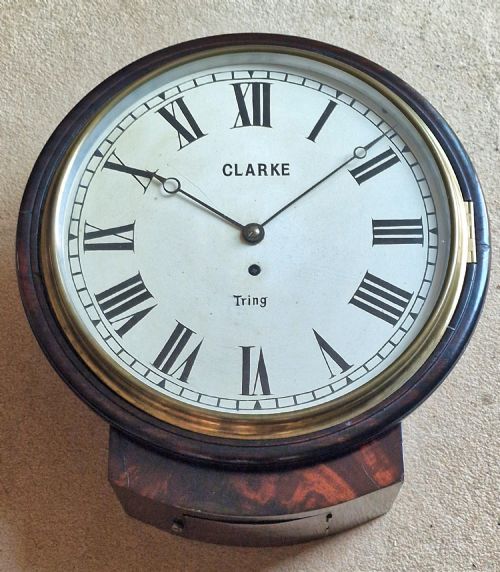
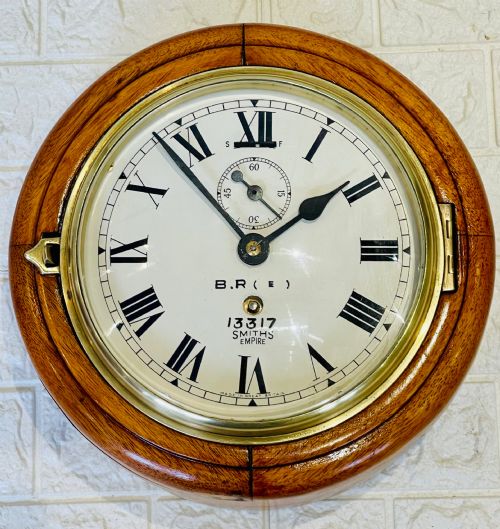
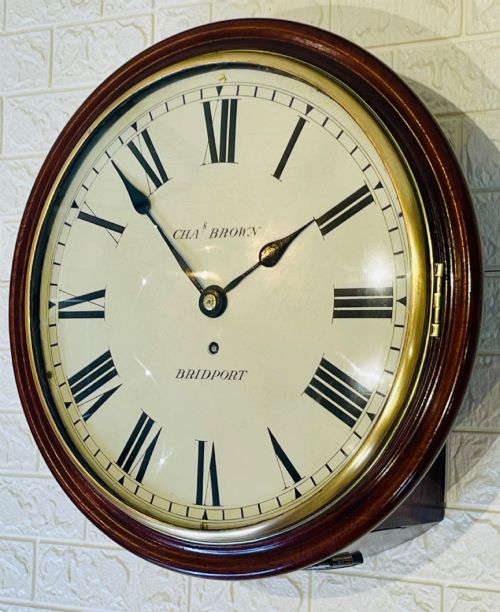
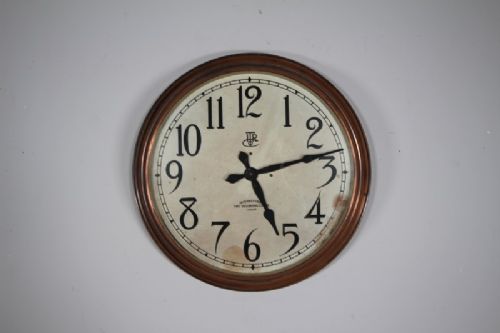
A vintage station wall clock is fundamentally a robust timekeeper designed for public spaces, offices, and transport hubs. These round dial wall clocks emerge from diverse eras including the Georgian, Victorian, and mid-twentieth-century periods. The selection ranges from early fusee movements to later electric models such as the Smiths Sectric.
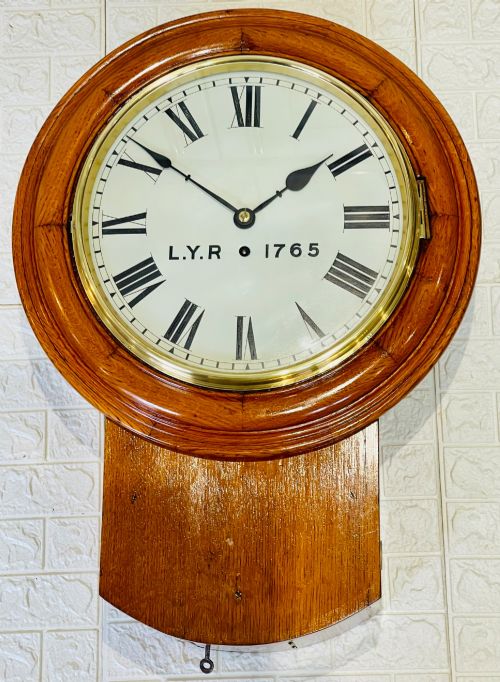
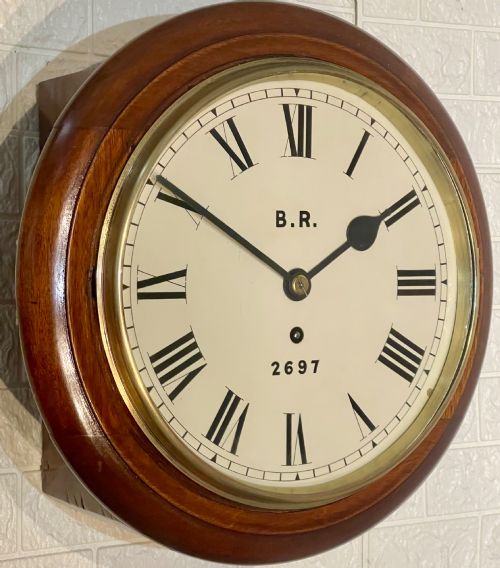
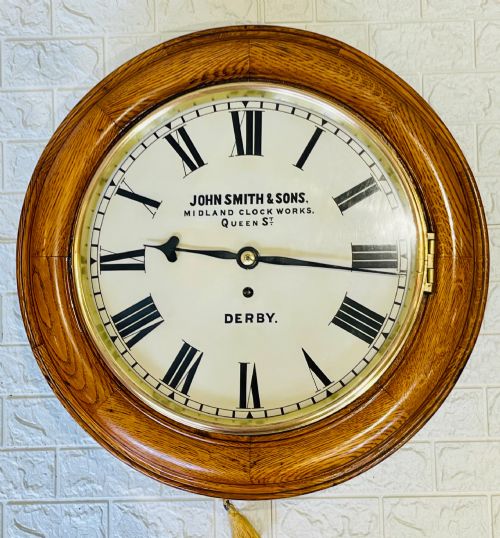
Buyers encounter specialised iterations originally built for specific operations, including railway stations, schools, hospitals, and post offices. These pieces typically present substantial diameters, often stretching from eight inches up to fifteen inches or more for clear viewing across large rooms. Mahogany cases, iron surrounds, and brass bezels dominate the structural forms across the listed inventory.
How they were made
Case construction relies heavily on turned timber surrounds, utilising rich timbers like mahogany alongside industrial metals and painted iron. Smiths and other makers housed their mechanisms securely behind thick protective glass and hinged brass or metal bezels. Dials are frequently painted enamel with bold Roman or Arabic numerals designed for maximum legibility from a distance.
Movement technology shifts between traditional fusee mechanisms found in Georgian and Victorian examples and later twentieth-century configurations. Early pieces depend on weight-driven or spring-driven fusee systems to maintain steady tension across the power reserve, while subsequent decades introduce electric and synchronous movements.
Retail Price Guide 2026
Typical UK retail prices for vintage station wall clock, calculated from the Sellingantiques database of over a million retail prices indexed since 2003. This retail price guide relies exclusively on Sellingantiques data; no external sources or auction records are used, so the figures do not describe the wider market.
Hospital walls once watched the seconds tick by on large electric Smiths clocks while stationmasters checked railway departures.
What varies in quality
Quality rests significantly in the pedigree of the movement and the integrity of the original case timbers. A fusee dial clock by a documented maker carries greater mechanical complexity than a standard mass-produced institutional timekeeper. The crispness of the painted dial lettering and the preservation of original brass bezels further distinguish superior examples.
Proportion and historical context also dictate the standing of a particular piece within the range. Clocks retaining specific institutional associations, such as named railway or post office connections, demonstrate the utilitarian provenance that collectors prize.
Smiths·John Walker·Sansom
The Vintage Station Wall Clock Glossary
- Fusee
- A conical pulley used in older clock movements to maintain even tension on the chain as the mainspring unwinds. This mechanical device ensures consistent timekeeping accuracy throughout the running period.
- Dial clock
- A wall-mounted timepiece featuring a prominent circular face and a compact wooden or metal trunk housing the movement. They were standard fixtures in public buildings and offices.
- Timepiece
- A clock that indicates the time without including a striking or chiming mechanism. This simpler mechanical arrangement reduces internal wear.
- Trunk dial
- A clock variation featuring an extended wooden case beneath the circular dial to accommodate the drop of the pendulum or the weight system.
Frequently Asked Questions
What is a fusee movement?
A fusee movement uses a conical pulley to equalize the power of the mainspring as it winds down. This ensures the clock maintains steady accuracy.
Such mechanisms are typical in older British timepieces from the Georgian and Victorian eras.
Where were station wall clocks used?
These timepieces originally governed schedules in public and institutional environments such as railway stations, post offices, schools, and hospitals. Their clear painted dials ensured workers and travellers could read the time from across a busy room.
Today, their utilitarian aesthetic suits domestic hallways and kitchens.
How do I date a dial clock?
Dating relies on examining the case timber, the style of the dial lettering, and the mechanical movement. Georgian and Victorian examples often feature fusee movements and deep mahogany trunk cases.
Later twentieth-century iterations from makers like Smiths introduce electric movements and industrial metal surrounds.