


Vintage Dog Figurine
A vintage dog figurine captures the character of hounds and pets across centuries through bronze, earthenware, porcelain and terracotta.
Vintage Dog Figurine
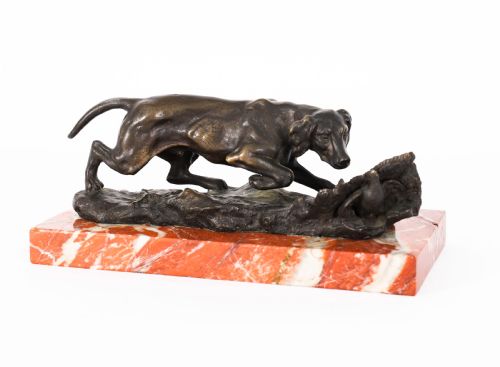
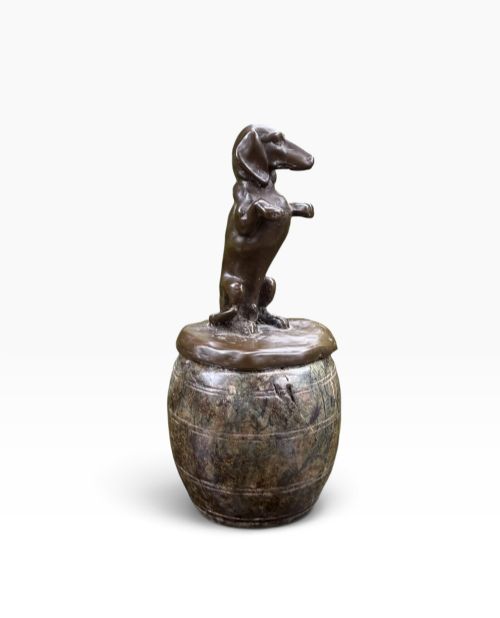
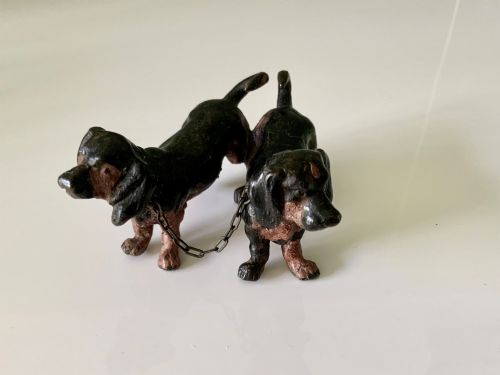
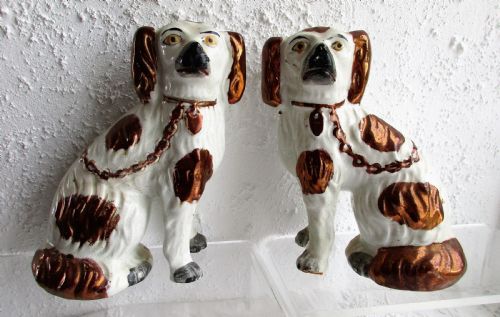
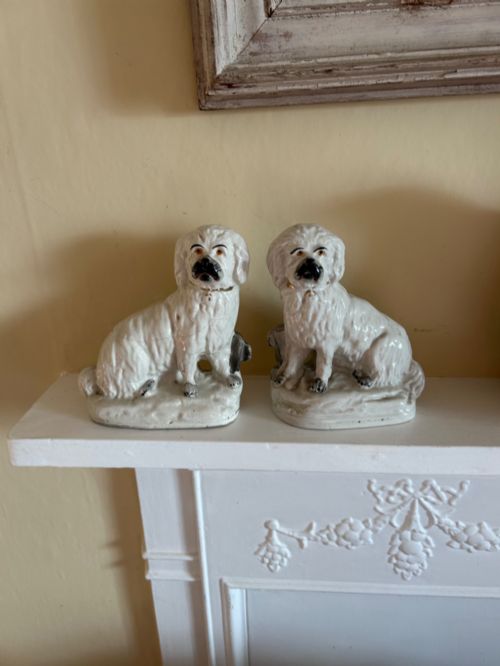
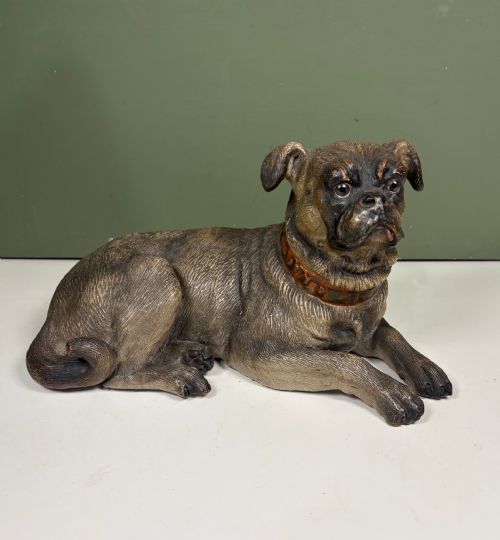
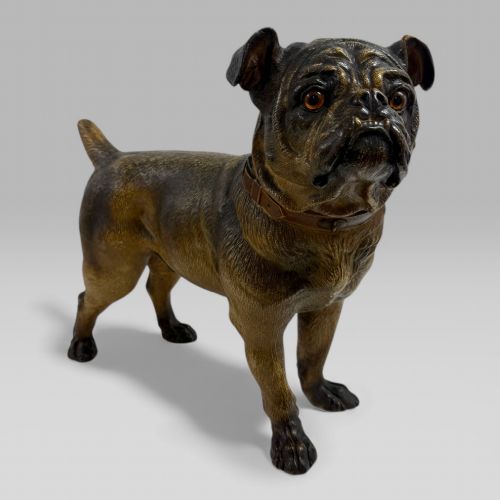
When you search for a vintage dog figurine, you encounter sculptural studies and decorative ornaments spanning the nineteenth century into the art deco period. The selections here include everything from Staffordshire pottery spaniels and greyhounds made for the mantelpiece to cold painted Austrian bronze pugs and dachshunds.
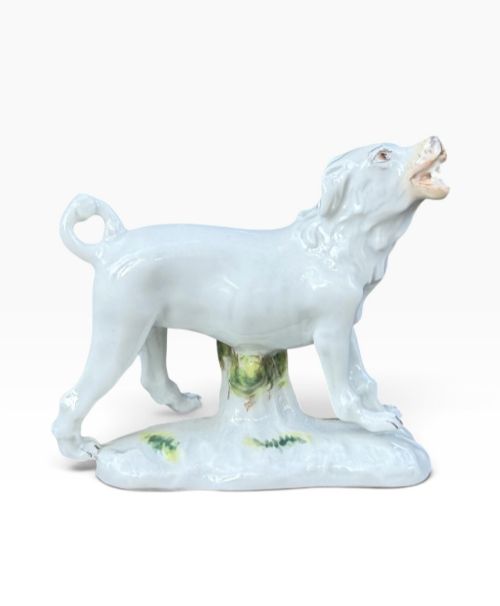
You meet both English earthenware figures and continental porcelain pieces from factories such as Meissen, Derby and Rosenthal alongside bronze animalier works. Formats range from miniature poodles and pairs of comforter spaniels to life-size terracotta pug sculptures and table lamps.
The origins stretch from British potteries and French ateliers to Austrian foundries and Japanese workshops. Animalier bronzes and Staffordshire pairs dominate the selection, offering domestic companions and hunting breeds modelled with varied realism.
How they were made
Pottery figures rely on moulded earthenware, terracotta or porcelain, finished with hand painting, enamels and copper lustre glazes. Staffordshire pieces use slip casting and earthenware bodies decorated with underglaze or overglaze pigments, while porcelain examples undergo high-temperature kiln firing.
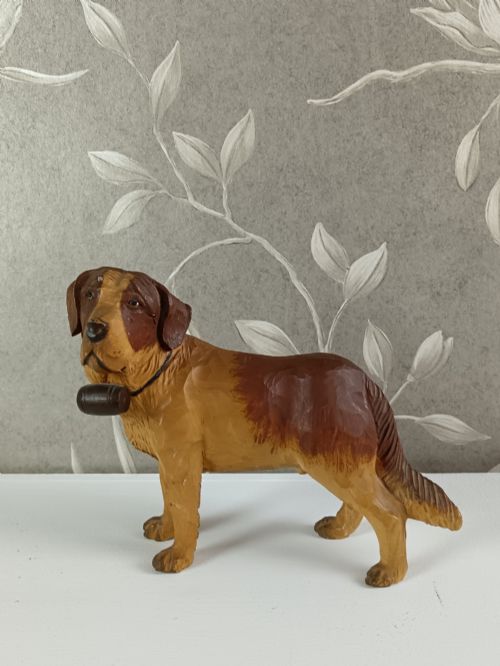
Bronze works utilise the lost-wax casting method, creating detailed studies that receive patination or cold painted polychrome finishes. Materials like boxwood, marble and spelter also appear in carved and cast sculptures, paired occasionally with gold leaf details.
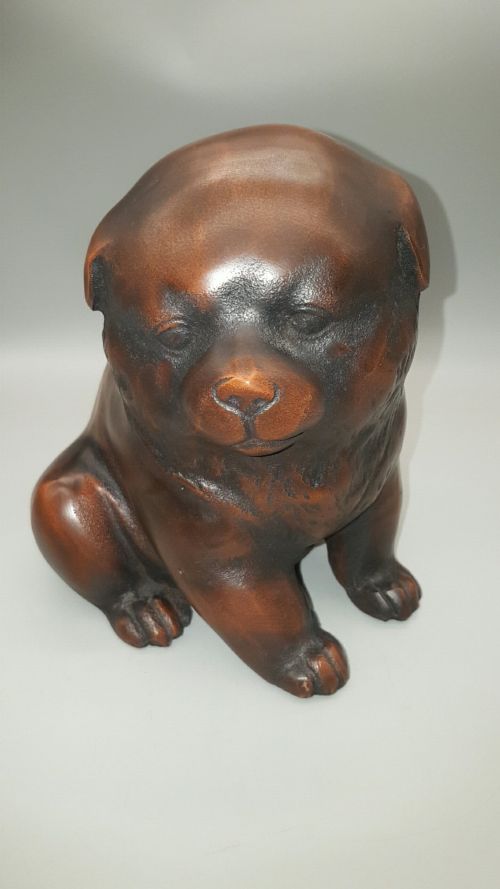
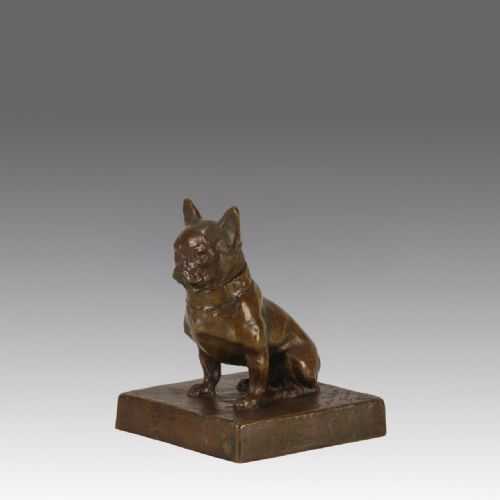
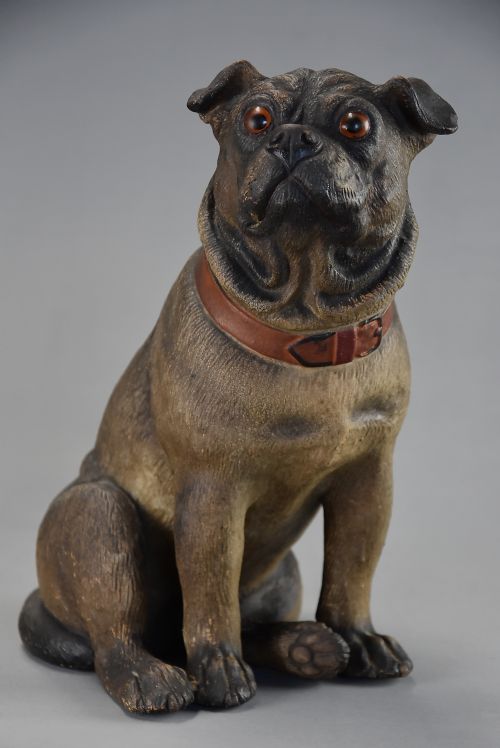
Form variations range from Staffordshire spaniels and greyhounds to Austrian cold painted bronze pugs, Japanese puppies and French bulldog studies.
What varies in quality
The integrity of the surface finish dictates distinction. Intact cold paint on Austrian bronzes, original glaze lustre on Staffordshire pottery and well-preserved patination on French animalier bronzes elevate the standing of a piece.
Carl Kauba·Tsunemitsu·Dora Heber·Prosper Lecourtier·C Masson
The Vintage Dog Figurine Glossary
- Animalier
- A nineteenth-century artistic movement dedicated to realistic portrayals of animals. Sculptors in this tradition focused on anatomy and movement.
- Staffordshire pottery
- Earthenware produced in the English potteries, widely known for pairs of spaniels and greyhounds placed on chimney pieces. These figures often feature hand-painted markings and gilt highlights.
- Cold painted bronze
- Metal sculpture painted with oil-based colours after casting, rather than fired in a kiln. This technique allows for high detail on small animal figures.
- Parian
- A type of fine-grained unglazed porcelain resembling white marble, developed in the nineteenth century. It gained popularity for classical and animal busts.
- Foo dog
- A traditional Chinese guardian lion depicted in porcelain, jade or wood. They stand as symbolic protectors in East Asian art.
Vintage Dog Figurine: Frequently Asked Questions
How do I identify Staffordshire dogs?
Staffordshire dogs typically appear as symmetrical pairs of spaniels, greyhounds or poodles intended for mantelpiece display. They feature earthenware bodies with hand-painted markings, often including gold chains or lockets.
Look for craquelure in the glaze and earthenware bases that reveal age. Most date from the nineteenth century and reflect Victorian domestic taste.
What is cold painted bronze?
Cold painted bronze involves casting a bronze figure and applying oil-based polychrome paint without subsequent kiln firing. Austrian foundries specialised in this method for small animal figurines.
Because the paint sits on the metal surface, handling can cause wear over time. Surviving paint in original condition adds significantly to the character of a piece.
Are these figures solid bronze?
Many animalier and Austrian figures utilise bronze, though larger or decorative objects may employ spelter, an alloy of zinc and lead. Spelter is lighter and softer than bronze.
Distinguishing between them involves checking weight and inspecting the base for metal colour beneath the patina. Bronze carries a heavier feel and finer casting detail.
How should I display them?
These figures suit placement on mantelpieces, bookshelves and side tables where their scale can be appreciated. Pairs of ceramic dogs traditionally sit facing each other.
Keep pieces away from direct sunlight to protect painted surfaces and glazes. Dust them gently with a dry cloth to maintain the finish.