


Victorian Silver Biscuit Barrel
When you search for a victorian silver biscuit barrel, you enter a world of elegant lidded containers created to grace formal dining tables and drawing rooms.
Victorian Silver Biscuit Barrel
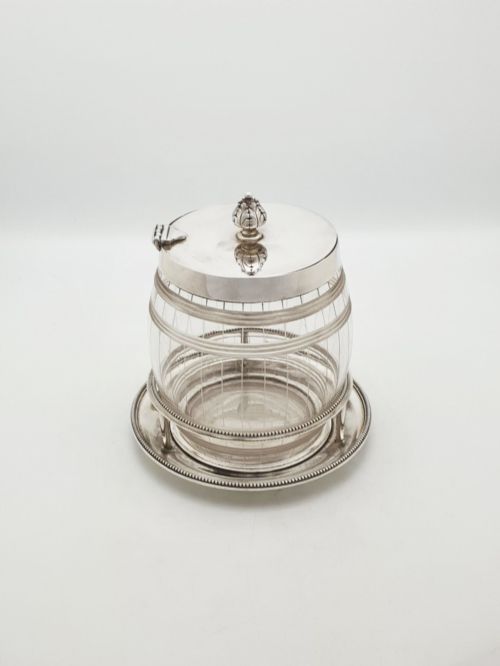
A victorian silver biscuit barrel is a covered vessel designed specifically to hold dry biscuits, cookies or rusks during afternoon tea and formal gatherings. These containers typically combine a metal frame, mount or lid with a body formed from cut glass, ceramic or timber.
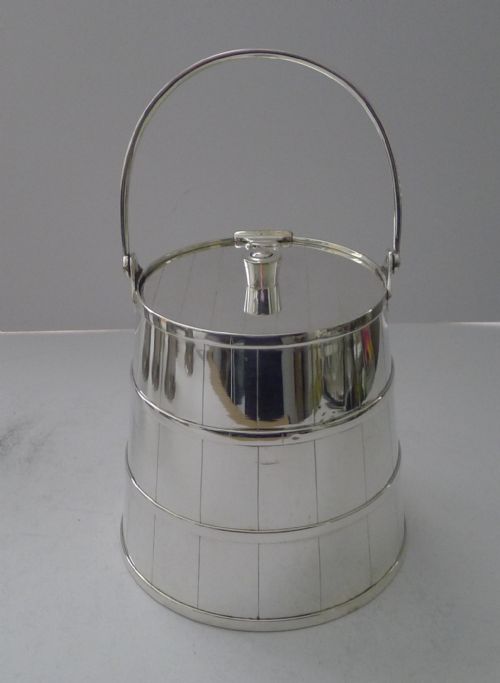
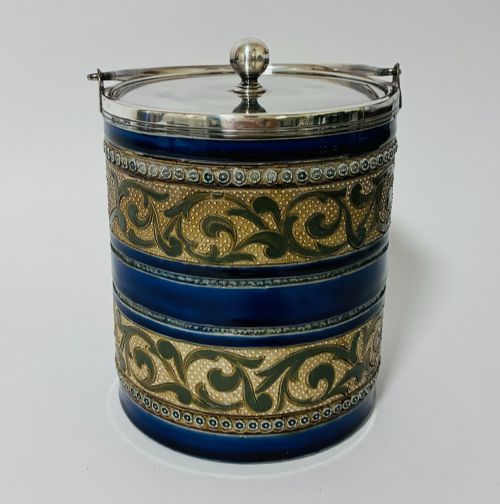
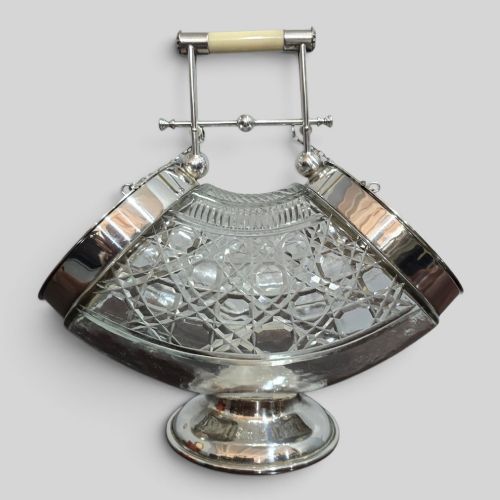
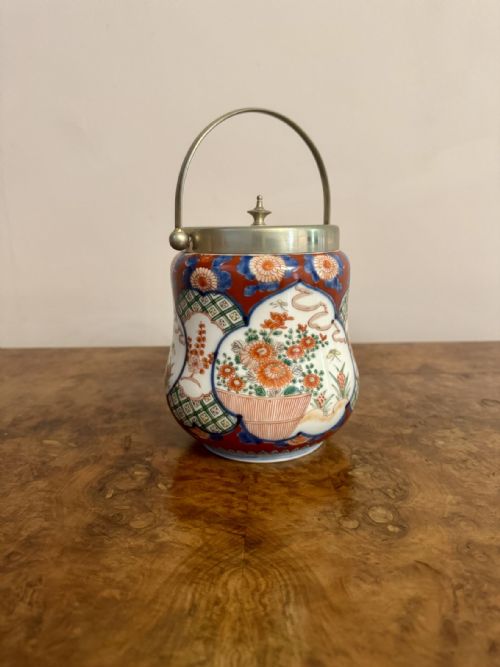
The selections available range from cylindrical glass jars and oak staved buckets to ceramic bodies in Jasperware or Doulton Lambeth. Silver plate predominates as the primary metal component, housing the glass or pottery inserts securely within hinged or folding frameworks.
What varies in quality
The weight and gauge of the silver plate or sterling silver mounts set the baseline for a piece, alongside the clarity and depth of the glass cutting or the crispness of ceramic moulding. Substantial, thick-walled glass and heavy silver plating indicate superior manufacture.
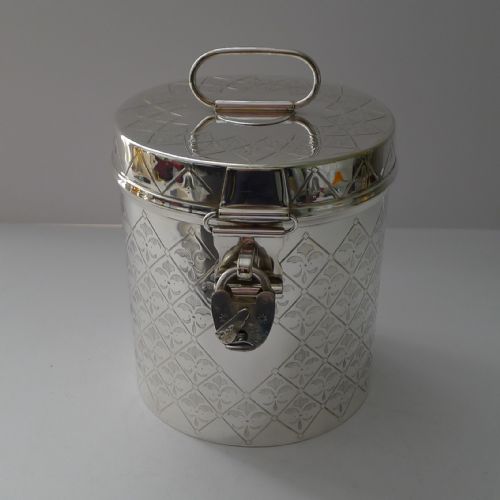
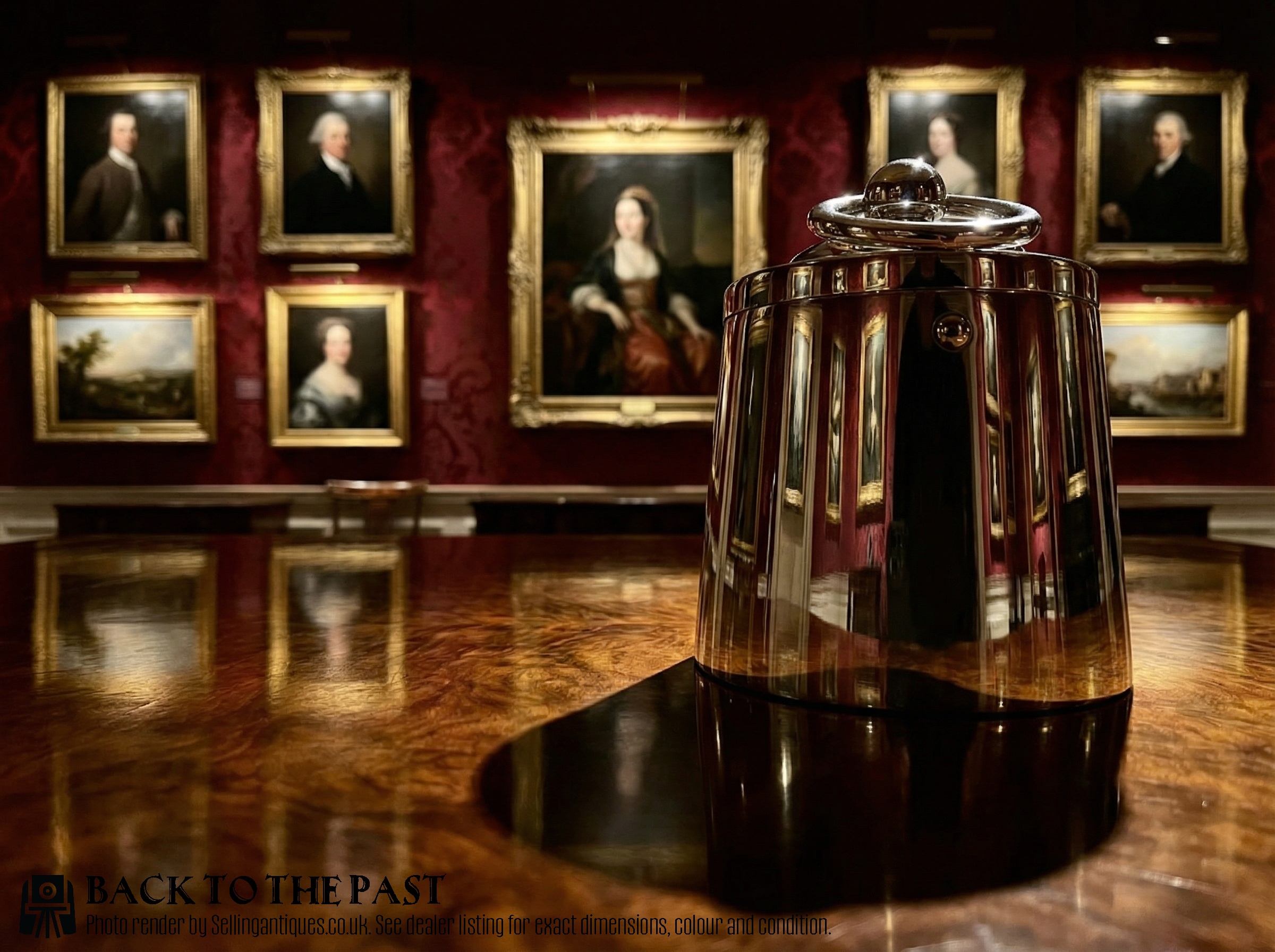
Design complexity also distinguishes standard examples from exceptional ones, particularly mechanical innovations like folding shell lids, locking mechanisms, or novelty forms modelled as weights and barrels.
Victorian makers produced delightful novelty biscuit barrels shaped like heavy iron gym weights and stacked shipping drums to trick guests.
Mappin and Webb·Elkington and Co·Robert and Belk·Walker and Hall·James Dixon and Sons·Fenton Brothers·John Grinsell and Sons·Hukin and Heath
The Victorian Silver Biscuit Barrel Glossary
- Silver Plate
- A base metal, typically nickel silver or Britannia metal, coated with a thin layer of pure silver through an electrochemical process. This technique became widespread during the nineteenth century to provide the appearance of solid silver at a lower cost.
- Jasperware
- A type of fine stoneware developed by Josiah Wedgwood featuring a matte surface, most commonly seen in blue with applied white neoclassical relief decorations. It gained immense popularity for decorative tablewares during the Victorian era.
- Cranberry Glass
- A rich red-pink glass coloured by the addition of gold chloride during the molten stage. Highly fashionable in the late nineteenth century, it was frequently blown into decorative tableware and fitted with silver-plated mounts.
- Hobnail
- A decorative glass-cutting pattern characterised by rows of small, pyramid-like protrusions resembling the hobnails used in sturdy boots. This texture enhanced both the tactile grip and the light-refracting qualities of biscuit barrels.
Victorian Silver Biscuit Barrel: Frequently Asked Questions
What were biscuit barrels used for?
These lidded containers served as a stylish receptacle for dry sweet biscuits or plain rusks served during Victorian tea ceremonies. Hostesses kept them filled on the sideboard or tea table to protect the contents from damp air.
The hinged lids kept the dry goods fresh while allowing guests to help themselves easily during afternoon visits.
How do I clean a silver plated barrel?
Maintenance requires gentle washing with warm water and mild soap, avoiding harsh abrasive cloths that might damage the silver plate. The glass or ceramic insert can usually be removed from the metal frame for separate washing.
After washing, dry the metal thoroughly with a soft cloth to prevent water spots and tarnishing.
Are these barrels safe for food?
Most antique barrels remain entirely suitable for holding dry biscuits, sweets or wrapped treats. The interior surfaces are generally glass, glazed ceramic or silver plate.
One should avoid storing moist or acidic foods directly against antique metal or unglazed ceramic for extended periods.