


Vintage Silver Biscuit Container
A vintage silver biscuit container is a clever dining accessory designed to keep dry baked goods fresh, offering sturdy elegance for the table.
Vintage Silver Biscuit Container
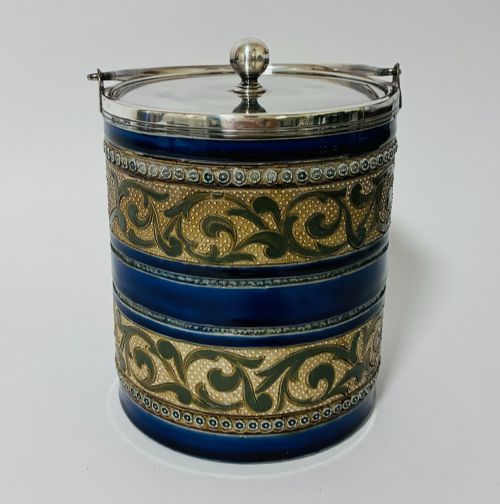
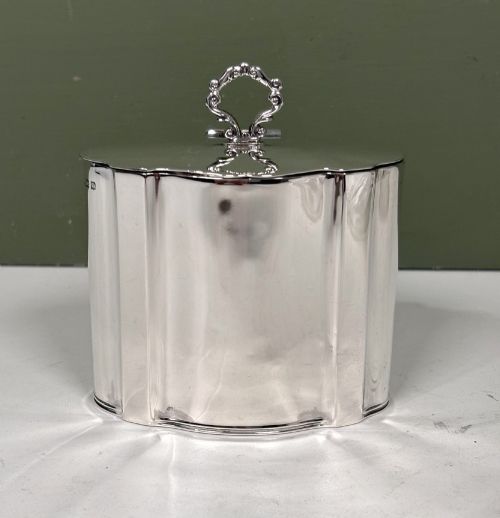
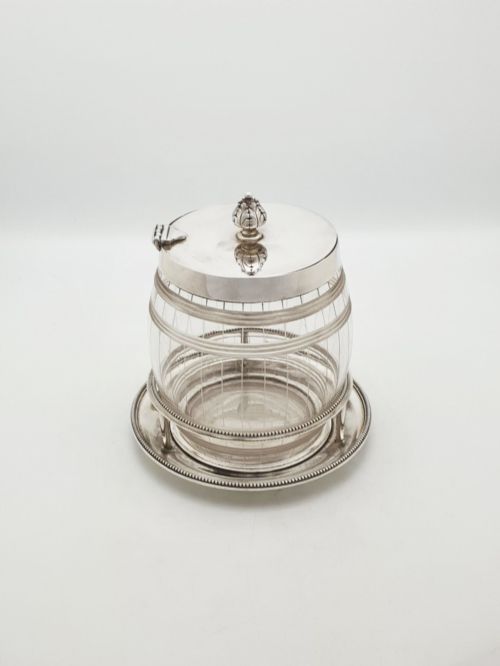
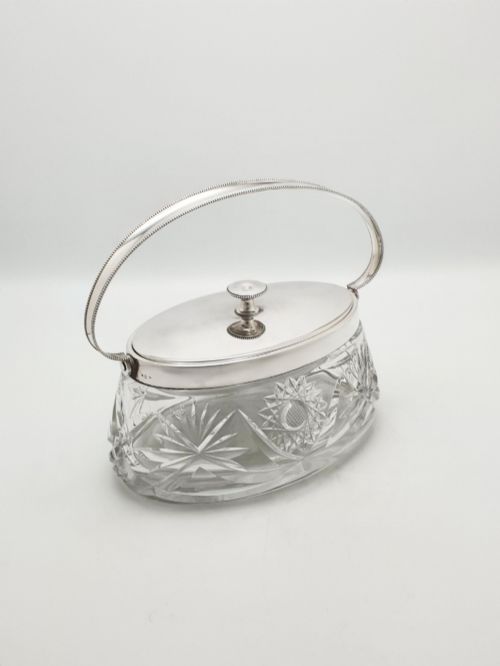
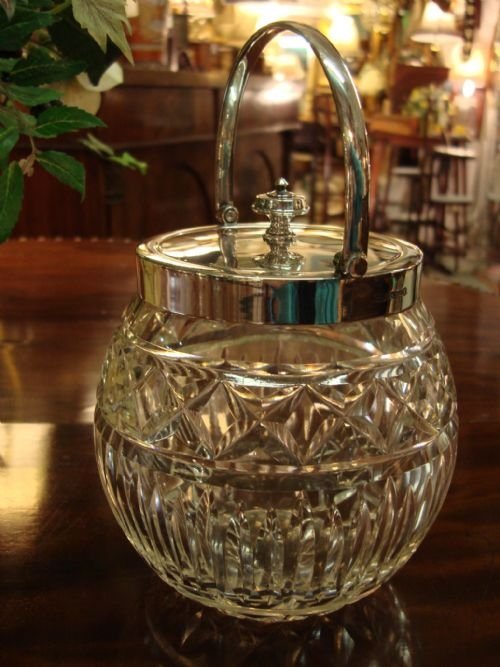
A vintage silver biscuit container is fundamentally a covered vessel designed to store and present biscuits at the dining table, taking forms such as cylindrical barrels and traditional tea caddies. These items emerge across distinct historical eras including the Victorian and Edwardian periods, alongside George V examples.
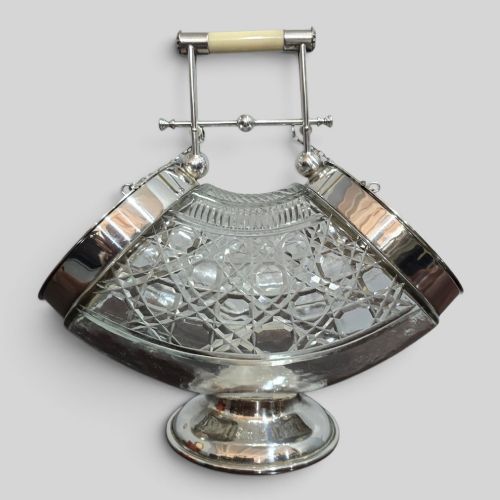
Buyers encountering this selection will frequently meet silver plated vessels paired with cut glass bodies or ceramic inserts. The diverse material palette spans earthenware and stoneware alongside solid sterling silver, reflecting the varied tastes of past British and European makers.
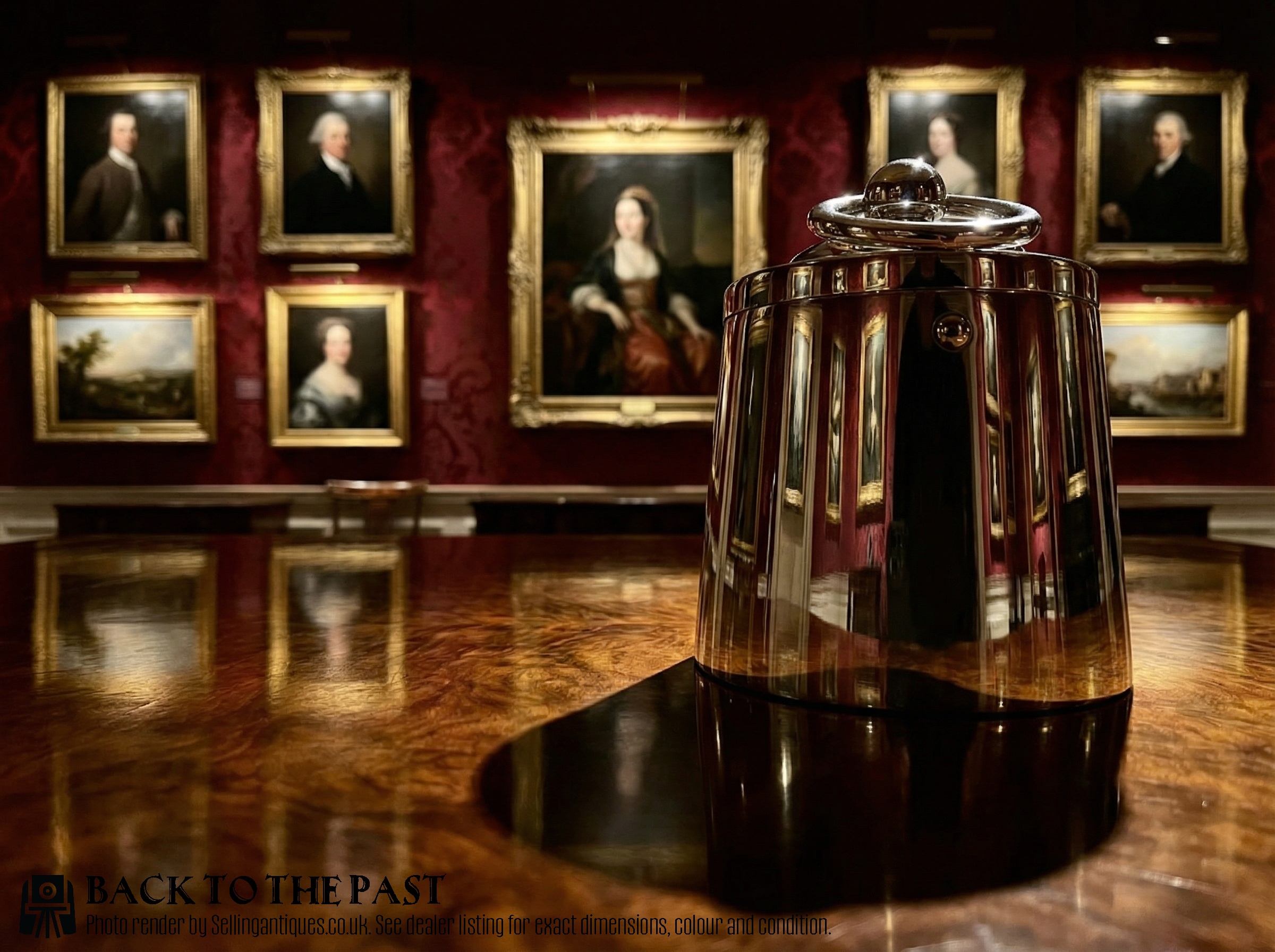
Makers shaped these containers in various stylistic movements, ranging from Victorian Arts and Crafts and Jugendstil to Neoclassical and Art Deco designs. Novelty shapes, such as a container modelled in the form of a weight, occasionally appear alongside classic ceramic bodies like Wedgwood Jasper Ware and Doulton Lambeth.
Materials and Technique
Many containers combine a sturdy base body of cut glass, earthenware, or stoneware with electroplated nickel silver or solid silver mounts, hinges, and lids. Glass components utilise hobnail or faceted cutting techniques to catch the light, while ceramic bodies employ flow blue decoration or applied relief.
Silver plating and solid sterling silver fabrication form the metallic elements, often complemented by cast details such as heraldic dragon finials or swing handles. Hallmarks and electroplate stamps frequently indicate the specific metallic composition and workshop origins of the metalwork.
Materials documented across the inventory include cut glass, stoneware, earthenware, silver plate, and solid sterling silver.
Quality Variations
Quality rests upon the crispness of the glass cutting and the weight of the silver plating or solid silver used in the mounts. Finer examples display balanced proportions, secure hinge mechanisms, and well-cast decorative finials that remain firmly attached to the lid.
The integration between the ceramic or glass body and the metal mounting demonstrates the skill of the original manufacturer. Superior pieces maintain crisp detail in applied ceramic reliefs and clean, unblemished metallic surfaces across the body and handle.
Elkington·WMF·James Dixon and Sons
The Vintage Silver Biscuit Container Glossary
- Biscuit Barrel
- A cylindrical lidded container specifically made for serving dry biscuits in the home. This form dominated dining room sideboards during the Victorian and Edwardian eras.
- Silver Plate
- A metallic layer of silver fused to a base metal such as nickel silver. This technique provided the appearance of solid silver at a more accessible cost.
- Jasper Ware
- A fine stoneware developed by Wedgwood, characterised by a matte surface and contrasting white relief figures. These bodies frequently formed the central vessel of decorated biscuit containers.
- Flow Blue
- A cobalt blue transfer printing style on earthenware that blurred slightly during firing. This technique created a hazy, atmospheric depth on ceramic biscuit barrels.
- Hobnail Cut
- A raised, diamond-shaped geometric pattern carved into glass surfaces. It adds texture and brilliance to the body of a cut glass container.
Vintage Silver Biscuit Container: Frequently Asked Questions
What is a biscuit barrel?
A biscuit barrel is a covered container traditionally used in British homes to keep dry biscuits crisp and serve them at the dining table. They became popular household accessories during the Victorian period.
These vessels usually feature a ceramic, glass, or stoneware body fitted with a metal lid and swing handle. The design allowed hosts to present biscuits cleanly during afternoon tea or after dinner.
How do I date a silver biscuit container?
Dating these containers involves examining the style of the decoration, the materials used, and any stamped hallmarks on the metal mounts. Victorian and Edwardian examples often display distinct aesthetic traits associated with those eras.
Silver-plated items may carry maker marks or registry numbers that indicate the exact decade of manufacture. Ceramic bodies like Wedgwood or Doulton Lambeth also provide clues through their specific backstamps.
Are these containers safe for food?
Most buyers use these historical containers for dry storage or display purposes rather than daily food service. The interior surfaces of older silver plate and glass should be gently cleaned before any contact with consumables.
Because many examples feature delicate ceramic interiors or antique metallic plating, careful hand washing preserves the original finish. Avoid abrasive cleaners that might damage the silver or the glass facets.
What styles are available?
The selection includes pieces styled in Victorian Arts and Crafts, Jugendstil, Neoclassical, and Art Deco designs. Materials range from cut glass and cranberry glass to earthenware and solid sterling silver.
Some containers take unconventional forms, such as novelty shapes resembling weights, while others feature traditional flow blue ceramics or classic silver mounts.