
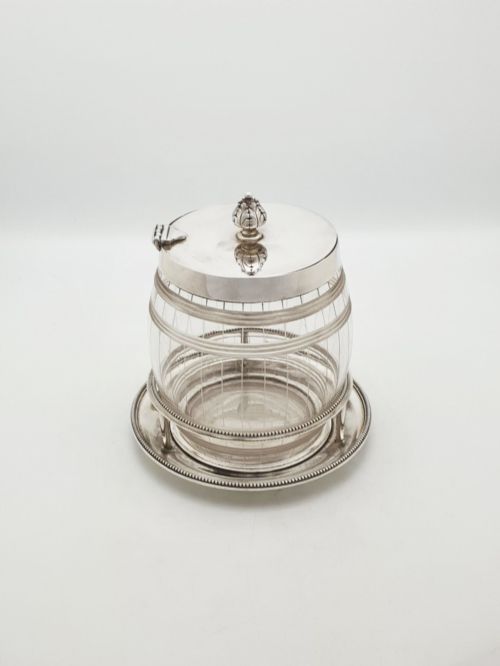


Victorian Silver Biscuit Box
A victorian silver biscuit box sits upon the dining table as a brilliant receptacle for storing sweet treats with elegance.
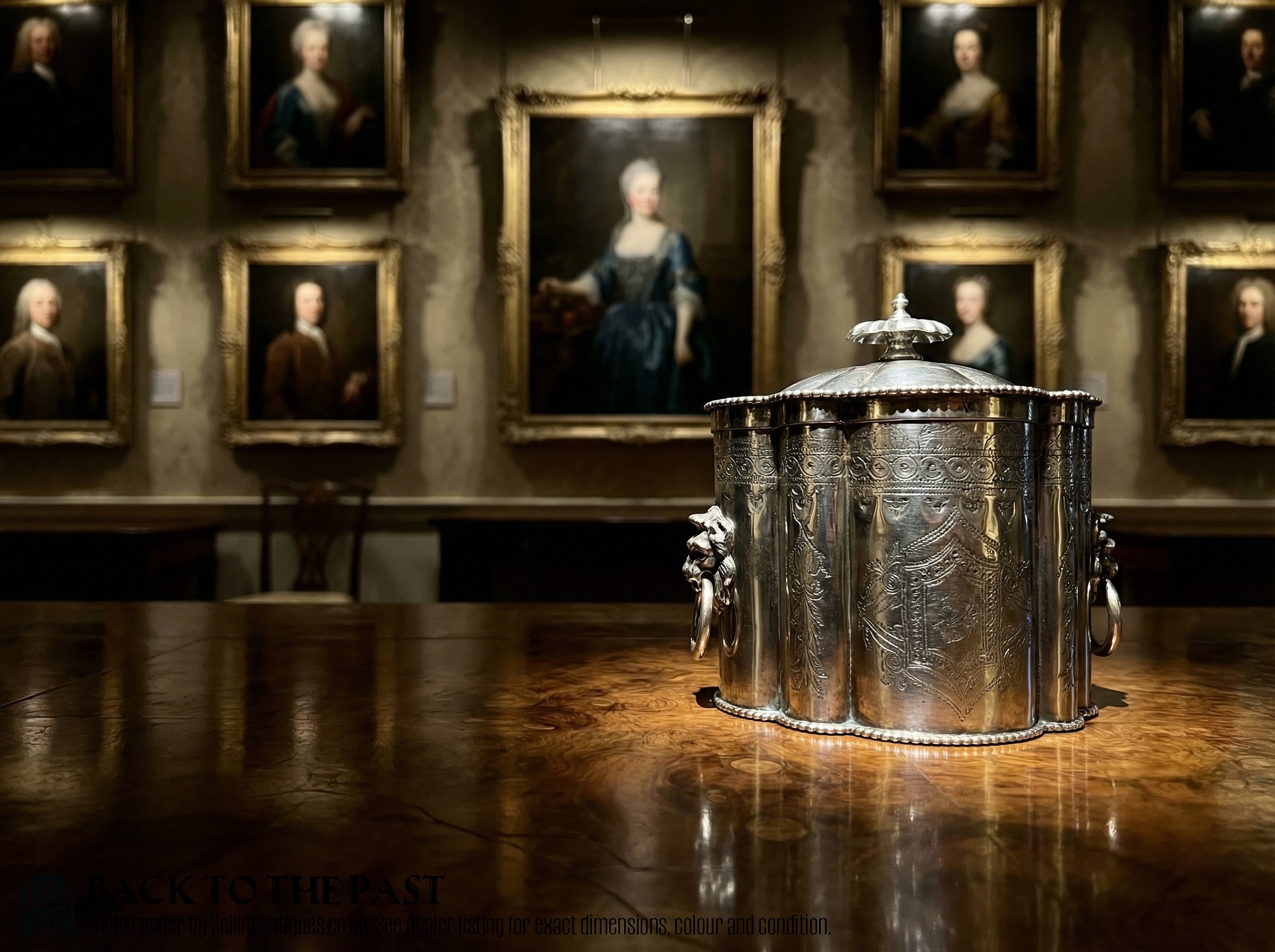
Victorian Silver Biscuit Box
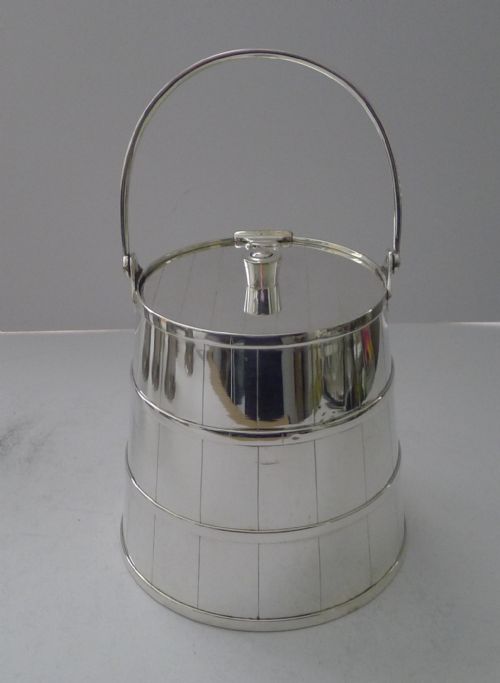
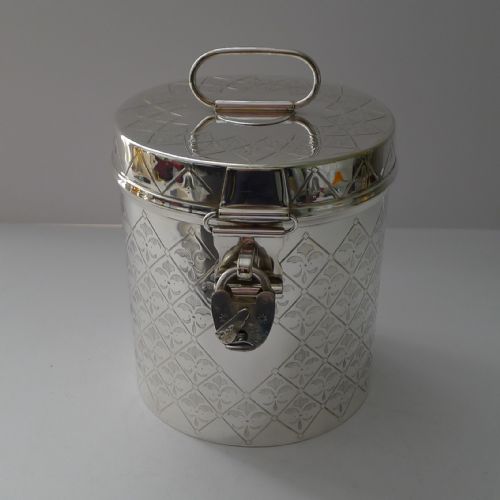
A victorian silver biscuit box takes many inventive shapes, including cylindrical drums, hinged shells, and novelty forms that mimic weights or cottages. These pieces originate predominantly from the nineteenth century and the Edwardian era, reflecting the Victorian obsession with specialised dining accessories.
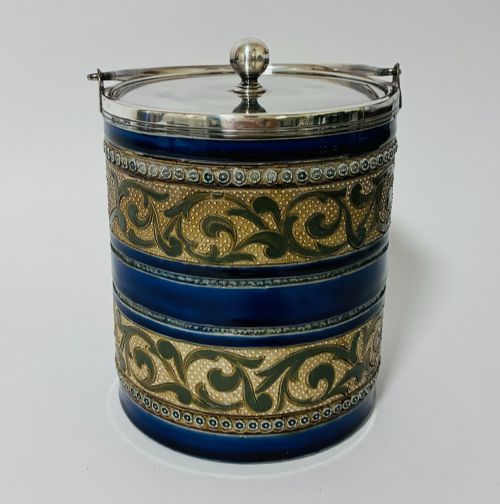
The standard examples you encounter most frequently include glass barrels mounted in silver plate, oak bodies with metal mounts, and mechanical folding shell boxes. Makers also produced stoneware versions alongside traditional lidded jars for the formal parlour.
Makers designed these vessels specifically to keep dry goods fresh while adding an ornamental centrepiece to afternoon tea or post-dinner gatherings. The variety ranges from simple geometric drums to elaborate containers featuring figural finials and etched glass.
Materials and construction
Silversmiths utilised silver plate, electroplated nickel silver, and occasionally solid sterling silver to form the mounts, hinged lids, and swing handles. These metallic components were frequently stamped, embossed, or cast with ornate motifs.
Cut glass and hobnail glass bodies provide heavy, refractive containers that contrast with the reflective metal frames. Artisans also turned solid oak into cylindrical barrels or incorporated Doulton Lambeth stoneware for alternative textures.
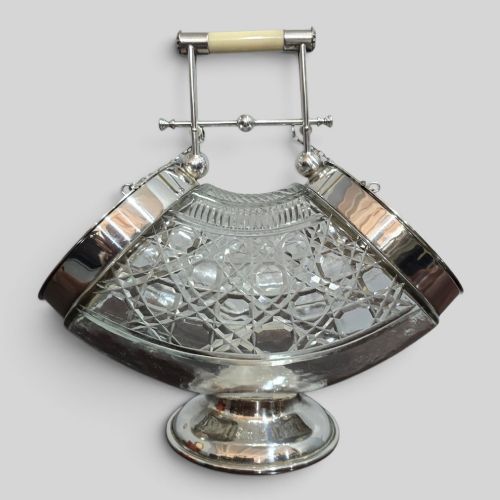
Complex mechanical actions on folding shell boxes rely on internal springs and clever pivot hinges to part the two halves smoothly when the handle is depressed. Finials cast as animals, helmets, or heraldic dragons complete the top of the lid.
The archive demonstrates diverse forms, ranging from traditional cylindrical drums and oval boxes to novelty weights and castle shapes.
Judging the standard
The precision of the mechanical action dictates the tier of craftsmanship in folding shell boxes, where smooth, silent movement separates superior examples from stiff or loose mechanisms. Cast details on handles, feet, and figural finials display sharper relief and deeper chasing on finer items.
The weight and clarity of the cut glass body indicate manufacturing investment, with deep hobnail cutting and heavy lead content marking the upper echelon of production. Silver plating thickness and the integrity of the underlying base metal also determine longevity and wear resistance.
Mappin and Webb·Elkington and Co·Robert and Belk·Thomas Bradbury·Walker and Hall·Fenton Brothers·Henry Wilkinson and Co·James Dixon and Sons·John Grinsell and Sons·The Alexander Clark·Deykin and Sons
The Victorian Silver Biscuit Box Glossary
- EPNS
- Electroplated Nickel Silver. This acronym denotes a base metal of nickel alloy coated with a layer of pure silver through electrolysis.
- Hobnail cut
- A decorative faceted pattern cut into glass. It creates rows of sharp, pyramid-shaped points that catch the light brilliantly.
- Finial
- A small ornamental knob or figure. It sits atop the lid of the box to serve as a lifting grip.
- Swing handle
- A movable arch of metal attached to the sides of the barrel. It drops down when the box rests on the table.
- Stoneware
- A heavy, dense ceramic fired at high temperatures. Doulton Lambeth is particularly famous for producing these textured brown bodies.
Victorian Silver Biscuit Box: Frequently Asked Questions
How were biscuit boxes used?
Victorian households utilised these lidded containers to serve dry biscuits and sweets during formal afternoon tea or after dinner.
Servants brought them to the table closed, and hosts operated the mechanical hinges or lifted the lids to offer guests a treat.
Are all biscuit boxes made of solid silver?
The vast majority consist of silver plate or electroplated nickel silver over a base metal rather than solid sterling silver.
Manufacturers produced plated versions to offer affordable luxury for the dining table without the extreme cost of solid precious metal.
What glass types appear most often?
Clear cut glass with deep hobnail or geometric facets forms the body of many cylindrical and barrel-shaped examples.
Some specimens feature coloured glass, such as cranberry glass, paired with ornate silver-plated mounts and collars.
Why do some boxes have folding shells?
Folding shell boxes use a mechanical linkage where pushing the handle causes two hemispherical metal segments to part outwards.
This clever engineering allows easy access to the contents while presenting a closed decorative shell when not in use.