

Victorian Earthenware Ornament
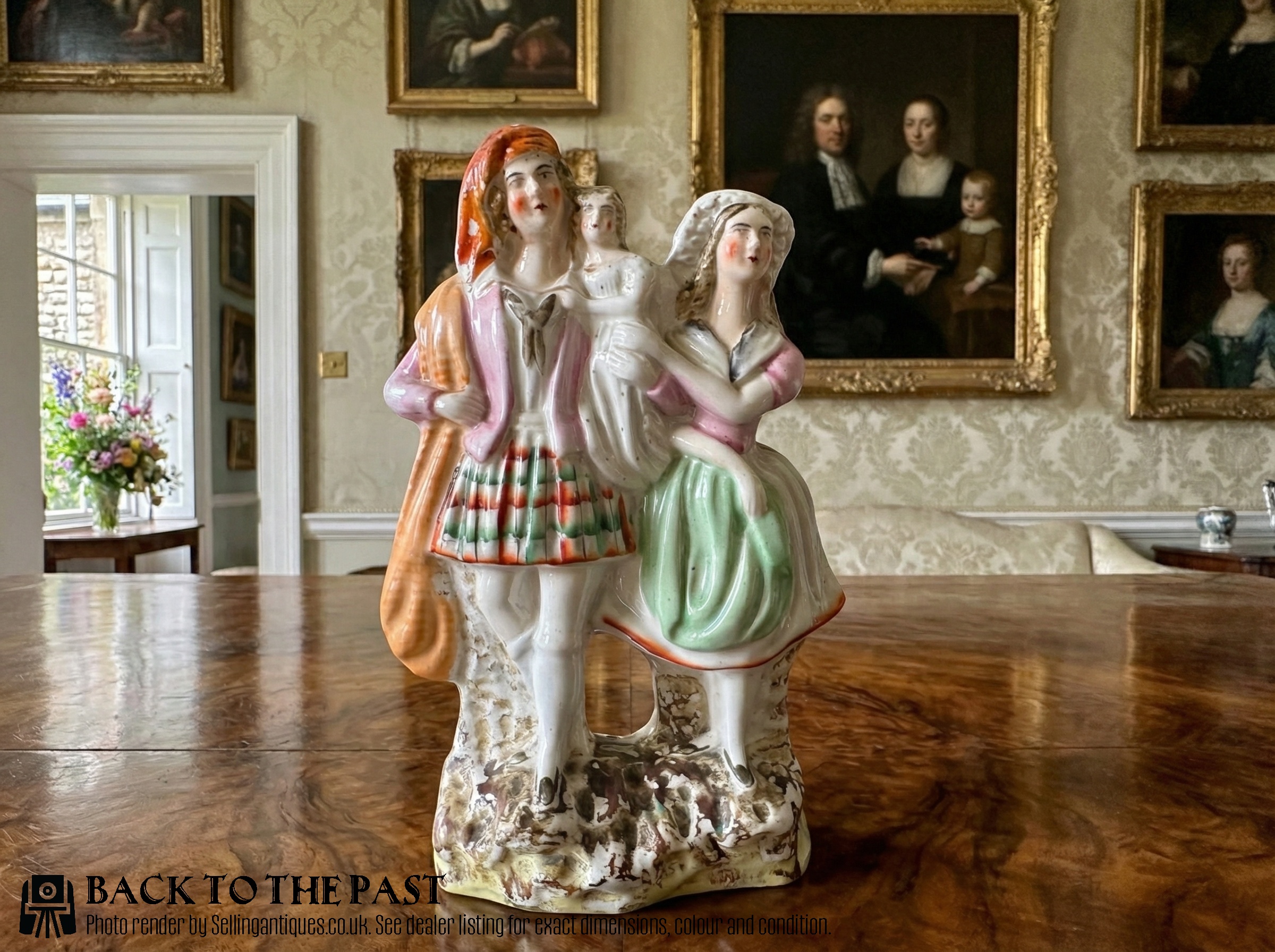
These Victorian earthenware ornaments are the charismatic pottery figures and spill vases that lined nineteenth-century mantelpieces.
Victorian Earthenware Ornament
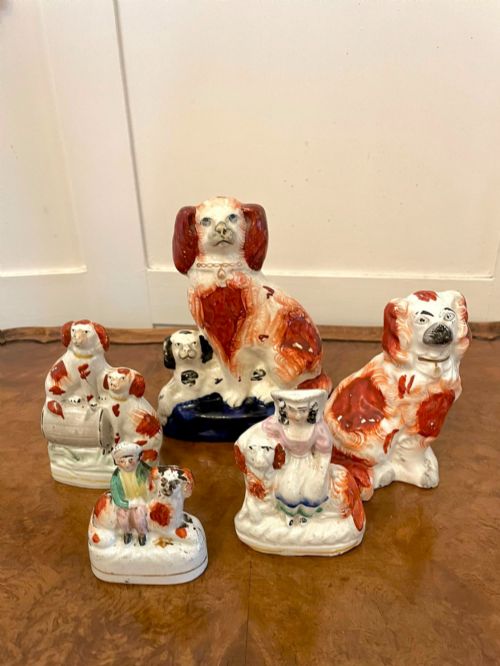
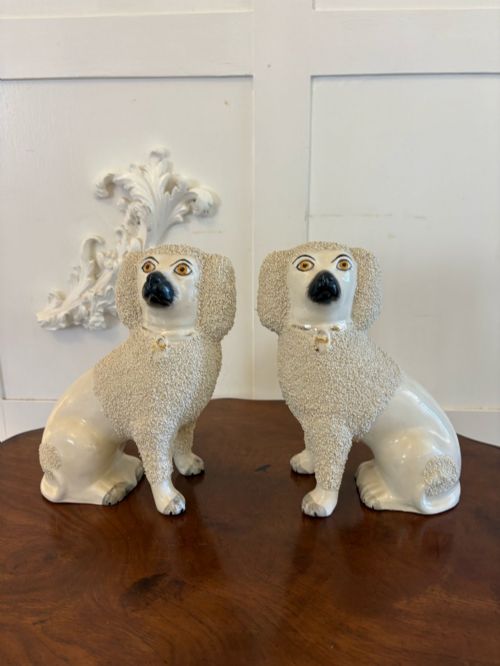
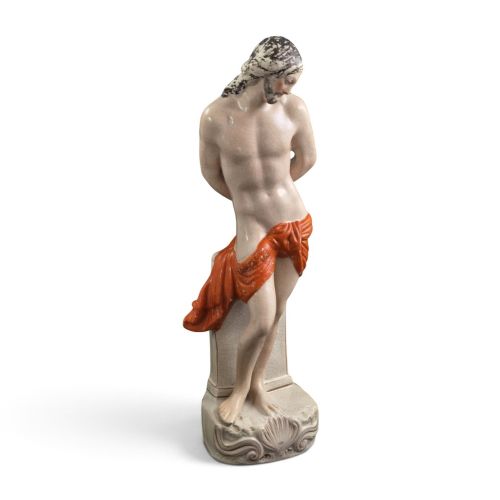
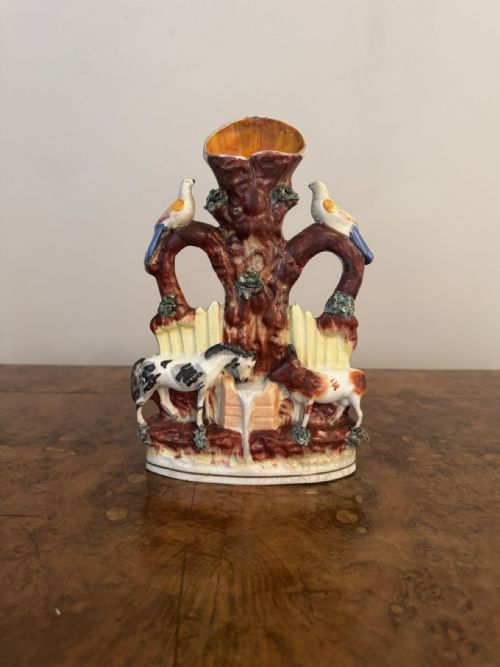
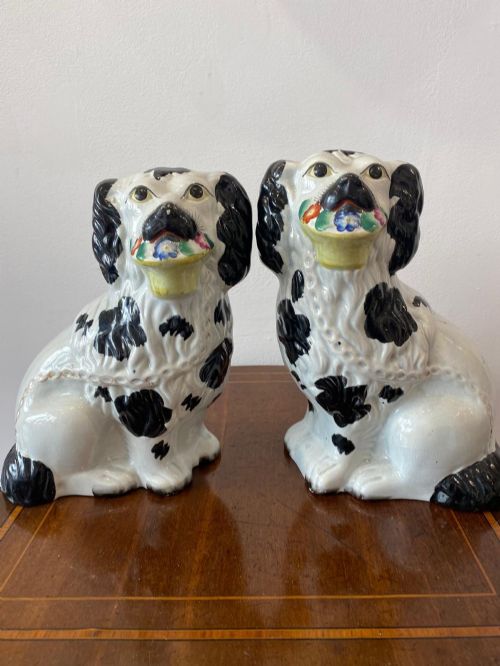
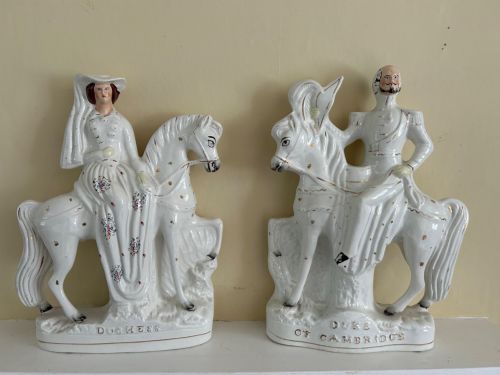
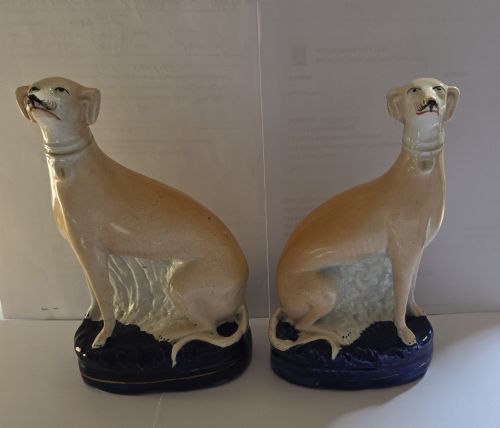
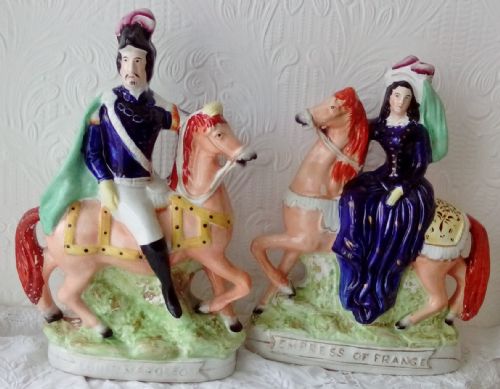
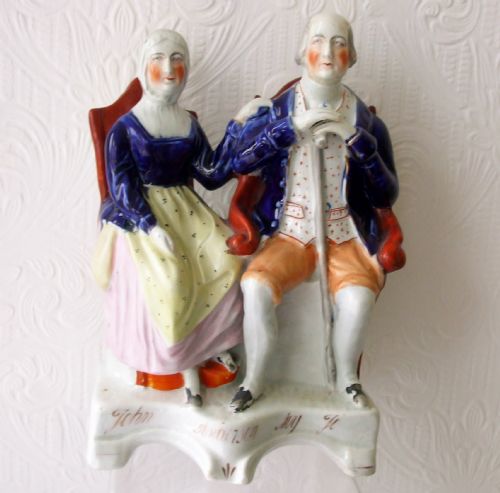
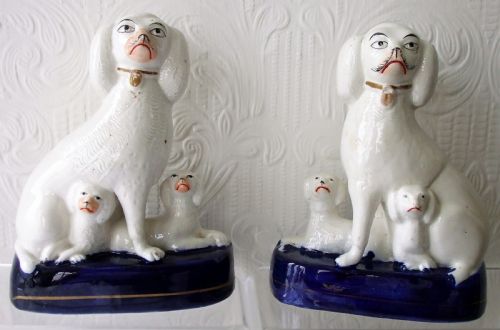
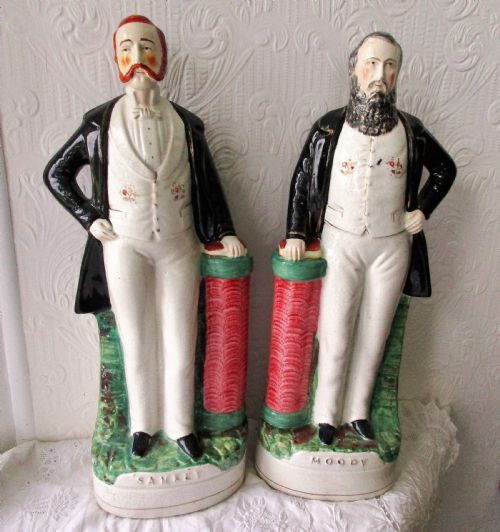
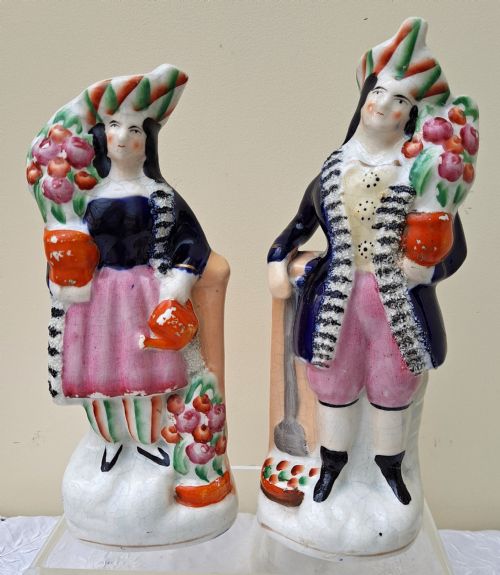
A victorian earthenware ornament is typically a pottery figure, portrait group or spill vase originating from the nineteenth century. The selection on this page leans heavily towards Staffordshire ceramic figures, ranging from seated spaniels and poodles to theatrical pairs and historical personages.
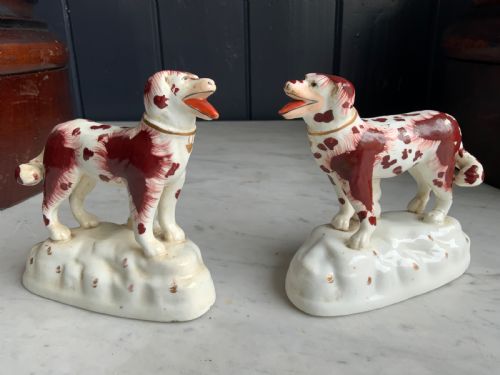
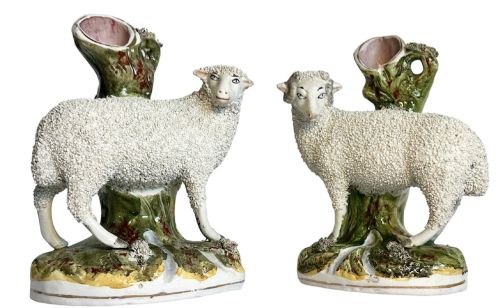
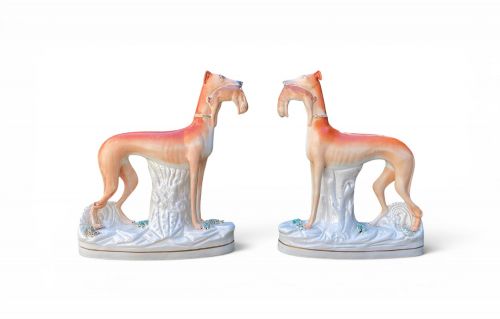
Buyers will encounter both flatback figures designed to stand against a wall and freestanding animal models such as greyhounds, lions and sheep. Many take the form of spill vases, combining decorative display with a practical function for holding matches near the hearth.
Materials and construction
These pieces are constructed from earthenware clay, shaped using pottery techniques common to nineteenth-century production. The ceramic bodies are finished with lead glazes, enamel paint and occasional touches of gold leaf or gilt.
Victorian Earthenware Ornament Retail Price Guide 2026
Typical asking prices for victorian earthenware ornament among the pieces listed under this phrase on Sellingantiques today, from the lower quarter to the upper quarter. They describe what is for sale here now, not the wider market.
Even fierce lions and hunting dogs wear surprisingly gentle expressions painted by nineteenth-century hands.
Assessing quality
Quality rests primarily in the crispness of the moulding and the execution of the hand-painting. Softer details and muddy enamel work separate mass-produced output from more carefully finished portrait figures.
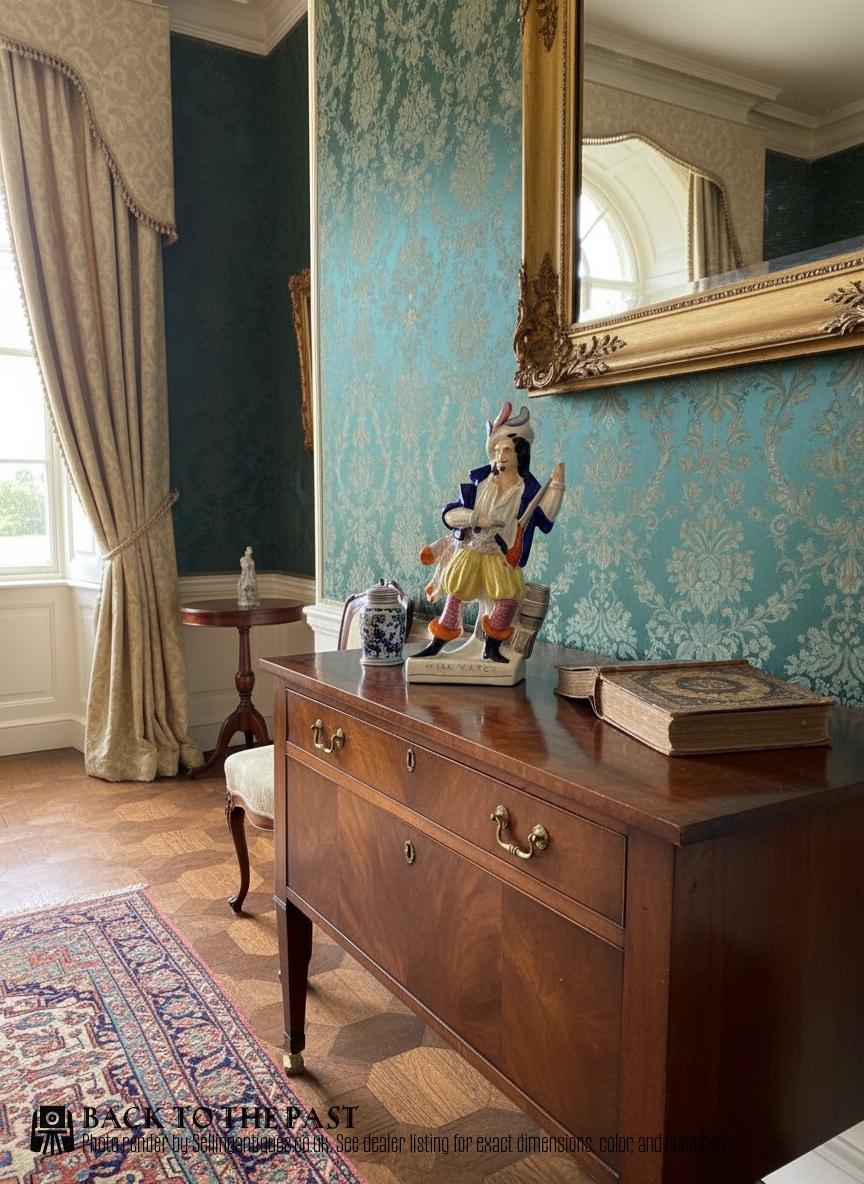
Thomas Parr
The Victorian Earthenware Ornament Glossary
- Flatback
- A ceramic figure modelled with a finished front and a plain, unglazed or minimally decorated flat rear designed to stand against a wall.
- Spill vase
- A hollow cylindrical vase attached to a figure, intended to hold wooden spills used for lighting fires or pipes.
- Treacle glaze
- A dark, translucent brown lead glaze that gives pottery a rich, glossy appearance.
- Lead glaze
- A shiny glass coating applied to earthenware before firing to seal the porous clay body.
- Enamel paint
- Coloured glass paste fused to the ceramic surface during a secondary low-temperature firing.
Victorian Earthenware Ornament: Frequently Asked Questions
What are Staffordshire dogs called?
Staffordshire dogs are often referred to as comforter spaniels or poodles when modelled in pairs.
They traditionally sat on nineteenth-century mantelpieces facing inwards toward each other.
Were these figures meant for display?
These ceramic ornaments served as decorative mantelpiece displays in nineteenth-century homes. Many combined this display purpose with practical functions like holding taper spills.
Portrait figures also commemorated contemporary events, military campaigns and notable public figures of the era.
How do I tell flatback figures apart?
Flatback figures are moulded with a flat unadorned reverse so they could sit flush against a shelf or wall. Freestanding figures and animals are finished in the round with detail on all sides.
Subject matter ranges from literary characters and royalty to theatrical duos and domestic animals.
What materials make up these ornaments?
These pieces are made from earthenware ceramic bodies finished with transparent lead glazes. Enamel paint and gilt provide the surface colour and facial details.
Certain pieces feature specialised coatings like treacle glaze or cobalt blue highlights.