


Victorian Ceramic Figurine
A victorian ceramic figurine brings the distinct character of nineteenth-century shelf display into a room through moulded earthenware and porcelain.
Victorian Ceramic Figurine
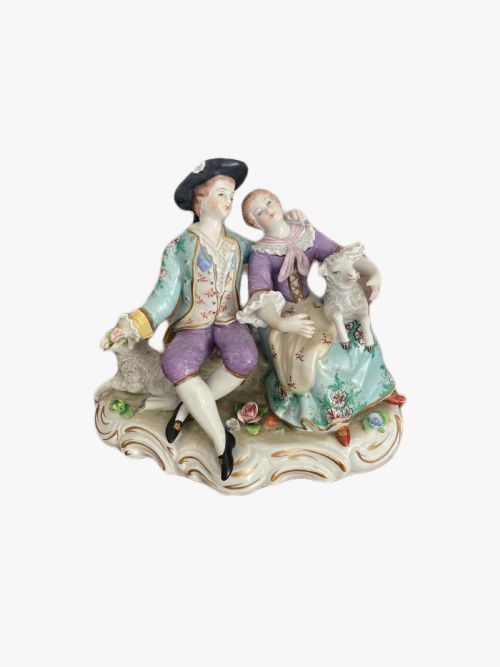
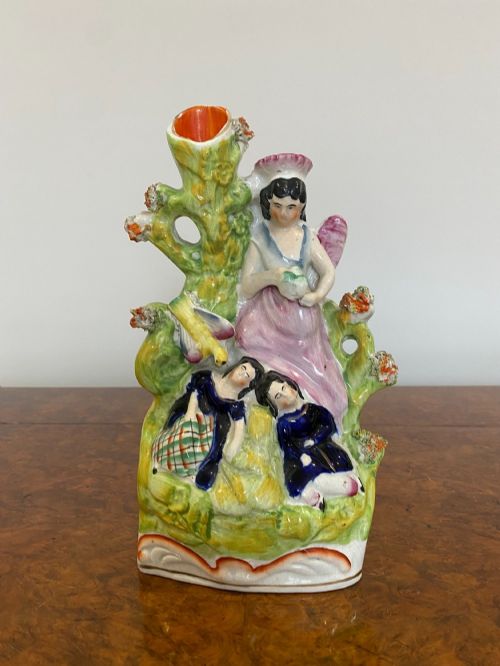
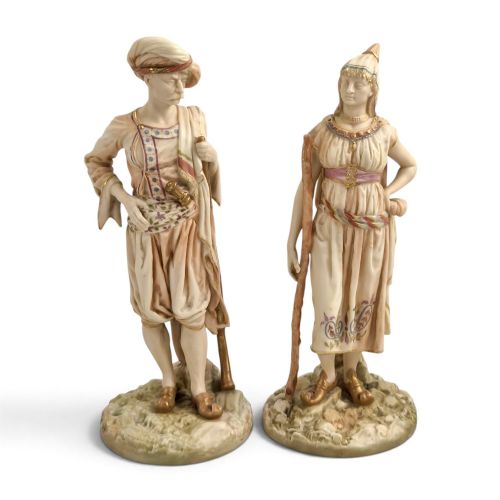
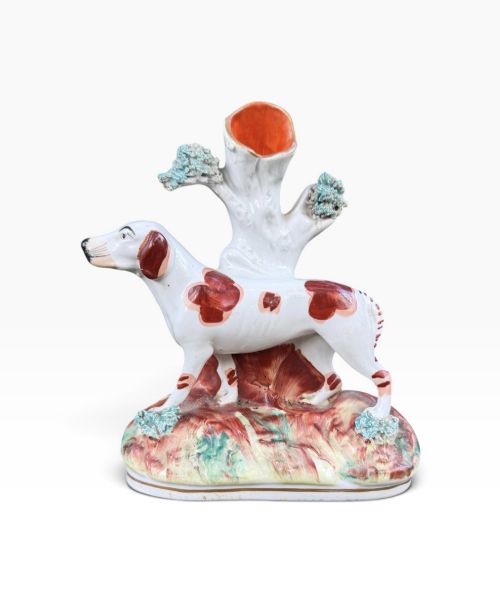
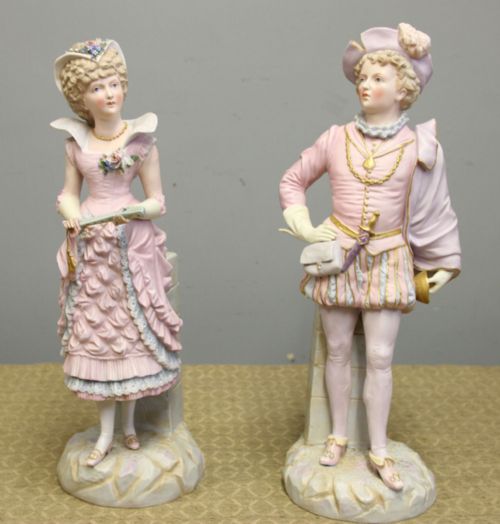
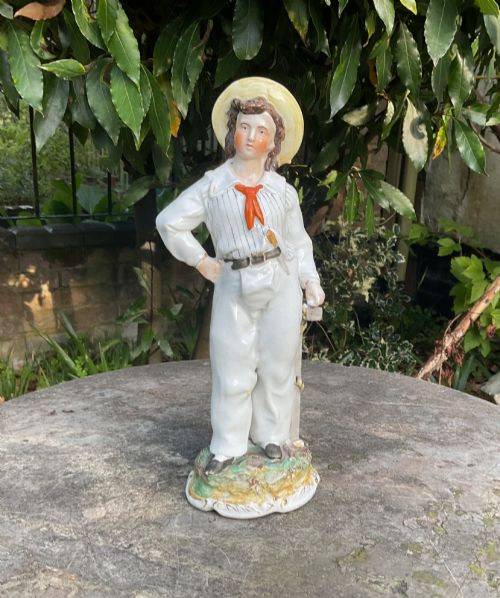
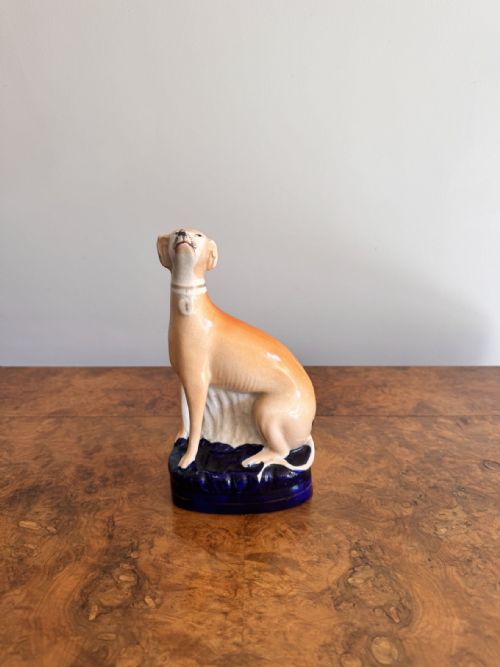
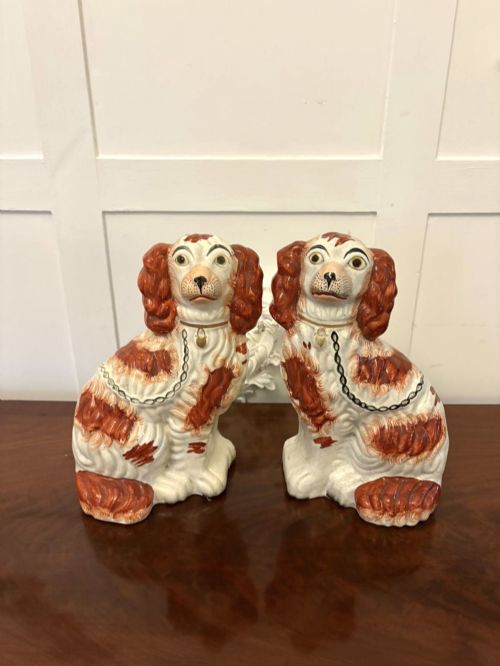
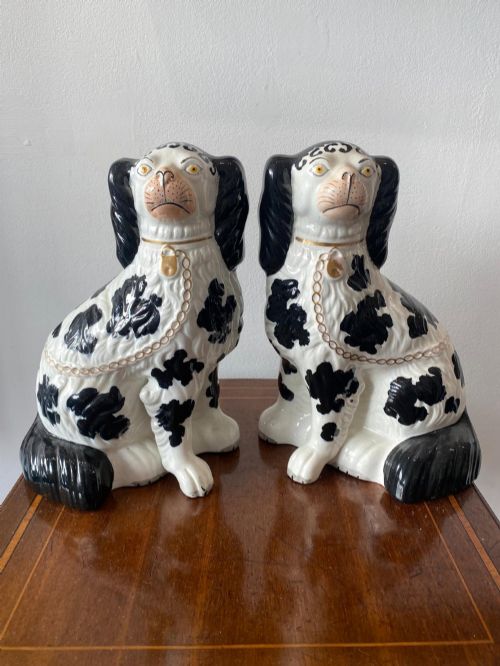
A victorian ceramic figurine encompasses seated spaniels, spill vases, portrait subjects, and literary characters modelled in clay during the nineteenth century. These objects served primarily as mantelpiece ornaments in British homes, ranging from modest earthenware figures to more elaborate porcelain groups.
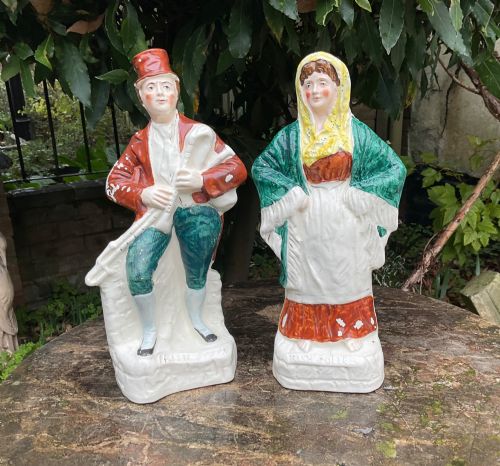
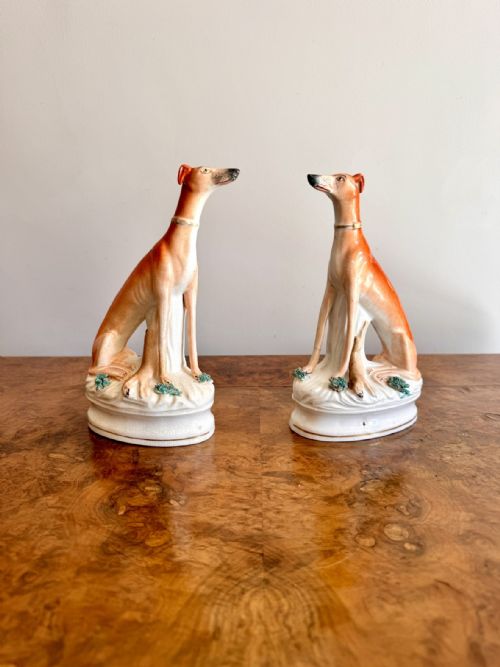
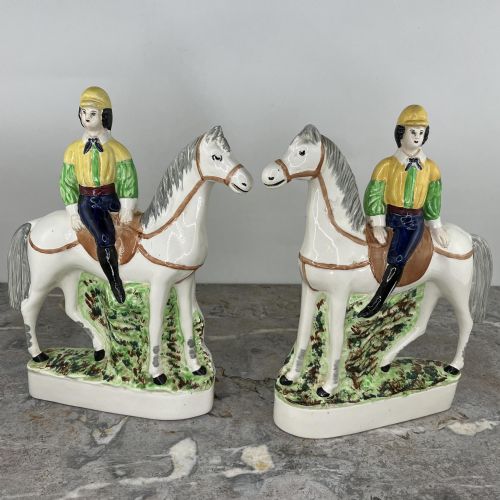
The most common iterations encountered here are Staffordshire pottery dogs, flatback portrait figures, and pairs of companion subjects manufactured across the mid-to-late nineteenth century. They bridge domestic folk art and industrial ceramic production, reflecting popular taste of the period.
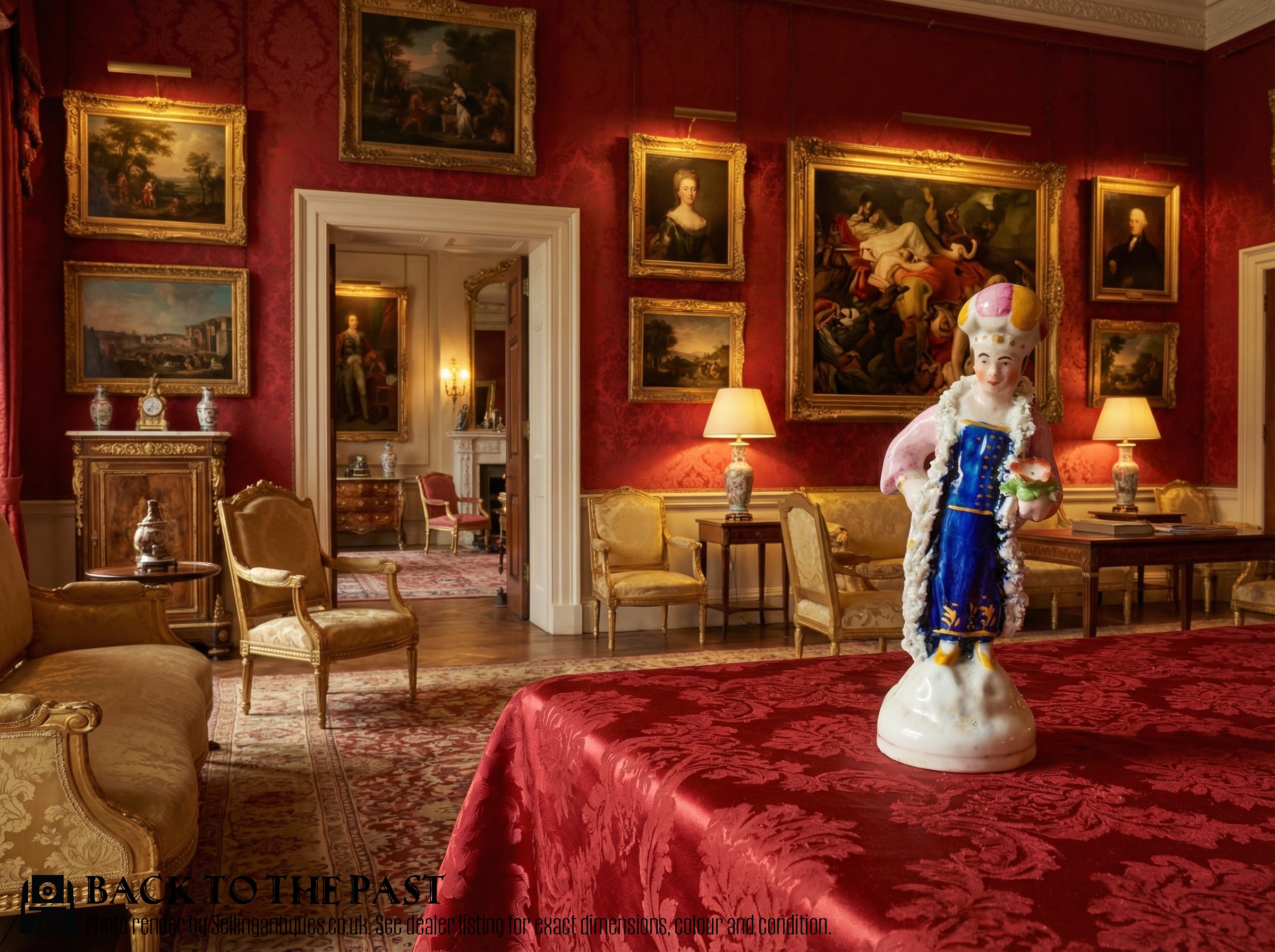
Materials and manufacture
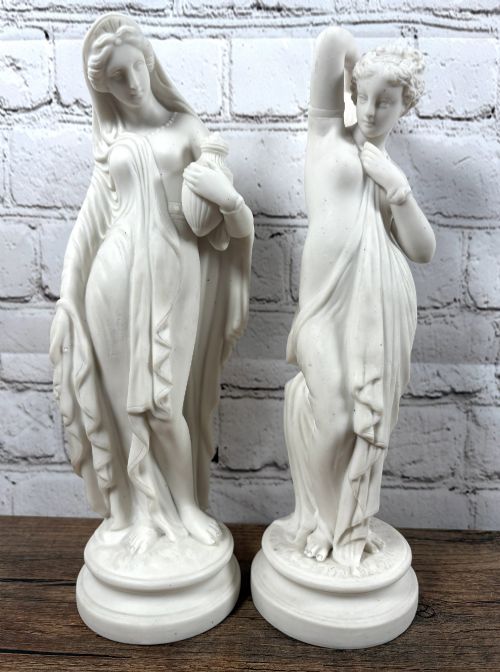
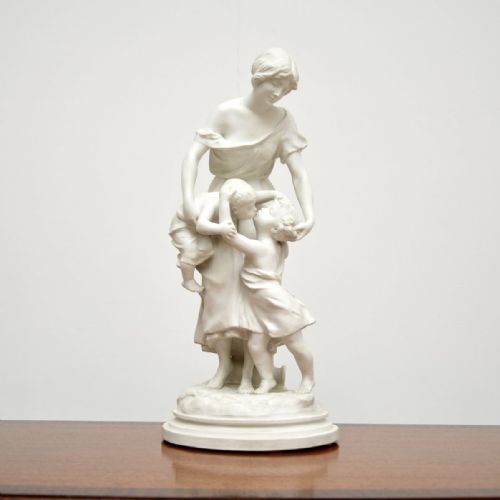
Makers utilised earthenware, porcelain, and parian body compositions, shaping the clay through press-moulding or slip-casting techniques. Details were then hand-applied or painted before glazing and firing in kilns.
Surface decoration frequently relied on underglaze colours, enamel highlights, and occasional application of gold leaf or gilt accents to catch the dim light of Victorian interiors.
Victorian Ceramic Figurine Retail Price Guide 2026
Typical asking prices for victorian ceramic figurine among the pieces listed under this phrase on Sellingantiques today, from the lower quarter to the upper quarter. They describe what is for sale here now, not the wider market.
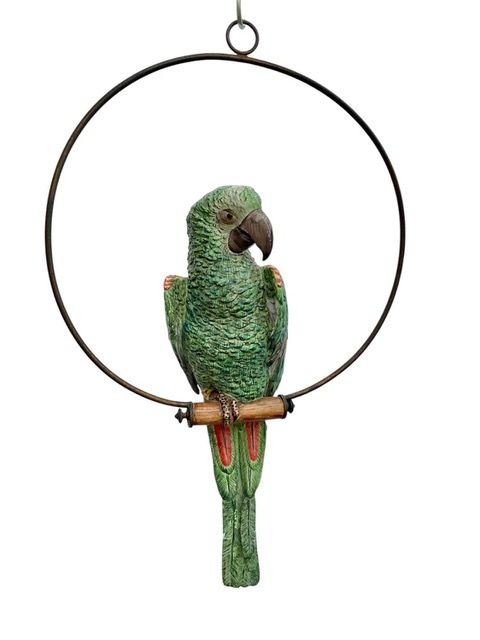
The listings show figures produced in earthenware, porcelain, parian, and terracotta across the nineteenth and early twentieth centuries.
Assessing quality
The weight of the ceramic body and the uniformity of the glaze application distinguish superior studio output from mass-market factory output of the period.

Edmé Samson·Volkstedt Rudolstadt Factory·John Bevington·Royal Doulton
The Victorian Ceramic Figurine Glossary
- Flatback
- A figure moulded with a finished front and a plain, unglazed or minimally decorated flat rear designed to sit flush against a wall.
- Spill vase
- A hollow cylindrical holder integrated into the figure's design, intended to store wooden spills used for lighting fires or pipes.
- Parian
- A fine-grained, unglazed porcelain resembling white marble, developed in the nineteenth century for classical and figurative studies.
- Comforter spaniels
- Pairs of earthenware dogs, typically white with copper lustre patches, placed on either side of a fireplace.
- Fairing
- A small, often humorous Victorian ceramic ornament originally sold at annual county fairs.
Victorian Ceramic Figurine: Frequently Asked Questions
Where were these figures displayed?
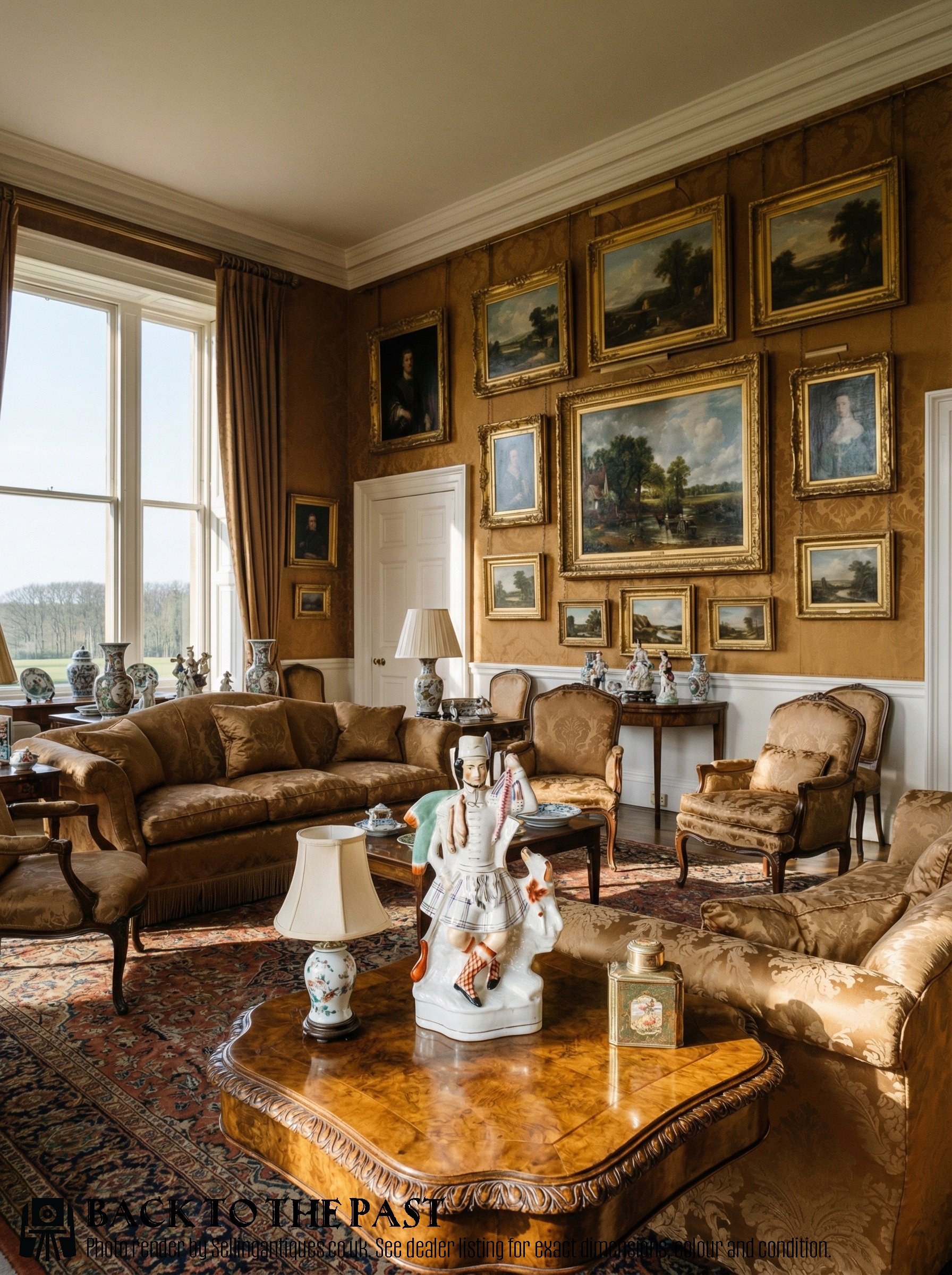
Victorian households placed these ceramic figures predominantly on mantelpieces above fireplaces, where pairs of dogs or portrait subjects could frame the hearth. They also populated sideboard tops and occasional tables in parlours.
Because homes relied on coal fires and oil lamps, positioning them high kept them visible in the flickering light while away from everyday foot traffic.
How do I clean an antique ceramic figure?
Dusting with a dry, soft-bristled brush remains the safest method to remove accumulated grime from crevices and moulded details without disturbing fragile enamels. Avoid submerging older earthenware in water, as crazed glaze can absorb moisture and cause internal staining.
Water and harsh detergents can strip delicate overglaze enamel colours or gold leaf highlights applied during manufacture.
Are pairs always sold together?
Many Staffordshire dogs and theatrical subjects were manufactured and sold as matched pairs to balance mantelpiece arrangements. Surviving together down through the decades adds significantly to their historical integrity.
Single figures do appear frequently, often separated through house moves or breakage over the course of generations.
What is a flatback figure?
A flatback describes a figurine where the rear is left unmodelled and flat, designed specifically to sit directly against a shelf or wall. This saved manufacturing time and materials while concentrating all decorative detail onto the front view.
This construction style is characteristic of Staffordshire pottery production from the mid-nineteenth century onward.