

Victorian Ceramic Figures
Victorian ceramic figures bring the rich character and theatrical spirit of the nineteenth century straight into your interior.
Victorian ceramic figures
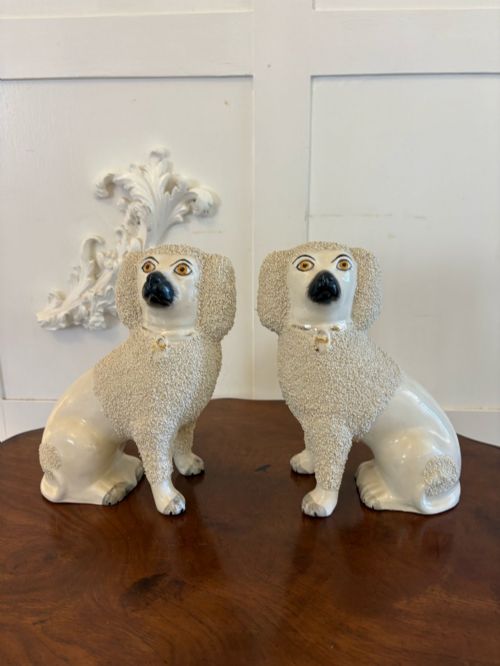
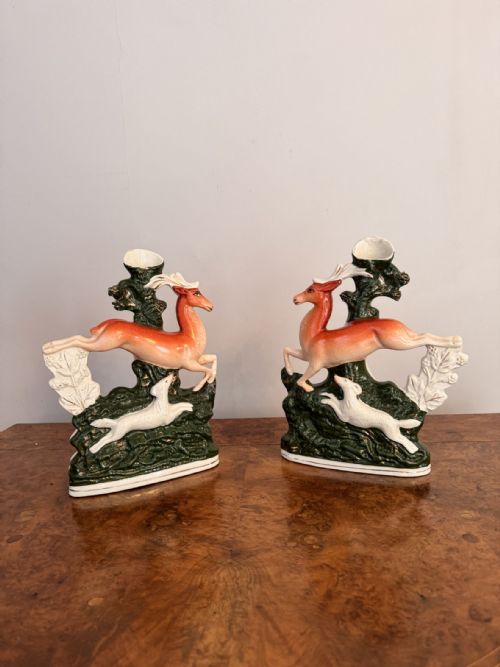
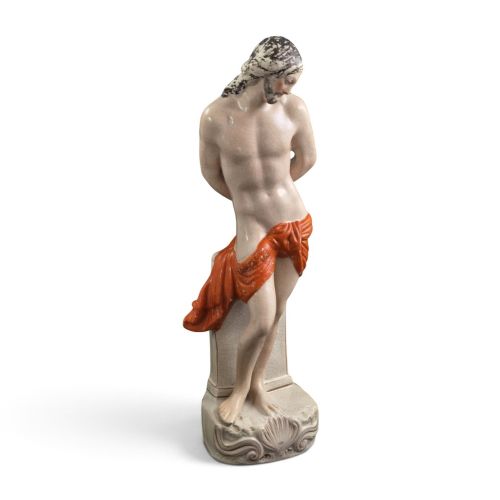
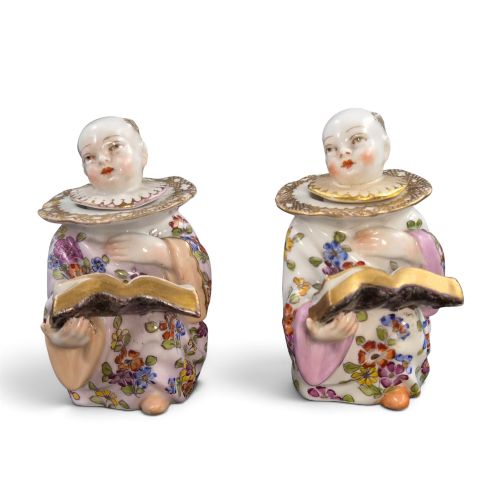
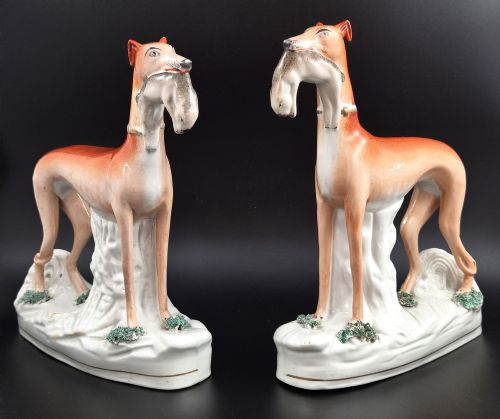
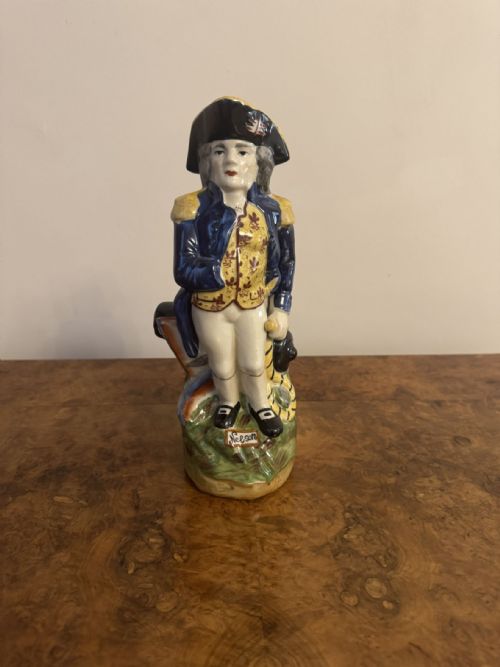
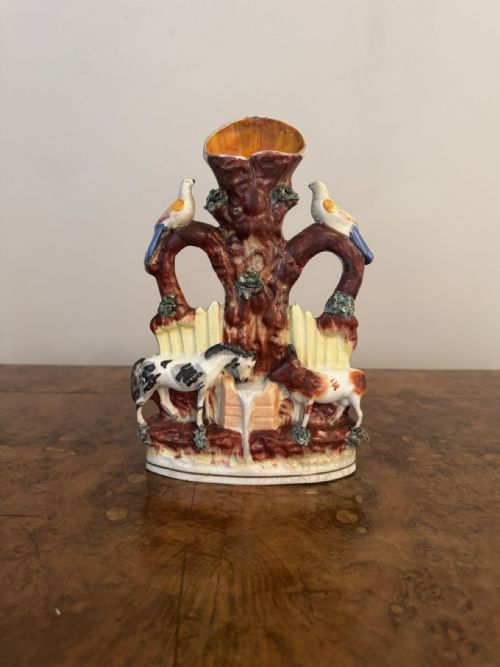
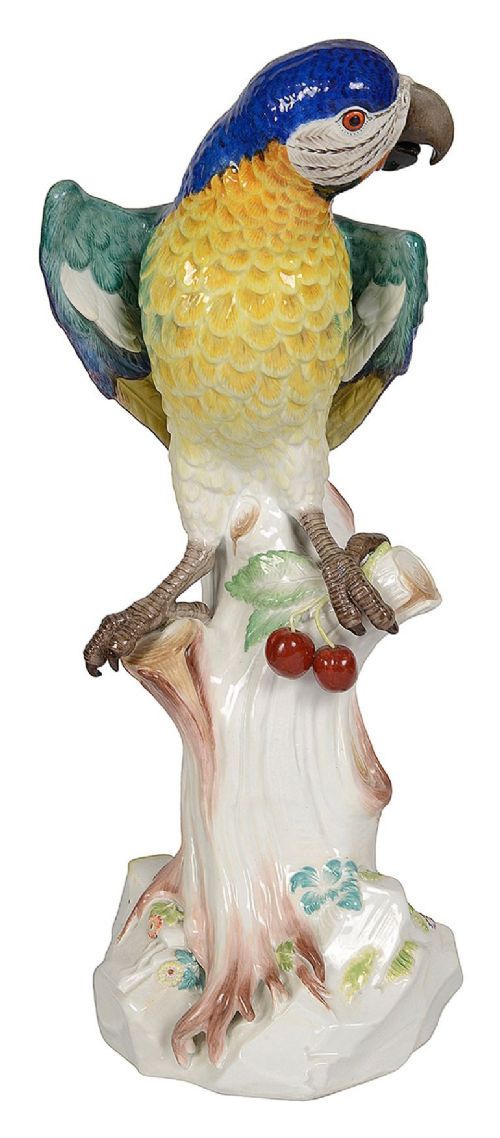
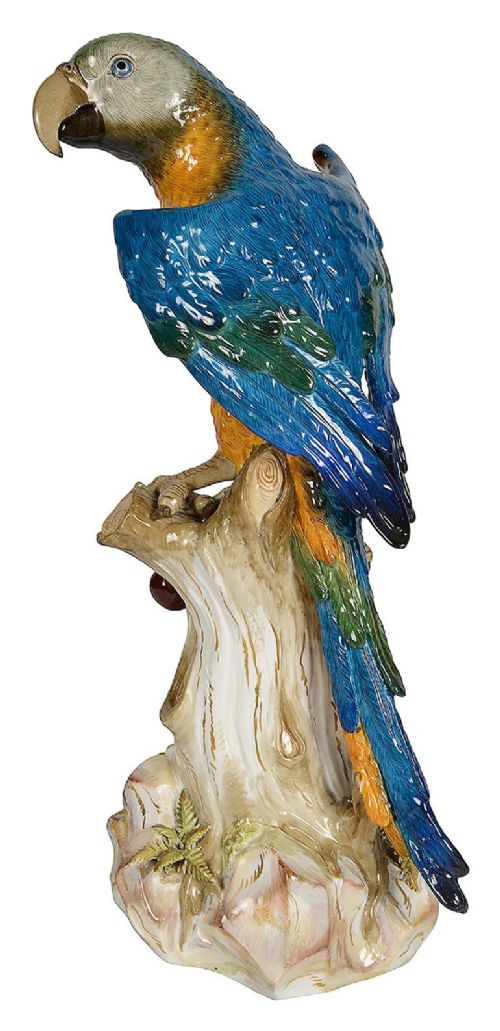
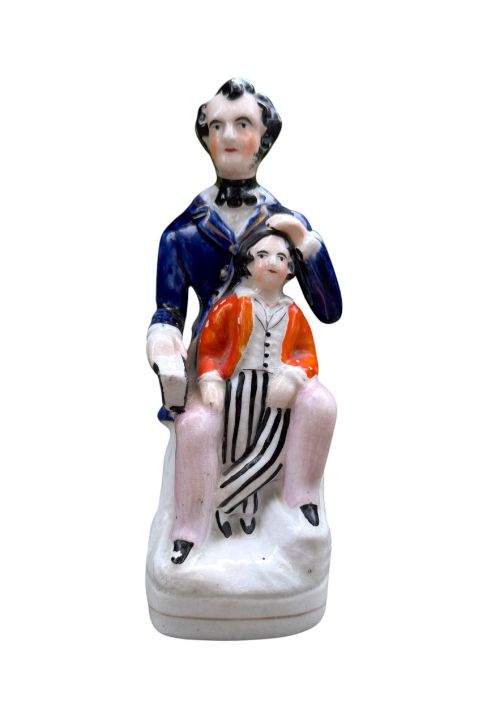
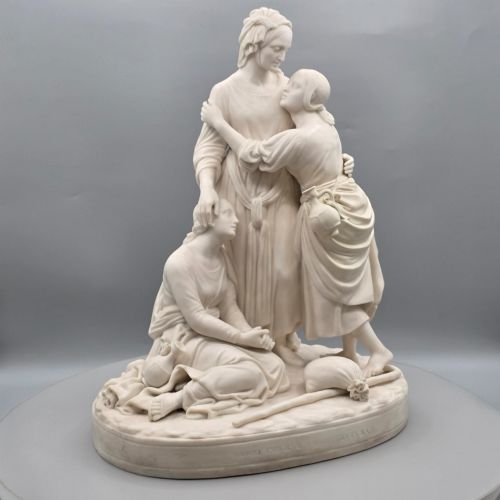
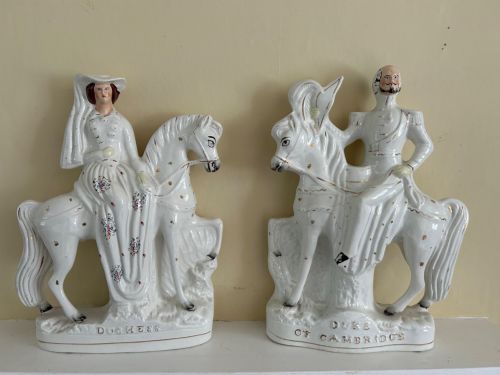
Victorian ceramic figures capture the subjects that fascinated nineteenth-century households, from royal figures to theatrical pairs and majestic animals like lions, unicorns, and goats. These pieces arrive in various forms including decorative figurines and pottery figures that once adorned mantelpieces across Britain.
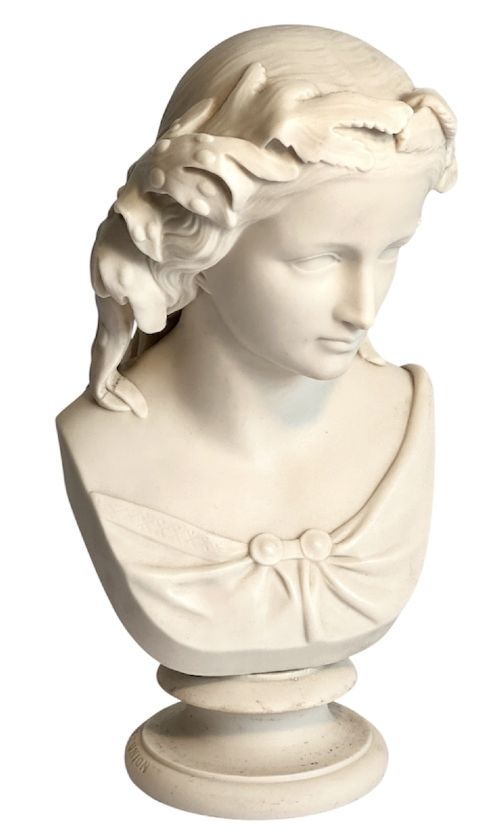
The selection on this page centres on earthenware and bisque porcelain, reflecting the dominant output of nineteenth-century kilns. Buyers often encounter Staffordshire flatback pottery figures designed specifically to be viewed from the front when displayed against a wall.
Manufacture and materials
Potters shaped these figures primarily from earthenware and bisque porcelain, applying lead glaze and enamel paint to bring the surfaces to life. Artisans added final touches of gilt and gilding to highlight details on garments, regal attributes, and bases.
Makers utilised traditional moulding techniques to form the figures before hand-painting the enamel colours and firing the pieces in kilns. The combination of glaze and enamel created the distinctive sheen and durable finishes seen across nineteenth-century examples.
Retail Price Guide 2026
Typical UK retail prices for victorian ceramic figures, calculated from the Sellingantiques database of over a million retail prices indexed since 2003. This retail price guide relies exclusively on Sellingantiques data; no external sources or auction records are used, so the figures do not describe the wider market.
Listings feature Victorian earthenware and bisque porcelain pieces, encompassing both Staffordshire pottery and detailed nineteenth-century figurines.
Judging quality
Quality in these ceramic figures rests on the crispness of the moulding and the skill of the hand-painted enamel work. Superior examples display carefully applied gilding and expressive facial details that lift them far above mass-produced counterparts.
The balance of the composition and the preservation of the original lead glaze also distinguish the finer pieces in a collection. Subtle variations in the brushwork reveal the individual hand of the decorator, marking out the more accomplished nineteenth-century workshops.
Staffordshire potteries
The Victorian Ceramic Figures Glossary
- Staffordshire flatback
- A type of nineteenth-century pottery figure moulded with a flat, unpainted rear designed to sit neatly against a mantelpiece or shelf.
- Bisque porcelain
- Unglazed porcelain with a matte, tactile finish that resembles smooth marble, often utilised for fine nineteenth-century figures.
- Lead glaze
- A glossy coating applied to earthenware before firing to impart a shiny protective surface and deepen the underlying colours.
- Gilding
- The application of gold leaf or gold paint to highlight specific decorative elements such as crowns, bases, and costume details.
Frequently Asked Questions
What are Staffordshire flatback figures?
Staffordshire flatback figures are nineteenth-century ceramic sculptures designed with a finished front and a flat unpainted back. This clever construction allowed them to sit flush against the wall on a mantelpiece.
Potters created these pieces in wide-ranging subjects from theatrical characters to royalty. They remain among the most recognizable ceramic forms from the period.
How were Victorian ceramic figures painted?
Artisans decorated these figures using enamel paints applied directly over or under the glaze. They often added delicate touches of gold leaf or gilding by hand.
The fired pigments created durable colours that survived generations of household display. Each decorator brought a slightly different touch to the brushwork.
Where should I display ceramic figures?
These pieces traditionally sat upon mantelpieces, sideboards, and bookshelves in nineteenth-century homes. Their flat backs make them ideal for narrow shelves where depth is limited.
Keep them away from direct sunlight and heavy foot traffic areas to protect the delicate enamel paint and glaze. A stable surface ensures these heavy earthenware pieces remain secure.
How do I identify nineteenth century figures?
Look closely at the materials, noting the use of earthenware, lead glaze, and hand-applied enamel colours. Subject matter often provides strong clues, featuring Victorian theatrical personalities, royals, or symbolic animals.
Stylistic conventions of the period dictate the forms and proportions of the figures. Comparing the modelling quality helps place the piece within the nineteenth century.