
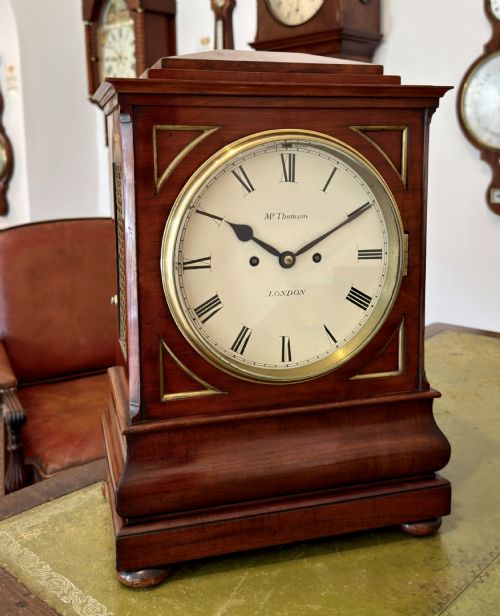
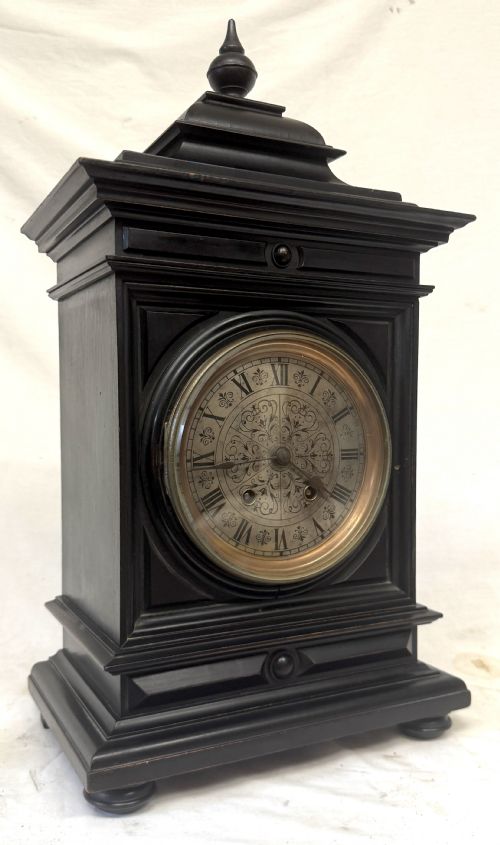
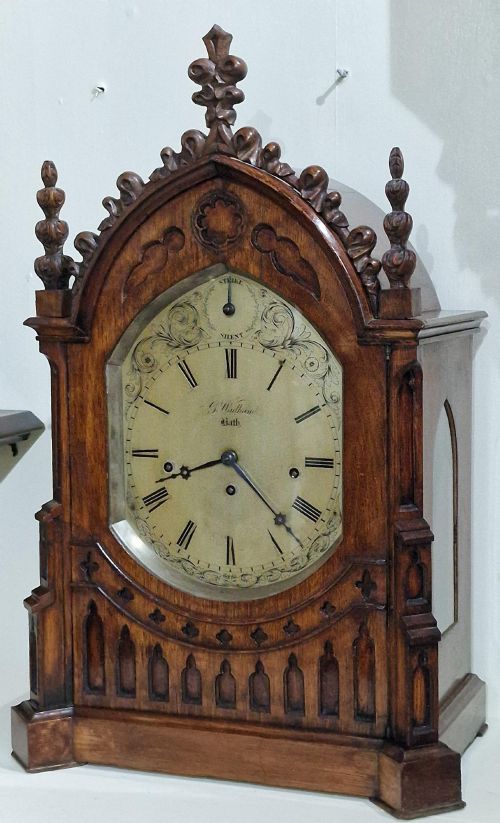
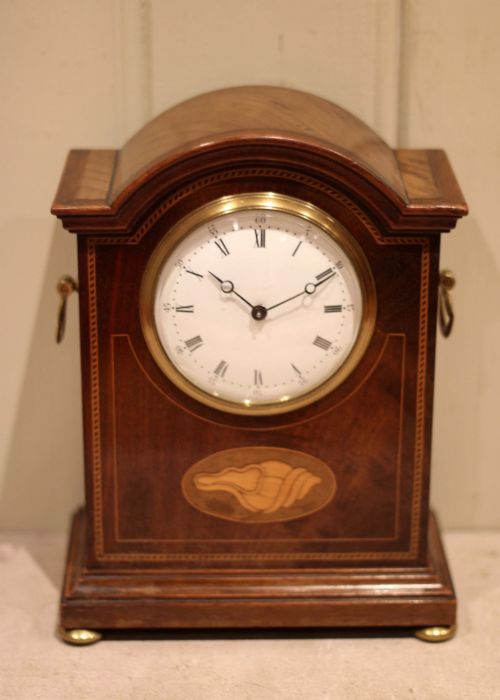
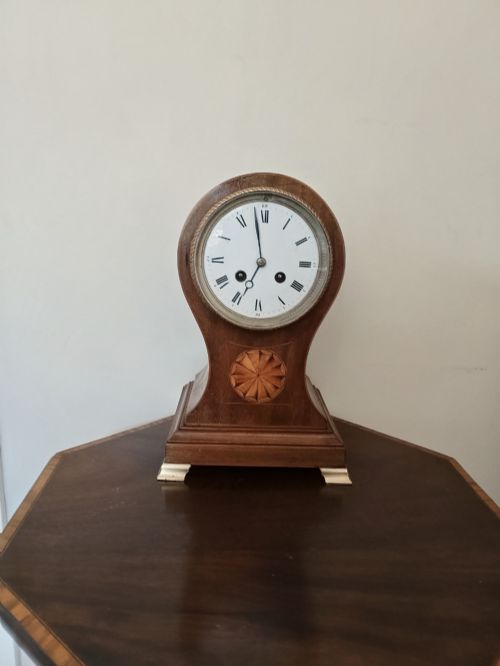
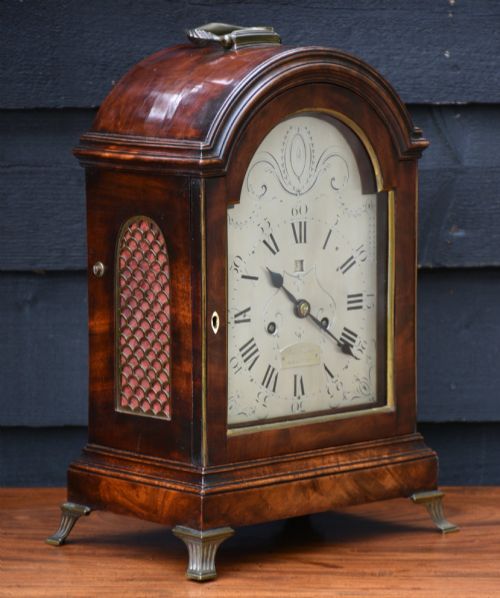
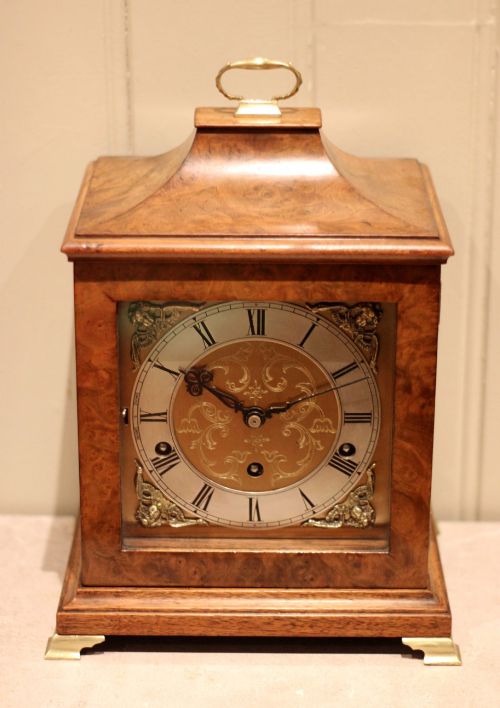
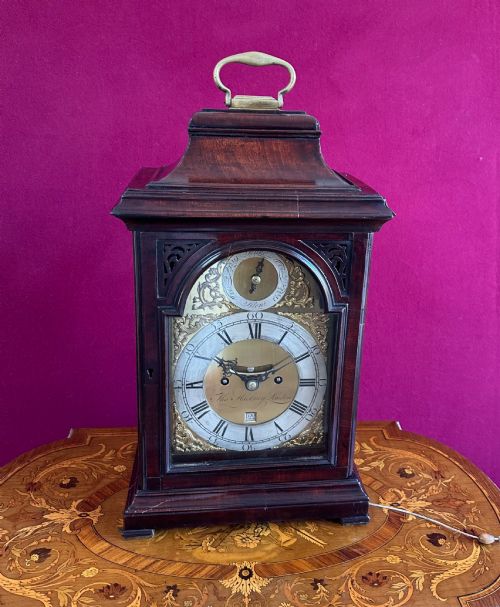

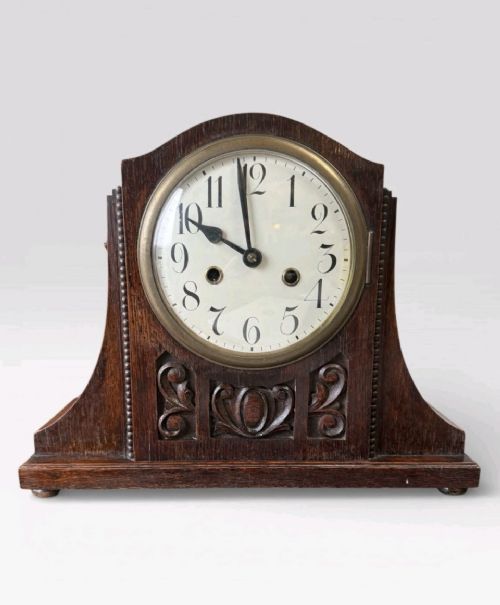


Traditional Wooden Bracket Clock
A traditional wooden bracket clock brings mechanical movement and warm timber presence to a room, drawing the eye with classic brass dials and architectural cases.
Traditional Wooden Bracket Clock
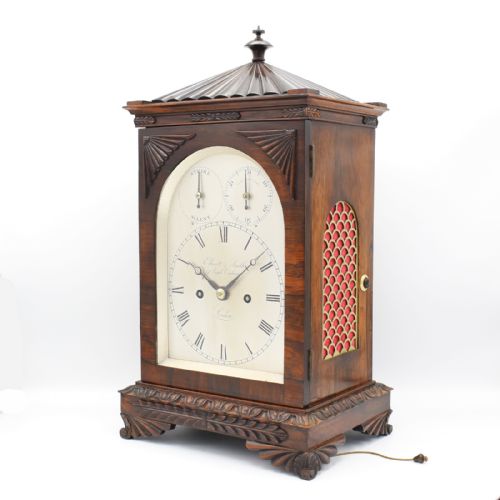
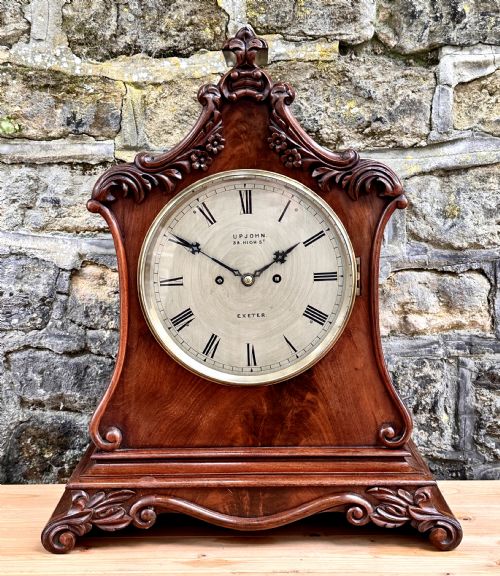
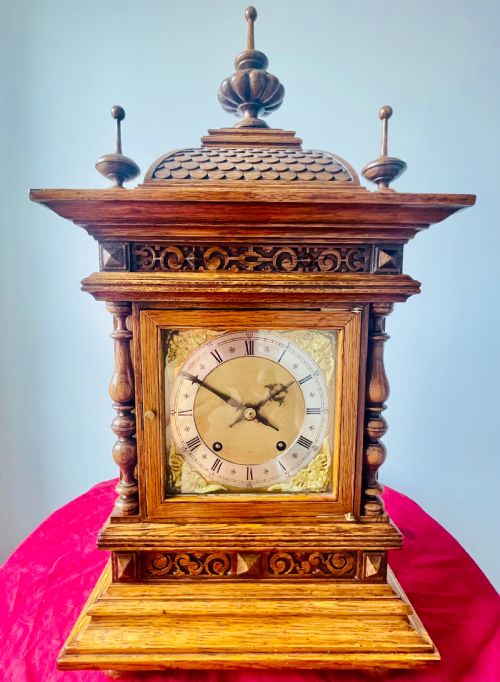
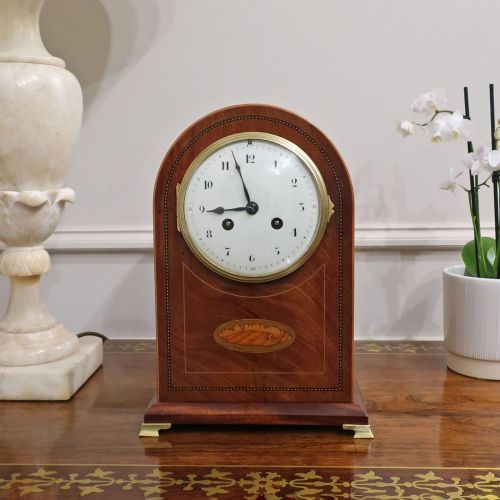
A traditional wooden bracket clock is a portable timepiece designed originally to sit on a wall bracket or table surface. The pieces on this page span several centuries, including Georgian, Victorian, and Edwardian eras, reflecting enduring domestic utility.
Most examples found here appear in forms such as bracket clocks, mantel clocks, and table clocks. Mahogany and oak dominate the timber choices, frequently paired with brass mounts and glass panels to protect the dial.
Makers and retailers like Mappin & Webb and various London horologists feature heavily alongside provincial makers. Styles range from plain Regency proportions to ornate Gothic Revival and George II revivals.
How they were made
Cabinetmakers constructed the wooden cases primarily from solid mahogany, walnut, and oak, occasionally utilising satinwood and ebonised wood for contrast. Inlays and brass fittings added decorative weight to the architectural silhouettes.
Clockmakers fitted mechanical movements, often featuring fusee or verge escapements, driven by weights or springs and regulated by pendulums or balances. Silvered or white enamel dials carried the numerals, protected behind hinged glass bezels.
Some clocks feature silent/strike levers, letting owners sleep peacefully while the internal mechanical gears continue their steady work.
What varies in quality
The refinement of the cabinetwork and the sophistication of the internal movement separate standard examples from finer commissions. Heavy timber selection, crisp brass casting, and precise dial engraving distinguish superior pieces.
Signatures by notable makers or London watchmakers add historical weight to a clock, as do complex movements offering quarter-striking or Westminster chimes.
Thomson of London·Lenzkirch·George Wadham·Mappin & Webb·Ellicott & Smith·Winterhalder·L Vick of Stroud·Webster Cornhill London·Thomas Moss·Turner of London·Cording of London·Connell of London·W Burton·Piggin Norwich
The Traditional Wooden Bracket Clock Glossary
- Fusee
- A conical pulley used in mechanical clocks to maintain an even pull on the movement as the mainspring unwinds. This mechanism ensures more consistent timekeeping throughout the power reserve.
- Verge escapement
- An early type of escapement mechanism that controls the release of the gear train. It is commonly found on the earliest Georgian examples in this collection.
- Silvered dial
- A brass clock face treated with a silver solution and engraved with numerals. The technique produces a subtle matte finish that catches ambient light.
- Bracket clock
- A portable domestic clock historically housed with its own matching wall shelf. Over time, the term came to describe larger table and mantel clocks of similar architectural build.
Traditional Wooden Bracket Clock: Frequently Asked Questions
What is a bracket clock?
A bracket clock is a portable mechanical clock originally built to rest upon a wall-mounted wooden bracket or a tabletop.
Over centuries, the form evolved from weight-driven hanging clocks into spring-driven table and mantel pieces designed for domestic utility.
How do fusee movements work?
A fusee movement uses a conical pulley connected to the mainspring via a fine chain or cord. As the spring loses tension, the chain moves to a wider part of the cone to maintain steady power.
This clever mechanical adjustment helps the clock keep more accurate time as it runs down between winds.
Where should I place my clock?
Traditional wooden bracket clocks suit stable flat surfaces like mantelpieces, sideboards, or dedicated wall shelves. They require a level foundation so the mechanical pendulum or balance swings evenly.
Keep them away from direct sunlight, draughts, and damp walls to protect the wood and internal brass work.
How do I date a wooden clock?
Dating relies on stylistic clues like timber choice, case shape, dial materials, and the maker's signature. Georgian pieces often display restrained mahogany veneers, while Victorian and Edwardian examples bring heavier carvings or revival styles.
Internal movement types also shift over the decades, moving from early verge escapements to later fusee and mechanical striking trains.