


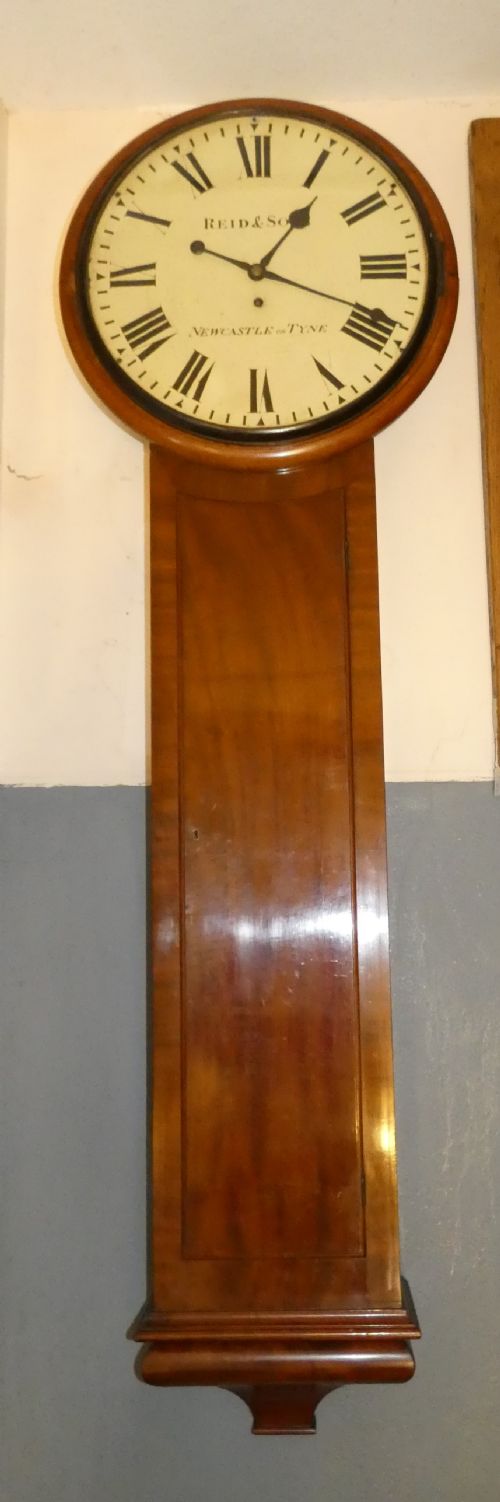


Antique Horological Clock
An antique horological clock measures time through mechanical mastery, bringing centuries of skilled craftsmanship and brass movement into daily life.

Antique Horological Clock
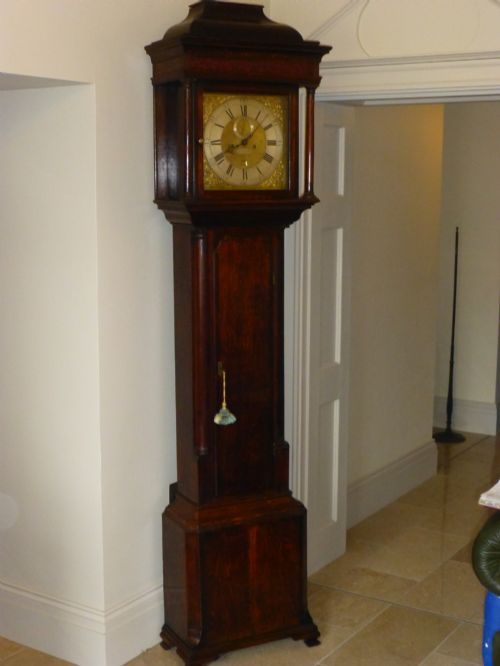
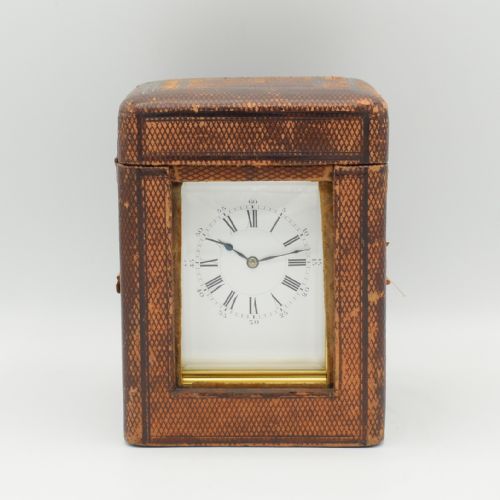
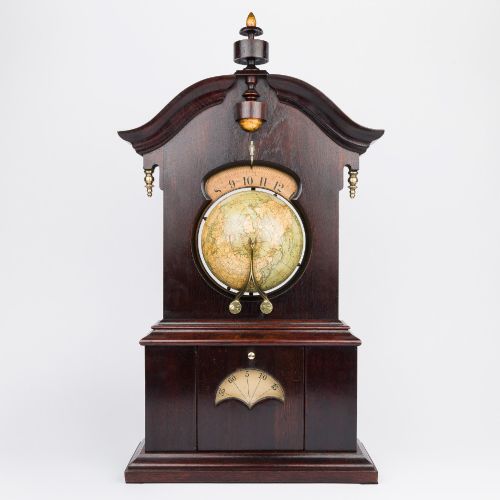
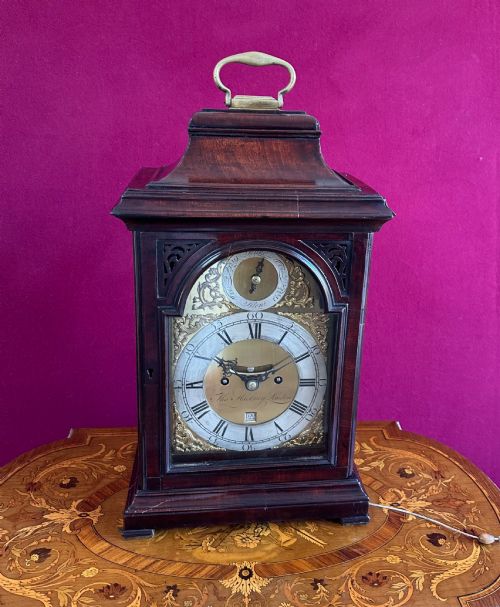
An antique horological clock represents mechanical timekeeping spanning from the seventeenth century through the twentieth century, encompassing diverse forms such as longcase clocks, carriage clocks, bracket clocks, and skeleton clocks. These pieces combine utilitarian time measurement with decorative cabinetry and metalwork, reflecting the domestic and scientific demands of their respective eras.
The selection on this page most frequently presents brass carriage clocks, intricate skeleton clocks, and robust longcase clocks housed in oak, mahogany, or walnut. Makers from Britain and France dominate these records, ranging from provincial longcase specialists to renowned precision carriage clock workshops.
Examples stretch across Georgian, Victorian, Edwardian, and Regency styles, alongside specialised forms like electric clocks, desk compendiums, and regulator wall clocks. Each piece preserves the mechanical character and aesthetic preferences of its period, whether through gravity, springs, or electrical impulses.
Materials and construction methods
The construction of these timepieces relies heavily upon brass for wheel trains, plates, and dials, paired with steel for pinions, springs, and escapements. Cases utilise timber frames of mahogany, oak, walnut, or ebony, frequently enhanced with glass panels, gilt bronze, and champleve enamel.
Movement assembly involved hand-cutting gear teeth, filing plates, and mounting delicate escapements such as the verge, fusee, or coup perdu detent. Cabinetmakers shaped the timber housings to protect the mechanisms while displaying the dial through brass bezels or glazed doors.
Antique Horological Clock Retail Price Guide 2026
Typical asking prices for horological clock among the pieces listed under this phrase on Sellingantiques today, from the lower quarter to the upper quarter. They describe what is for sale here now, not the wider market.
Listings feature movements spanning the 17th, 18th, 19th, and 20th centuries, housed in mahogany, oak, walnut, and brass.
What separates examples in quality
Quality in these mechanisms lies in the precision of the gear train, the complexity of the complication such as grand sonnerie or quarter repeating strikes, and the reputation of the maker. Finer movements feature polished steel components, jewelled bearings, and careful hand-engraving on dials and backplates.
Richard Corless of Stockport·Henri Jacot·Antoine Redier of Paris·Brunelot·L Epee·Joseph Windmills·Guilmet·Jas Whitelaw of Edinburgh·William Evans of Handsworth·Drocourt and Holingue·Mathias Bauerle·Standring of Bolton·Perigal and Duterrau·Andre Guilmet·Bulle·John Walker·James Maitland·Barwise London
The Antique Horological Clock Glossary
- Fusee
- A conical pulley used in spring-driven clocks to ensure uniform power delivery as the mainspring unwinds. This mechanical device compensates for the decreasing torque of a relaxing spring.
- Escapement
- The mechanism that controls the release of power from the gear train to the pendulum or balance wheel. It delivers small impulses to keep the regulator swinging and translates motion into countable beats.
- Carriage clock
- A portable spring-driven timepiece developed for travel during the nineteenth century. These clocks usually feature a brass and glass case with a folding handle on top.
- Skeleton clock
- A timepiece designed with an open framework that exposes the entire gear train and movement plates to view. They emerged primarily in the Victorian era to showcase the intricate mechanics of timekeeping.
- Regulator
- A precision pendulum clock designed for exceptional accuracy and timekeeping reference. These clocks often feature long pendulums and clear, separated dials for hours, minutes, and seconds.
- Verge
- An early type of escapement utilising a crown wheel and pallets on a rocking axis. It provides the regulating action in many seventeenth and eighteenth century bracket and longcase clocks.
Antique Horological Clock: Frequently Asked Questions
How do I wind a mechanical carriage clock?
Wind the movement using a fitting key inserted into the arbours located on the backplate or base. Turn gently until resistance indicates the mainspring is fully tensioned.
Avoid overwinding, as this strains the spring and can damage the delicate internal teeth of the wheel train.
What is the difference between a timepiece and a clock?
A timepiece refers strictly to a mechanism that measures and indicates the time without any striking or chiming trains. A clock includes additional gear trains designed to ring bells or gongs at set intervals.
Many antique examples exist in both forms, depending on whether domestic owners required audible hour markers.
How were longcase clocks used in the home?
Longcase clocks served as the primary household timekeeper in hallways and living spaces, offering reliable time alongside calendar or phase displays. Their heavy lead or brass weights provided continuous power over eight-day or thirty-hour cycles.
Households relied on their steady beat and audible chimes to structure daily domestic routines.
Where should I place a skeleton clock?
Place a skeleton clock on a stable, level surface away from direct sunlight, draughts, and high humidity to protect the exposed metalwork and oils. Many Victorian examples include glass domes that rest over the frame to keep dust away from the delicate gear train.
Position the clock where its moving balance wheel and visible escapement can be observed clearly.