



English Fusee Timepiece
These English fusee timepiece examples are precise mechanical clocks driven by a spring and a cone-shaped pulley.

Understanding English fusee timepiece pieces
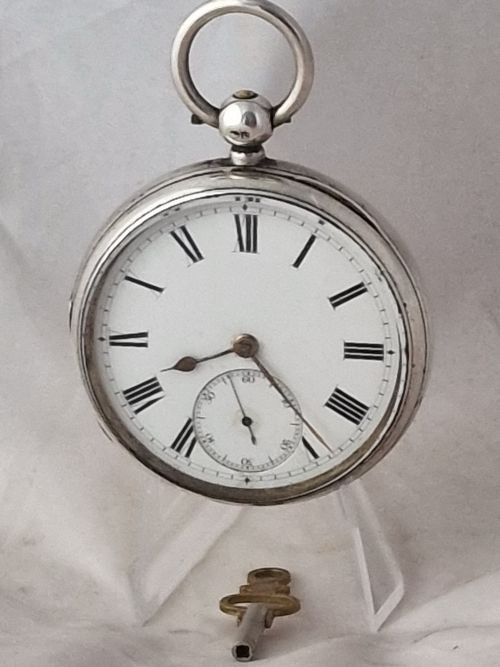
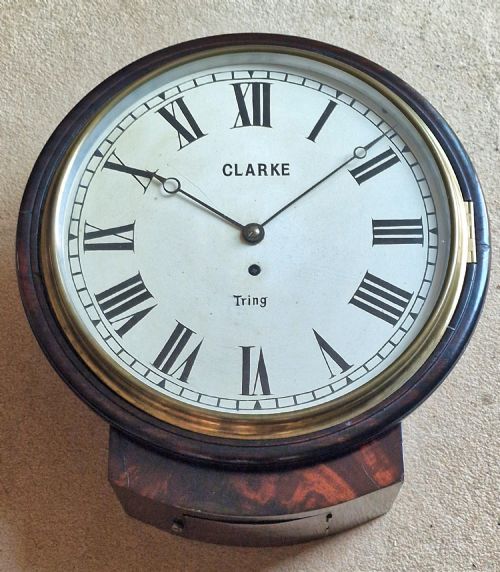
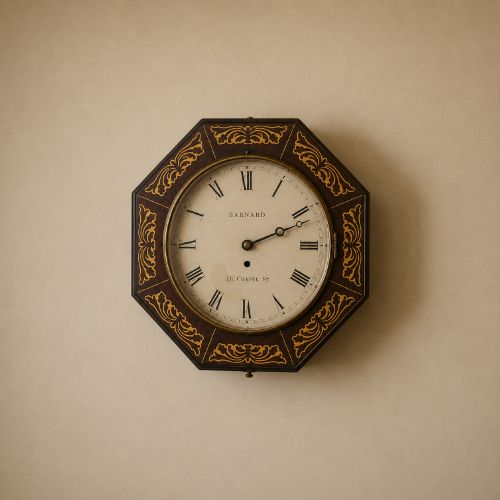
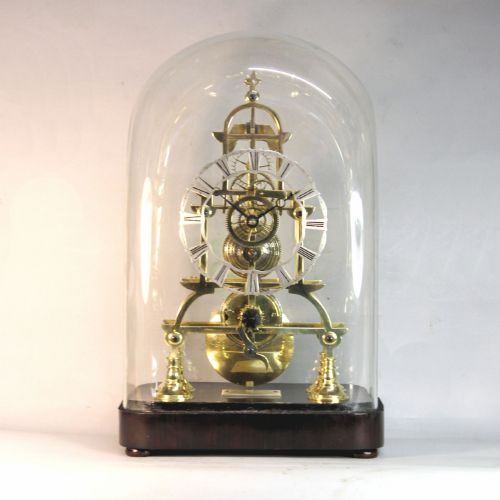
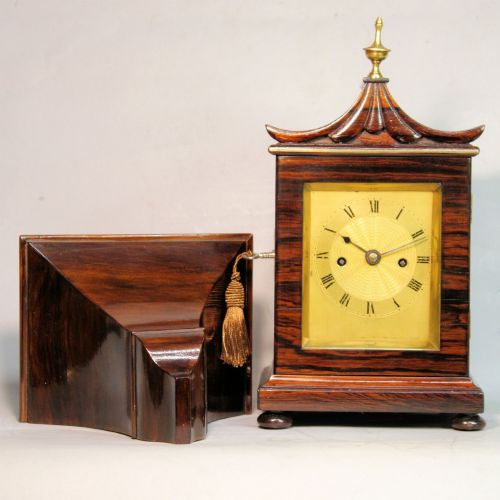
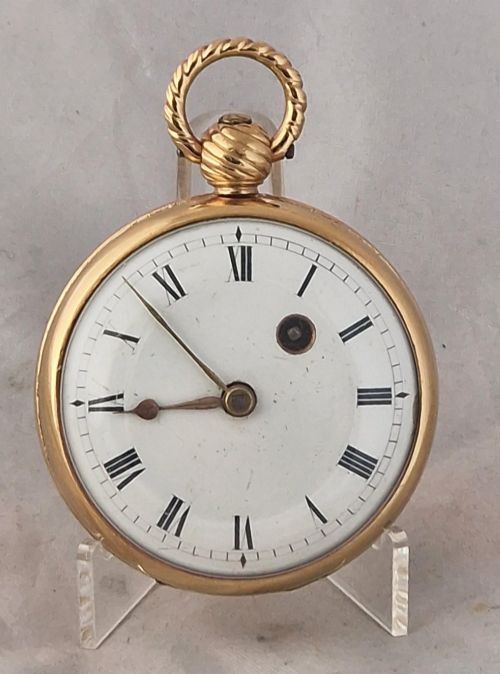
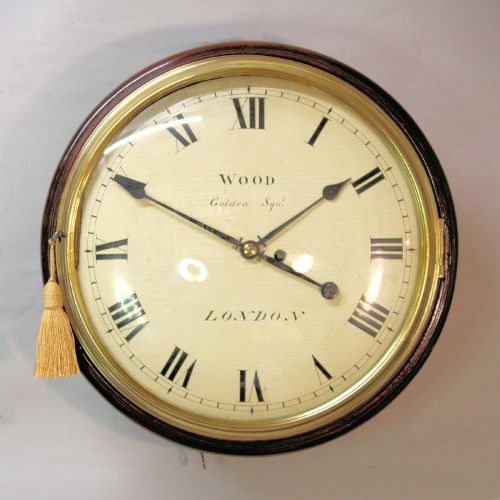
An English fusee timepiece is a mechanical clock that relies on a fusee movement to equalise the pull of the mainspring as it unwinds. You will encounter these as library clocks housed in glass or timber cases, and as wall-mounted dial clocks suited for domestic or commercial spaces.
The selections span from the early nineteenth century through the Victorian era up to the twentieth century, with styles ranging from plain dial wall clocks to elaborate library pieces. Makers working in London and provincial towns produced these variations for different rooms in the house.
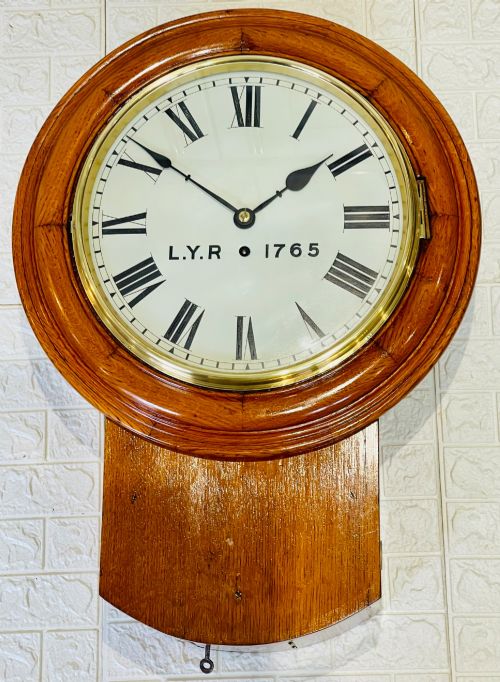
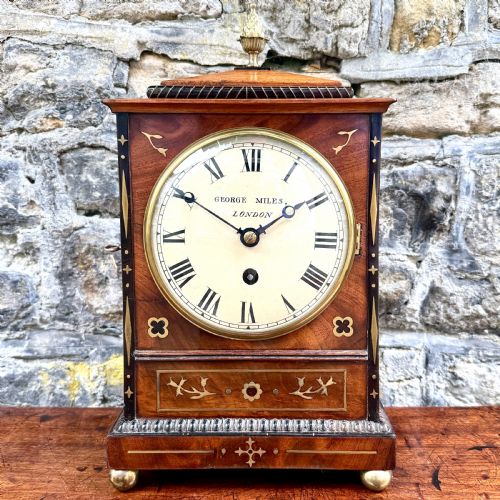
Wall clocks typically feature round painted dials behind glass bezels with wooden surrounds, while library pieces sit enclosed within four glass panels or wooden table cases. Both formats share the fundamental timekeeping mechanism without striking trains.
Materials and construction
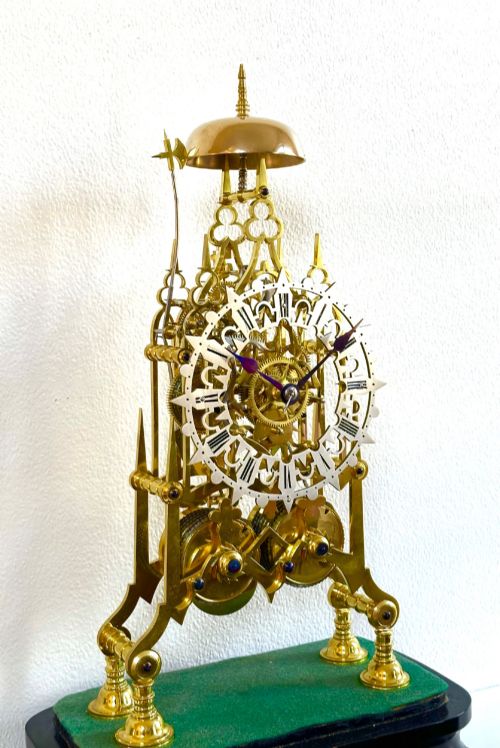
The movements are constructed from brass and iron, incorporating gear trains and the defining fusee cone connected to the spring barrel via a chain or cord. Escapements regulate the release of power to maintain steady movement across the duration of the wind.
Cases utilise timber such as mahogany, satinwood, and ebonised wood, often paired with brass bezels, gilt brass mounts, and glass panels. Dials are painted and fitted with metal hands, sometimes accompanied by decorative elements like malachite or carved wooden details.
Retail Price Guide 2026
Typical UK retail prices for english fusee timepiece, calculated from the Sellingantiques database of over a million retail prices indexed since 2003. This retail price guide relies exclusively on Sellingantiques data; no external sources or auction records are used, so the figures do not describe the wider market.
Listings feature mahogany, satinwood, ebonised wood, and malachite cases paired with brass, gilt brass, and glass elements.
Gradations in quality
Quality reveals itself in the crispness of the movement components, the precise cutting of the fusee cone, and the finish of the brasswork. Finer examples display meticulous attention to the engraving on the dial or backplate and the selection of figured timber for the case.
Proportion and case architecture distinguish standard production from exceptional pieces. The integration of specialty materials like satinwood, malachite, or gilt bronze alongside signed movements by known makers elevates the standing of an individual clock.

Phillips Brothers·Edward Hannam·John Massey·Francis Correll·James Hargraves·William Long
The English Fusee Timepiece Glossary
- Fusee
- A conical pulley designed to equalise the diminishing power of the mainspring as it runs down. This mechanism ensures uniform force is delivered to the gear train throughout the eight-day duration.
- Timepiece
- A clock that tells the time without striking bells or gongs on the hour. These mechanisms focus entirely on the precision of the going train.
- Drop-dial
- A wall clock case featuring an extended lower trunk below the round dial, often used to house a longer pendulum or simply to balance the proportions. The drop case is typically made of mahogany or ebonised wood.
- Verge escapement
- An early type of escapement mechanism that controls the rotation of the escape wheel. It works with a balance wheel or pendulum to regulate the beats of the clock.
- Library clock
- A portable table clock designed for domestic interiors, frequently enclosed in a glass case or a wooden housing with glazed panels. These pieces often feature fine brass handles and decorative mounts.
Frequently Asked Questions
What is a fusee movement?
A fusee movement uses a conical pulley and a cord or chain to regulate the power delivered by the mainspring. As the spring unwinds, the chain pulls on a wider part of the cone to maintain consistent torque.
This clever mechanical arrangement compensates for the drop in spring tension, helping the clock maintain more accurate time over its running period.
How long does a timepiece run?
Many of these clocks are eight-day duration timepieces, meaning they require winding approximately once a week. The exact duration depends on the specific design of the gear train and the mainspring strength.
Regular winding keeps the tension steady and ensures the movement functions correctly without losing time.
Where were wall dial clocks placed?
Drop-dial wall clocks were commonly hung in hallways, offices, kitchens, and public rooms where clear visibility and reliable timekeeping were required. Their sturdy wooden cases and bold painted dials made them practical for daily use.
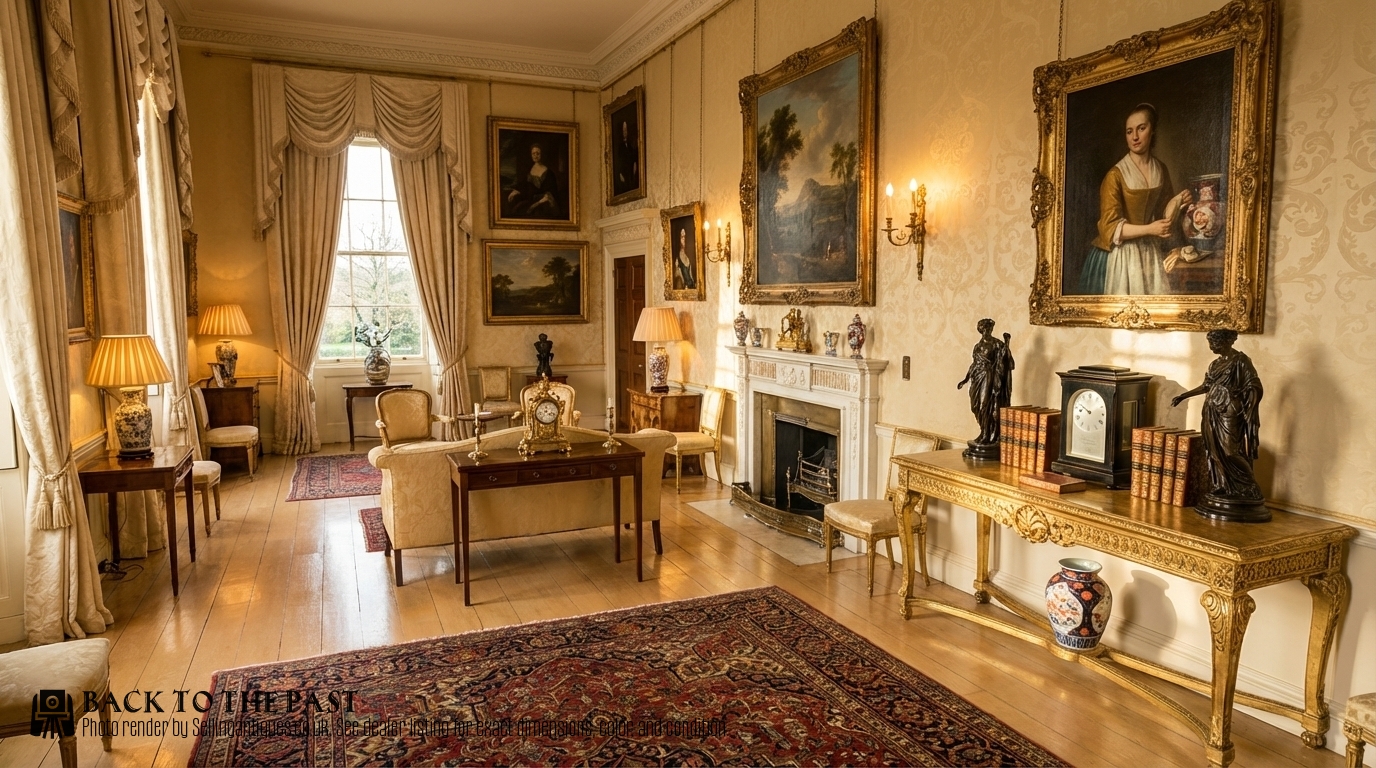
Library clocks were designed for smaller spaces like studies or drawing rooms, sitting on desks, tables, or mantel shelves.
How do I identify a Victorian fusee clock?
Victorian examples often display characteristics typical of mid to late nineteenth-century craftsmanship, such as mahogany or ebonised timber cases and painted dials behind brass bezels. Maker signatures on the dial or movement backplate often provide specific clues to the period.
Comparing the case style, timber choice, and dial execution against documented pieces helps place the clock within its historical era.