

19th Century Timepiece
A 19th century timepiece offers mechanical precision housed in brass, marble, and mahogany, bringing period horology into daily rooms.
19th Century Timepiece
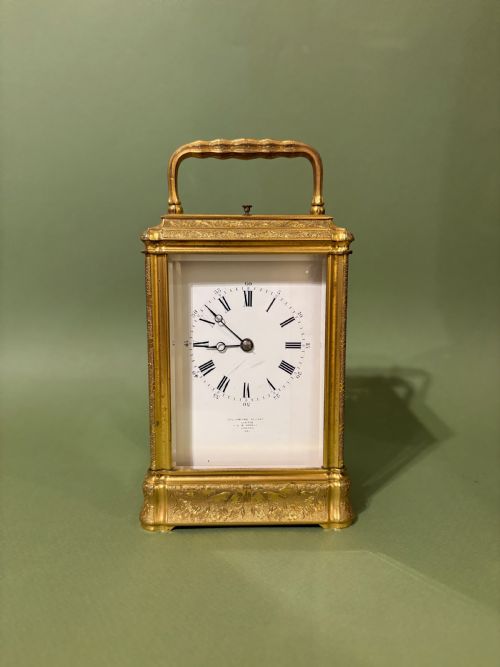
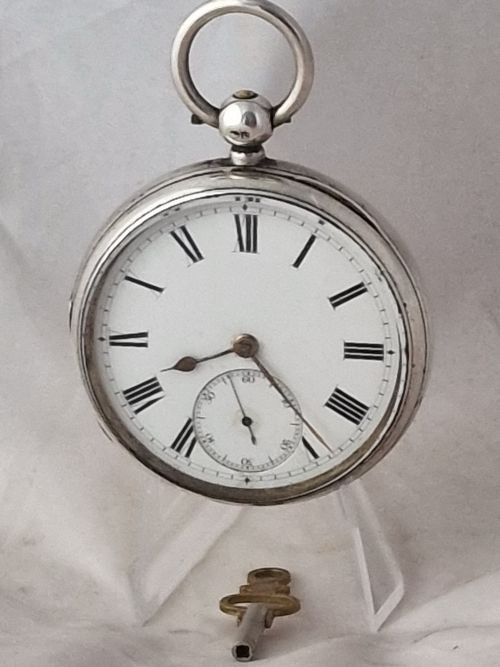
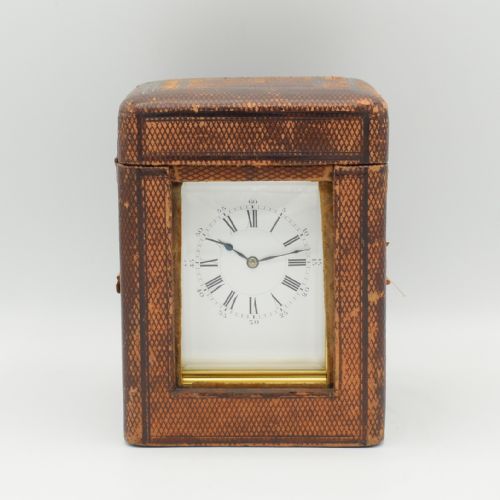
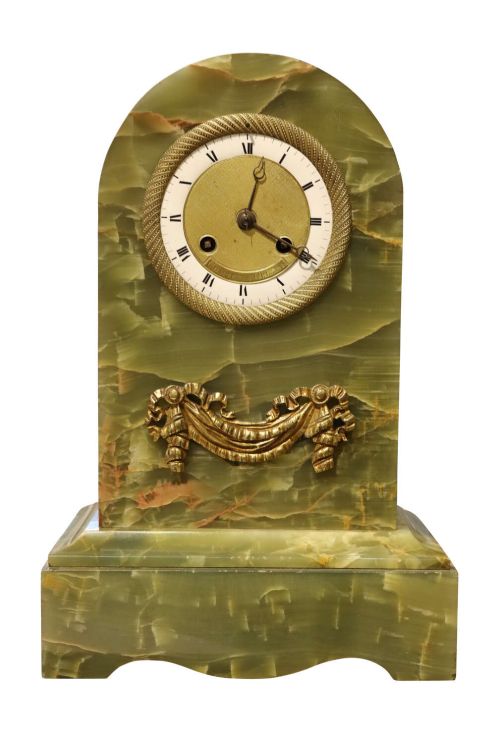
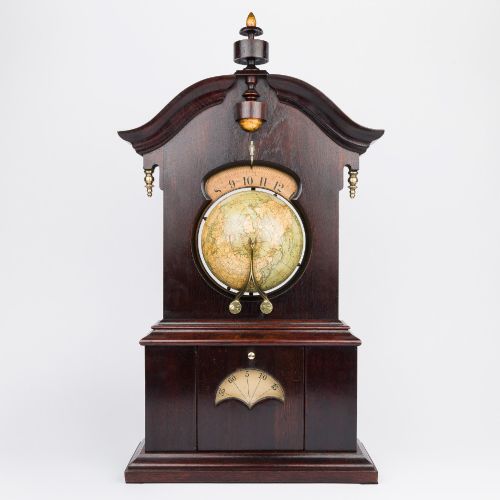
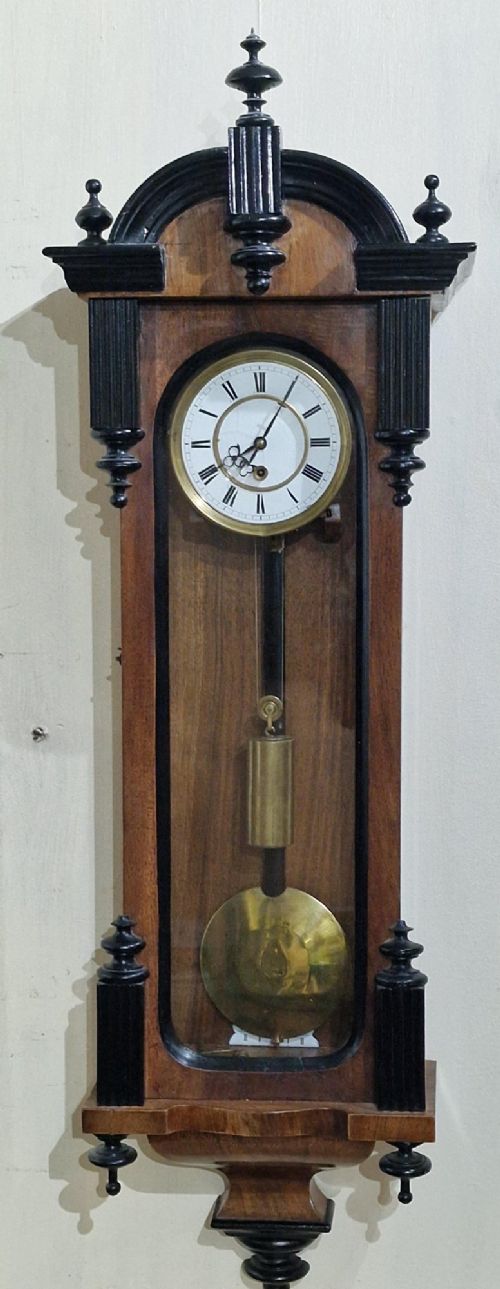
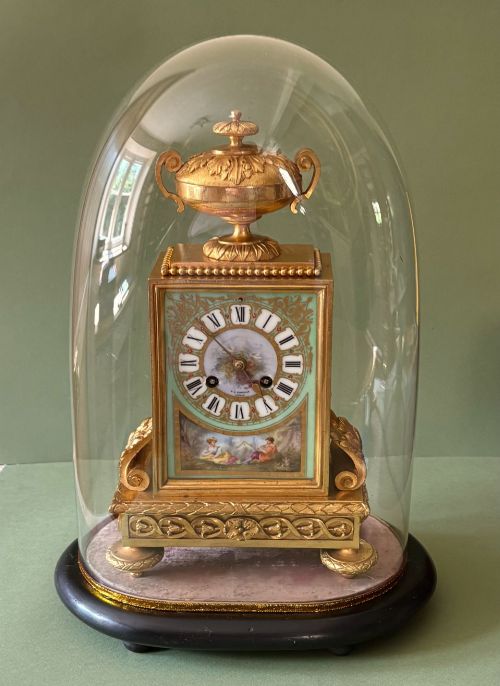
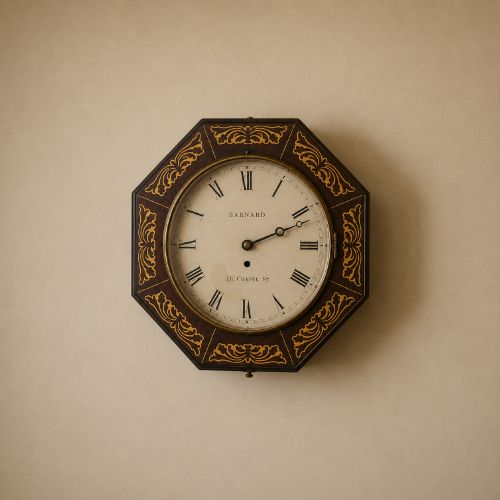
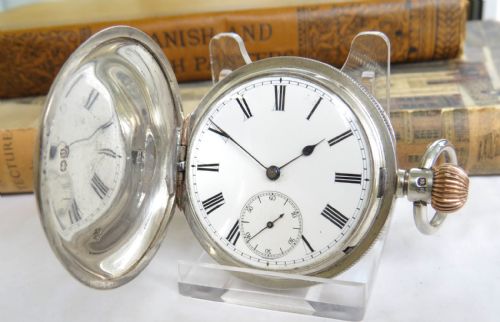
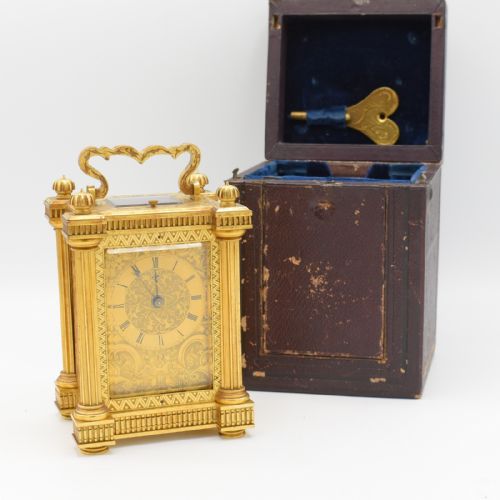
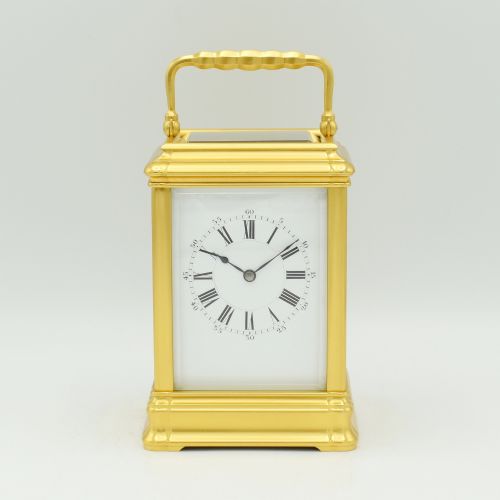
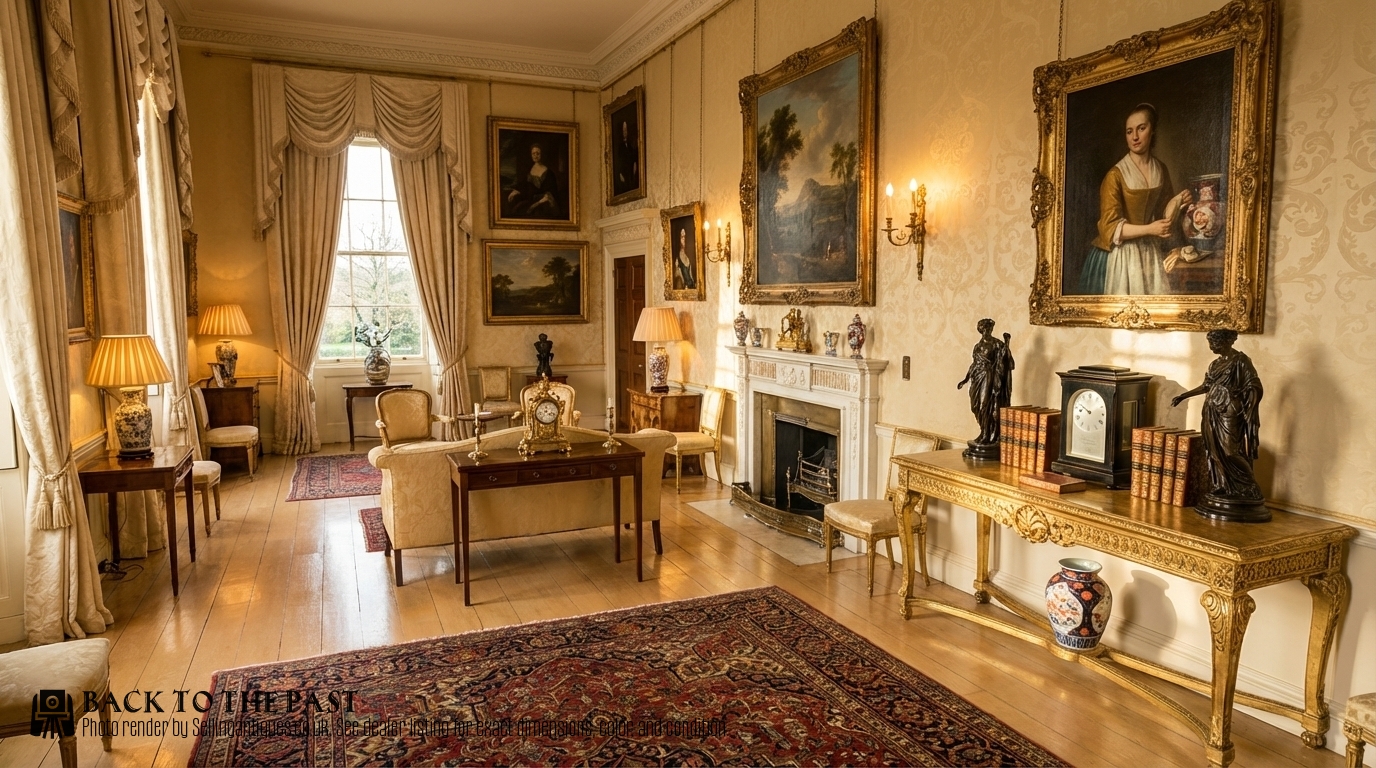
A 19th century timepiece encompasses portable carriage clocks, heavy mantel models in marble and bronze, wall dials, pocket watches, and architectural bracket clocks. These instruments served both domestic utility and decorative display across Victorian parlours and Regency libraries.
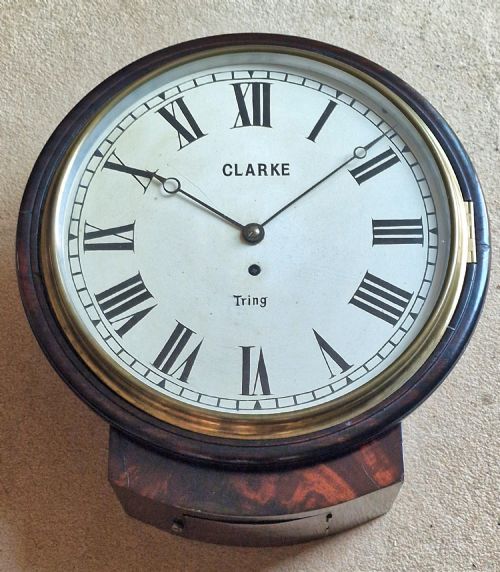
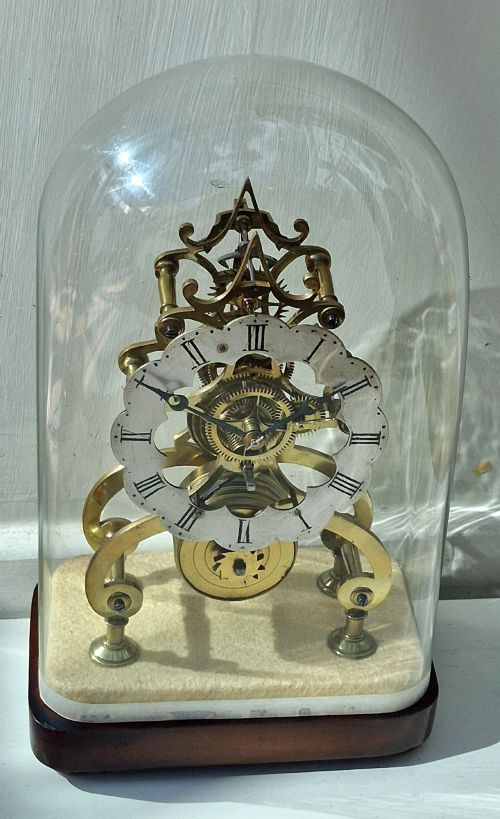
Carriage clocks and French striking models dominate the available selection, often found alongside English fusee wall clocks and skeleton movements. Buyers encounter diverse regional workshops from London makers to Parisian horologists working in gilt brass and porcelain.
The materials span traditional cabinet woods like mahogany and rosewood, paired with glass panels, enamel dials, and fire-gilded ormolu mounts. Each piece reflects the dominant tastes of the Victorian period and French Empire styles.
Materials and construction
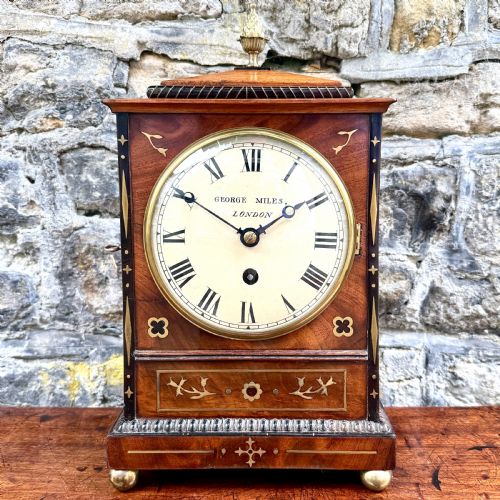
Complex fusee and lever mechanisms drive these instruments, requiring precise hand-cut gear trains and spring-driven or weight-driven power sources. Cabinet makers utilised brass inlay and fire-gilding to ornament the wooden and metal cases.
Listings feature carriage clocks, mantel clocks, and wall clocks spanning the 19th century, utilising brass, mahogany, and marble.
Factors of quality
Quality rests upon the crispness of the cast bronze or carved mahogany case and the refinement of the interior movement. Signed backplates by known makers indicate higher workshop standards than unsigned factory output.
The presence of fully engraved gilt brass gorge cases, intricate porcelain mounts, and original matching travel keys elevate a piece. Superior examples maintain crisp dial enamel and original escapements without modern replacements.
HENRI JACOT·GEORGE CLARKE·DROCOURT PARIS·T MARTIN AND CO·BARRAUD AND LUNDS·WEBSTER CORNHILL LONDON
The 19th Century Timepiece Glossary
- Fusee
- A conical pulley used in clock and watch movements to maintain an even pull as the mainspring unwinds. This mechanism ensures consistent timekeeping accuracy across the power reserve.
- Escapement
- The mechanical linkage that controls the release of power to the pendulum or balance wheel. It gives the characteristic ticking sound of mechanical horology.
- Ormolu
- Finely chopped gold amalgamated with mercury, applied to bronze mounts and heated to leave a durable gold coating. This French technique yields a warm, matte lustre.
- Carriage clock
- A small, portable spring-driven clock originally designed for travel in horse-drawn carriages. They frequently feature glass panels and a swinging handle on top.
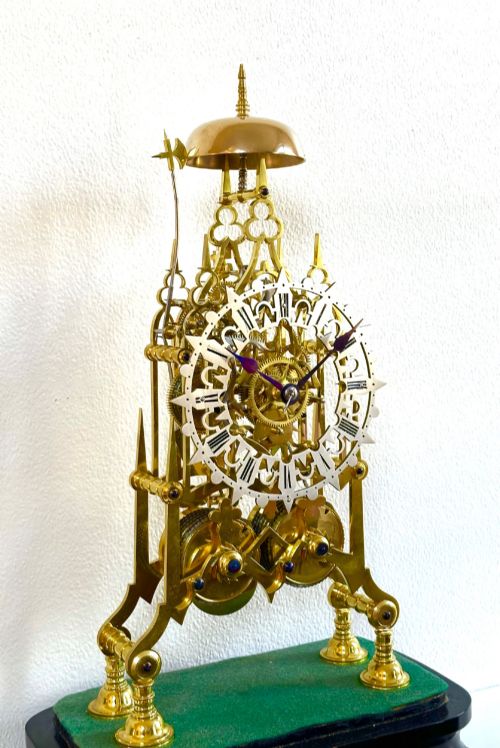
- Skeleton clock
- A timepiece with an open metal framework that exposes the entire gear train and movement to view. These pieces are often protected by a glass dome.
19th Century Timepiece: Frequently Asked Questions
How do you wind a 19th century timepiece?
Winding requires a matching key inserted into the winding squares on the dial or movement backplate, turning gently until resistance stops the barrel. Care must be taken not to overwind the mainspring.
Many antique clocks require a steady hand and adherence to the specific interval of the movement, whether it runs for eight days or thirty hours.
How to tell periods apart?
Stylistic cues distinguish Regency pieces from later Victorian output, with Regency designs favouring clean mahogany lines and brass inlay. Late 19th century French items often exhibit elaborate Rococo revival ormolu and porcelain mounts.
Signatures on the dial or movement backplate, alongside case construction methods, help narrow the decade of production.
Where were these clocks used?
These instruments served as domestic timekeepers in libraries, hallways, and drawing rooms, while smaller carriage models travelled with affluent owners. Wall dials functioned in offices, railway stations, and domestic kitchens for public viewing.
Their placement depended on their striking capabilities and whether they relied on a pendulum or a portable balance wheel.