






Mechanical Pendulum Wall Clock
A mechanical pendulum wall clock brings steady rhythm and polished timber to a room, driven by weights or springs and regulated by a swinging bob.
Mechanical Pendulum Wall Clock
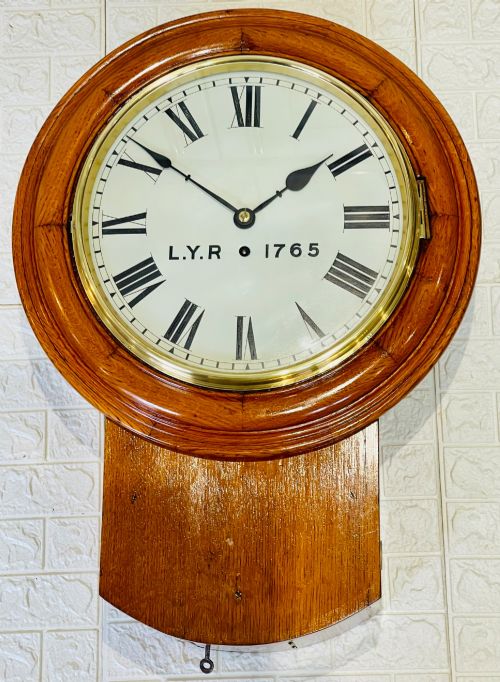
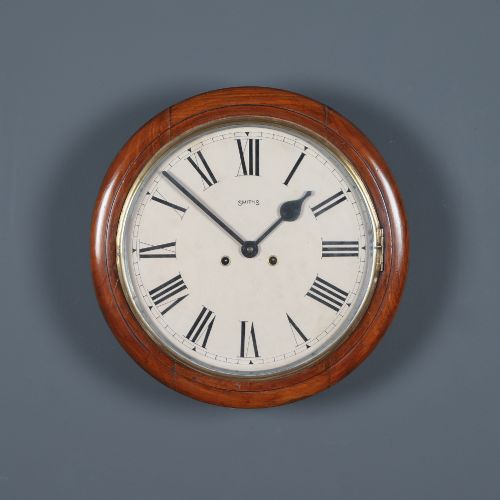
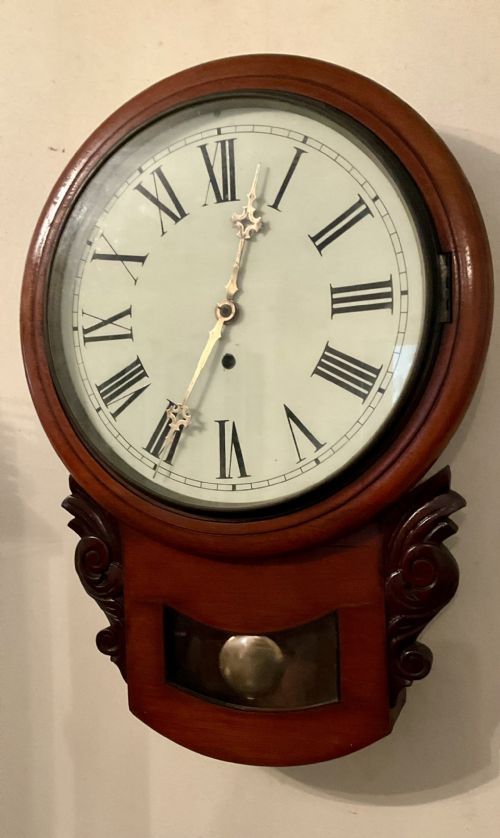
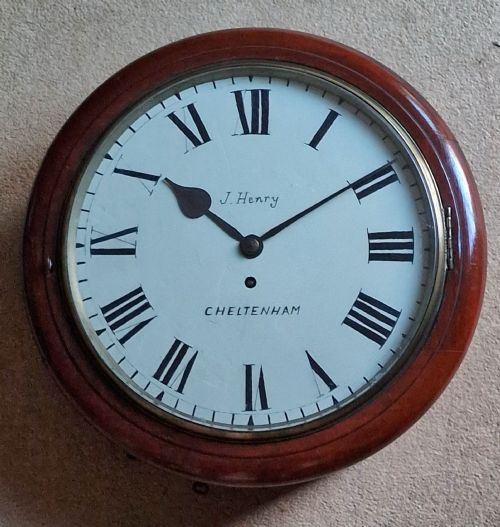
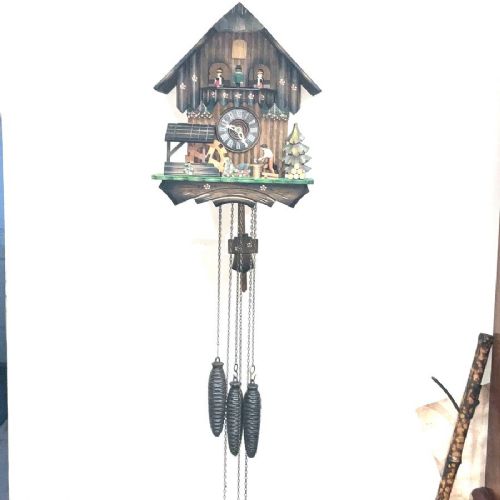
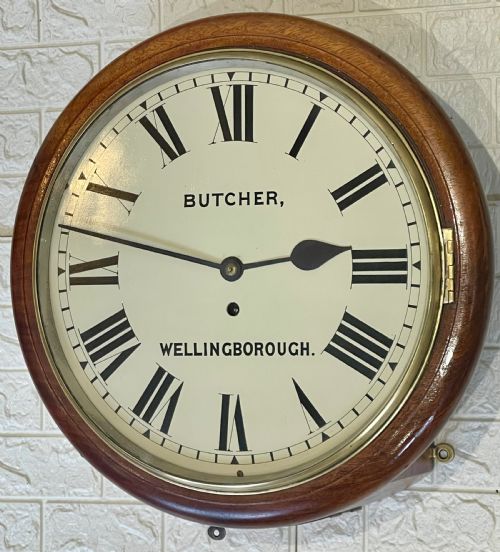
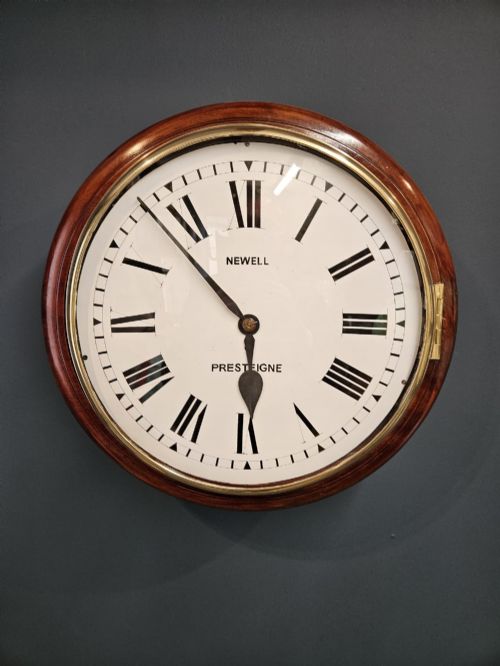
A mechanical pendulum wall clock spans styles from Georgian drop dials to Victorian railway timepieces and Edwardian or Art Deco timber cases. You encounter railway round dials in mahogany or oak alongside carved walnut Black Forest models and double weight Vienna regulators.
The selection ranges across the nineteenth and twentieth centuries, taking in English fusee movements, French carillon designs, and regional station clocks. Timber varieties dominate the options, notably mahogany, walnut, and oak.
How they were made
Cases rely on solid hardwoods like mahogany, walnut, oak, and rosewood, shaped with turned bezels, glass inspection doors, and carved brackets. Dials utilise painted enamel, brass numerals, or convex glass faces to protect the hands.
Movements combine brass gears, iron plates, and steel arbours, powered by weight drops, chains, or spring-driven fusee cones that equalise the pull as the spring unwinds.
Mechanical Pendulum Wall Clock Retail Price Guide 2026
Typical asking prices for mechanical pendulum wall clock among the pieces listed under this phrase on Sellingantiques today, from the lower quarter to the upper quarter. They describe what is for sale here now, not the wider market.
Listings feature movements spanning the 1850s to the 1950s, housed in mahogany, walnut, oak, and rosewood.
What varies in quality
Quality rests in the crispness of the timber carving, the precise weight of the brass movement plates, and the legibility of the painted dial numerals. Maker signatures on the dial or movement elevate a piece above standard utility items.
The sophistication of the strike train - whether a simple gong, a chiming carillon, or a cuckoo automaton - distinguishes standard timekeepers from grander examples.
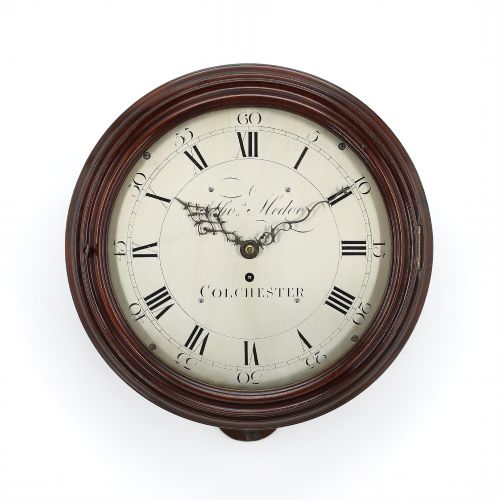
J Henry Cheltenham·Thomas Hedge of Colchester·John Walker·Philipp Haas·Gustav Becker
The Mechanical Pendulum Wall Clock Glossary
- Fusee
- A conical pulley used in spring-driven clocks to maintain even power as the mainspring relaxes. This device ensures consistent timekeeping throughout the winding cycle.
- Drop dial
- A wall clock featuring a circular upper dial and an extended lower wooden case that houses the pendulum. This form became common in railway stations and offices.
- Vienna regulator
- A precision pendulum clock developed in Austria featuring a long glass-fronted case to display the swinging weight and pendulum rod. These pieces typically house high-grade movements.
- Grande sonnerie
- A striking mechanism that sounds both the hours and the quarters on every quarter hour. It requires a complex train of gears and multiple weights or springs.
Mechanical Pendulum Wall Clock: Frequently Asked Questions
How do I wind a mechanical pendulum wall clock?
Use the provided winding key to turn the arbours on the dial face until resistance is felt, taking care not to overwind the mainspring.
Ensure you support the pendulum if moving the case during the process to keep the beat even.
Why does the clock keep stopping?
Wall clocks require a plumb, vertical mounting on a solid surface so the pendulum swings with equal force to the left and right.
If the beat sounds uneven, adjust the case position on the wall until the ticking rhythm sounds steady.
How do I tell a fusee movement apart?
Open the side or bottom door to look for a conical grooved pulley connected to the spring barrel by a fine brass chain or cord.
This distinct cone marks the fusee system, designed to deliver steady torque to the gear train.
Where were these clocks originally used?
Many examples served utilitarian roles in railway stations, schools, and offices where reliable timekeeping was essential for daily operations.
Others hung in domestic parlours and hallways as decorative timekeepers and status items.