
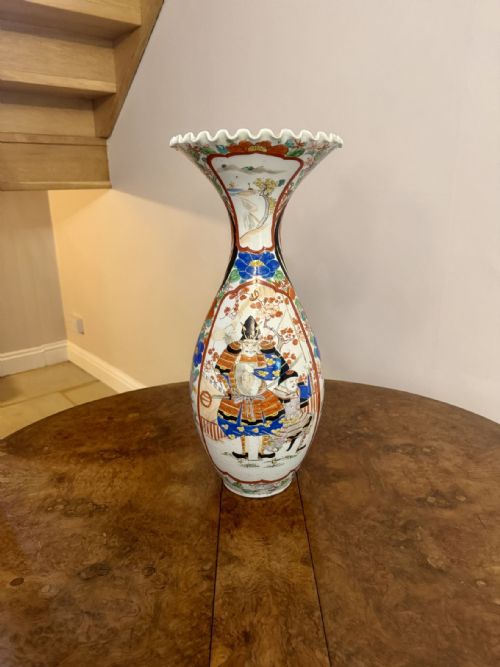


Traditional Imari Ware Porcelain
Traditional imari ware porcelain brings bold colour and pattern to a room, offering distinct historical plates, vases, bowls and dishes.
Traditional Imari Ware Porcelain
Traditional imari ware porcelain comprises decorative plates, vases, bowls and dishes originating from Japan during periods ranging from the late seventeenth century through the nineteenth and early twentieth centuries.
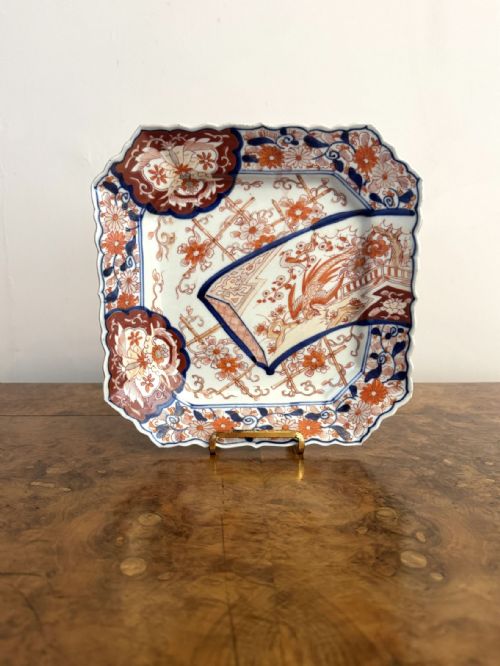
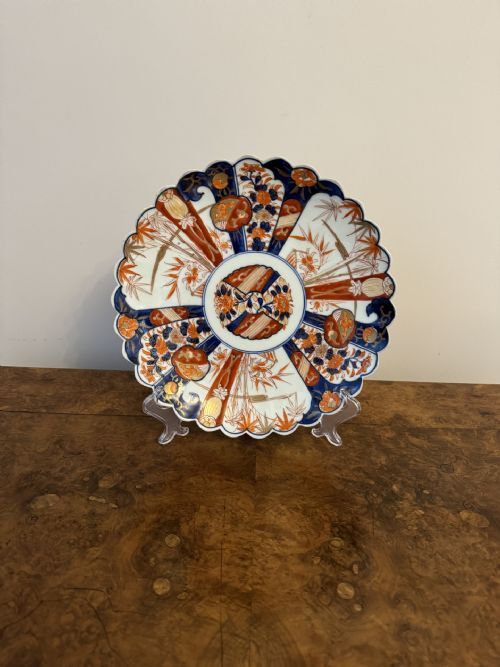
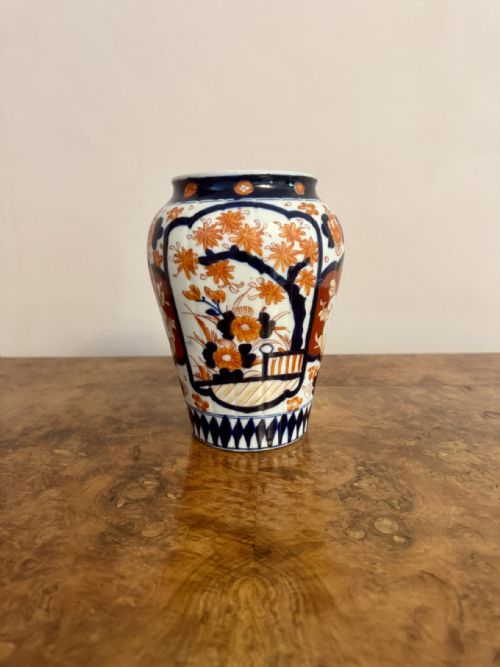
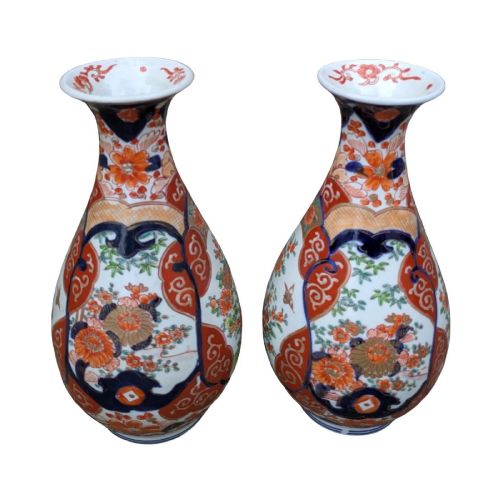
Buyers seeking these items encounter diverse forms such as large chargers, hexagonal vases, scalloped plates and square shaped dishes reflecting Japanese Meiji and Edo styles.
The objects serve primarily as decorative display pieces, showcasing traditional aesthetics developed through centuries of ceramic production.
Materials and Construction
These pieces are made from porcelain shaped into various vessels and plates, then finished with glaze.
Decoration relies on enamel alongside gold leaf, gilt and gilding to create the characteristic palette and surface detail.
Some pieces come in unusual hexagonal or square shapes rather than simple circles.
Assessing Quality and Distinction
Variations in quality stem from the crispness of the painted details and the richness of the enamel and gilt application across the porcelain surface.
Form dictates appeal, with unusual shapes like hexagonal vases, scalloped edges and square plates setting certain items apart from standard round vessels.
The Traditional Imari Ware Porcelain Glossary
- Imari
- A style of Japanese porcelain featuring a distinctive palette, typically incorporating underglaze blue and iron red with added gold.
- Meiji Period
- A historical era in Japan spanning from 1868 to 1912, associated with many decorative items found today.
- Edo Period
- The period in Japanese history lasting from 1603 to 1867, encompassing earlier examples of ceramic work.
- Charger
- A large decorative plate intended for display rather than for serving food at the table.
- Gilding
- The application of gold leaf or gilt material to the surface of the porcelain to enhance ornamentation.
Traditional Imari Ware Porcelain: Frequently Asked Questions
How do I display traditional imari ware porcelain?
Plates and chargers look striking mounted on walls or displayed upright on sturdy stands within cabinets. Vases and bowls stand well on heavy furniture where their colours can catch the light.
Keep pieces away from direct sunlight to protect the enamel work over decades of display.
Are these pieces suitable for daily use?
These historical ceramics are intended primarily for display and decorative purposes rather than everyday dining or utility. Their delicate glazes and gilding require gentle care.
Hand washing in warm water without harsh detergents is necessary if cleaning becomes required.
What periods do these porcelain pieces span?
The items range from late seventeenth century examples up to pieces produced around 1920. Most available items date from the late nineteenth and early twentieth centuries.
Edo and Meiji periods represent the primary historical contexts for these Japanese ceramics.
How do I identify a charger from a plate?
Chargers are significantly larger than standard plates and were made specifically to be displayed on walls or sideboards. Plates generally measure smaller and vary in shape from round to scalloped or square.
Both forms share the characteristic heavy enamel and gilt decoration.