


Gilded Japanese Imari China
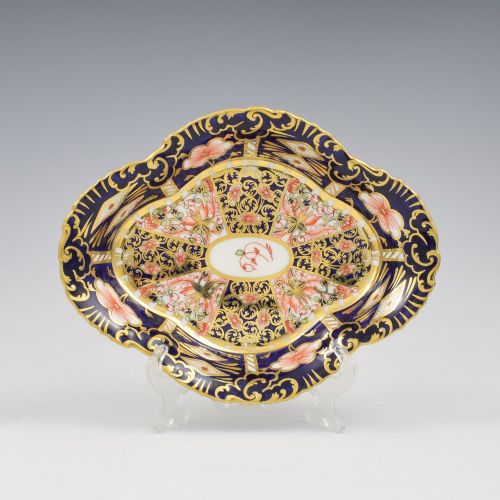
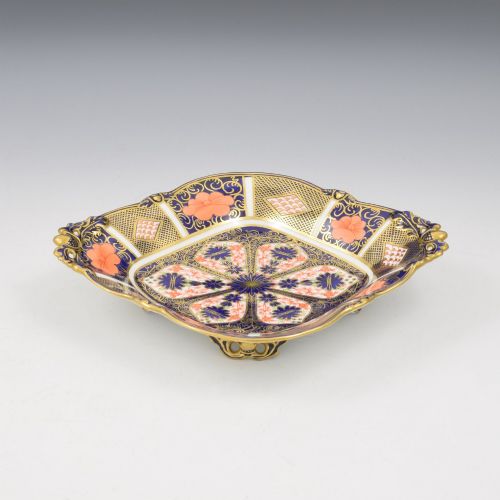
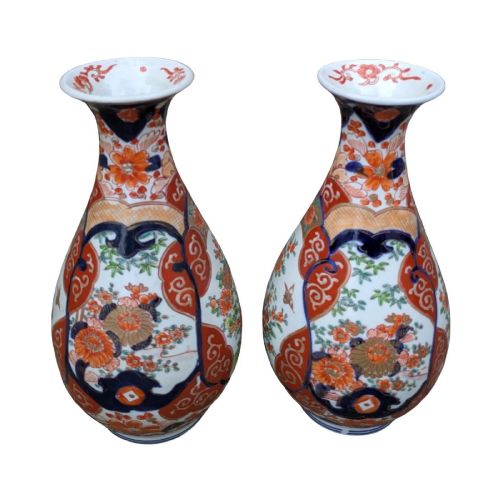
These pieces of gilded japanese imari china bring together vibrant hand-painted enamels and rich gold leaf across plates, vases, and tea wares.
Gilded Japanese Imari China
When you search for gilded japanese imari china, you encounter a distinct cross-cultural dialogue between traditional Eastern ceramic traditions and British porcelain manufacturers. The selection spans robust decorative plates and vases alongside fine tea wares.
You meet both imported Japanese pieces from around nineteen hundred and English interpretations from the Victorian and Edwardian eras. The English pieces often originate from Derby factories utilising classic Imari palettes.
Forms range from cabinet plates and serving trays to delicate coffee cups and bud vases. Each item displays the characteristic iron red and cobalt blue underglaze paired with contrasting gold leaf details.
How they were made
Potters shaped these objects from hard porcelain or bone china before applying underglaze cobalt blue and iron red pigments. Skilled hands then added intricate details in gold leaf or gold gilt.
Firing sealed the vitreous glaze over the enamel colours to protect the metallic highlights. Artisans combined traditional potting techniques with precise overglaze gilding.
Listings feature porcelain and bone china decorated with enamel and gold leaf, spanning the nineteenth century through the Edwardian era.
What varies in quality
Quality rests upon the crispness of the hand-painted motifs and the density of the gilding. Pieces with finely preserved gold leaf and sharply defined enamel patterns show superior artistry.
The weight of the porcelain body and the complexity of pierced or moulded forms distinguish standard utility items from high decorative pieces.
Royal Crown Derby·Stevenson and Hancock
The Gilded Japanese Imari China Glossary
- Imari
- A style of ceramic decoration originating in Japan featuring rich cobalt blue and iron red. English potteries later adopted this distinct palette.
- Gilding
- The application of gold leaf or gold paint to ceramic surfaces. This technique highlights rims, handles, and central motifs.
- Enamel
- Opaque glass used for surface painting over the fired glaze. It provides the bright reds and greens characteristic of this ware.
- Bone china
- A type of soft-paste porcelain containing animal bone ash. British makers utilised this material for strength and translucency.
- Kakiemon
- An asymmetric Japanese ceramic style influencing early Derby patterns. It often depicts birds and floral sprays.
Gilded Japanese Imari China: Frequently Asked Questions
How do I care for gilded porcelain?
Wash these pieces gently by hand in warm soapy water using a soft cloth. Avoid abrasive sponges that can wear away the delicate gold leaf over time.
Keep them away from modern dishwashers and harsh chemical detergents. Proper manual care preserves the integrity of the overglaze enamels.
Are these pieces from Japan or England?
The selection includes both genuine Japanese imports and English porcelain made in the Imari style. British makers like Derby adapted the aesthetic during the nineteenth and early twentieth centuries.
Examining the paste and any factory marks helps determine the exact origin. Both regional traditions share the iconic red, blue, and gold colour scheme.
What periods do these items date from?
Most items originate from the nineteenth century up through the Edwardian period and nineteen twenty. Victorian and Edwardian English pieces sit alongside turn of the century Japanese wares.
Stylistic cues and specific factory patterns help date individual items accurately. The era influences the weight of the china and the style of the gilding.
What forms do these ceramics take?
You find a variety of functional and decorative shapes including cabinet plates, serving trays, and vases. Tea wares such as cups and saucers also appear.
Larger urns and small bud vases represent the range of decorative options. Each form showcases the characteristic hand-painted patterns.