

Sterling Silver Table Spoons
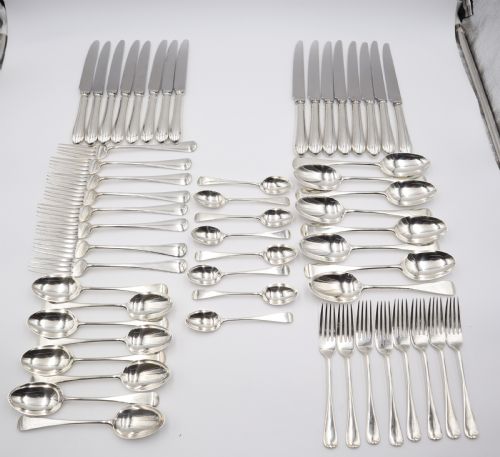
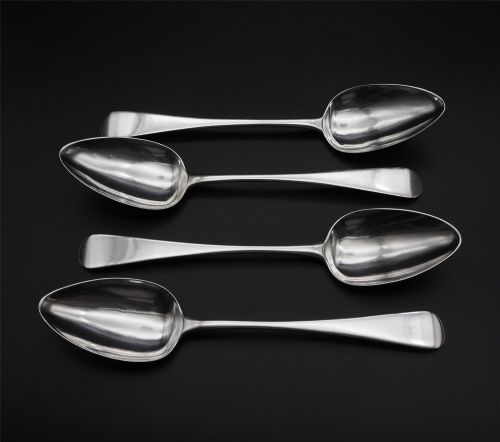
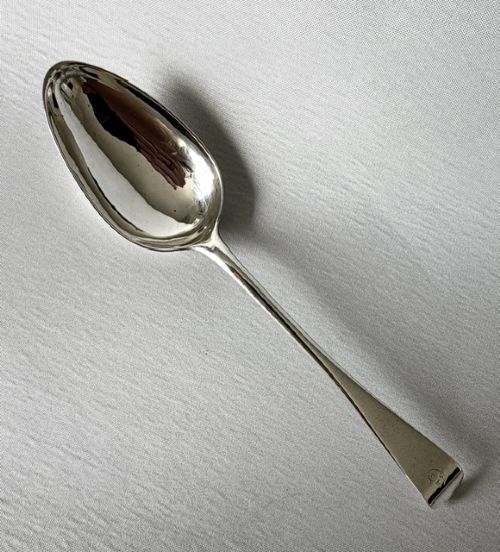
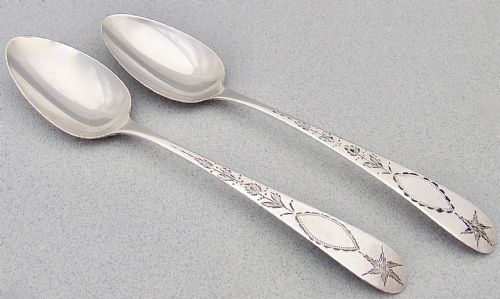
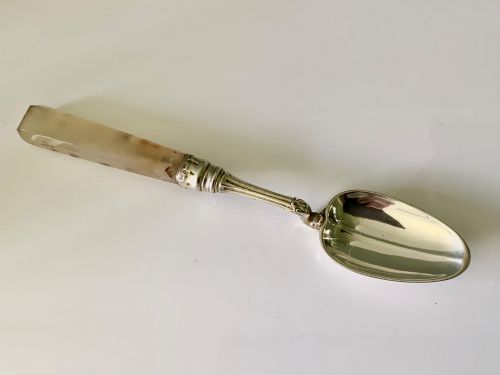
Sterling silver table spoons bring the substantial weight and bright metalwork of Georgian, Victorian, and later periods directly to the dining table.
Sterling Silver Table Spoons
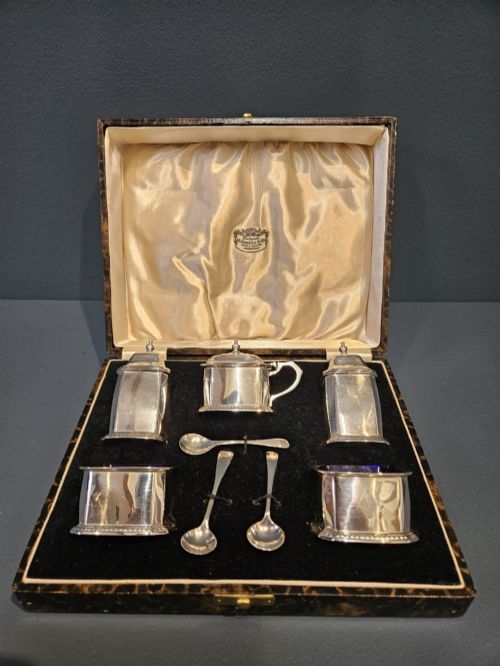
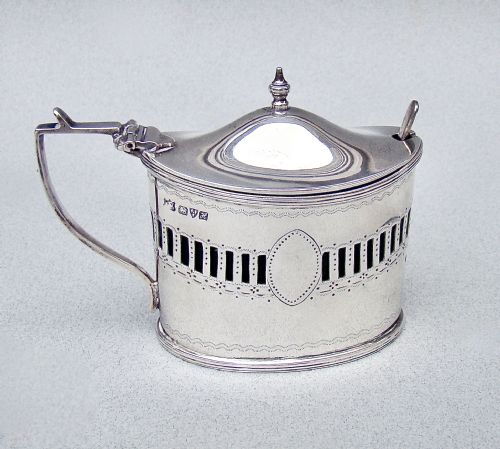
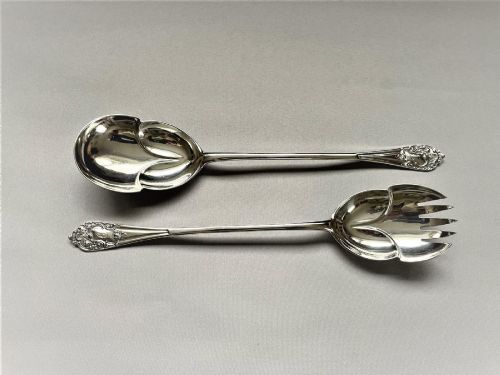
The assortment includes regional British pieces from London, Newcastle, Dublin, and Edinburgh, alongside twentieth-century Scandinavian and American designs. Styles range from plain early forms like the dognose and rat tail to ornate berry spoons and threaded borders. Alongside utilitarian spoons, the listings frequently incorporate related silver items such as soup ladles, salt cellars, and cruet sets.
How they were made
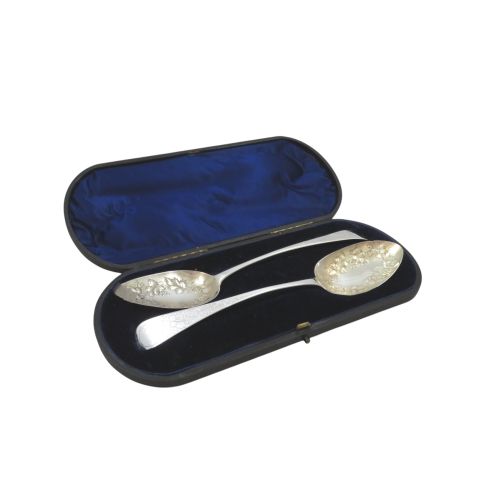
Silversmiths shaped sterling silver table spoons through traditional forging and hammering techniques, establishing the bowl and handle from solid ingots. Master craftsmen applied hallmarks using steel punches to record the standard, assay office, and date. Specialised decorative forms utilised embossing and chasing to transform plain spoon bowls into fruit-laden berry spoons.
Handles often incorporated cast elements, engraved family crests, or applied borders soldered onto the main stem. Later twentieth-century production embraced machine rolling alongside hand finishing, while fitted presentation boxes utilised wood covered in leatherette and lined with soft fabrics.
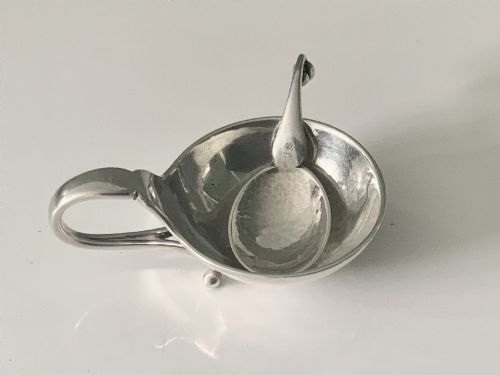
Victorian diners apparently required double-headed swan salt dishes and whimsical quaich novelty salts to keep their condiments company.
What varies in quality
Quality rests upon the crispness of the hallmarks, the original thickness of the metal in the bowl, and the balance of the handle in the hand. Early spoons demonstrating clear maker marks and minimal wear to the bowl tip retain greater integrity. The finesse of engraved crests and the survival of matching fitted cases distinguish superior examples from standard service pieces.
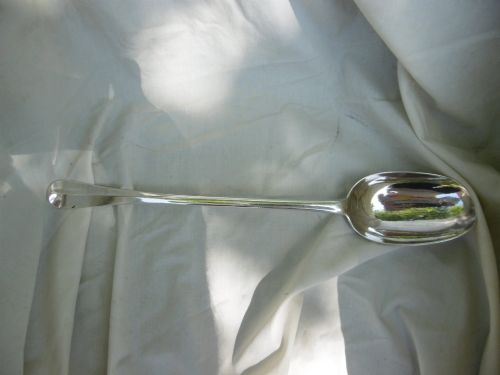
Substantial weight differentiates heavy basting and hash spoons from lighter domestic tableware. The precision of applied decorative borders and the preservation of original gilding on parcel-gilt surfaces further separate fine studio or workshop production from mass output.
Alfred Marston·John Pittar·Andrew Archer·Georg Jensen·Josiah Williams and Co·John Locker·John Wilks·John Smith·James Tait·Bricks and Sons
The Sterling Silver Table Spoons Glossary
- Sterling silver
- An alloy consisting of ninety-two point five percent silver and seven point five percent other metals, typically copper. This standard ensures the durability required for functional tableware.
- Hallmark
- A series of official marks stamped into the metal indicating the silver standard, the assay office, the maker, and the year of production. These stamps provide the primary evidence for dating antique silver.
- Rat tail
- A narrow, tapering tongue of metal extending from the base of the handle down the back of the bowl. This feature reinforces the joint between the bowl and handle on early spoons.
- Berry spoon
- A tablespoon or serving spoon, frequently Georgian, whose bowl has been later embossed and chased with fruit and foliage. They were popular additions during the Victorian era for serving fruit.
- Dognose spoon
- An early eighteenth-century spoon style featuring a flat, notched terminal curving upwards. It evolved directly from the trifid spoon before the adoption of the Hanoverian pattern.
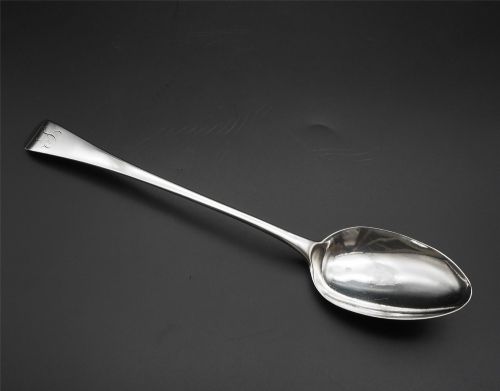
- Basting spoon
- An exceptionally large spoon utilised in the kitchen or at the table for pouring juices over meat. These substantial utensils often measure well over thirty centimetres in length.
Sterling Silver Table Spoons: Frequently Asked Questions
How do I clean antique silver spoons?
Clean sterling silver spoons gently using a soft cloth and specialised silver polish formulated to remove tarnish without harming the metal. Avoid harsh abrasive cleaners that can wear away crisp hallmarks and fine engravings over time.
Store the spoons in dry conditions, ideally within lined boxes or anti-tarnish rolls, to minimise exposure to air and reduce the frequency of polishing required.
What is the difference between a tablespoon and a serving spoon?
Table spoons in earlier centuries were frequently larger than modern equivalents, often serving multiple functions at the dining table including portioning food from communal dishes. Serving spoons and basting spoons specifically designated for culinary use tend to exceed standard dimensions and weight.
Reviewing the length and bowl capacity listed for each piece helps clarify whether a spoon was intended for individual dining or communal service.
Can I use antique silver spoons every day?
Sterling silver possesses adequate durability for regular daily dining provided the pieces receive proper hand washing and careful handling. Historic spoons with thin bowls from centuries of wear benefit from gentler use during special occasions.
Hand wash the cutlery immediately after use in warm soapy water and dry them thoroughly with a soft cloth rather than placing them in a mechanical dishwasher.
How do I identify the date of a silver spoon?
Examine the stamped hallmarks on the back of the handle or stem, which typically include a specific letter code denoting the year of assay alongside the city mark. Reference guides link these punch marks to exact operating years and registered silversmiths.
Stylistic indicators such as handle shape, bowl profile, and engraved ornamentation provide additional clues when hallmarks are rubbed or illegible.