
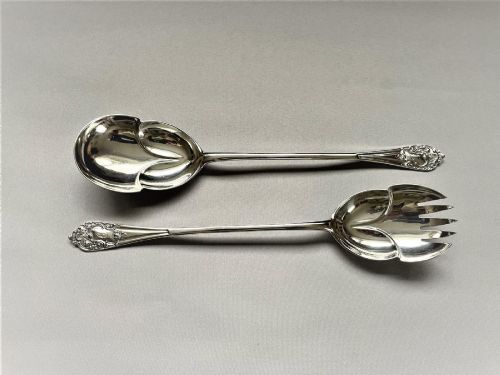
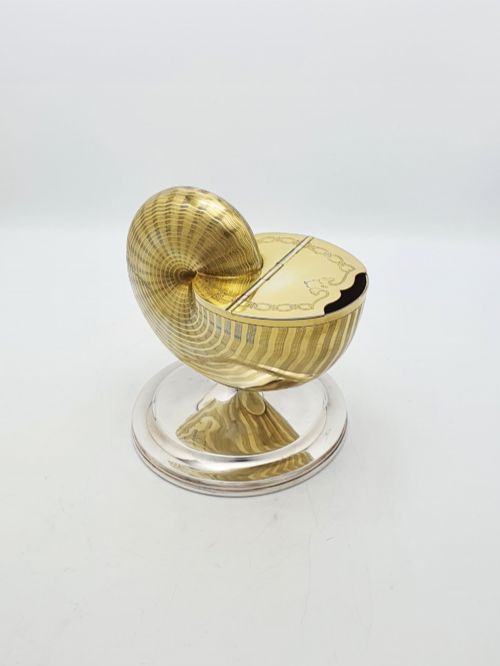


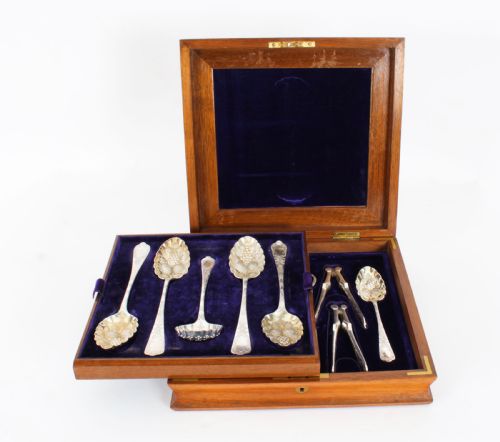


Silver Plated Serving Spoons
Silver plated serving spoons are substantial tabletop pieces built for hosting, offering the gleam of precious metal without the heavier cost.
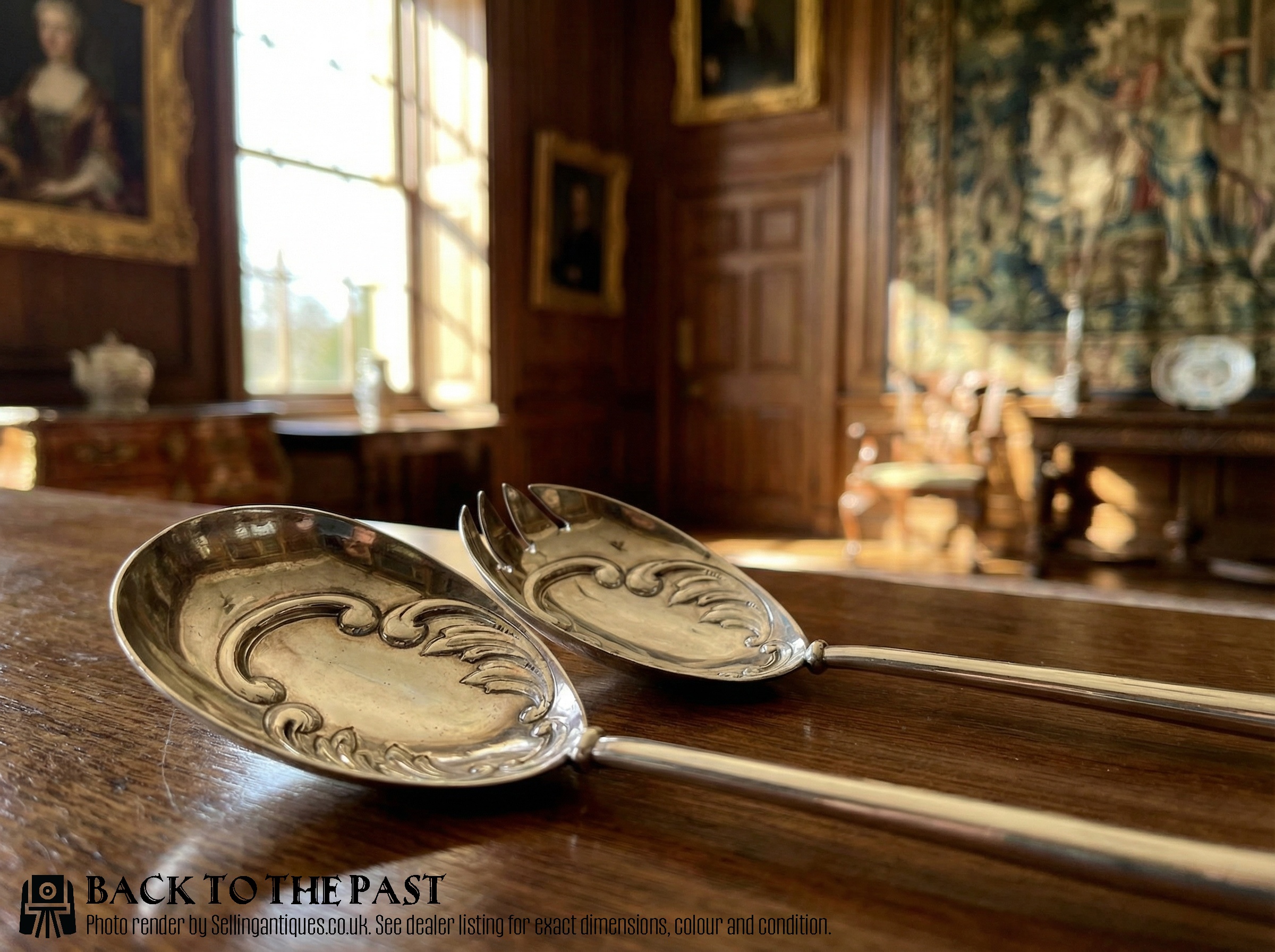
Silver Plated Serving Spoons
Silver plated serving spoons encompass large flatware items designed for dishing up fruit, berries, salad and meals at the table. When searching for silver plated serving spoons, collectors typically encounter Victorian and Edwardian examples manufactured in Britain during the nineteenth and early twentieth centuries. The selection ranges from standalone pairs to boxed sets containing matching cutlery, nutcrackers and grape scissors.
Beyond standard serving spoons, the category extends to specialised pieces such as spoon warmers, salad servers with wooden handles, and fruit sets featuring gilt bowls. These items frequently date from the 1860s through to the Edwardian period, reflecting formal dining habits of the era. Makers such as Hukin and Heath and Walker and Hall produced notable examples recorded in the archive and current listings.
How they were made
Makers utilised silver plate over a base metal foundation, frequently applying gold gilt to the bowl interiors of berry spoons and fruit sets for a contrasting finish. Cut crystal, satin, velvet and wood appear alongside metal in boxed presentation sets and fitted spoon warmers.
Production methods of the Victorian and Edwardian periods involved skilled hand chasing, engraving and casting, particularly on ornate spoon warmer bodies shaped like marine buoys. Sheffield assay marks and registration numbers stamped into the metal confirm the manufacturing dates and origin of these serving utensils.
What varies in quality
Quality in silver plated serving spoons rests upon the depth of the original plating, the crispness of the chased or engraved ornamentation on the bowls, and the structural integrity of any applied gilt work. Pieces with heavier metal gauge resist bending during use and maintain their surface finish through decades of polishing.
Presentation matters significantly in boxed sets, where original satin or velvet linings and complete contents - such as matching nutcrackers or grape scissors - elevate the standing of the piece. The distinction between mass-produced utility ware and high-end workshop production is visible in the balance of the handle and the refinement of the decorative motifs.
Hukin and Heath·Walker and Hall
The Silver Plated Serving Spoons Glossary
- Silver Plate
- A base metal substrate coated with a thin layer of pure silver through electroplating or older Sheffield plating methods. This technique allowed Victorian manufacturers to produce substantial tableware at a lower cost than solid sterling silver.
- Gilt Metal
- Metal that has been treated with a thin coating of gold, often found on the interior bowls of Victorian berry serving spoons. The golden hue provides a deliberate visual contrast against the silver exterior.
- Spoon Warmer
- A Victorian vessel filled with hot water to keep serving spoons warm before dishing out food. Formats range from nautilus shells to marine buoys.
- Hallmark
- A series of stamped marks on precious metal indicating the maker, assay office, and year of manufacture. British pieces frequently display town marks and date letters.
- Berry Spoon
- A large serving spoon with fruit and foliage embossed or chased into the bowl, typically produced in Victorian times. They were intended for serving soft fruits and desserts.
Silver Plated Serving Spoons: Frequently Asked Questions
How do I clean antique silver plate?
Clean silver plated serving spoons using a gentle, non-abrasive silver polish and a soft cloth to protect the thin metal layer. Avoid harsh dipping solutions that strip the plating and damage any underlying base metal.
Rinse the utensils in warm water and dry them thoroughly with a lint-free cloth after polishing. Proper storage in anti-tarnish rolls helps maintain the finish between uses.
Were these spoons used daily?
Victorian and Edwardian households reserved ornate serving spoons for formal dinners, Sunday meals, and entertaining guests. Everyday dining relied on simpler, unadorned flatware.
Specialist pieces like berry spoons and fruit sets remained safely stored in fitted presentation boxes until required for dessert courses.
How do I date a spoon warmer?
Dating relies on stamped design registration numbers, British hallmarks, and characteristic styling from the Victorian and Edwardian eras. Ceramic or metal registry diamond marks point directly to the exact decade of production.
Stylistic shifts from mid-Victorian nautical themes to later Edwardian forms also help narrow down the manufacturing period.
Can I use antique serving spoons for food?
Antique silver plated serving spoons remain entirely functional for serving cold or room-temperature foods at the table. Acidic foods should not be left in contact with the metal for extended periods.
Hand washing is essential, as modern dishwashers use harsh detergents that ruin silver plate and damage vintage wooden or velvet presentation boxes.