
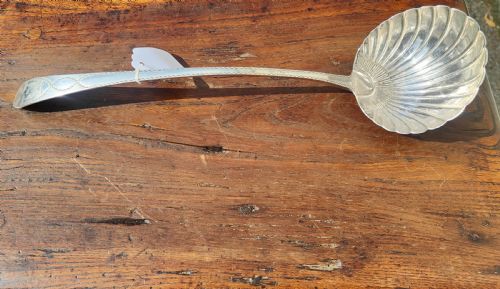
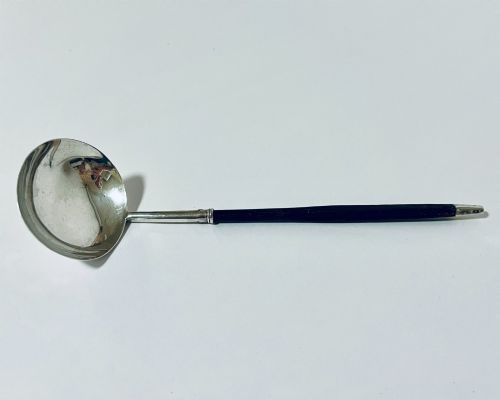


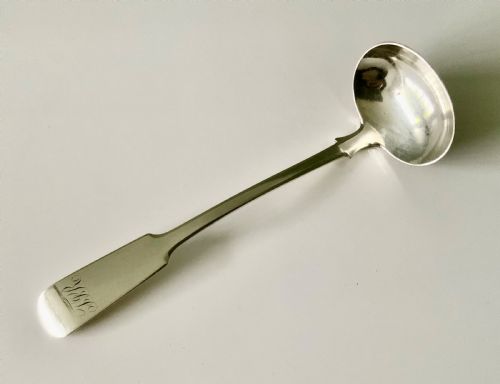


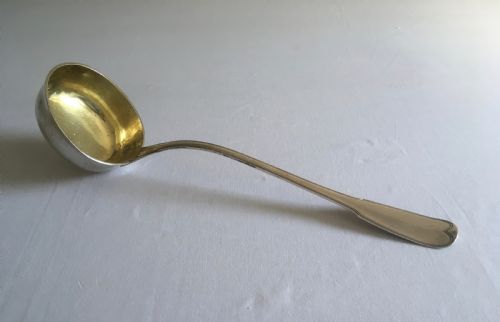
Silver Punch Bowl Ladle
These silver punch bowl ladle examples offer the ideal way to serve drinks with period character.
Silver Punch Bowl Ladle
A silver punch bowl ladle is a serving utensil designed for dipping and pouring punch, soup, or toddy from a large bowl. Buyers searching this phrase will find variations spanning the Georgian, 18th Century, Edwardian, and 19th Century periods.
The most common forms on this page include traditional toddy ladles and larger soup or punch ladles. These pieces originate from makers in Ireland, Scotland, London, and continental Europe, reflecting diverse regional styles.
Materials and construction methods
Silversmiths forged these items primarily from sterling silver or silver plate, utilising metals that provided durability and a bright finish for formal dining. Many examples incorporate organic materials for handles, such as turned wood, horn, whalebone, orquilla nut, and treen.
Craftsmen shaped the bowls through hammering and casting, often integrating crests or specific patterns like the Colonial pattern. The junction between the metal bowl and the organic handle demonstrates traditional joining techniques suited to daily table service.
Listings feature sterling silver, silver plate, and electroplated nickel silver alongside natural handles made from wood, horn, whalebone, and coquilla nut.
Assessing quality in service ladles
Quality rests in the weight of the metal and the crispness of any engraved crests or hallmarks stamped into the silver. Superior pieces maintain a balanced proportion between the handle length and the bowl capacity.
The choice of handle material also influences value, particularly where rarer natural elements like whalebone or coquilla nut remain intact and well-fitted to the metal shank. Makers who maintained clean lines and solid construction without excessive wear elevate the standard of the piece.
John McDonald·Michael Smith·TIFFANY & CO.·Daniel and Arter
The Silver Punch Bowl Ladle Glossary
- Toddy ladle
- A small drinking vessel ladle typically featuring a twisted baleen, horn, or wooden handle designed for hot alcoholic punch. These smaller utensils frequently accompanied Georgian punch bowls.
- Treen
- Small handmade wooden domestic objects and utensils. In ladle handles, this refers to turned wood components.
- Coquilla nut
- The hard, brown seed of the piassava palm used historically for carved small wares. It appears as an organic handle material on period ladles.
- Sterling silver
- A silver alloy containing 92.5 percent silver by mass and 7.5 percent other metals, usually copper. This standard provides the primary metal for high-grade serving pieces.
- Baleen
- Flexible whalebone material used historically in the shafts of drinking utensils to prevent heat transfer from hot liquids to the hand. Its dark colour and fibrous texture distinguish it from wood.
Silver Punch Bowl Ladle: Frequently Asked Questions
What is a silver punch bowl ladle used for?
These utensils serve guests by transferring punch, soup, or heated toddy from a central bowl into individual cups or glasses. Their long handles keep fingers away from hot liquids.
They function as both practical tableware and decorative elements for formal dining setups, matching the silver bowls they accompany.
How do I identify a Georgian ladle?
Georgian ladles date from the reigns of the four British kings named George, spanning the 18th and early 19th centuries. They often feature distinct hallmarking, traditional crest engravings, and classic bowl shapes.
Many examples from this era also incorporate organic handle materials like twisted whalebone or turned wood.
Why do some ladles have whalebone handles?
Whalebone and baleen possess natural insulating properties that prevent heat from travelling up the handle into the user's hand. This material remained popular during the Georgian period for hot toddy service.
Its flexibility also gave the slender shafts resilience against snapping during vigorous stirring.
Can I use these ladles for serving today?
Most antique silver and silver-plated ladles remain entirely functional for modern dining and entertaining. Proper hand washing preserves the delicate organic handles and historical metal surfaces.
Avoiding dishwashers ensures that whalebone, wood, and horn components do not dry out or crack over time.