
Solid Silver Cutlery
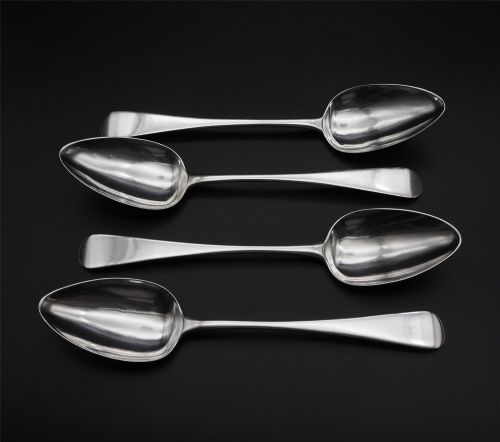
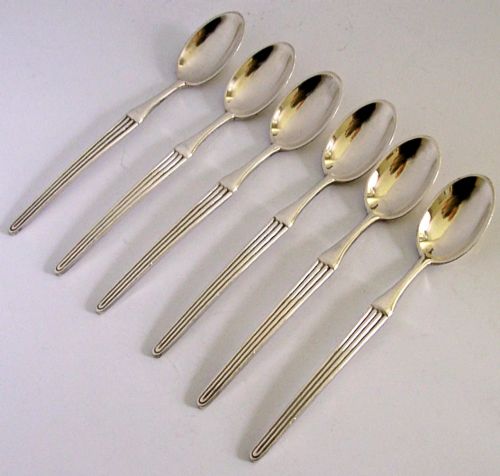
Solid silver cutlery encompasses antique table services, serving utensils, and canteens shaped by centuries of domestic dining.
Solid Silver Cutlery
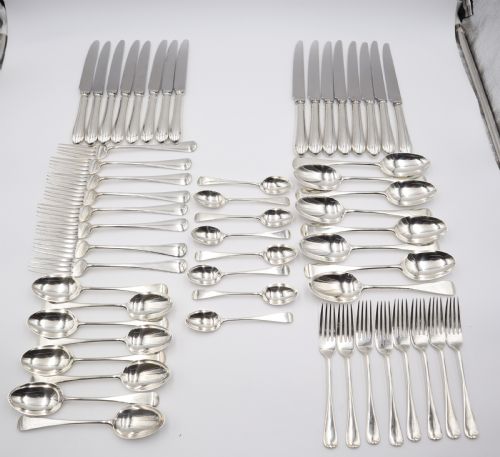
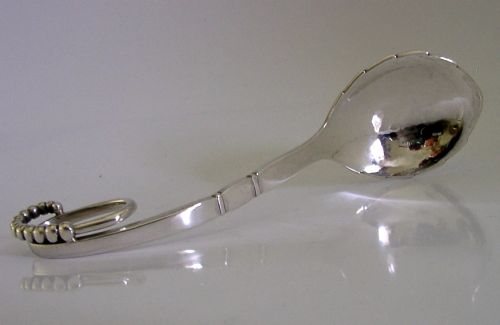
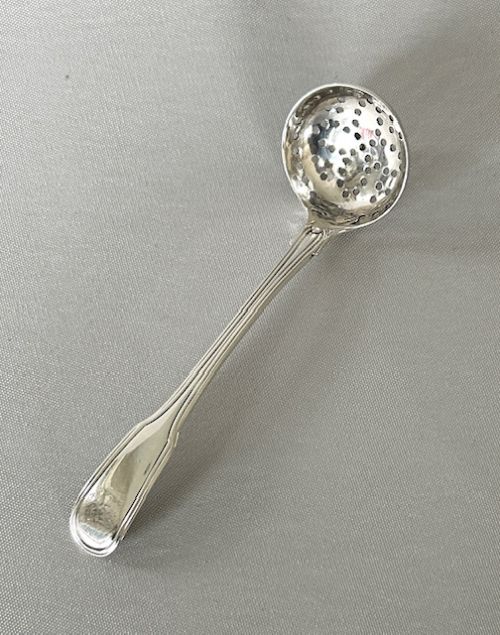
Solid silver cutlery covers a vast array of domestic implements designed for dining, serving, and food preparation across multiple centuries. Buyers encounter everything from individual teaspoons and specialist marrow scoops to large multi-piece canteens housed in fitted wood cases.
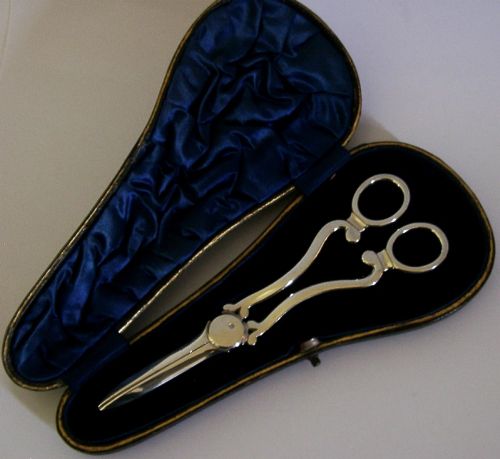
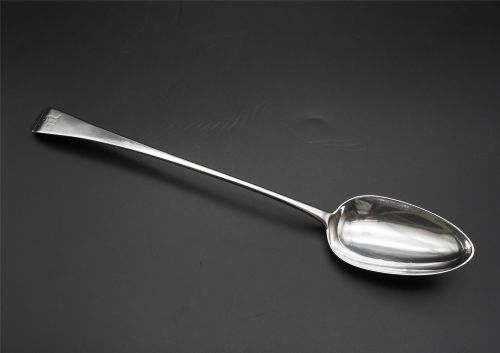
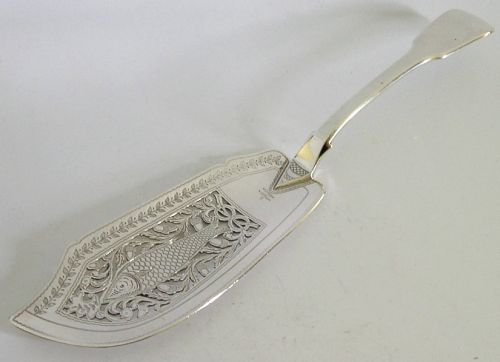
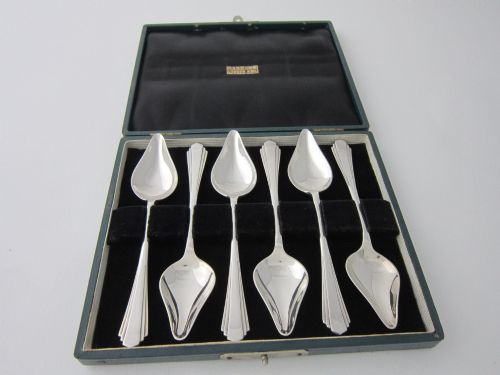
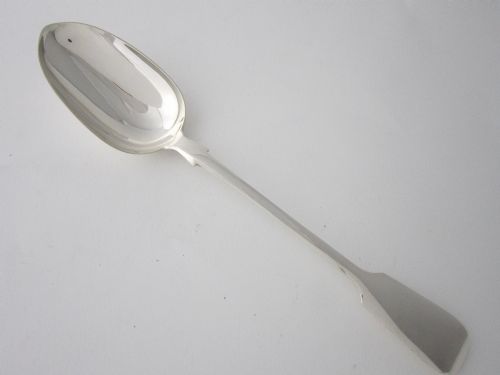
The domestic table of the Georgian and Victorian eras generated demand for specific serving utensils, including basting spoons, soup ladles, fish slices, and grape shears. Edwardian and later twentieth-century pieces often introduce matching sets for grapefruit, coffee, or asparagus.
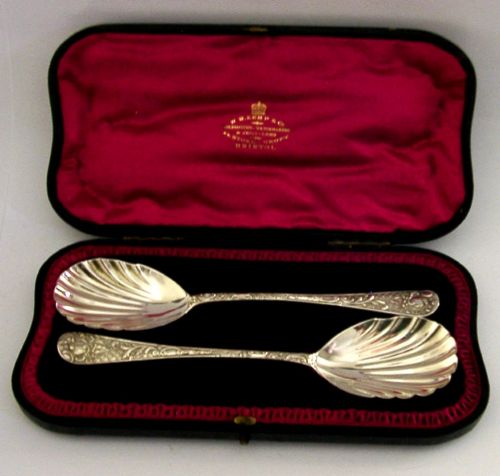
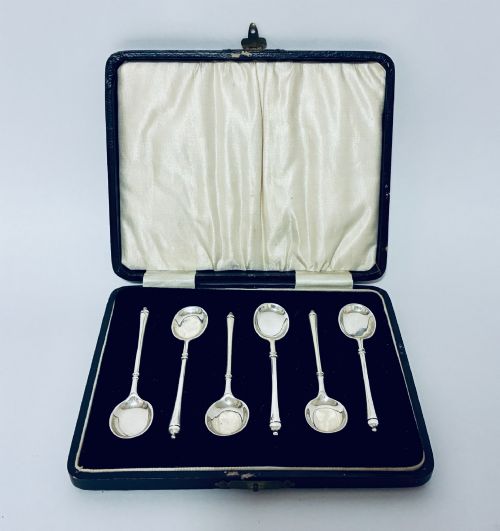
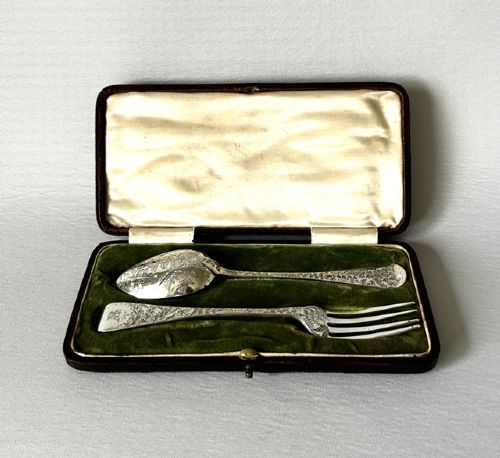
Origin points range from traditional English provincial and London assay offices to Scottish, continental European, and international workshops. Pieces frequently arrive paired with presentation cases lined in velvet, silk, or satin, alongside supplementary materials like mother-of-pearl handles.
Materials and technique
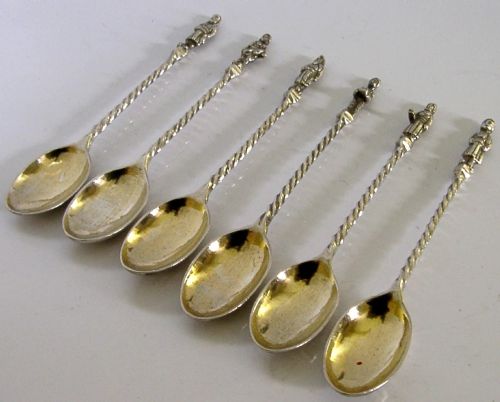
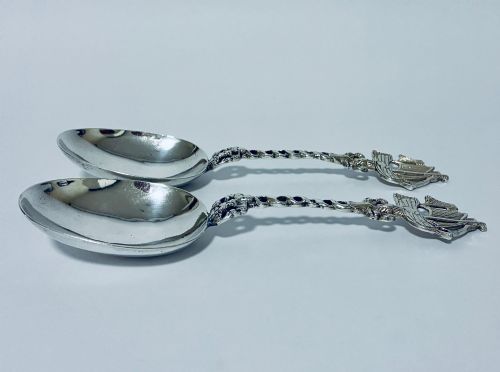
Objects in this category are fashioned predominantly from sterling silver or solid silver, manipulated through hammering, casting, and piercing techniques. Makers shaped bowls, tines, and handles from heavy gauge metal, applying parcel gilt finishes or detailed figural motifs where required.
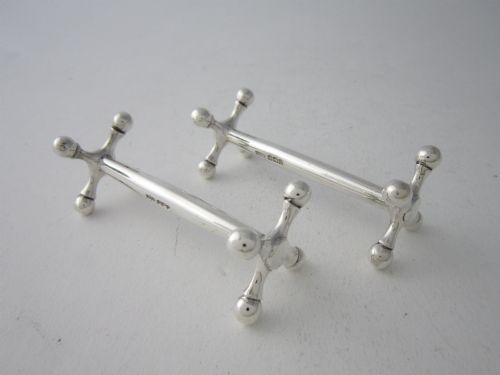
Many items feature supplementary components, incorporating mother-of-pearl for knife and fork handles, or relying on fitted wood and leatherette cases lined with textiles. Structural elements such as knife rests and serving tongs demonstrate specialised casting and assembly methods suited to heavy dining use.
Solid Silver Cutlery Retail Price Guide 2026
Typical asking prices for solid silver cutlery among the pieces listed under this phrase on Sellingantiques today, from the lower quarter to the upper quarter. They describe what is for sale here now, not the wider market.
Cast solid silver sheep and ram knife rests stand ready to keep greasy mutton blades off clean linen.
Quality variations
The standard of a piece rests upon the weight of the silver relative to its size, the crispness of chased or engraved crests and patterns, and the integrity of the original construction. Substantial gauge metal resists bending during use, maintaining structural rigidity across centuries of handling.
Completeness within canteens and matched sets distinguishes ordinary examples from superior survivals. Retaining original fitted wooden cases, keys, and matching hallmarks across every component elevates the historical integrity of the service.
Georg Jensen·Hamilton and Inches·CJ Vander·Martin Hall and Co·Aaron Hadfield·James Dixon and Sons·Posen·Delheid Freres
The Solid Silver Cutlery Glossary
- Hallmark
- Official stamps applied to precious metals indicating the standard of silver, the assay office, and the year of manufacture. These marks provide definitive dating evidence for British pieces.
- Fiddle pattern
- A popular nineteenth-century cutlery handle design featuring a distinctive broadened shoulder resembling a fiddle or violin. It appears frequently on Victorian tablespoons and service sets.
- Marrow scoop
- A narrow, double-ended utensil with trough-like bowls designed for extracting marrow from bones. Georgian examples are frequently found among dining silver.
- Canteen
- A fitted box, chest, or cabinet designed to store a matched set of cutlery and serving pieces securely. They are often lined with baize or velvet and fitted with original locks and keys.
- Parcel gilt
- Silver objects that are partially gilded with a thin layer of gold on specific areas, such as the interior of spoon bowls. This technique protects the silver from acidic foods and creates visual contrast.
Solid Silver Cutlery: Frequently Asked Questions
How do I clean solid silver cutlery?
Cleaning requires a soft cloth and specialised silver polish applied gently to avoid wearing down hallmarks or crisp engraving. Warm soapy water removes everyday residue before polishing.
Avoiding harsh abrasive pads preserves the original patina built up over decades of use. Storing pieces in tarnish-resistant cases or flannel rolls limits exposure to air between dining occasions.
What is a silver canteen?
A canteen is a dedicated wooden box or chest fitted with slots and compartments to house a complete set of matching cutlery. These cases protected delicate table services during storage and transport.
Many canteens retain original locking mechanisms, keys, and multi-tier layouts designed to hold dozens of place settings and serving pieces simultaneously.
Are older spoons safe for daily use?
Solid silver spoons from earlier centuries remain robust enough for regular dining provided they are washed by hand rather than placed in automated dishwashers. Hand washing protects delicate joints, hollow handles, and soft mother-of-pearl components.
Checking that bowls retain their original thickness ensures the silver withstands frequent contact with food without accelerated wear.
How are cutlery rests used?
Cutlery rests are small, decorative supports placed on the dining table between courses to keep carving knives and serving utensils elevated above the tablecloth. They prevent sauces and oils from soiling the linen.
These rests appear in diverse materials and styles, ranging from simple sterling silver bars to cast animal figures and intricate Art Nouveau wirework.