





Scalloped Edge Porcelain Plates
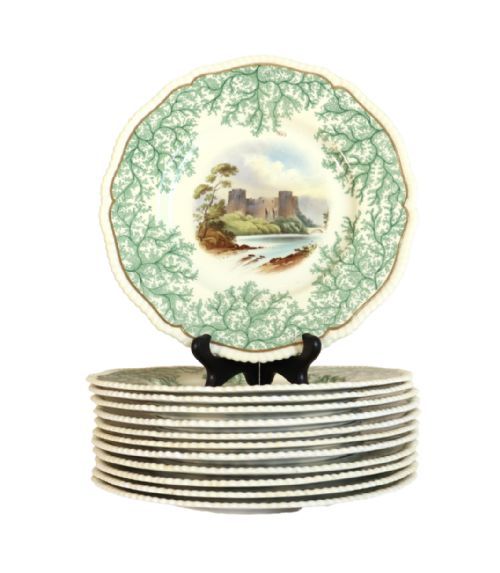
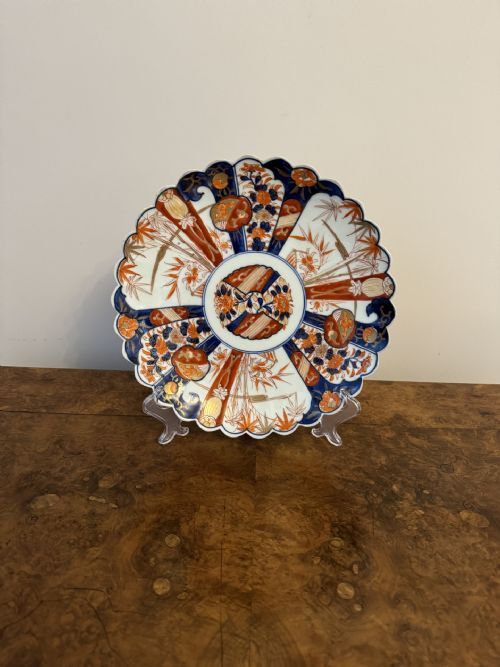
These scalloped edge porcelain plates bring together centuries of fine ceramic artistry, offering collectors intricate hand-painted palettes and distinct shaped rims.
Scalloped Edge Porcelain Plates
When you search for scalloped edge porcelain plates, you encounter dining wares and decorative chargers defined by their curving, lobed rims. The selection spans dinner plates, dessert services, and large display dishes.
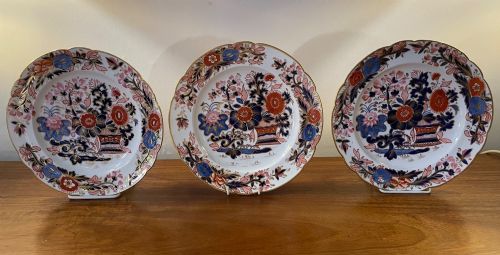
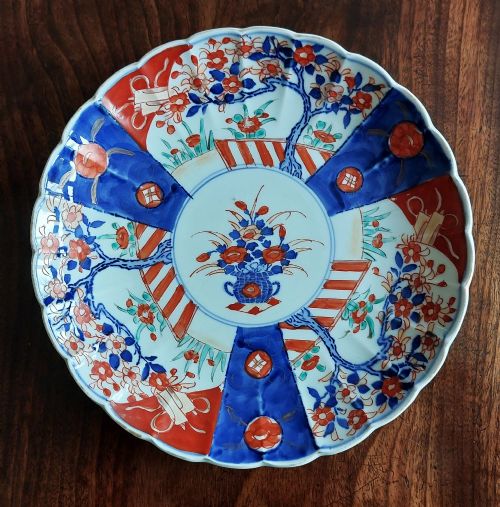
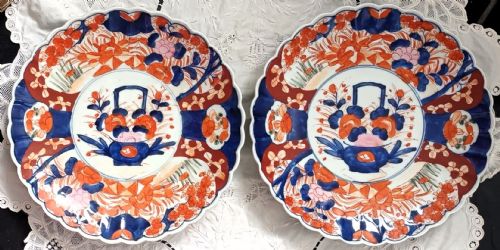
The versions most common on this page originate from nineteenth-century Japanese workshops utilising the Imari palette, alongside English and French productions. These pieces range from intimate sets of plates to substantial single chargers intended for display.
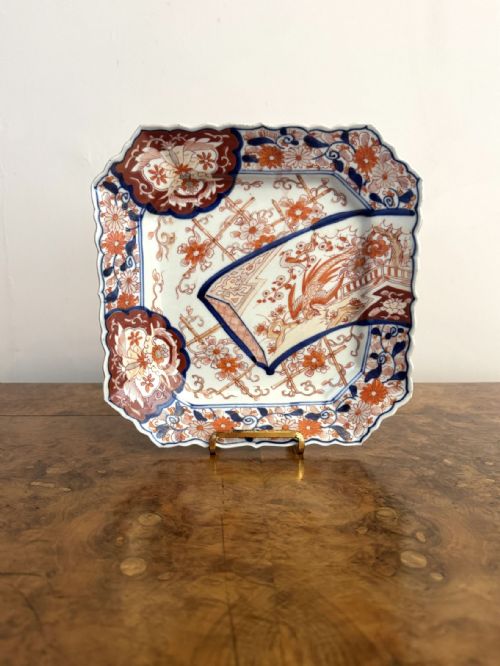
Makers shaped these surfaces into circles, squares, and multi-lobed borders. Collectors select them for their combination of utilitarian form and decorative complexity.
Materials and Methods
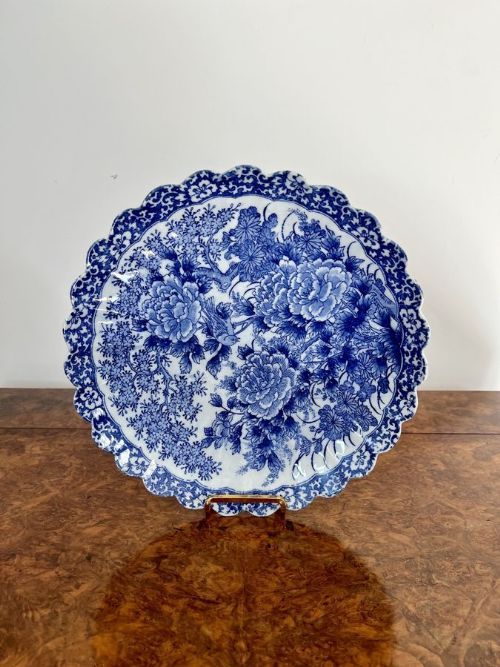
Potters formed these items from hard-paste and soft-paste porcelain bodies, applying mineral glazes before firing. Artisans then hand-painted designs using cobalt underglaze, enamel colours, and occasional applications of gold leaf.
Japanese Meiji period pieces and European manufactories employed traditional kiln techniques to achieve deep cobalt blues and vibrant iron-red enamels. Gilding and enamel work were frequently layered over the glaze and fixed with a subsequent low-temperature firing.
Listings feature porcelain pieces spanning the eighteenth century through the twentieth century, incorporating Japanese Meiji period works and European manufactories.
Evaluating Quality and Execution
Quality rests in the precision of the hand-painting and the crispness of the moulded rim. Finer examples display meticulous brushwork on complex motifs such as exotic birds or traditional figures.
The depth and brilliance of the enamel colours, together with the careful placement of gilding, separate standard production wares from exceptional studio pieces. Potteries demonstrated their skill through the alignment of the scalloped border with the central painted composition.
Spode·Sevres·Flight Barr And Barr·Royal Worcester
The Scalloped Edge Porcelain Plates Glossary
- Imari
- A style of Japanese porcelain decorated in underglaze blue, iron red, and gold. These wares were heavily exported to Europe from the port of Imari.
- Charger
- A large decorative plate or dish used primarily for display or service on grand tables. They often feature the most elaborate hand-painted scenes in a collection.
- Underglaze
- Pigment applied to the ceramic body before the glaze is fired. Cobalt is the most common underglaze colour found on these pieces.
- Enamel
- Low-firing coloured glass applied over a fired glaze. It provides the bright reds, greens, and yellows seen on Japanese and European plates.
Scalloped Edge Porcelain Plates: Frequently Asked Questions
What is an Imari plate?
An Imari plate is a Japanese porcelain piece decorated in a distinctive palette of cobalt blue, iron red, and gold. These wares were produced for export and prized for their intricate patterns.
They combine rich surface detail with traditional forms, making them suitable for both cabinet display and careful use.
How do I care for antique porcelain?
Antique porcelain requires gentle hand washing in warm water with mild soap. Avoid abrasive sponges or harsh detergents that can damage enamel and gold leaf.
Store plates in secure plate racks or use padded dividers between stacked pieces to protect the scalloped edges from chips.
Are these plates meant for dining?
While many historic plates served functional roles at the dining table, delicate antique examples are frequently reserved for display. Dinner plates and dessert plates can accommodate light service if handled with care.
Chargers and large decorative dishes are generally kept on plate stands or hung on walls due to their size and age.
How do I identify the period?
Periods are identified through a combination of paste composition, painting style, and maker marks stamped or painted on the reverse. Nineteenth-century pieces often display specific floral or geometric borders typical of the Meiji era or Victorian period.
Comparing the hand-painted motifs against documented workshop styles helps narrow down the exact decade of manufacture.