



Antique Asian Export China
Antique asian export china brings together porcelain vessels and decorative plates made for international markets during the eighteenth and nineteenth centuries.
Antique Asian Export China
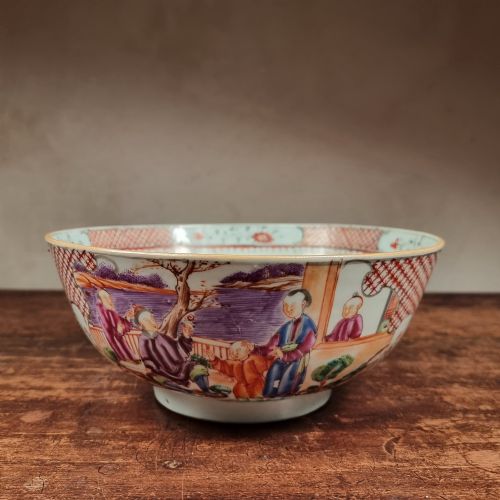
When buyers search for antique asian export china, they encounter decorative plates, bowls, cups and saucers, and vases originating from China and Japan. These ceramics reflect the historic trade between Asian potteries and Western buyers during the eighteenth and nineteenth centuries.
The pieces appearing on this page most frequently span the nineteenth century, including objects from the Qing Dynasty and pieces decorated in the Imari style. Buyers also find items attributed to the Qianlong period alongside provincial porcelain bowls.
Forms range from individual decorative plates and chargers to sets of teacups and saucers and groups of vases. Alongside ceramics, occasional display cabinets appear to house these collections.
How these pieces were made
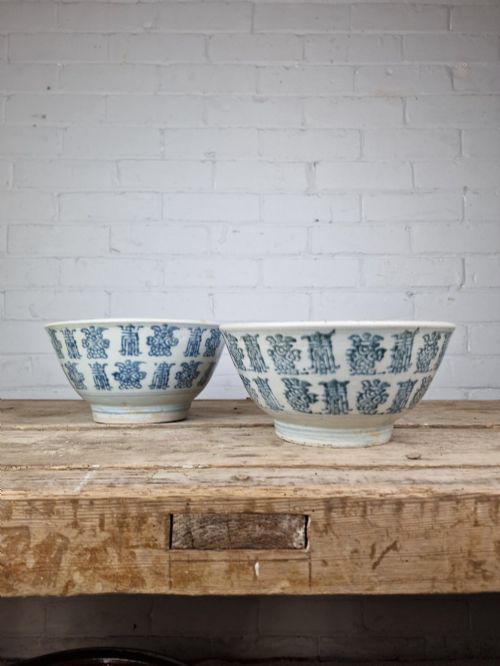
The manufacture of these ceramics relies on hard-paste porcelain shaped into bowls, plates, and vases. Potters then applied decoration utilising cobalt underglaze, enamel, enamel glaze, and gold leaf.
Firing techniques fixed the cobalt underglaze beneath the surface before overglaze enamels and gold leaf were added in subsequent firings. This layered approach created the colourful palettes seen on Imari and Famille Rose wares.
Antique Asian Export China Retail Price Guide 2026
Typical asking prices for asian export china among the pieces listed under this phrase on Sellingantiques today, from the lower quarter to the upper quarter. They describe what is for sale here now, not the wider market.
Some cups and saucers arrive in sets with names as specific as thousand lohan.
What varies in quality
Quality in these ceramics depends on the precision of the hand-painted detail and the clarity of the cobalt underglaze and enamel colours. Superior examples display crisp brushwork and well-defined motifs across chargers and vases.
The sophistication of the overall design and the harmony between the porcelain body and the surface decoration distinguish finer pieces from provincial wares.
The Antique Asian Export China Glossary
- Famille Rose
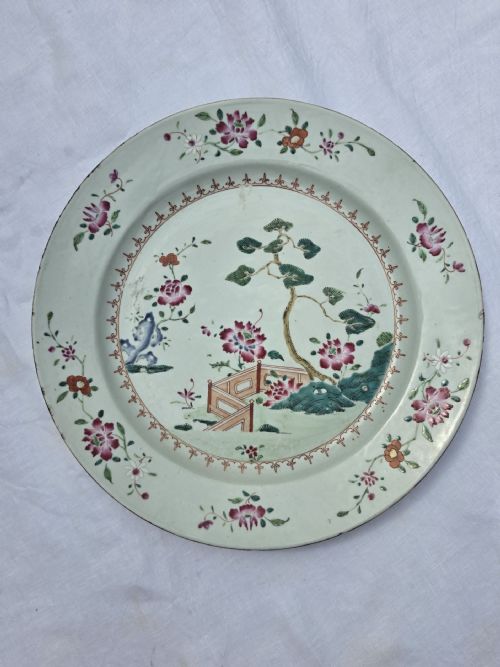
- A palette of opaque enamel colours dominated by pink, introduced during the Qing Dynasty. This style appears frequently on eighteenth and nineteenth-century export plates and chargers.
- Imari
- A style of Japanese export ceramics featuring underglaze blue and iron red, often highlighted with gold. The listings include plates and vases decorated in this manner.
- Hard-paste porcelain
- A dense, vitrified ceramic made from kaolin and petuntse, fired at high temperatures. It forms the durable body of most export wares.
- Cobalt underglaze
- A blue pigment applied to the raw clay body before glazing and firing, creating durable patterns beneath the clear glaze.
- Qing Dynasty
- The final imperial dynasty of China, spanning from sixteen-forty-four to nineteen-twelve. Many export bowls and plates date from this era.
Antique Asian Export China: Frequently Asked Questions
What is antique asian export china?
Antique asian export china refers to porcelain ceramics produced in Asia specifically for trade and export to Western markets. These items include decorative plates, bowls, and vases made during the eighteenth and nineteenth centuries.
Such wares combine traditional Eastern manufacturing techniques with decorative styles tailored to European and international tastes.
How do I identify Imari export china?
Imari export china is typically recognised by its distinctive palette combining cobalt underglaze blue and iron red, frequently accented with gold leaf. The style originated in Japan and appears on plates, cups, and vases.
These pieces often feature dense geometric and floral patterns covering the surface of the hard-paste porcelain.
How were these porcelain pieces used?
Many of these ceramics served practical functions as tableware, including teacups, saucers, bowls, and plates for dining and social gatherings. Larger chargers and vases were primarily intended for display in homes.
Over time, wealthy households used these imported objects to signal status and an appreciation for global trade goods.
How should I display export china?
Export china can be displayed on open shelves, tabletops, or inside specialised display cabinets designed to hold ceramics safely. Grouping items like plates or vases together creates a balanced visual impact in a room.
Care should be taken to place them securely away from heavy foot traffic to protect the delicate enamel and gold leaf decorations.