






Iron Red Decorative Plates
Iron red decorative plates bring bold iron red pigment and rich gilding together on porcelain, offering striking ceramic display pieces for the home.
Iron Red Decorative Plates
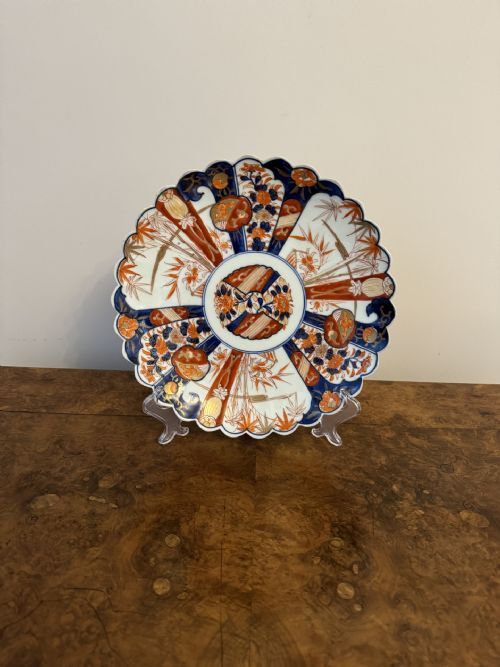
When you search for iron red decorative plates, you encounter striking ceramic objects designed primarily for display rather than daily dining. These pieces include large chargers, scalloped dishes, square plates, and hexagonal forms originating from Asian and Victorian ceramic traditions.
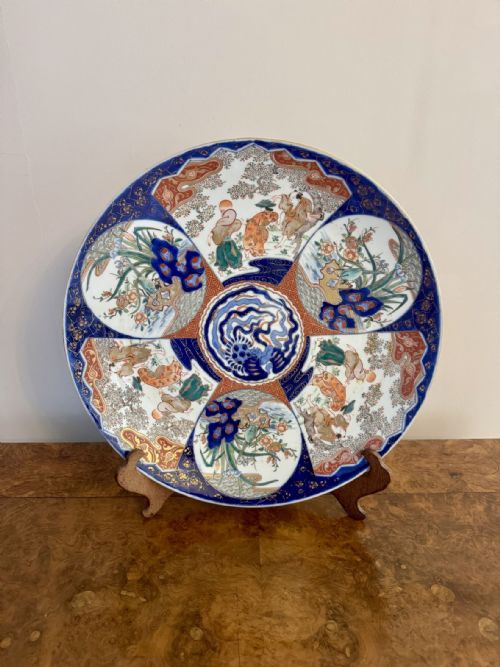
The version you are most likely to meet on this page is the Japanese Imari charger or plate dating from the late nineteenth century around nineteen hundred. These export pieces combine rich cobalt blue underglaze with vibrant iron red pigment and gilt highlights on porcelain bodies.
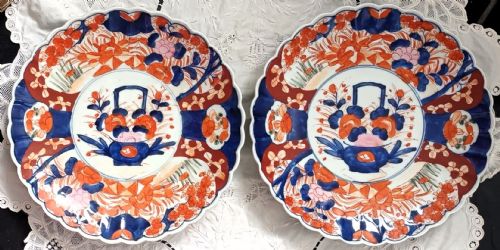
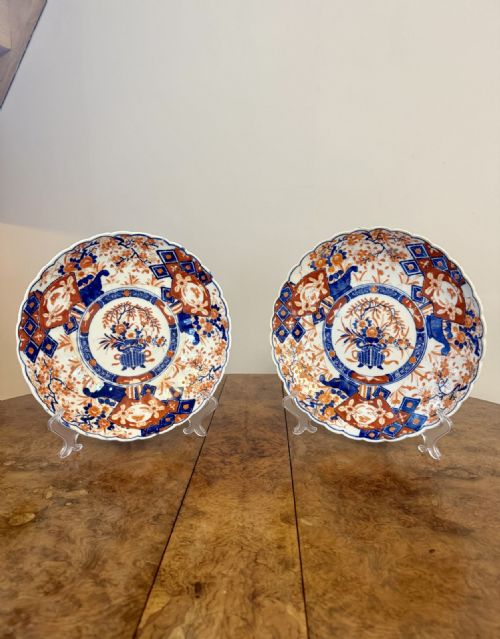
Alongside Japanese wares, the selection incorporates Chinese export porcelain and imperial dishes bearing period marks. Collectors find single display pieces alongside matched pairs and larger collections of varying diameters.
Materials and technique
These pieces utilise fine porcelain and ceramic bodies shaped into plates, dishes, and large chargers with round, square, hexagonal, or scalloped edges. Potters formed the clay bases before applying initial underglaze cobalt decoration where applicable.
The defining iron red pigment was then applied alongside enamel colours and gold leaf highlights, often complemented by gilt detailing. Firing fixed the mineral colours and gilding to the porcelain surface, creating the characteristic palette seen on these decorative wares.
Some chargers depict the Seven Lucky Gods hiding amongst dense floral patterns, seemingly daring you to count every single deity.
Qualities of the pieces
The distinction between standard examples and the finest items rests in the precision of the hand-painted brushwork and the complexity of the design. Superior pieces display intricate floral, bird, or figural motifs such as the Seven Lucky Gods executed with great clarity.
Condition and completeness also define the upper tier, particularly in matched pairs or larger sets of fourteen plates that retain their original crisp enamel colours and unrubbed gilding. Unusual shapes like square or ribbon forms further distinguish exceptional items.
The Iron Red Decorative Plates Glossary
- Charger
- A large decorative plate intended for display on a wall or sideboard rather than for service at table. These substantial pieces measure significantly wider than standard dining plates.
- Imari
- A style of Japanese porcelain exported from the port of Imari, traditionally characterised by a palette of cobalt blue, iron red, and gold. The style developed during the Edo period and remained popular through the Meiji period.
- Underglaze
- Pigment applied to the ceramic body before the application of a clear glaze and subsequent firing. Cobalt is the most common underglaze colour found on these wares.
- Gilt
- A thin layer of gold applied to the surface of the porcelain as leaf or paint. It provides the metallic highlights characteristic of many decorative plates.
- Scalloped
- An edge shaped into a series of continuous curves resembling the outline of a scallop shell. This decorative shaping appears frequently on Japanese Imari plates.
Iron Red Decorative Plates: Frequently Asked Questions
How were iron red decorative plates used?
These pieces served primarily as decorative items for display in interiors rather than functional tableware. Owners placed large chargers on walls, mantelpieces, or dedicated stands to showcase the painted designs.
Smaller plates and dishes functioned as cabinet pieces or part of matched sets for visual enjoyment. Their rich iron red and gilt surfaces made them focal points in Victorian and traditional display settings.
How do I identify a Meiji period plate?
Meiji period pieces date from eighteen sixty-eight to nineteen twelve, aligning with many late nineteenth-century items in the listings. They often exhibit dense hand-painted motifs including floral patterns, birds, and traditional figures.
Examining the foot ring, porcelain weight, and enamel texture helps distinguish these nineteenth-century exports from later reproductions. The combination of underglaze cobalt, iron red, and heavy gilding is typical of the era.
What is the difference between a plate and a charger?
A charger is a substantially larger decorative plate, usually measuring well over thirty centimetres in diameter. Because of their size, chargers were designed strictly for display on walls or heavy stands.
Standard plates are smaller and were produced in greater quantities for both display and cabinet collections. Chargers often feature more complex multi-figure compositions, such as depictions of the Seven Lucky Gods.
How should I display antique porcelain plates?
Display antique plates using sturdy wall brackets or dedicated plate stands designed to support their weight safely. Ensure the mounting hardware securely grips the rim or foot without causing friction damage.
Keep porcelain away from direct sunlight to protect the enamel colours and gold leaf over time. Stable indoor humidity also helps preserve the glaze and ceramic body in good condition.