

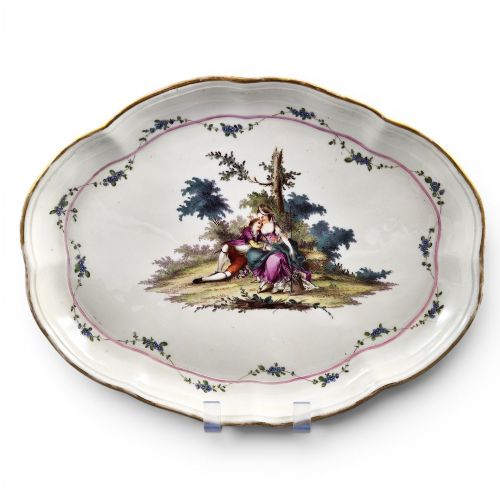


Antique French Porcelain Dishes
These antique french porcelain dishes bring hand-painted portraits, gilt bronze mounts, and intricate cobalt grounds straight from eighteenth-century kilns to modern rooms.
Antique French Porcelain Dishes
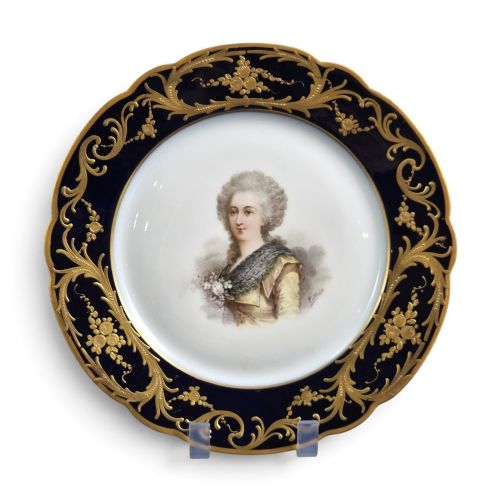
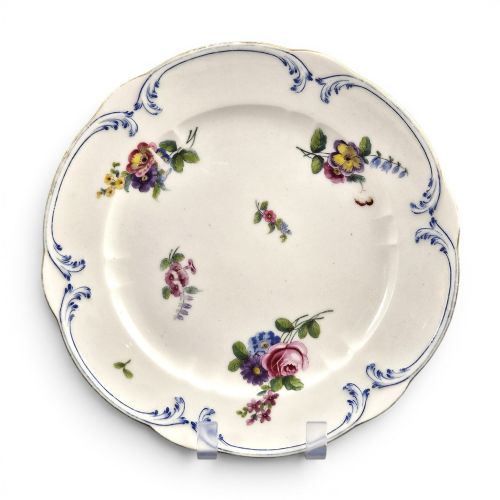
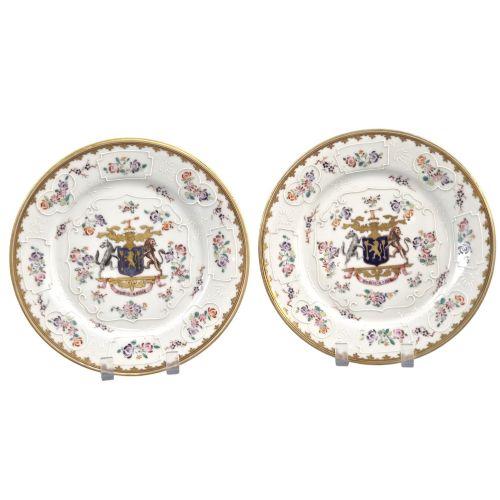
When you search for antique french porcelain dishes, you encounter a varied assortment of cabinet plates, lidded boxes, trays, and centrepieces originating from centuries of ceramic production. The selection spans delicate eighteenth-century soft-paste plates alongside bolder nineteenth-century decorative services and twentieth-century powder boxes.
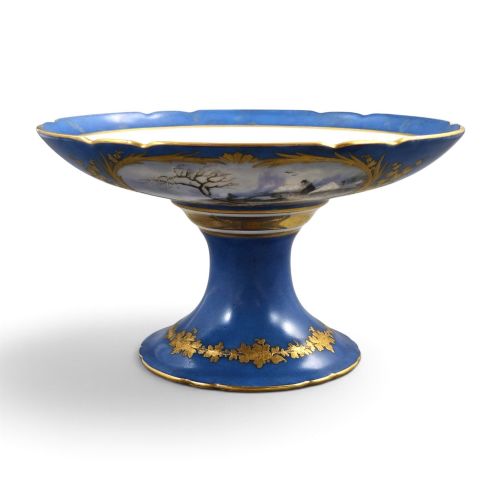
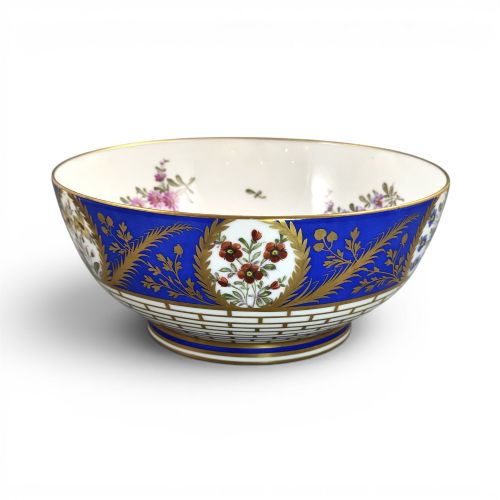
The objects take many forms, including footed bowls, tazzas, pin trays, and soup tureens styled in the manner of Sèvres or executed by Parisian makers. You meet pieces drawing on French Rococo Revival, Louis XVI Revival, and Art Deco aesthetics, reflecting changing tastes across generations of makers.
Dating ranges from the mid-eighteenth century through the Victorian era and into the 1930s. The assortment moves fluidly from formal cabinet plates bearing historical battle scenes to functional lidded powder boxes intended for a dressing table.
How they were made
The maker shapes porcelain bodies and applies glazes, frequently incorporating hand-painted motifs, floral details, and Watteau scenes. Artisans layer gold leaf and gilt detailing over the ceramic surface to frame portraits and landscapes.
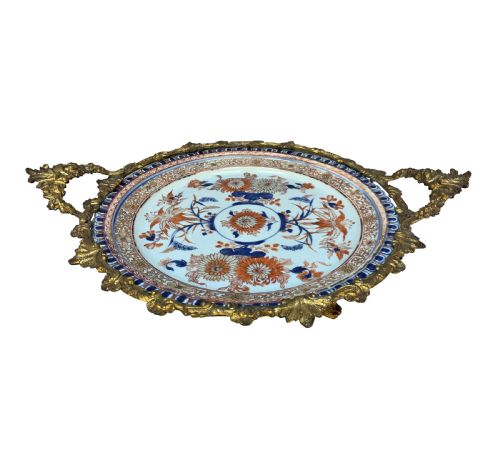
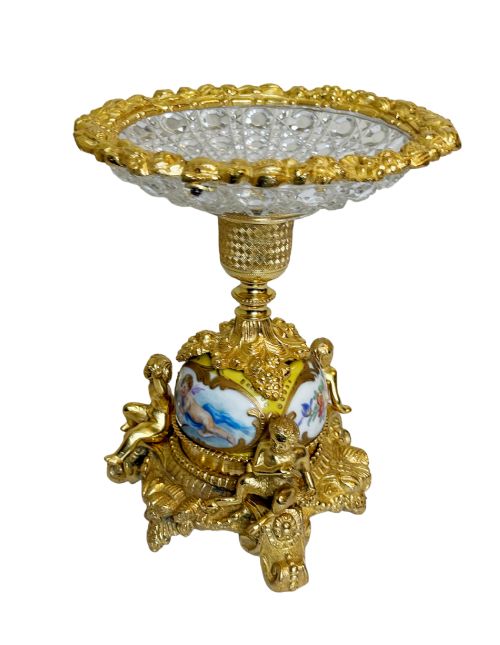
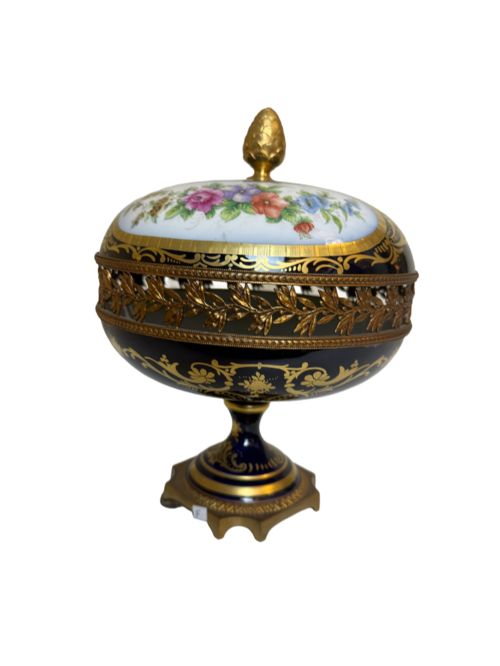
Many items combine porcelain with metalwork, integrating ormolu, gilt bronze mounts, and champlevé enamel into trays, centerpieces, and tazzas. Cut crystal and specialised ceramic pastes further broaden the material vocabulary of these works.
A ceramic half doll emerges from one Art Deco powder box, keeping watch over dressing table trifles with period flair.
What varies in quality
Quality rests in the execution of the hand-painted details, from delicate portrait miniatures and historical battle scenes to the precision of the gilding. Pieces produced directly by established factories or skilled Parisian workshops show superior control over the glaze and pigment application.
The integration of secondary materials dictates the character of the object, as seen in heavy gilt bronze mounts, champlevé enamel, and ormolu framing. Refinement in these metal components elevates the overall execution of centrepieces and mounted plates.
Ambroise Michel·Edmé Samson & Cie·Joseph-Gaspard Robert·Pucher Deroche·Louis Pierre Malpass
The Antique French Porcelain Dishes Glossary
- Soft-paste porcelain
- An artificial ceramic body composed of clay and glass frit, fired at lower temperatures than hard-paste porcelain. It produces a warm, creamy glaze particularly associated with eighteenth-century French factories.
- Ormolu
- Gilded bronze used for decorative mounts on porcelain bowls, trays, and centrepieces. It provides a rich metallic contrast to the ceramic glaze.
- Champlevé enamel
- A technique where troughs are carved into a metal surface and filled with vitreous enamel powder before firing. This colourful decoration often embellishes the mounts of nineteenth-century French dishes.
- Tazza
- A shallow bowl or plate raised upon a stem and foot, used for display or serving. These elevated vessels appear frequently in nineteenth-century decorative tablewares.
- Bleu céleste
- A brilliant sky-blue ceramic ground colour developed at Sèvres during the eighteenth century. It forms the backdrop for elaborate hand-painted panels and gilt borders.
Antique French Porcelain Dishes: Frequently Asked Questions
What is a cabinet plate?
A cabinet plate is a decorative ceramic dish intended solely for display in a cabinet or on a wall rather than for dining use. These pieces often feature detailed hand-painted portraits or historical scenes.
They showcase the highest artistic output of porcelain factories, preserving elaborate gilding and specialised glaze colours without the wear of daily handling.
How do I identify Sèvres style?
Sèvres style porcelain is recognised by its rich cobalt or bleu céleste grounds, intricate gilt detailing, and hand-painted subjects like pastoral scenes or historical events. Many pieces adopt the ornate aesthetic of the French monarchy.
While the royal factory produced original works, many later pieces follow this decorative manner in homage to those eighteenth-century designs.
Where were powder boxes used?
Powder boxes sat on dressing tables in bedrooms and boudoirs during the late nineteenth and early twentieth centuries. They held cosmetic powders, trinkets, or hairpins.
By the Art Deco period, these ceramic and porcelain receptacles featured stylized figural lids, such as half dolls and flapper girls, reflecting contemporary fashion.
How should I display a centrepiece?
A centrepiece with porcelain bowls, ormolu mounts, and crystal elements serves as a focal point on a dining table or sideboard. Their substantial construction allows them to anchor a room.
Ensure they are placed away from heavy traffic areas to protect delicate protruding elements like gilt bronze cherubs or enamel work.