



Sevres Porcelain Cabinet Plates
Sevres porcelain cabinet plates are decorative ceramics designed for display, bringing hand-painted scenes and rich gilding from French kilns into your home.
Sevres Porcelain Cabinet Plates
Sevres porcelain cabinet plates are decorative plates meant for display in interiors rather than everyday dining use. When you search for sevres porcelain cabinet plates, you encounter pieces originating primarily from the eighteenth and nineteenth centuries.
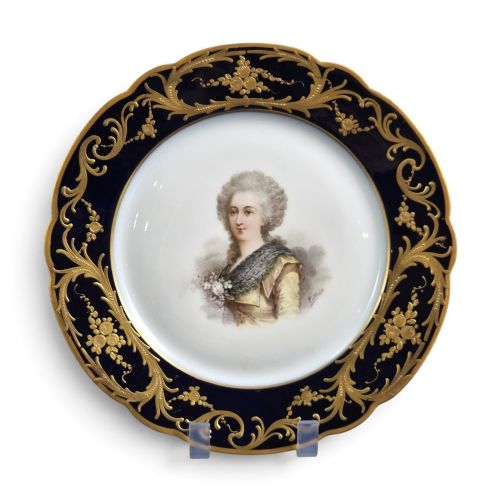
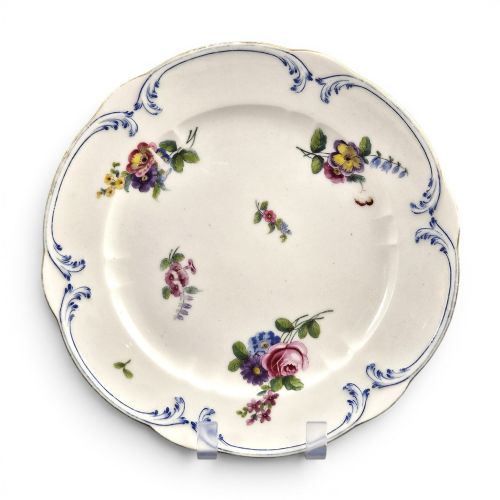
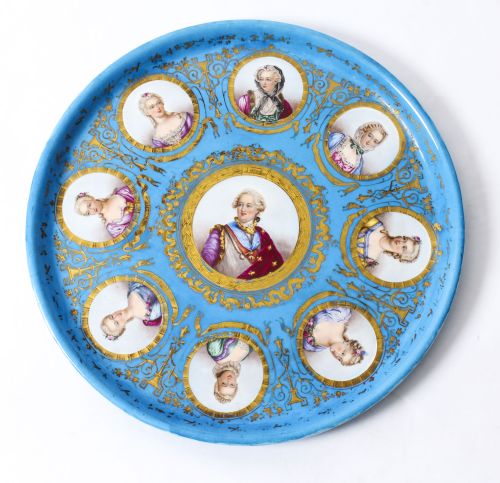
The selections available include single portrait pieces, floral motifs, and large charger plates measuring up to twenty inches in diameter. Styles range from eighteenth-century soft-paste porcelain to nineteenth-century Louis XVI Revival and Rococo Revival interpretations.
How They Were Made
These plates utilise porcelain bodies, including soft-paste porcelain, finished with specialised glaze layers to create smooth surfaces for painting. Artisans applied detailed enamel pigments by hand to render portraits, battle scenes, and floral designs.
Finishing touches involved the application of gold leaf and extensive gilding to rims and borders, framing the central painted panels.
Some nineteenth-century plates transform the dining room into a battlefield by featuring detailed medieval and historical combat scenes.
What Varies in Quality
Quality in these plates rests upon the precision of the hand-painted enamels and the complexity of the narrative or portrait subjects depicted. Pieces depicting historical battles or specific figures often represent higher artistic ambition than standard floral patterns.
The application of gold leaf and the intricacy of the surrounding gilding also dictate the tier of a piece, alongside the fineness of the porcelain body itself.
Ambroise Michel·Kerr and Binns
The Sevres Porcelain Cabinet Plates Glossary
- Cabinet plate
- A decorative ceramic plate intended for display in a cabinet or on a wall rather than for practical table use. These items typically feature elaborate painted decoration.
- Soft-paste porcelain
- An artificial ceramic paste composed of clay and glass frit, fired at lower temperatures than hard-paste porcelain. This material has a characteristic warm tone and soft glaze surface.
- Gilding
- The application of gold leaf or powdered gold to the surface of porcelain to create decorative borders and highlights. This technique enhances the visual richness of the piece.
- Charger plate
- A large decorative plate, sometimes measuring twenty inches across, used as a base setting or displayed centrally. They provide a larger canvas for elaborate painted scenes.
- Rococo Revival
- A nineteenth-century design movement that revives the asymmetrical curves, scrolls, and ornamentation of the eighteenth-century Rococo style. This aesthetic appears frequently on nineteenth-century French porcelain.
Sevres Porcelain Cabinet Plates: Frequently Asked Questions
What are cabinet plates?
Cabinet plates are ornamental ceramic dishes created specifically for display in domestic interiors. They are distinguished from tableware by their elaborate painted centres and decorative borders.
Historically, owners exhibited them on walls or inside glass-fronted cabinets to showcase taste and wealth.
How do I clean them?
These delicate porcelain and gilt surfaces require gentle dusting with a dry, soft cloth. Avoid water, immersion, or chemical cleaners, which can damage the enamel and gold leaf.
Preserving the original painted finish means handling the pieces as display objects rather than functional items.
Are eighteenth and nineteenth century plates different?
Eighteenth-century examples often utilise soft-paste porcelain bodies with distinct glaze characteristics. Nineteenth-century pieces frequently embrace revival styles like Louis XVI and Rococo with heavier gilding.
Examining the paste and the painting technique helps distinguish the earlier period from later revivals.
How were they displayed?
Owners placed these items on specialised stands, hung them on walls, or arranged them within dedicated display cabinets. The large charger plates served as striking focal points in a room.
This method of presentation protected the painted portraits and gilt rims from physical wear.