


Gilt Rim Porcelain Dishes
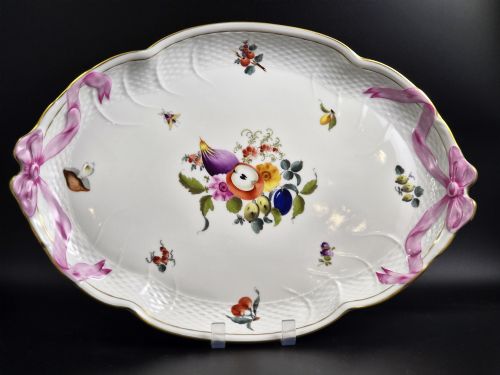
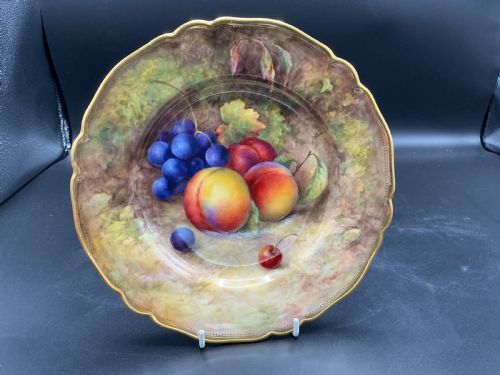
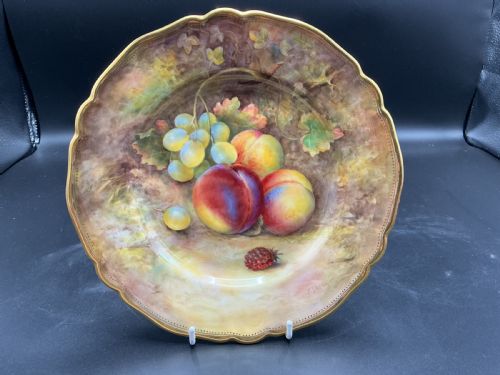
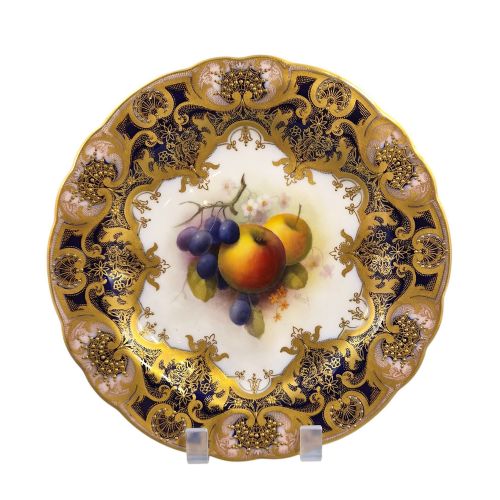
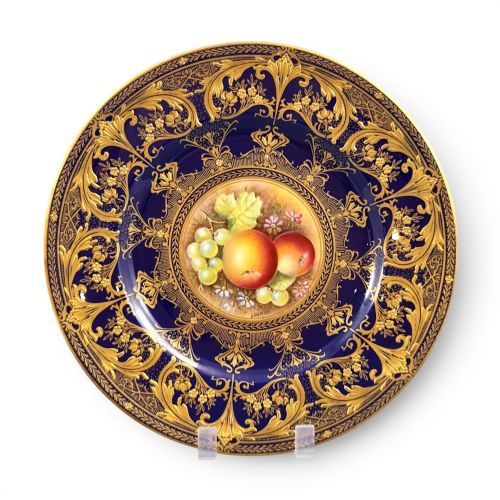
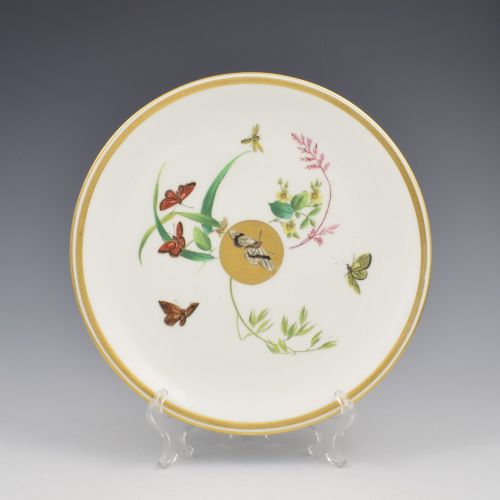
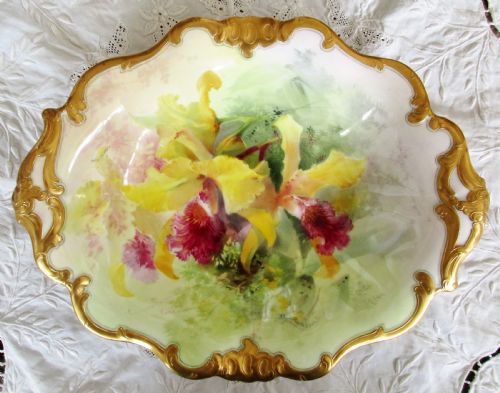
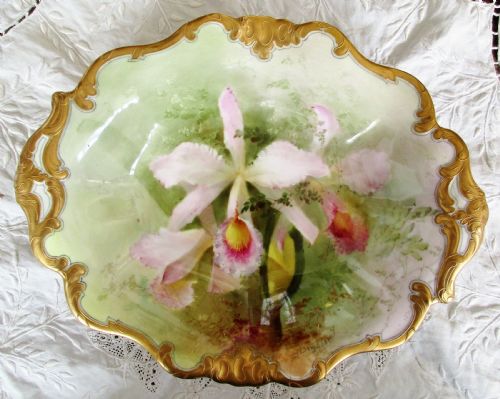
These gilt rim porcelain dishes combine fine ceramic bodies with hand-painted details and metallic gilding.
Gilt Rim Porcelain Dishes
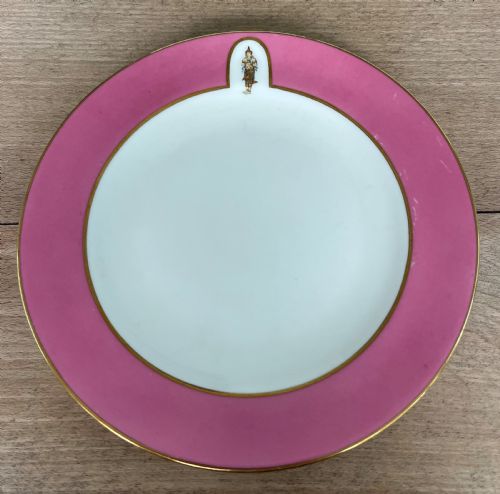
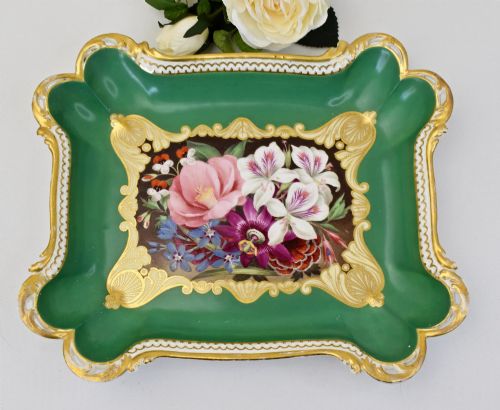
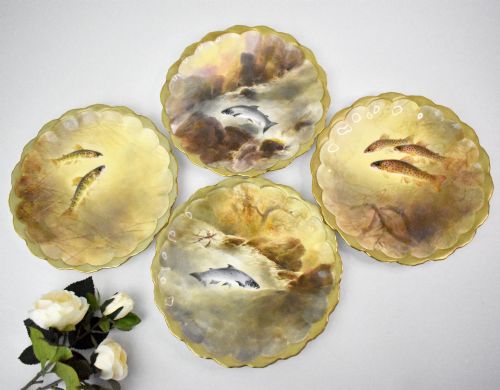
Gilt rim porcelain dishes encompass a variety of decorative plates, cabinet plates, bowls, and trays produced across the Victorian, Edwardian, and mid-twentieth-century periods. These items range from dessert services and floral cabinet pieces to hand-painted fruit dishes created by prominent English and European potteries.
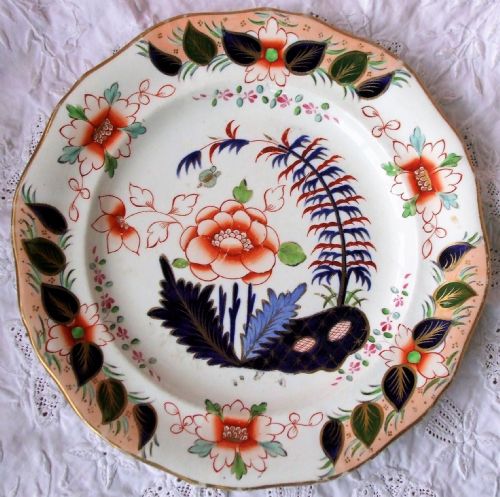
You will frequently encounter English porcelain and bone china items featuring traditional painted scenes, floral sprays, or Imari patterns alongside gilt edges. The selection includes works from established factories such as Royal Worcester, Royal Doulton, and Meissen, spanning styles from Rococo Revival and Aesthetic Movement to Georgian and Edwardian designs.
How they were made
Makers shaped ceramic, porcelain, and bone china bodies before applying intricate hand-painted enamels, floral motifs, and figurative scenes. Artisans utilised gold leaf and gilding techniques to finish the rims and borders of each dish.
Firing processes fixed the polychrome enamels and metallic details to the ceramic surface, creating durable decorative tableware designed for display or light dessert service.
Listings feature porcelain, bone china, and ironstone materials decorated with enamel and gold leaf across Victorian and twentieth-century periods.
What varies in quality
The standard of painting on these dishes sets the baseline for quality, distinguishing standard floral transfers from intricate, signed hand-painted fruit or bird studies by notable factory artists. The delicacy of the porcelain body, the intricacy of reticulation, and the crispness of the gilt rim further separate everyday domestic wares from exhibition-grade cabinet pieces.
Provenance and factory origin also influence the standing of a piece, with recognised works from Meissen, Sevres, and early Worcester carrying distinct artistic weight. Preservation of the original gilding and enamel colours remains central to the integrity of each item.
Royal Worcester·Royal Doulton·Meissen·Coalport·Sevres·Wedgwood·Minton·Rockingham Pottery·Doulton Burslem
The Gilt Rim Porcelain Dishes Glossary
- Cabinet plate
- A decorative plate intended primarily for display in a cabinet or on a wall rather than for daily dining.
- Gilding
- The application of gold leaf or gold powder to the rim or surface of ceramic wares to create a metallic border.
- Imari pattern
- A decorative style inspired by Japanese export porcelain, typically utilising a palette of underglaze blue, iron red, and gilt.
- Reticulated
- Describes ceramic ware featuring openwork lattice patterns cut into the rim or body before firing.
Gilt Rim Porcelain Dishes: Frequently Asked Questions
How do I display cabinet plates safely?
Cabinet plates with gilt rims require secure wall mountings or stable plate stands designed to support porcelain without damaging the edges.
Keep them away from direct sunlight and areas of heavy foot traffic to protect the painted surfaces and gold leaf.
Can I use these dishes for serving food?
Most antique cabinet dishes and decorative plates are intended for display or light dessert service rather than heavy daily use.
Hand washing in lukewarm water with mild soap helps preserve the delicate enamel painting and gilt rims.
What does the Imari pattern mean?
Imari describes a decorative porcelain style featuring deep blue, iron red, and gilt details influenced by Japanese traditions.
English and European potteries adopted these patterns extensively during the Georgian and Victorian periods.
How do I date a porcelain dish?
Dating relies on factory backstamps, maker marks, painted artist signatures, and stylistic indicators such as Edwardian floral motifs or Aesthetic Movement designs.
Comparing the ceramic body and glaze characteristics with known production periods provides a reliable timeframe.