


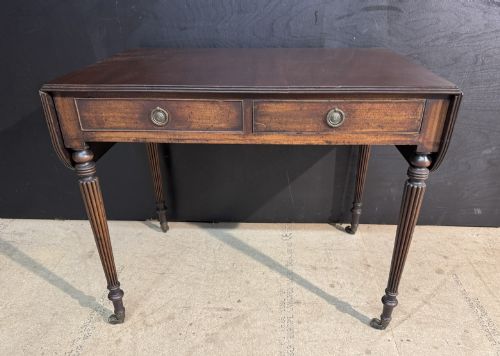
Regency Mahogany Console
A regency mahogany console brings architectural discipline and warm timber to a room, offering a surface that sits cleanly against a wall.
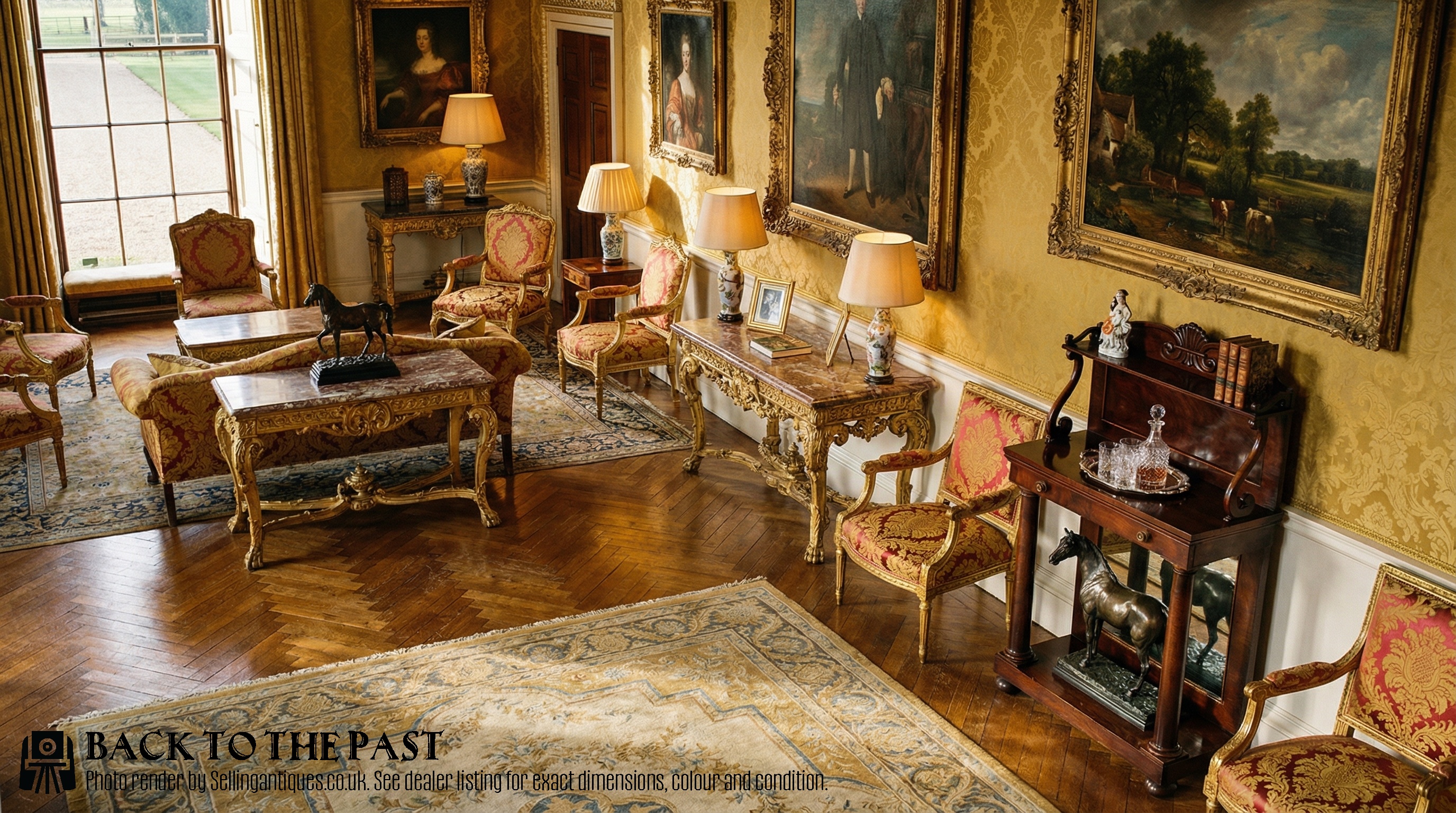
Regency Mahogany Console
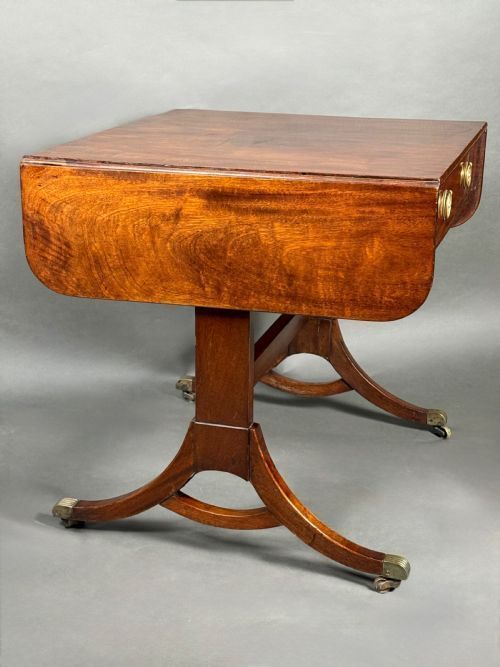
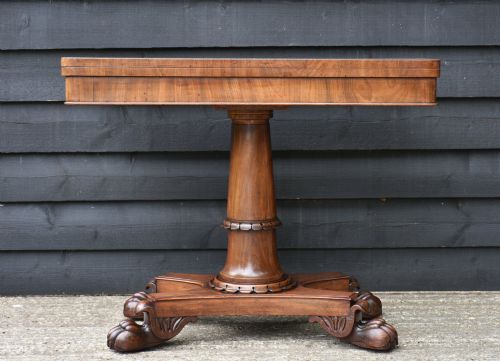
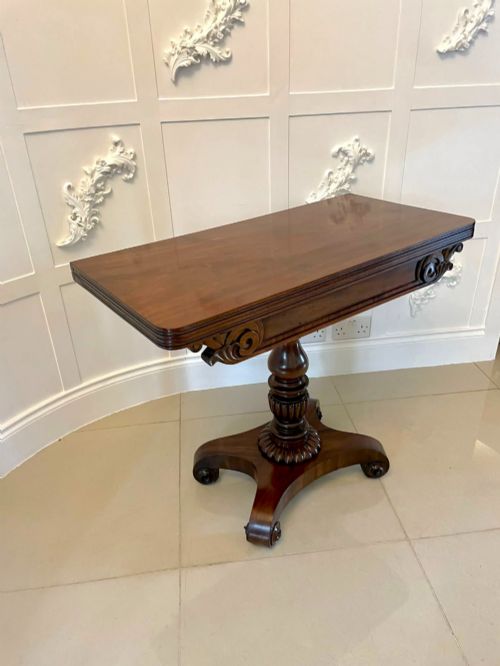
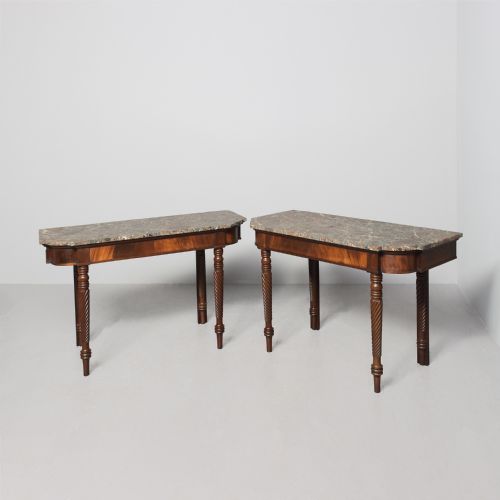
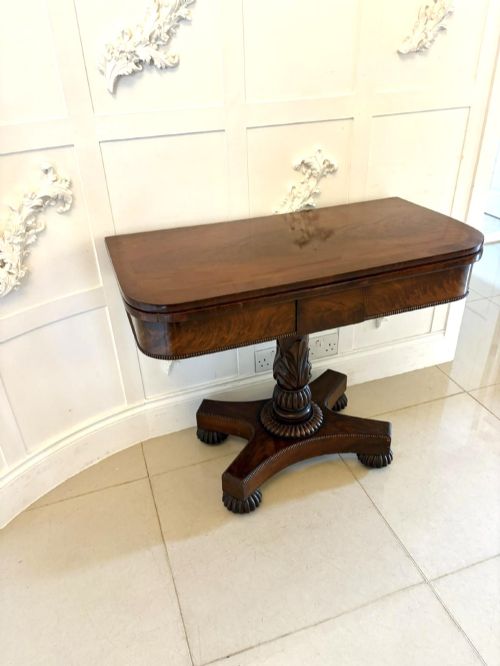
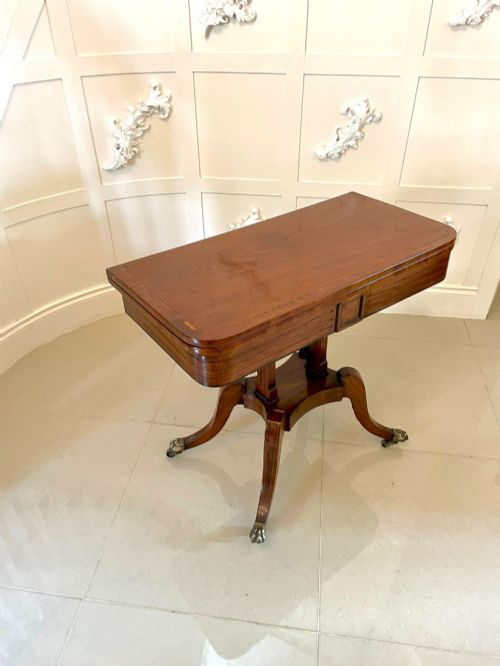
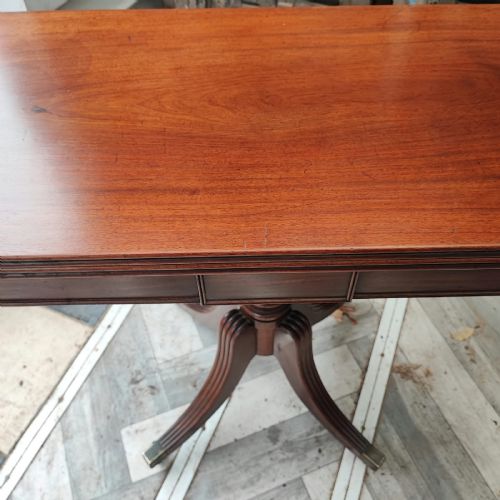
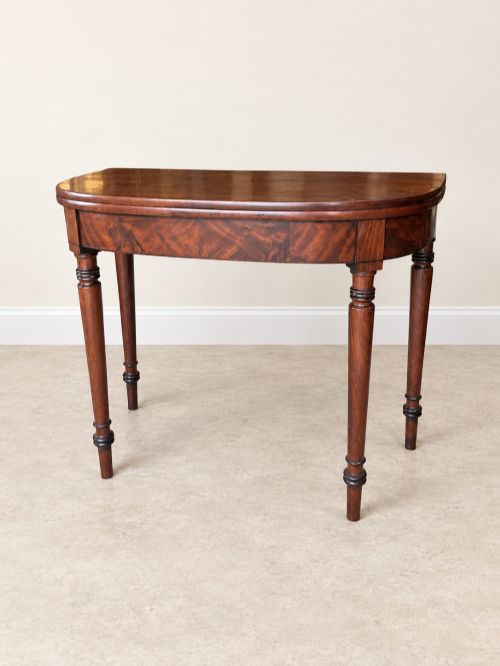
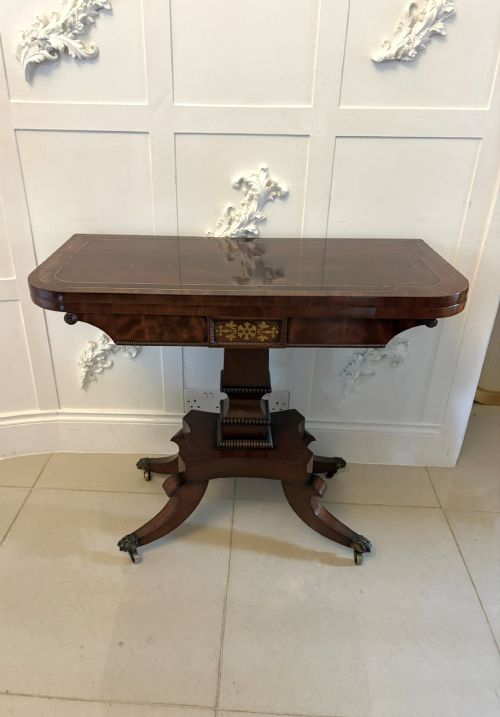
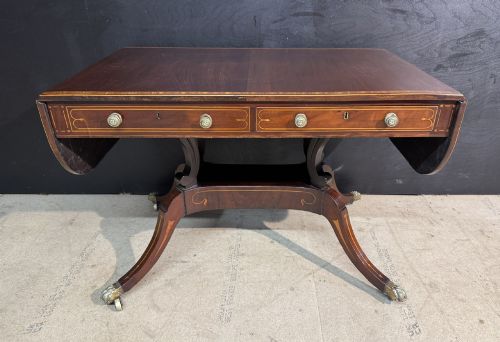
When searching for a regency mahogany console, a buyer encounters tables that serve multiple functions, frequently crossing between console, card, tea, and side table forms. These pieces date principally from the nineteenth century, including the Regency, Georgian, and William IV periods, alongside later revival interpretations.
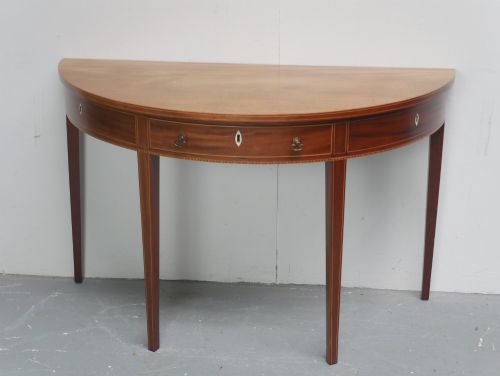
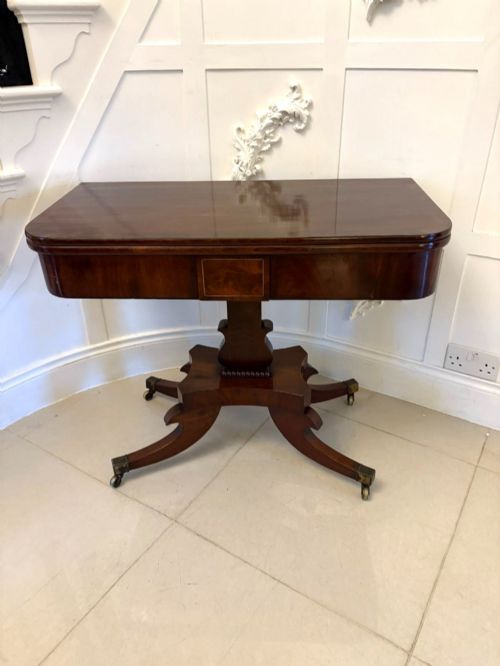
The architectural shapes vary from semicircular demi-lune formats to D-shaped and rectangular profiles, designed to anchor hallways, living spaces, and drawing rooms. Many examples incorporate folding tops or drop leaves, shifting from compact wall tables into serving or gaming surfaces.
Makers and workshops of the period produced these forms with freestanding capabilities or specific wall-mounting intent, often utilising figured timbers to create visual impact. The selection ranges from strict classical forms with sabre legs to pairs of marble-topped hall tables.
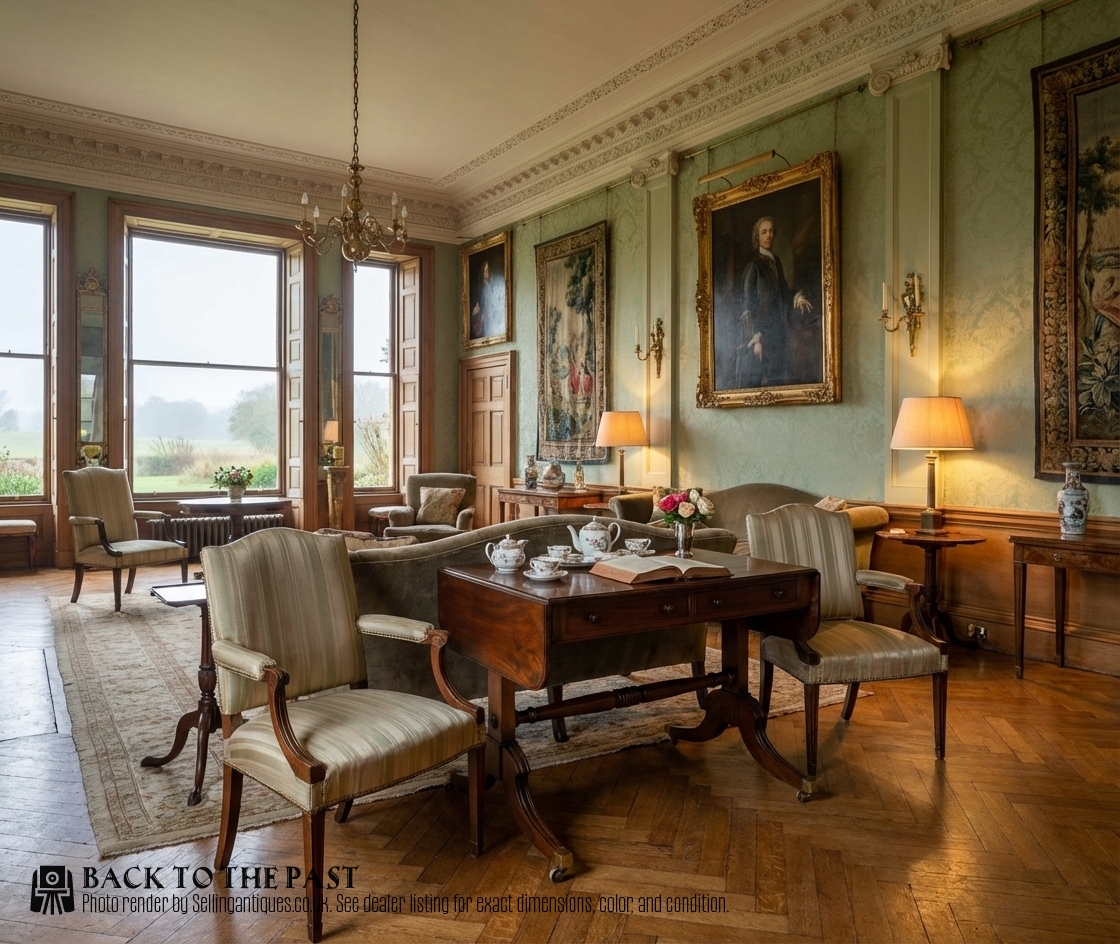
What varies in quality
The choice of timber underpins the visual hierarchy, with selected flame mahogany and figured veneers commanding greater presence than plain stock. The crispness of inlaid stringing, brass mounts, and carved details separates standard workshop production from master cabinet work.
Proportion and architectural balance dictate the overall success of the form, particularly in complex concertina actions and folding mechanisms. Consistency in timber matching across the top and frieze distinguishes higher-grade pieces from simpler utilitarian tables.
Regency Mahogany Console Retail Price Guide 2026
Typical asking prices for regency mahogany console among the pieces listed under this phrase on Sellingantiques today, from the lower quarter to the upper quarter. They describe what is for sale here now, not the wider market.
Several tables arrive with hidden folding actions designed for discreet evening card games.
The Regency Mahogany Console Glossary
- Flame mahogany
- Timber veneer cut to reveal a characteristic flamelike pattern across the grain. This figured wood is prized for its dramatic visual movement on tabletops.
- Demi-lune
- A half-moon shape used for console and side tables designed to stand flush against a wall. The format suits narrow hallways and smaller reception rooms.
- Concertina action
- An expanding frame mechanism that supports a folding table top when opened. This engineering allows a console to transform into a stable card or tea table.
- Stringing
- Thin lines of contrasting wood inlay used to outline borders and panels. Boxwood and ebony are typical materials for this decorative detailing.
- Sabre leg
- A concave curving leg that sweeps outward in imitation of a classical cavalry sword. This support form is characteristic of Regency seating and lighter tables.
Regency Mahogany Console: Frequently Asked Questions
Where should I place a console table?
A regency mahogany console fits naturally in an entrance hall, behind a sofa, or beneath a mirror in a dining room. Their shallow depth allows them to occupy circulation spaces without blocking pathways.
Because many examples feature finished backs or fold-over tops, they transition easily from a flat wall presentation to an active serving or card surface when required.
How do I use a fold-over console?
Fold-over tables open on hinges to double the surface area for tea, writing, or games. Supporting the leaf requires careful handling of the pivoting rear leg or concertina frame.
Keeping the hinges clean and avoiding excessive weight on the extended leaf ensures the mechanical joints remain stable over years of use.
What is the difference between a side table and a console?
Console tables traditionally rely on a wall for complete stability or feature specific wall fixings alongside front legs. Side tables are generally freestanding four-legged furniture pieces.
In historical listings, the terms frequently overlap because many console designs include finished backs and freestanding capability.
How do I care for mahogany surfaces?
Maintaining nineteenth-century timber requires avoiding direct sunlight and excessive heat sources that dry out the polish. Gentle dusting with a soft cloth preserves the original wax finish.
Occasional application of quality beeswax maintains the moisture and deep lustre of the flame mahogany veneer without building up heavy chemical residue.