
Antique Serving Sideboard
An antique serving sideboard brings formal dining presence and practical storage into a room, spanning grand Georgian breakfronts and robust oak dresser bases.
Antique Serving Sideboard
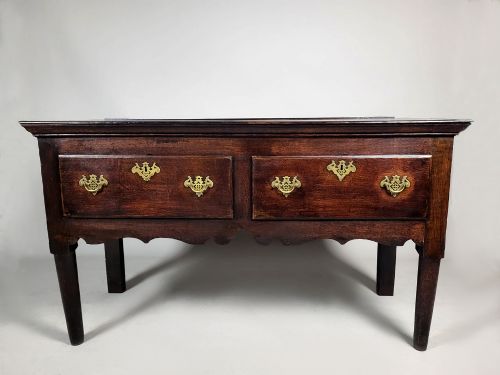
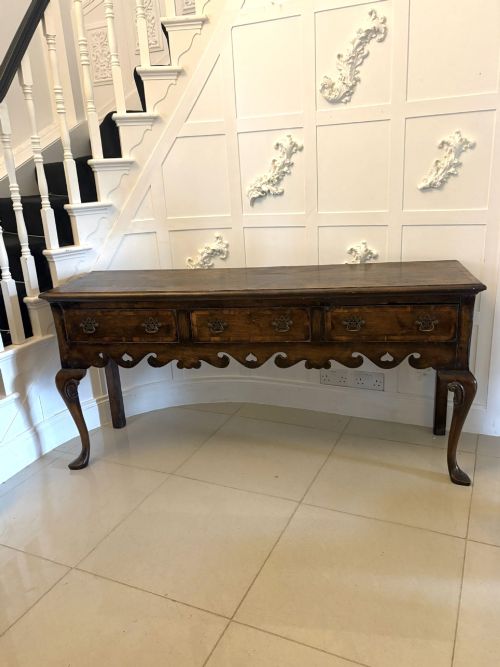
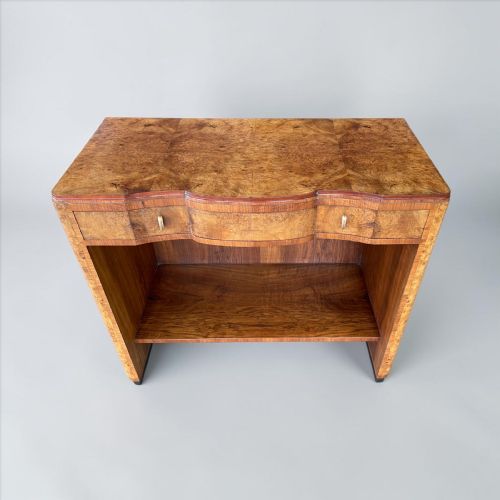
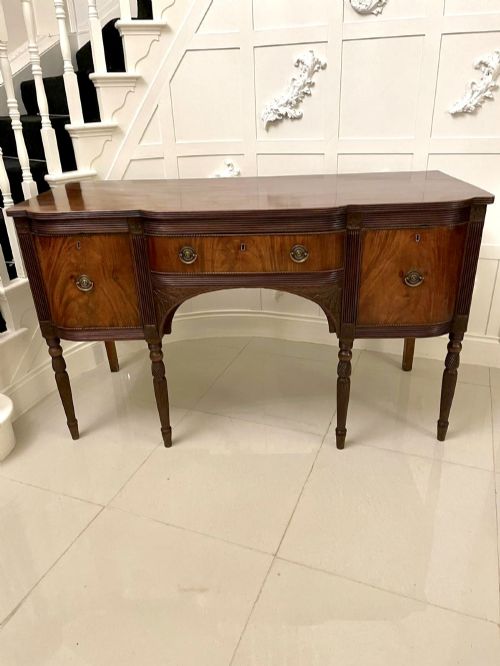
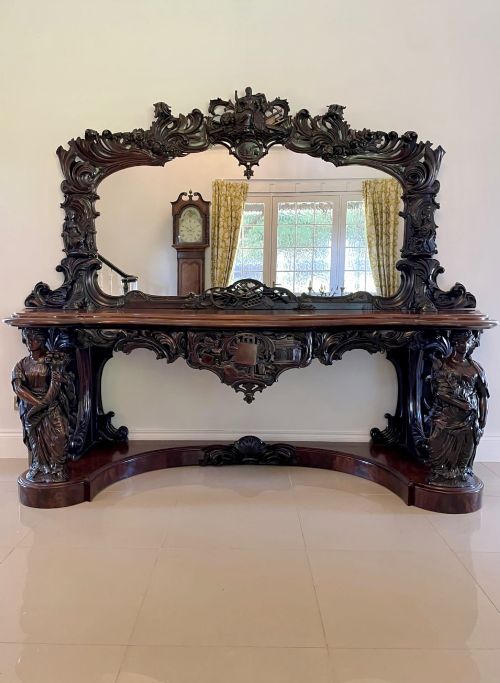
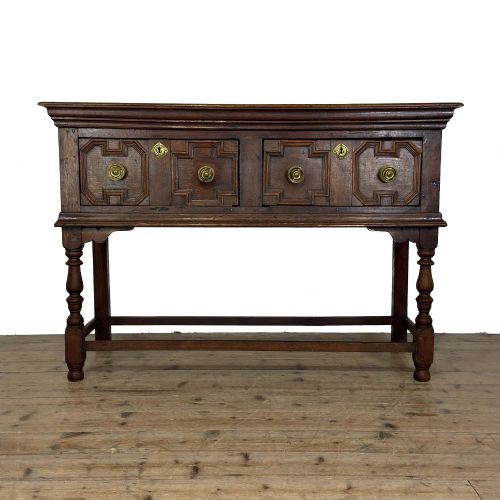
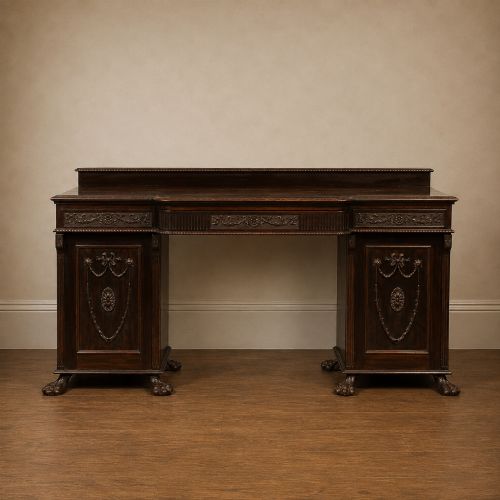
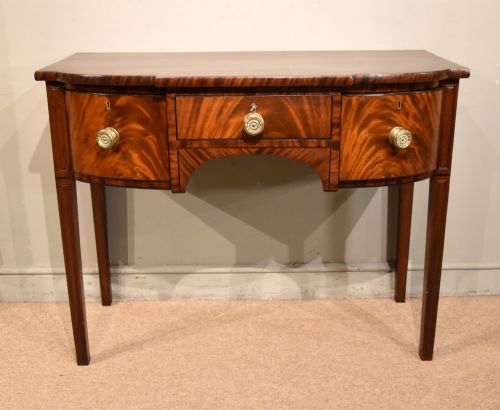
When you search for an antique serving sideboard, you encounter substantial dining furniture designed to hold silver, linen, and food during large meals. The pieces listed span the 18th century through the Edwardian era, encompassing Georgian and Regency mahogany formats alongside rustic oak dresser bases.
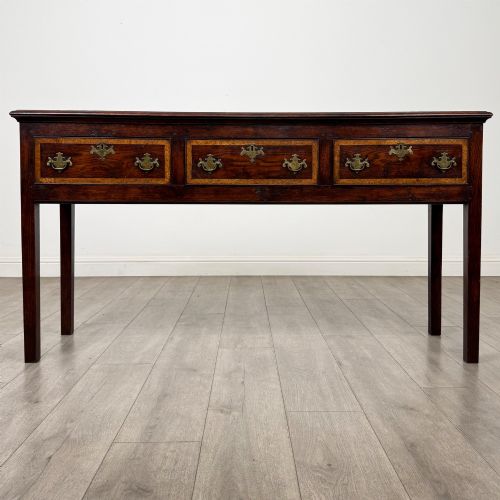
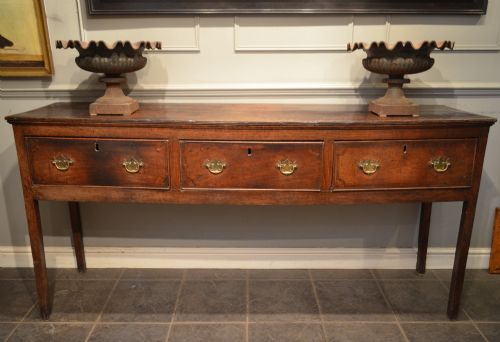
You meet formal breakfront designs with inlaid mahogany alongside country iterations built from oak, pine, or walnut. Many examples reflect specific regional traditions, such as Welsh potboard bases or Irish sideboards, while revival styles bridge earlier craftsmanship with later domestic needs.
Materials and construction methods
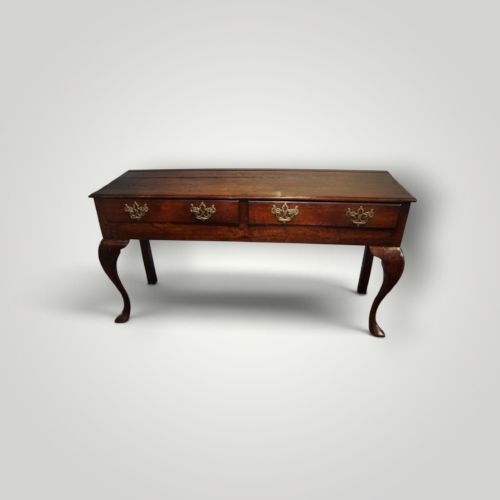
Cabinetmakers relied on figured mahogany, oak, and burr walnut, often pairing primary display timbers with secondary woods like pine for internal framing. Surfaces frequently display boxwood stringing, brass hardware, and hand-carved details such as paw feet or cabriole legs.
Joinery techniques ranged from dovetail drawers to panelled construction on dresser bases, supported by turned or tapering legs. Polishing and finishing relied on traditional shellac or wax applications to highlight the grain patterns of the timber.
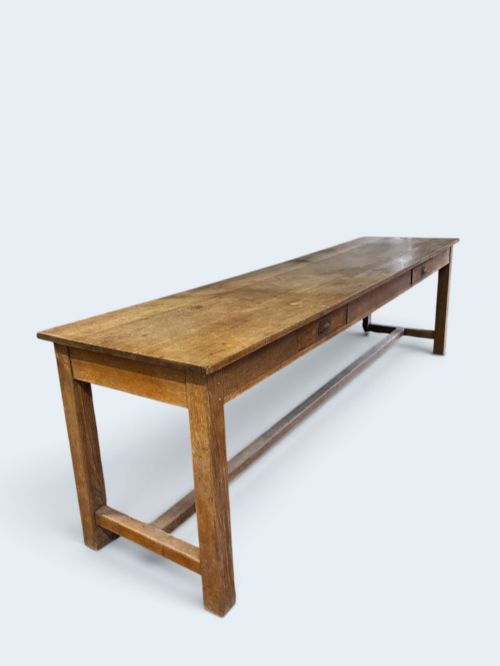
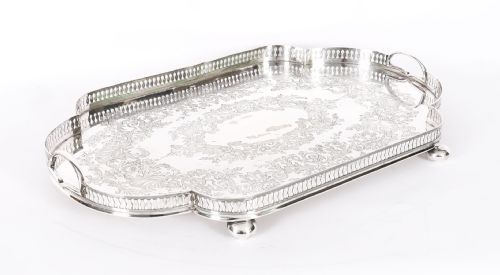
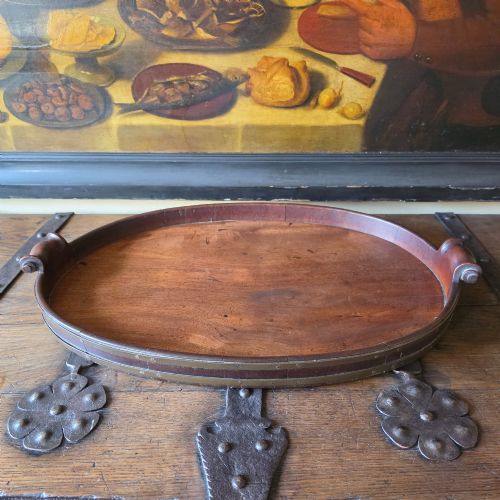
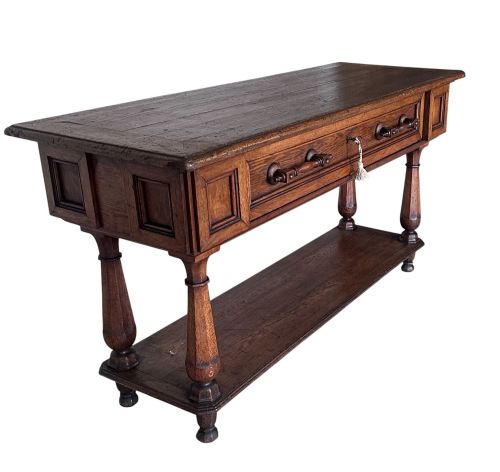
Serving tables appear alongside dresser bases, console tables, and gallery trays in multiple regional styles.
Measures of craftsmanship and distinction
Quality rests in the selection of timber figures, such as book-matched mahogany veneers or densely grained burr walnut panels. Superior examples exhibit crisp carving, precise drawer dovetailing, and harmonious proportions rather than heavy-handed alterations.
The integrity of the original hardware, locks, and sub-frames distinguishes standard utility furniture from exhibition-grade pieces. Maker attributions and documented regional characteristics further elevate the standing of an individual sideboard.
Maurice Adams·James Deakin·Gillows·Epstein
The Antique Serving Sideboard Glossary
- Breakfront
- A cabinet or sideboard whose central section projects forward from the flanking outer sections. This arrangement creates visual depth and structural hierarchy across the front facade.
- Dresser base
- A low wooden unit featuring drawers and sometimes a lower shelf or potboard, originally used in kitchens or dining rooms for food preparation and service.
- Dovetail
- A joint formed by interlocking wedge-shaped fingers, commonly used in drawer construction to ensure durable, long-lasting corners without relying solely on glue.
- Potboard
- An open lower shelf built into the base of a dresser or serving table, traditionally used for storing heavy pots and serving dishes.
- Stringing
- Thin inlay lines of contrasting wood, such as boxwood set into mahogany, used to outline drawers and panels for decorative effect.
Antique Serving Sideboard: Frequently Asked Questions
How do I date an antique serving sideboard?
Dating relies on examining construction methods, timber choices, and hardware styles across the piece. Secondary woods, drawer joints, and leg profiles often reveal the period of manufacture.
Stylistic cues such as brass ring pulls, inlaid stringing, or carved mouldings align with documented design phases from the Georgian era through to the Edwardian period.
Where were serving sideboards used in the home?
These pieces traditionally stood in dining rooms to assist with the serving of meals and the storage of tableware. Their surfaces held dishes before they reached the dining table, while cupboards and drawers kept linens secure.
Today, they transition easily into living spaces, hallways, or large kitchens to provide substantial surface area and concealed storage.
What is the difference between a sideboard and a dresser base?
A sideboard is typically a formal dining room cabinet featuring fitted drawers and cupboards, often raised on short legs or feet. They reflect refined cabinetmaking styles from the Georgian and Regency periods.
A dresser base generally stems from country traditions, featuring deep drawers and occasionally an open potboard beneath. They present a more rustic aesthetic rooted in domestic utility.
How should I care for a mahogany or oak surface?
Timber surfaces respond best to regular dusting with a soft, dry cloth and occasional applications of traditional beeswax. Avoid placing wooden furniture in direct sunlight or near heat sources to prevent timber splitting.
Moisture should be wiped away promptly, and felt pads help protect the polish when placing objects on the top surface.