

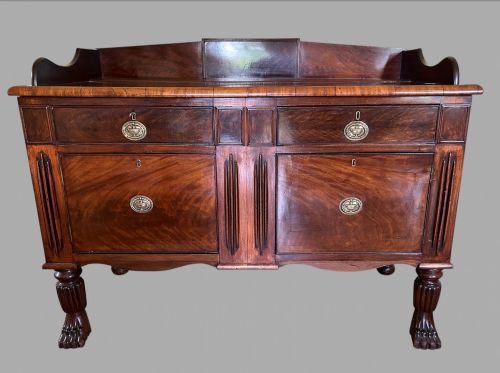
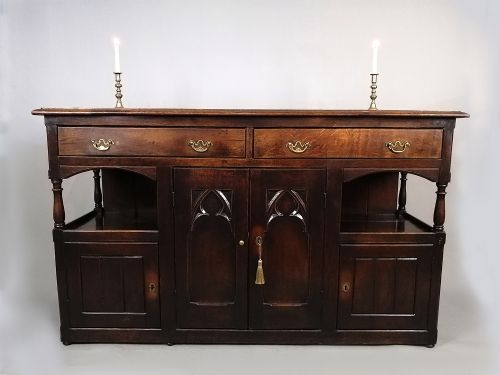
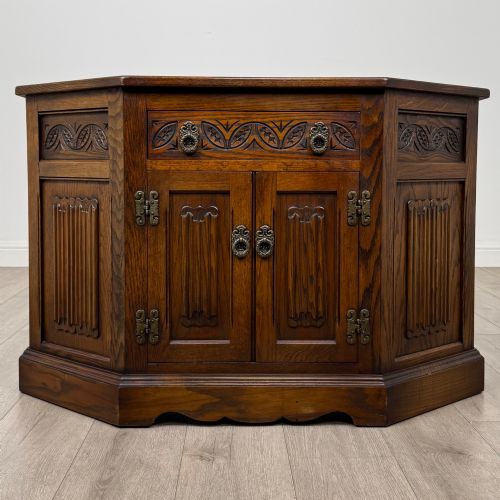
Carved Wooden Server
A carved wooden server brings architectural presence and rich grain to a dining room, offering practical surface space rooted in historic craftsmanship.
Understanding carved wooden servers
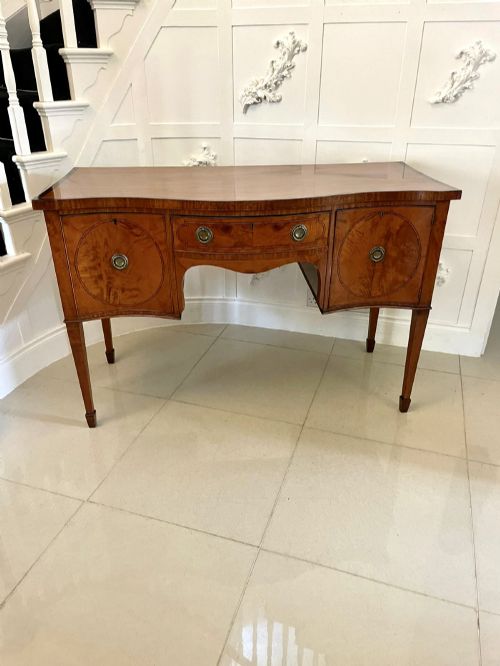
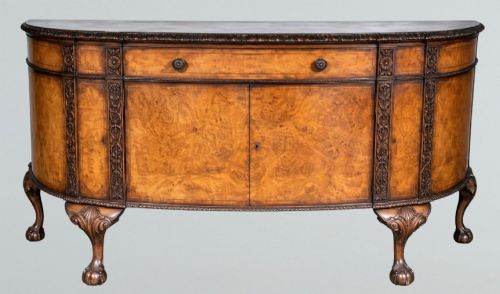
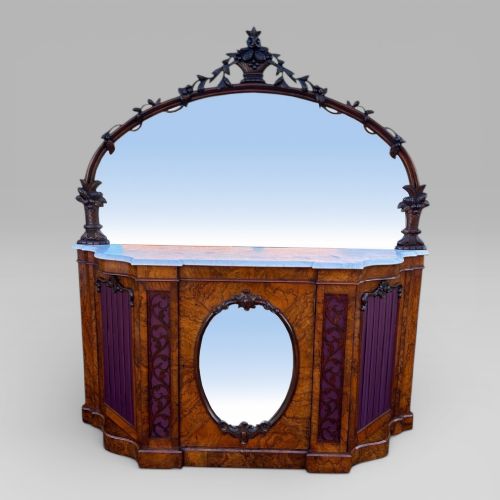
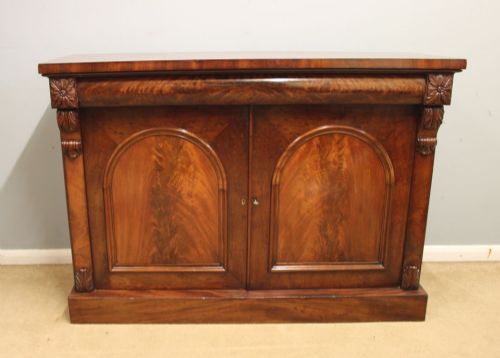
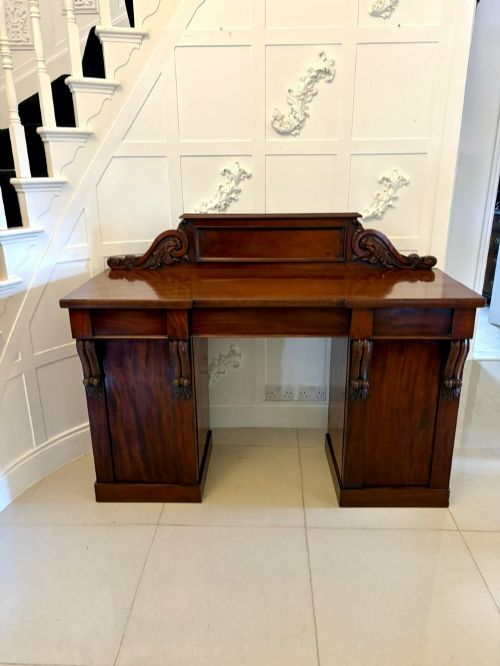
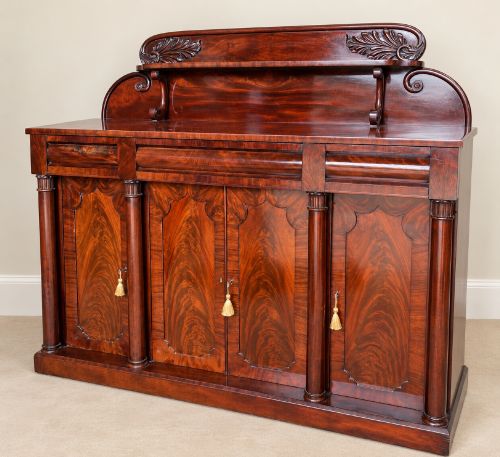
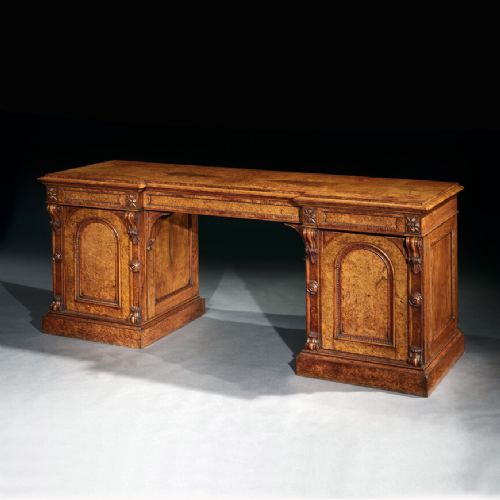
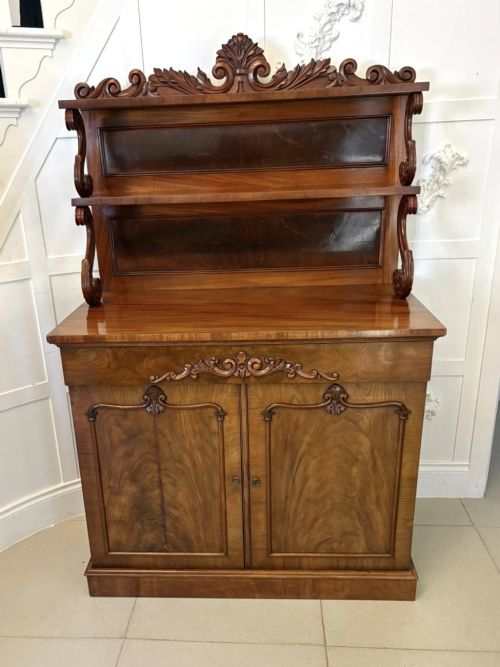
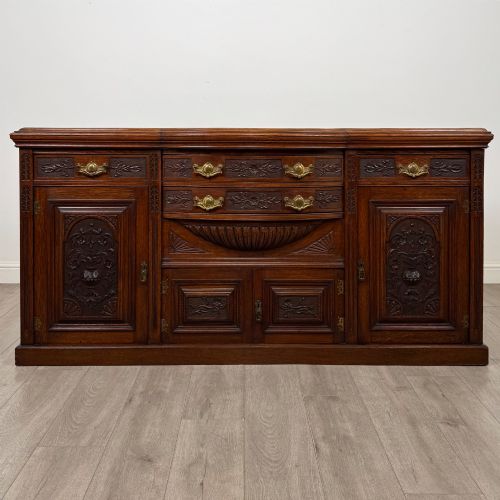
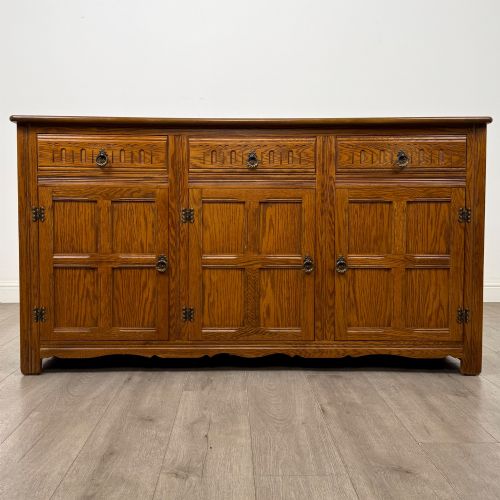
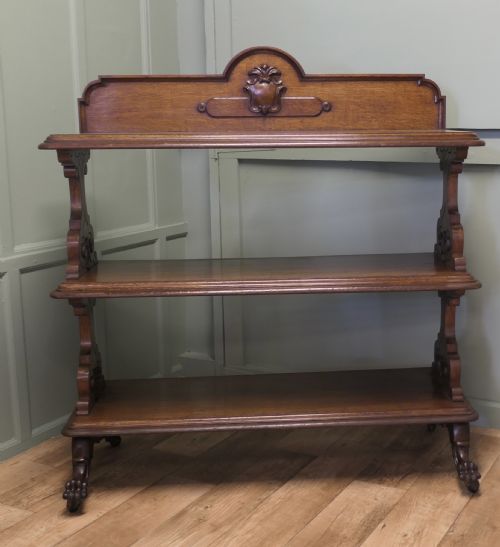
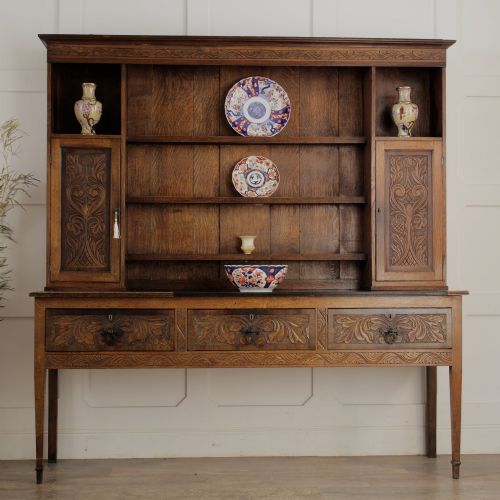
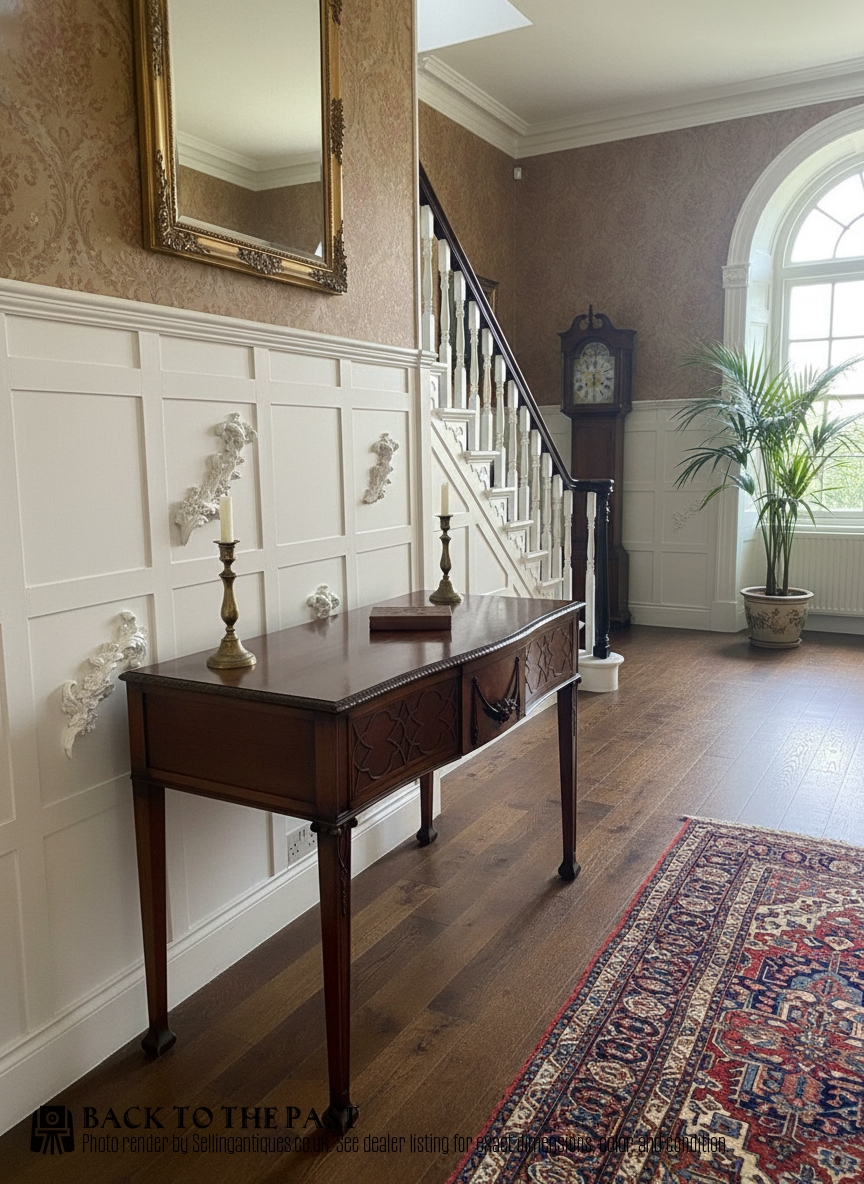
A carved wooden server encompasses forms such as console tables, buffets, and sideboards designed for display and service in domestic interiors. When searching for a carved wooden server, buyers encounter diverse regional interpretations and historic periods ranging from the Regency era through to the early twentieth century.
The pieces available display distinct stylistic lineages, including French Chateau designs, Victorian Chippendale Revival interpretations, Arts and Crafts minimalism, and Anglo-Indian carving traditions. Oak, mahogany, and padouk wood dominate the construction, reflecting the favoured timbers of their respective workshops and periods.
Materials and construction methods
Cabinetmakers utilised dense hardwoods such as figured mahogany, native oak, and exotic padouk wood to ensure structural stability and a rich canvas for detailed hand-carving. Timbers were selected for their natural grain patterns, often enhanced through polishes that brought out the depth of the wood.
Joinery techniques relied on traditional framing and panel construction, paired with deep relief carving executed entirely by hand. Craftsmen shaped mouldings, edges, and structural supports to integrate ornamental motifs directly into the wooden frame.
Retail Price Guide 2026
Typical UK retail prices for carved wooden server, calculated from the Sellingantiques database of over a million retail prices indexed since 2003. This retail price guide relies exclusively on Sellingantiques data; no external sources or auction records are used, so the figures do not describe the wider market.
One Scottish server bears the stylistic fingerprint of James Mein of Kelso, proving that provincial cabinetmakers could match metropolitan flair.
Assessing craftsmanship and design
Quality rests in the crispness and depth of the hand-carved detail, where superior examples exhibit sharp undercut work and harmonious integration with the structural form. The choice of timber also dictates the tier, with highly figured mahogany and dense padouk marking out superior execution.
Proportion and stylistic coherence separate distinguished pieces from simpler utility items. Well-resolved designs demonstrate balanced ornamentation that complements the natural character of the wood rather than overwhelming the structural silhouette.
The Carved Wooden Server Glossary
- Padouk wood
- A dense tropical timber valued for its rich reddish-brown colour and durability, frequently utilised in fine Anglo-Indian cabinetmaking. It takes a fine finish and holds intricate carving exceptionally well.
- Regency
- An architectural and decorative style spanning the early nineteenth century, characterised by classical restraint, elegant proportions, and classical revival motifs. Furniture from this period often incorporates bold mahogany or exotic hardwoods.
- Chippendale Revival
- A late nineteenth-century movement drawing inspiration from the mid-eighteenth-century designs of Thomas Chippendale. Pieces in this style typically feature elaborate rococo or gothic carving executed in dark hardwoods.
- Buffet
- A large piece of dining room furniture designed for serving food and storing tableware. They frequently incorporate cupboards and drawers beneath a generous serving surface.
Frequently Asked Questions
What is a carved wooden server used for?
These pieces function primarily as serving surfaces and storage units within dining rooms, hallways, or living spaces. They provide ample top space for food and display alongside concealed storage for dining accessories.
Historically, they formed an essential part of formal dining arrangements, allowing dishes to be presented away from the main dining table.
How do I date a carved wooden server?
Dating relies on examining the timber species, construction joinery, and stylistic vocabulary present in the carved ornamentation. Regency pieces display classical restraint, while Victorian revival works tend towards heavier, more ornate relief carving.
Comparing the secondary timbers inside drawers and backboards further helps confirm the manufacturing period.
Where were these servers made?
The pieces originate from various workshops across Britain, France, and international regions influenced by British trade networks. Anglo-Indian examples, for instance, showcase distinct regional carving traditions applied to imported padouk wood.
European workshops drew upon local oak and mahogany stocks to produce distinct regional interpretations of prevailing interior styles.
How do I care for antique wood furniture?
Maintenance involves keeping wooden surfaces away from direct heat sources and dramatic fluctuations in relative humidity to prevent timber splitting. Regular dusting with a soft, dry cloth preserves the finish without building up chemical residues.
Application of traditional wax polish helps nourish the grain and protects the historic surface from drying out over time.