

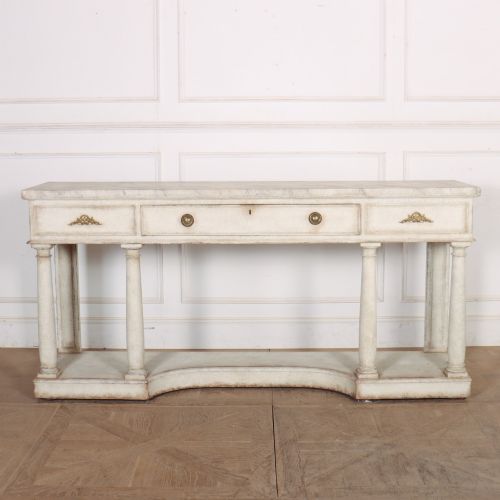

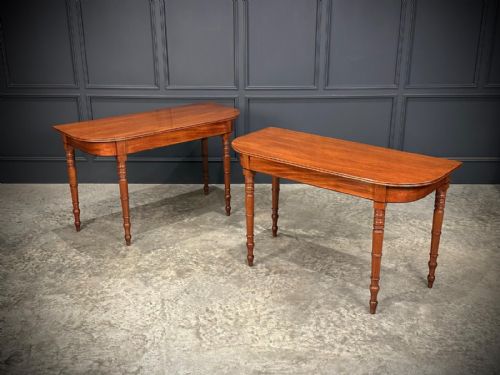
Regency Hallway Table
A regency hallway table brings architectural dignity and clean lines to an entrance, offering a surface for letters or a lamp.
Regency Hallway Table
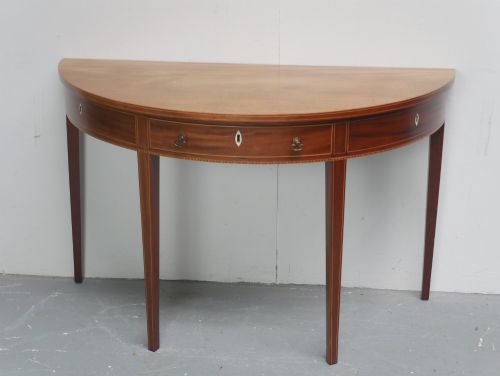
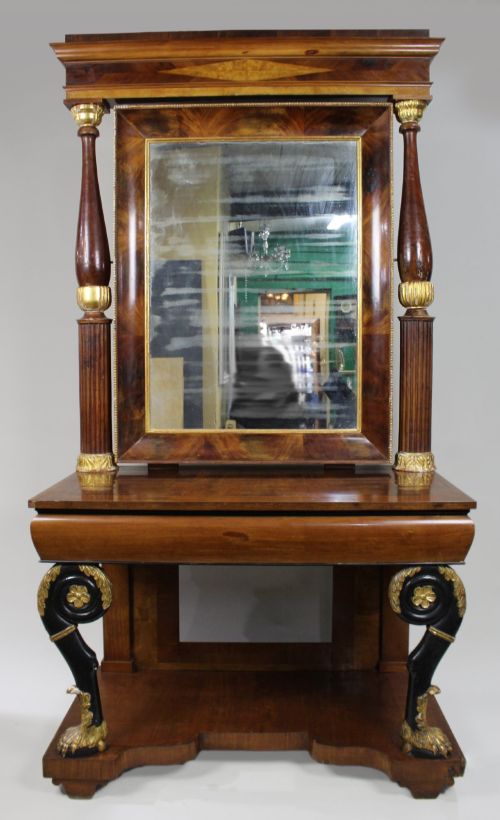
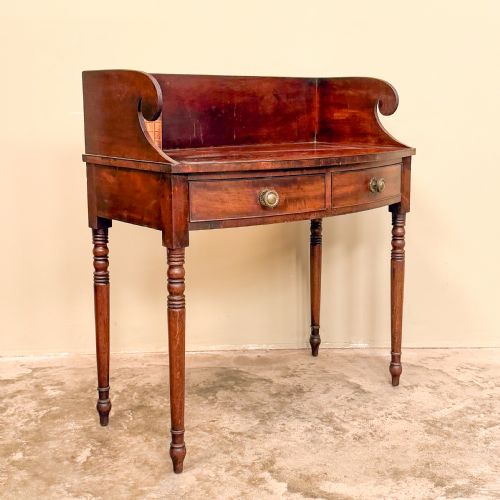
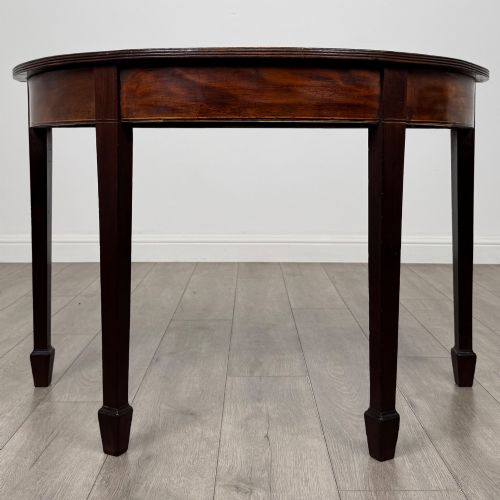
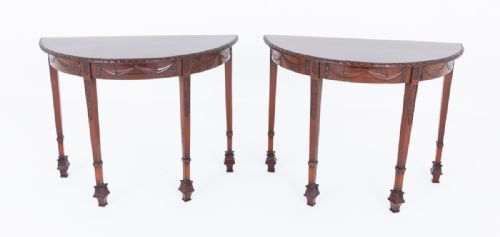
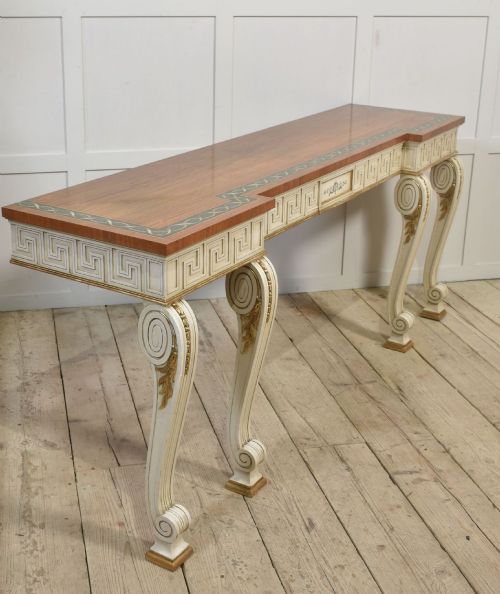
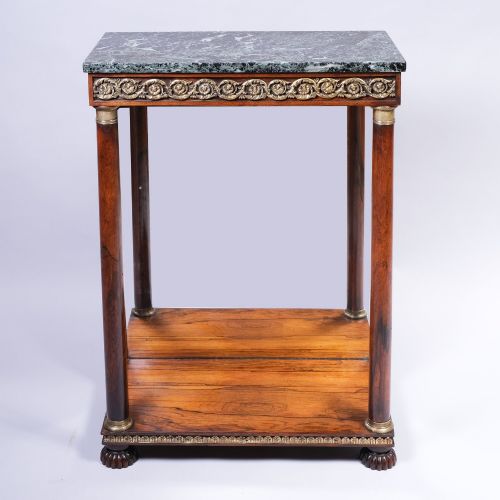
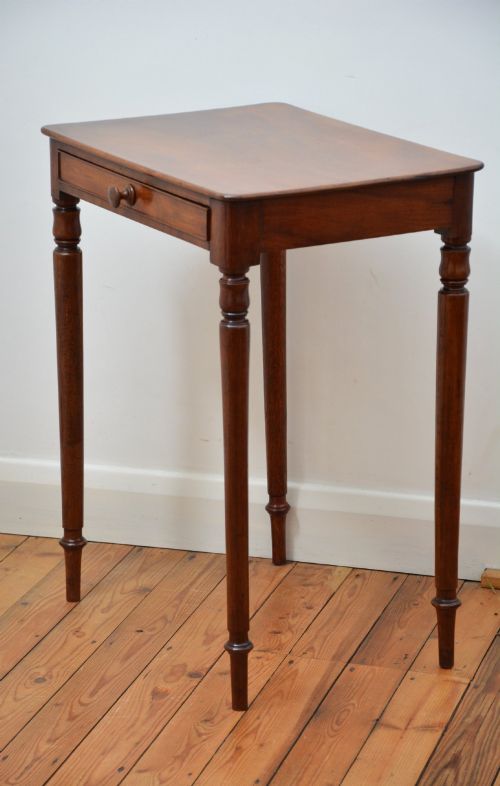
When you search for a regency hallway table, you encounter console tables, side tables, and serving tables designed to stand neatly against a wall. The pieces listed span periods from the nineteenth century and the regency era into later revival decades, reflecting both original manufacture and subsequent interpretations.
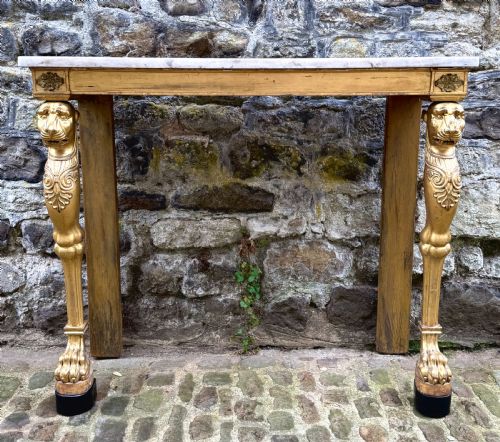
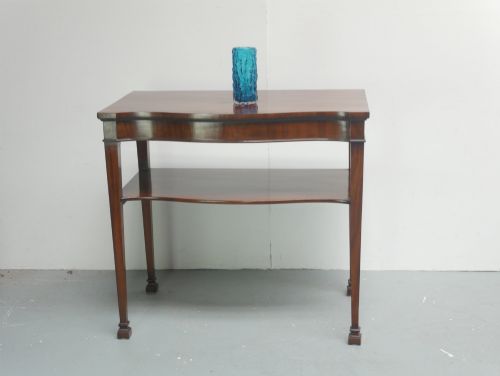
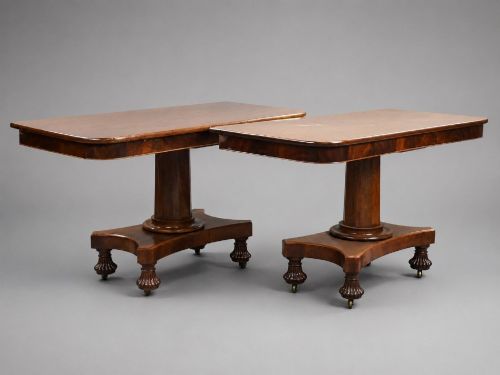
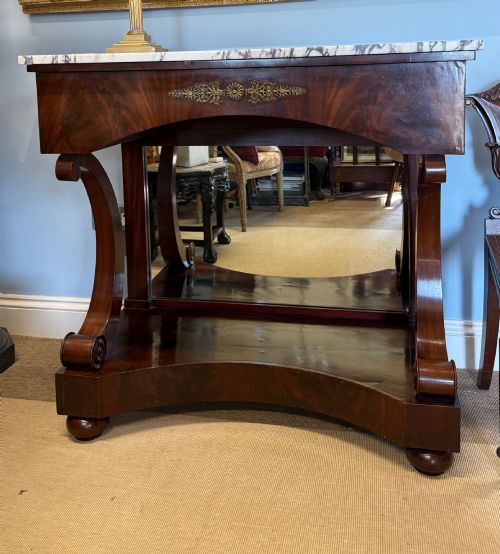
Mahogany remains the dominant wood, frequently seen alongside rosewood, flame mahogany veneer, and painted wood finishes. Forms range from demi-lune shapes and bow-fronted designs to console tables paired with mirrors.
Original pieces from the regency period sit alongside georgian, william iv, and later revival items dating into the twentieth century. These variations give you a choice between strict period authenticity and sturdy later craftsmanship.
What varies in quality
Quality rests in the precision of the cabinetwork and the selection of the timber. Finely figured flame mahogany veneer or rich rosewood displays depth and grain continuity that lesser woods lack.
The sophistication of the secondary detailing, such as crisp brass mounts, carved giltwood, or integrated mirror backs, separates standard utility pieces from more ambitious architectural commissions.
Regency Hallway Table Retail Price Guide 2026
Typical asking prices for regency hallway table among the pieces listed under this phrase on Sellingantiques today, from the lower quarter to the upper quarter. They describe what is for sale here now, not the wider market.
Object types recorded on this page include console tables, serving tables, washstands, sideboards, and sofa tables.
The Regency Hallway Table Glossary
- Demi-lune
- A half-moon shape used for tables designed to fit flat against a wall. This form became particularly popular for side and console tables during the regency period.
- Console table
- A table supported by wall brackets or console legs rather than four independent legs. They often feature mirror backs to reflect light in hallways.
- Sofa table
- A freestanding table with drop leaves designed originally to sit in front of a sofa. They frequently incorporate drawers and trestle supports.
- Parcel gilt
- A decorative technique where specific carved areas or details are partially covered in gold leaf. It highlights architectural motifs against a dark wood or painted ground.
- Flame mahogany veneer
- A thinly sliced wood showing a fiery, undulating grain pattern. Cabinetmakers applied it to prominent surfaces like table tops and drawer fronts for visual impact.
Regency Hallway Table: Frequently Asked Questions
Where should I place a console table?
These tables are ideally suited for narrow entrance halls and corridors where floor space is limited. Their shallow depth allows them to sit flush against a wall without obstructing movement.
Placed beneath a mirror or painting, they create a formal focal point upon entering the home.
How do I care for mahogany surfaces?
Dust the wood regularly with a soft, dry cloth to prevent particle accumulation. Avoid using modern silicone sprays or harsh chemical polishes that can damage historic finishes.
Maintain a stable room temperature away from direct sunlight and radiators to prevent the wood or veneer from drying out and cracking.
What is the difference between a console and a side table?
A console table is traditionally designed to be placed against a wall, sometimes receiving additional structural support from wall fixings or brackets. Side tables are freestanding items with four independent legs intended for general placement.
In modern usage, the terms frequently overlap depending on the proportions and leg configuration of the individual piece.
Can I use a sofa table in a hallway?
A sofa table works well in a wider hallway if you wish to have a freestanding piece with access from multiple sides. The drop leaves can be lowered to reduce the footprint or raised when extra surface area is required.
Their characteristic drawers also provide convenient concealed storage for small everyday items.
How do I distinguish original regency from later revival pieces?
Original pieces display period construction methods, timber ageing, and hand-cut joinery consistent with the early nineteenth century. Revival pieces, such as those from later decades, often reveal standardised machine milling and different secondary woods.
Examining the underside, drawer linings, and backboards usually clarifies the manufacturing period.