
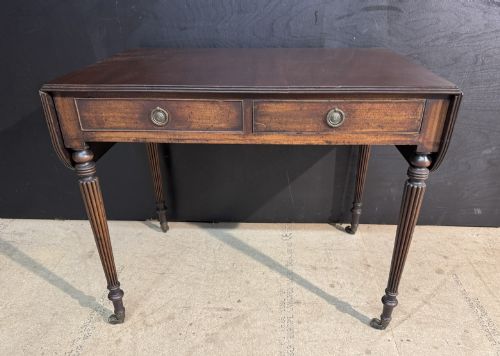
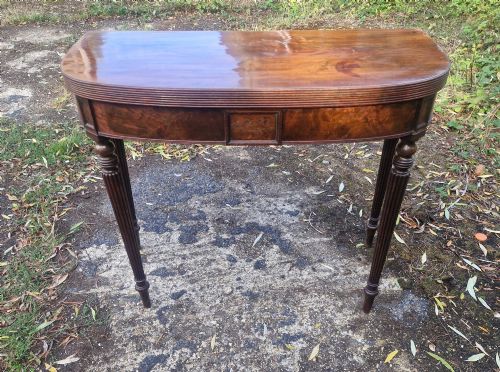
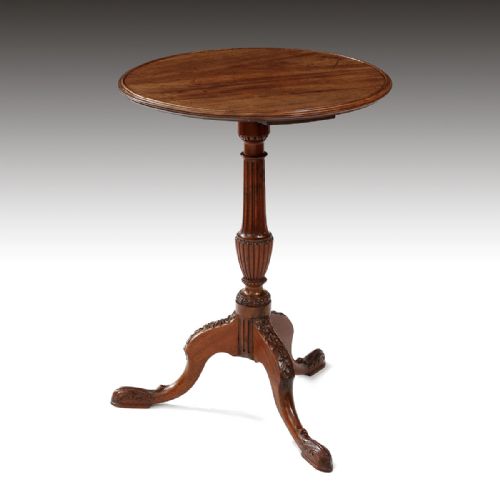
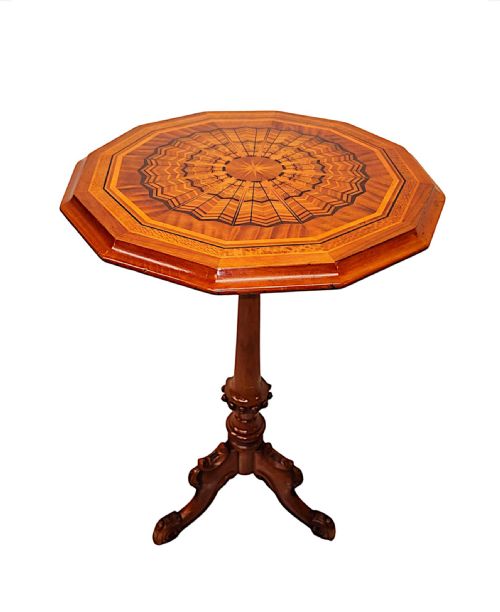



Gillows Side Table
A gillows side table brings functional elegance and precise cabinetmaking to a room, offering sturdy utility paired with refined Regency proportions.
Understanding the Gillows Side Table
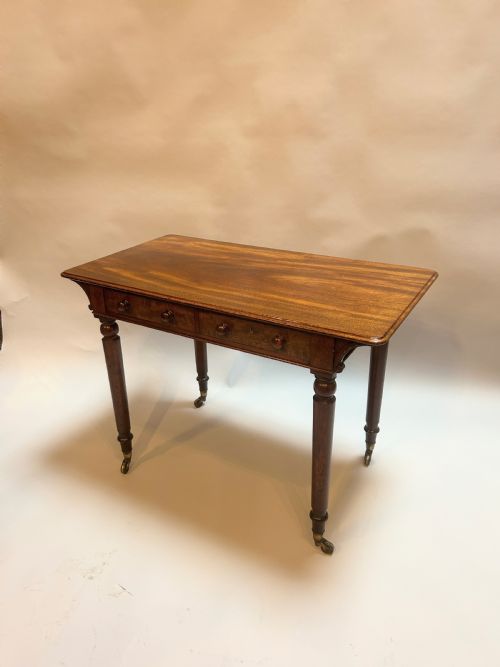
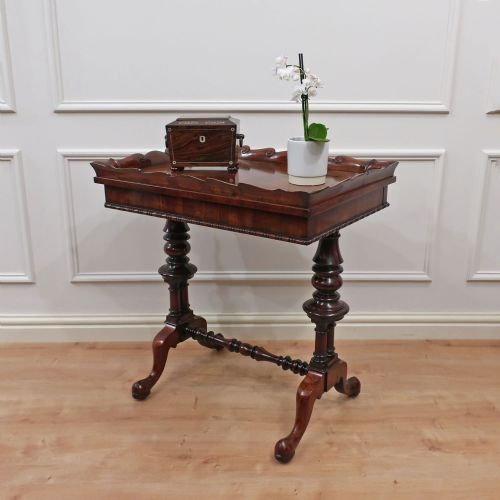
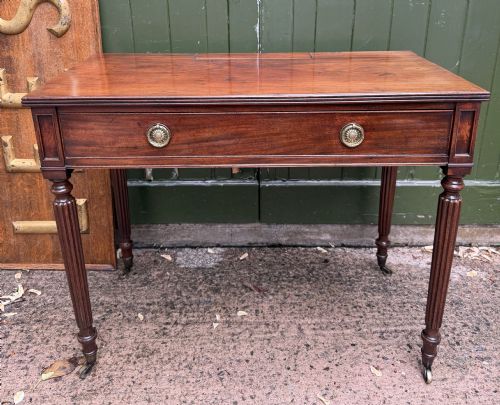
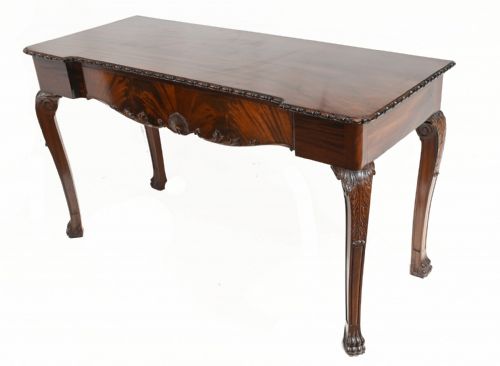
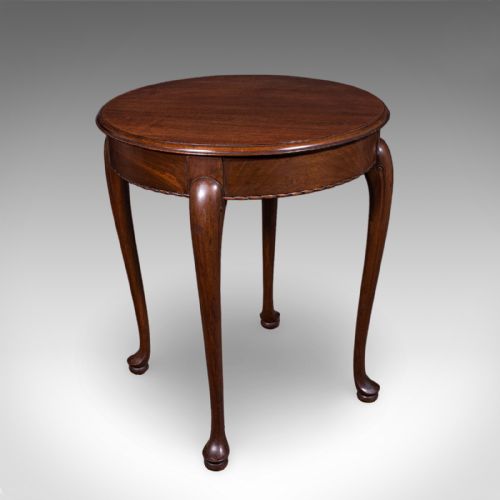
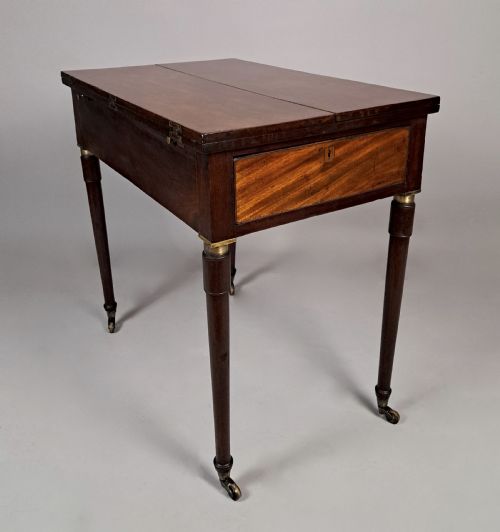
A gillows side table stands as a testament to the celebrated English firm's long-standing output, spanning the Georgian, Regency, and Victorian eras. When exploring this selection, a buyer encounters pieces ranging from compact occasional tables to substantial serving tables, with Regency mahogany examples appearing most frequently.
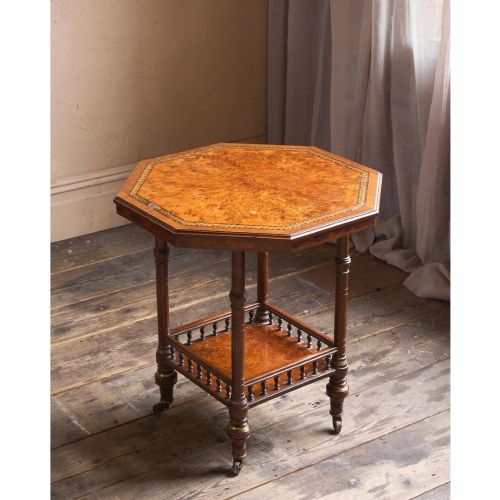
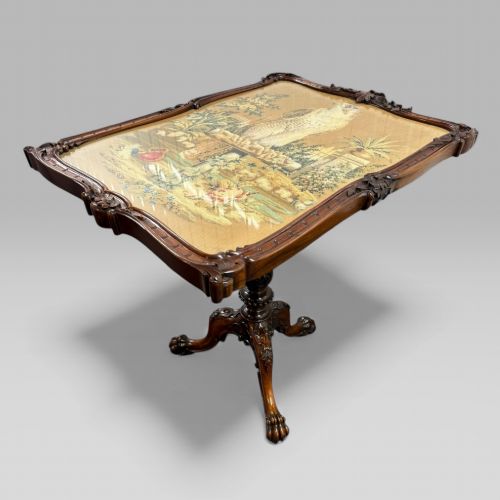
The materials utilised across these pieces include mahogany, flame mahogany, oak, and rosewood, often complemented by marquetry, brass, or ormolu mounts. Alongside standard side tables, forms encompass work tables, lamp tables, and console tables, with certain items showing revival styles such as William and Mary, French, and Elizabethan.
Attributions and signatures connect many of these tables directly to the Lancaster and London workshops, while others reflect the distinctive craftsmanship in the manner of the firm. Whether constructed as a simple oak piece from the early twentieth century or a stamped mahogany example from the golden age of Regency design, each item serves as a practical surface rooted in traditional domestic use.
Materials and Construction
Makers utilised solid timbers alongside finely figured veneers, shaping mahogany, flame mahogany, burr walnut, rosewood, and oak into durable frames. Brass hardware, ormolu mounts, and inlaid marquetry added decorative contrast to the timber surfaces.
Construction methods relied on time-tested joinery to ensure stability, supporting heavy marble tops on specific revival console tables and delicate satinwood on writing variants. Turning, carving, and precise edge moulding defined the structural silhouette of every piece.
Retail Price Guide 2026
Typical UK retail prices for gillows side table, calculated from the Sellingantiques database of over a million retail prices indexed since 2003. This retail price guide relies exclusively on Sellingantiques data; no external sources or auction records are used, so the figures do not describe the wider market.
Listings feature mahogany, oak, rosewood, and satinwood, spanning the Regency, Victorian, and early twentieth-century periods.
Assessing Quality and Execution
The distinction between standard workshop output and top-tier production rests on the selection of timber and the precision of the carving. Finely figured flame mahogany or intricate marquetry elevates a piece, whereas plainer woods and simpler turnings indicate a more utilitarian grade.
Original stamped maker marks or securely documented attribution elevate historical value, distinguishing fully authenticated pieces from those produced merely in the manner of the workshop. The integration of high-grade mounts, such as cast ormolu and quality brasswork, also separates the finest examples from standard domestic furniture.
Gillows·Waring and Gillows
The Gillows Side Table Glossary
- Ormolu
- Gilded bronze used for decorative mounts and accents on furniture. This technique was frequently applied during the Regency period to enhance surface appeal.
- Marquetry
- Inlaid wood patterns arranged to form decorative motifs on tabletops. Craftsmen utilised contrasting timbers to achieve intricate visual designs.
- Flame mahogany
- A distinct wood grain pattern showing a flamelike figure, prized for its dramatic appearance. It appeared regularly on high-status Regency furniture surfaces.
- Console table
- A table designed to stand against a wall, sometimes featuring a heavy marble top. These forms often relied on architectural brackets or legs for support.
- Pembroke table
- A drop-leaf table with hinged flaps on either side, useful for versatile placement. Examples from the firm often served multiple domestic functions as sewing or lamp surfaces.
Frequently Asked Questions
How do I identify an authentic gillows side table?
Authentic pieces often feature stamped signatures, such as the firm's name marked directly into the wood of a drawer tier or frame. Documentation, architectural proportions, and distinct cabinetmaking methods also assist in confirming attribution.
Many surviving examples lack stamps but exhibit the precise timber selection, brasswork, and structural traits characteristic of the Lancaster workshop.
What periods do these tables cover?
The recorded pieces span from the late eighteenth century through the Regency era and into the Victorian period, with later revival examples extending into the twentieth century. Regency designs remain the most prominent style within this category.
Later Victorian and Edwardian items often incorporate revival aesthetics, including Elizabethan and French influences, while retaining traditional construction.
Where were these tables used originally?
These tables served various practical roles in historic interiors, functioning as side surfaces in parlours, serving tables in dining rooms, or writing desks in libraries. Smaller variants operated as lamp or work tables adjacent to seating.
Their adaptable sizes allowed them to fit easily into hallways, bedrooms, and reception rooms without dominating the floor space.
How should I care for a mahogany side table?
Protect the timber surface by avoiding direct sunlight and maintaining stable room humidity to prevent veneer lifting or wood splitting. Regular dusting with a soft, dry cloth preserves the natural finish without requiring heavy polishing.
Keep marble and brass elements clean using appropriate non-abrasive materials to maintain the integrity of the original mounts.