



William and Mary Side Table
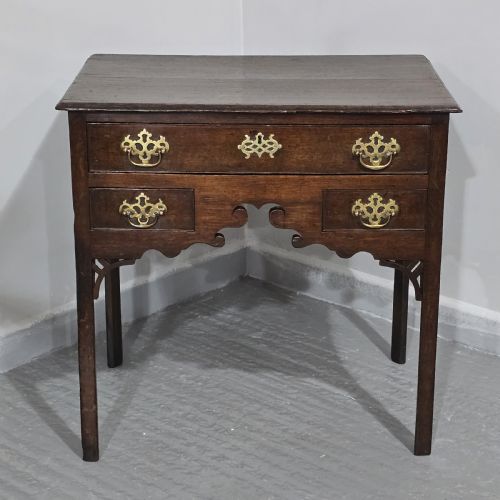
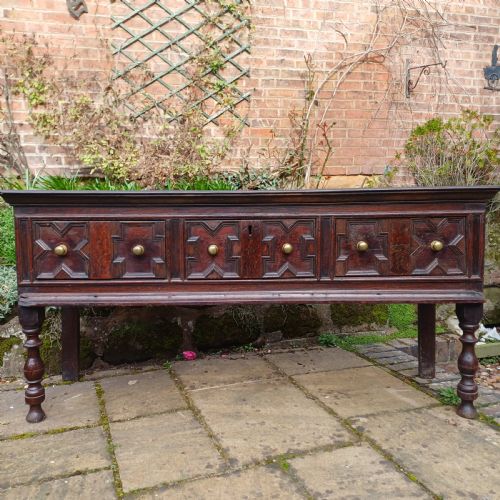
A william and mary side table brings rich seventeenth-century walnut and oak timber, bold stretchers, and striking grain into a modern interior.
Identifying a william and mary side table
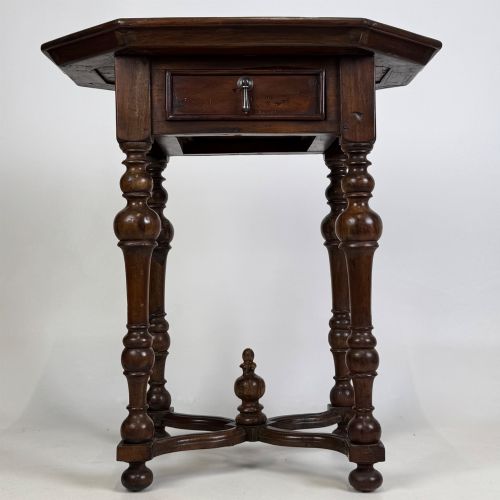
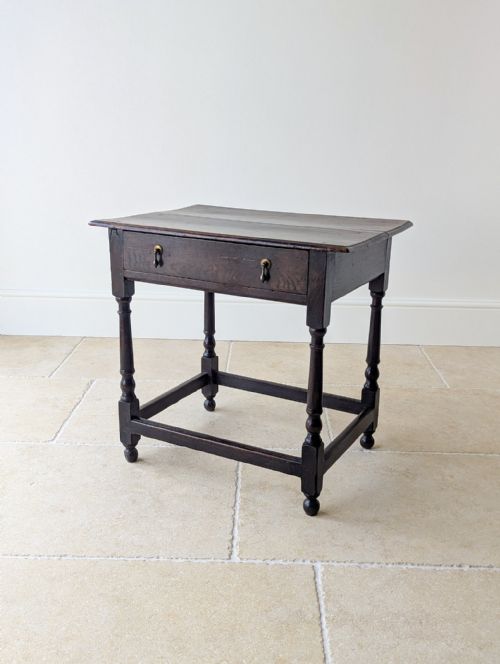
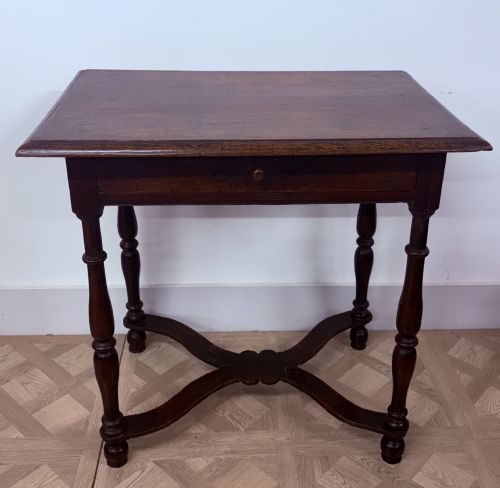
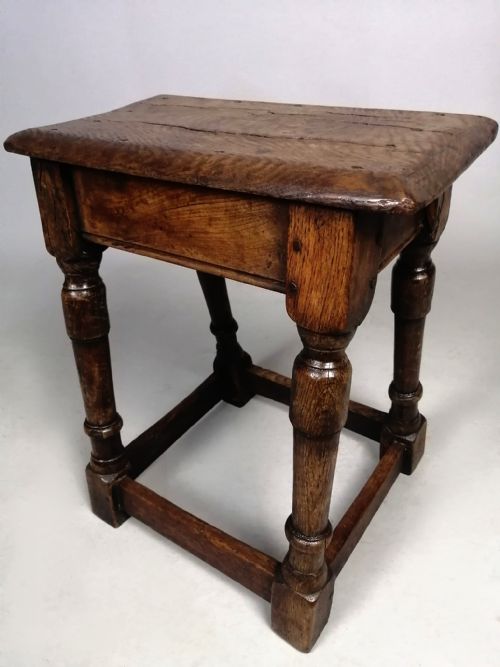
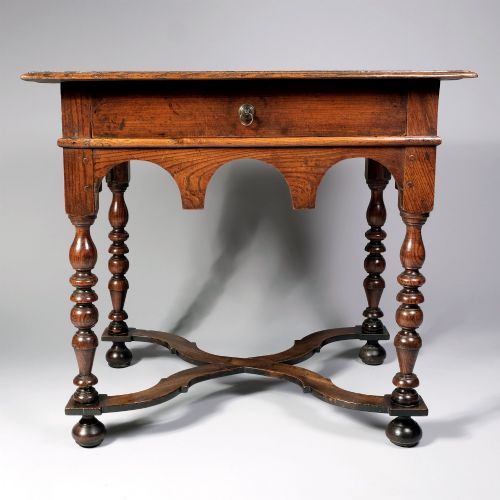
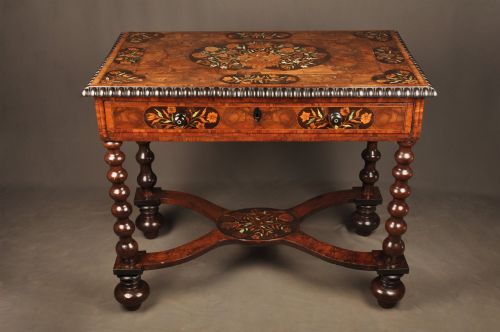
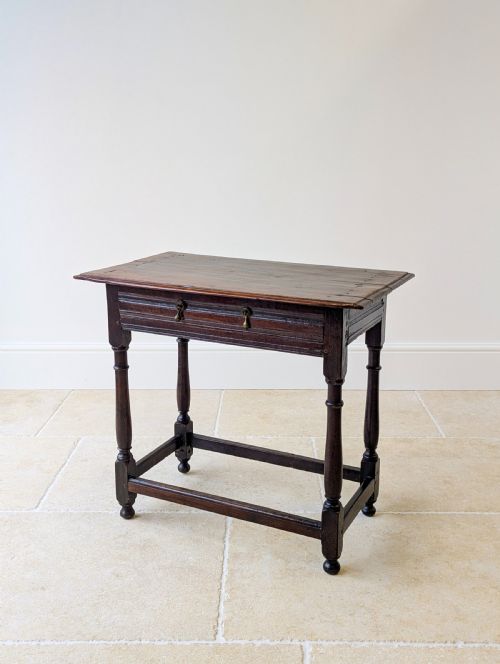
A william and mary side table is a sought-after form encompassing authentic seventeenth-century survivals alongside later revival pieces from the early twentieth century. Buyers seeking this phrase encounter side tables and candle stands designed with the characteristic proportions and silhouettes of the late seventeenth century. The pieces appearing in these listings span original seventeenth-century examples dated around sixteen ninety, alongside revival interpretations made in nineteen hundred and nineteen ten.
The dominant material choices across these examples are oak and walnut, occasionally enriched with burr figuring or oyster veneers. Forms primarily include side tables with stretcher bases, alongside occasional tripod candle stands intended for domestic lighting. While seventeenth-century pieces represent the earliest origins, Carolean Revival and later interpretations capture the same decorative ambition using period-appropriate timbers.
Assessing quality and character
Quality in a william and mary side table rests upon the choice of timber and the sophistication of its surface treatment. Pieces displaying rich burr walnut or carefully arranged oyster veneers represent a higher tier of craftsmanship than plain boarded surfaces.
The integrity of the structural elements, including stretcher arrangements and turned supports, defines the aesthetic success of the piece. Authentic seventeenth-century examples carry the deep patination of age, while twentieth-century revivals depend on the fidelity of their historical styling.
Retail Price Guide 2026
Typical UK retail prices for william and mary side table, calculated from the Sellingantiques database of over a million retail prices indexed since 2003. This retail price guide relies exclusively on Sellingantiques data; no external sources or auction records are used, so the figures do not describe the wider market.
Listings feature pieces spanning the seventeenth century alongside early twentieth-century revivals from nineteen hundred and nineteen ten, constructed in oak, walnut, and brass.
Gillows
The William and Mary Side Table Glossary
- Oyster veneer
- The practice of cutting small branches obliquely to produce circular or oval cross-sections of wood grain, arranged in decorative patterns across tabletops. This technique creates a distinctive mottled surface often seen on walnut furniture.
- Wavy stretcher
- A curved wooden rail connecting the lower legs of a table to provide stability and ornamental interest. These components define the silhouette of many late seventeenth-century designs.
- Carolean Revival
- A nineteenth and twentieth-century design movement that reinterprets the exuberant styles of the mid-to-late seventeenth century. Furniture from this period adopts earlier turning, carving, and stretcher forms.
- Tripod candle stand
- A small, elevated support featuring three legs, designed to hold lighting devices. These compact stands share the stylistic vocabulary of larger side tables.
Frequently Asked Questions
What is a william and mary side table?
A william and mary side table is a domestic furnishing type originating in the late seventeenth century, characterised by turned supports and stretcher bases. These pieces reflect the decorative tastes prevalent during the reign of William and Mary.
Surviving examples include both seventeenth-century originals and later revival pieces produced around nineteen hundred. They serve as compact display surfaces utilising oak and walnut timbers.
Where were these tables used?
These tables functioned primarily in reception rooms and parlours of seventeenth-century homes as decorative display surfaces. Candle stands specifically supported domestic lighting.
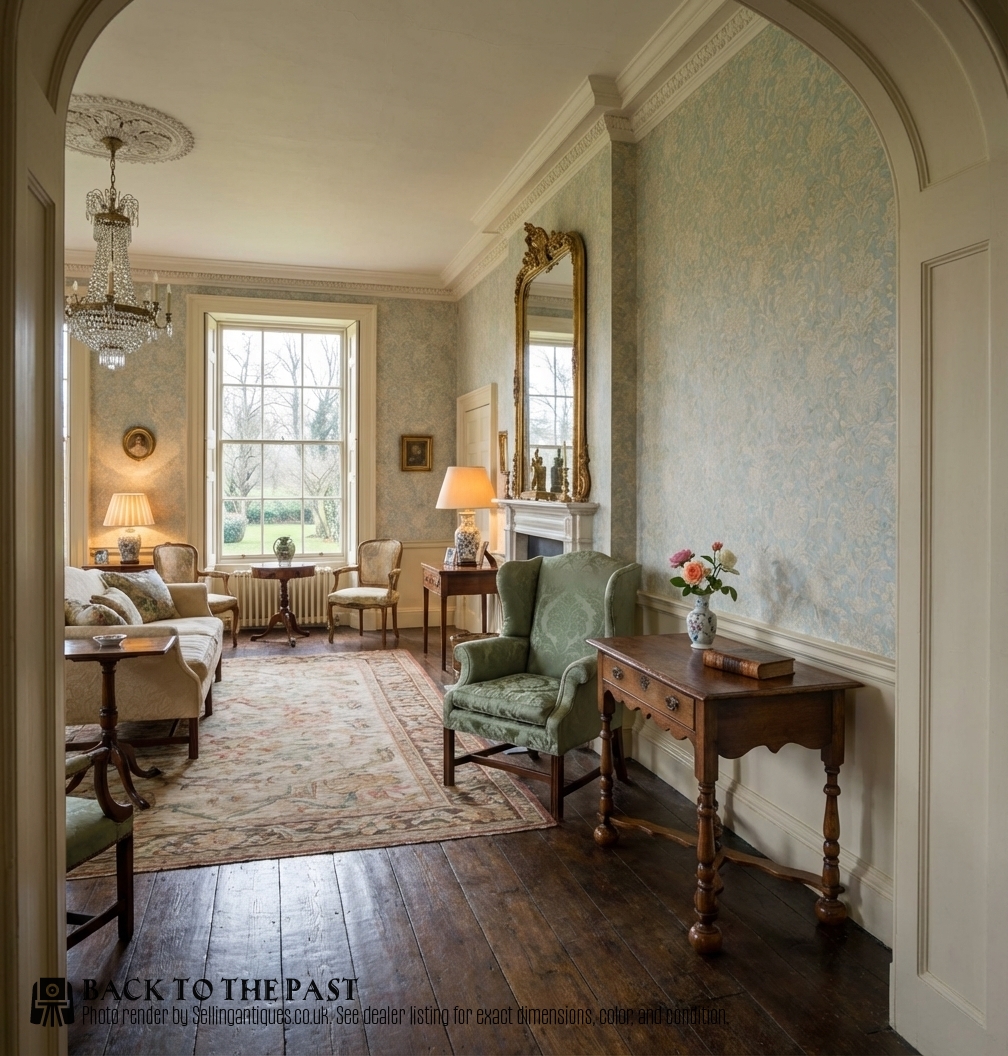
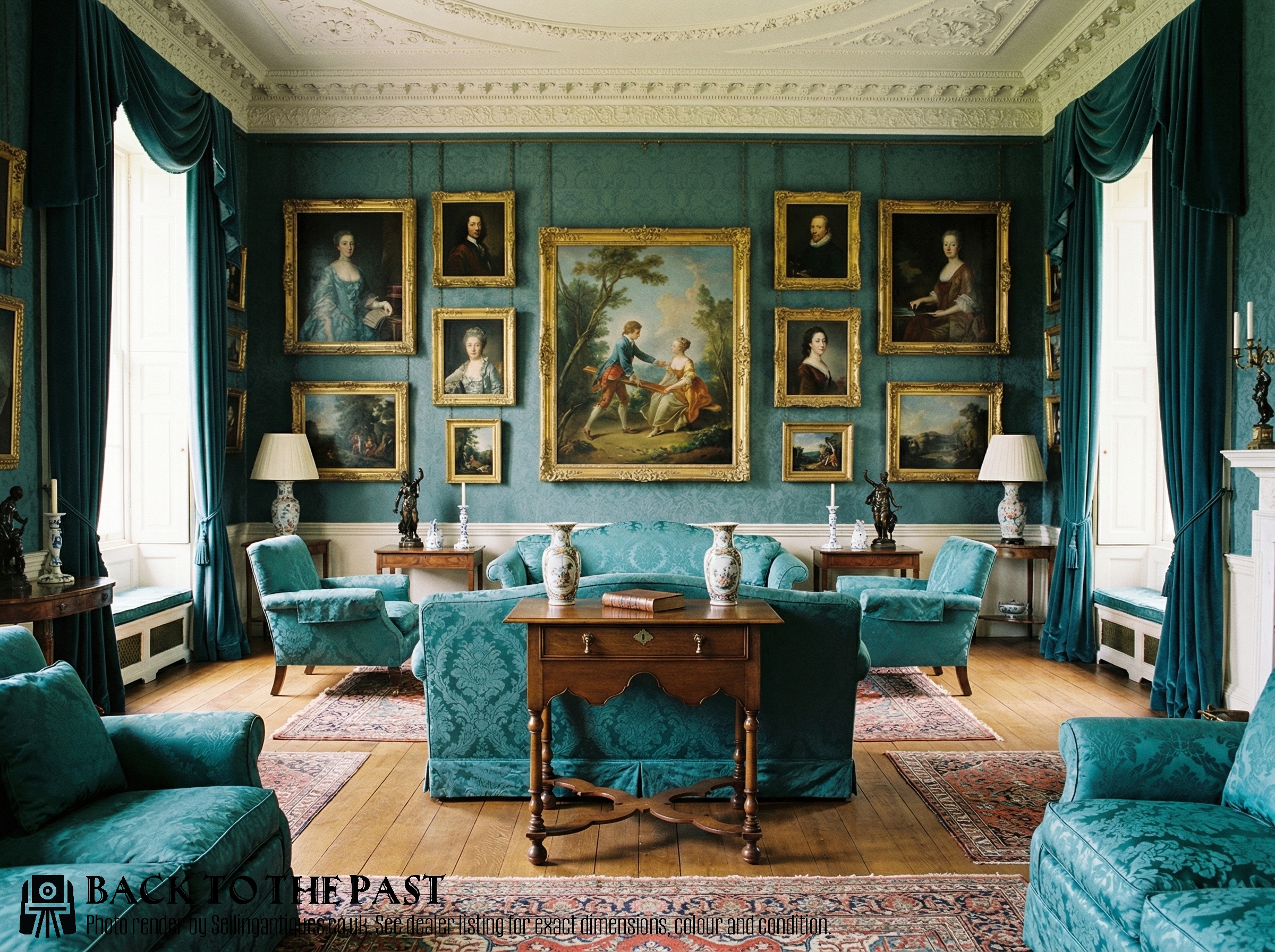
In modern spaces, they fit easily into hallways and living areas as accent tables that showcase historic timber grain.
What is the difference between oak and walnut versions?
Oak versions typically offer a robust, heavily grained surface associated with early country and vernacular furniture making. They emphasise structural strength and straightforward joinery.
Walnut variants often incorporate finer decorative techniques, such as oyster veneering or burr patterns, reflecting more formal court tastes of the late seventeenth century.