
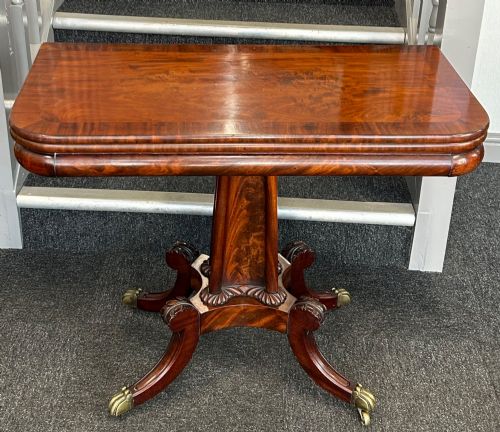


Brass Castor Console Table
A brass castor console table brings warmth and mobility to a room, uniting rich timber with practical metal fittings.
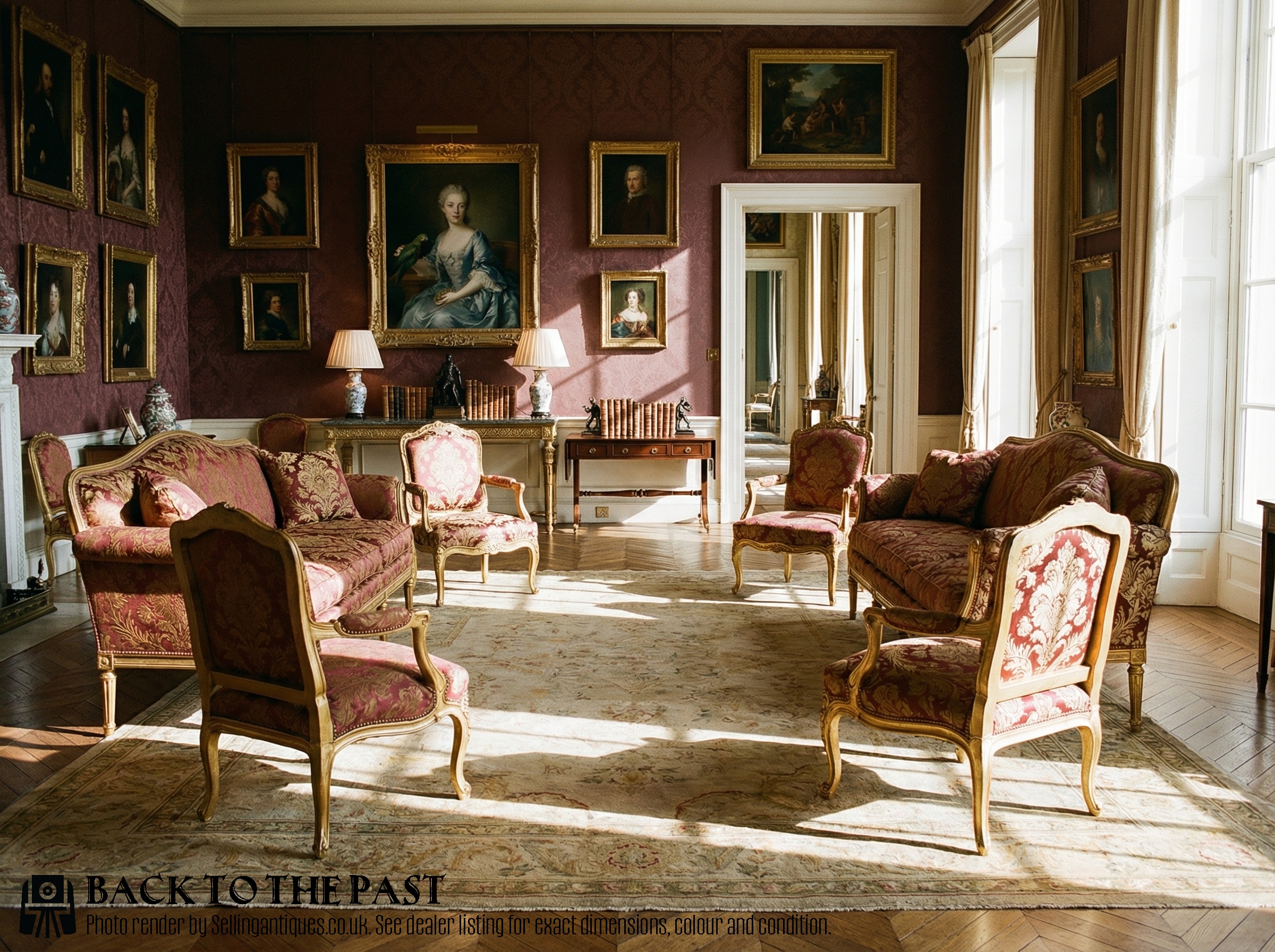
Brass Castor Console Table
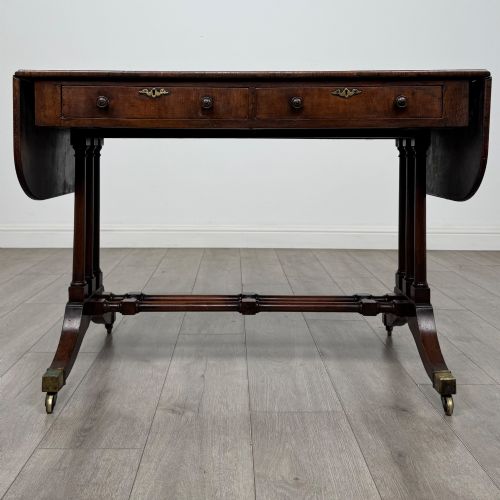
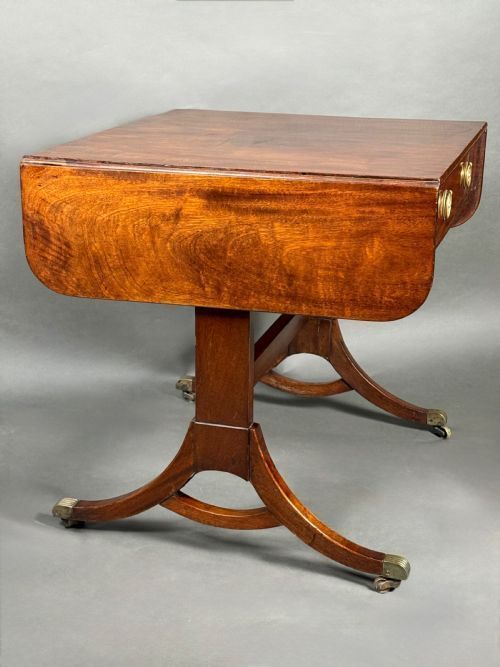
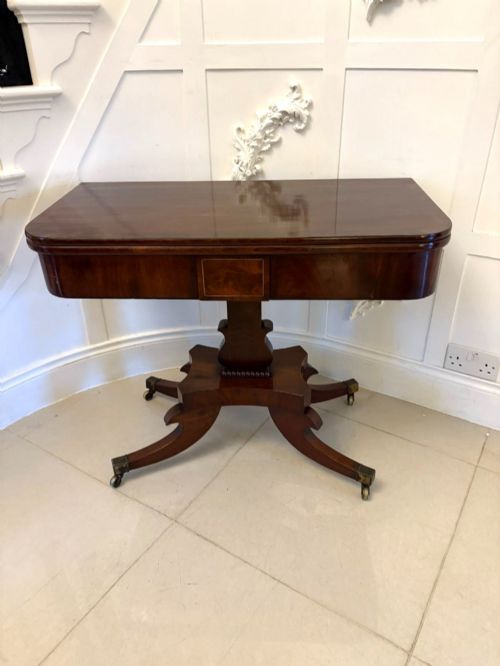
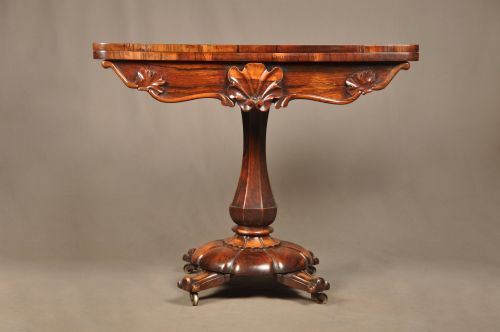
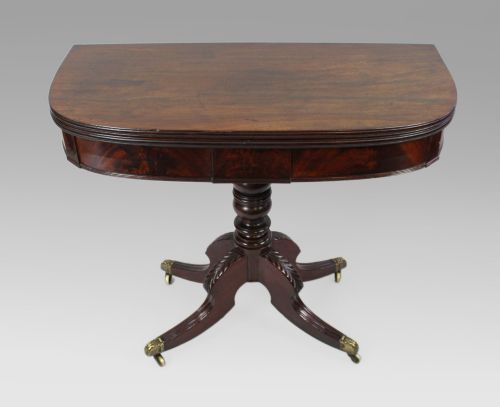
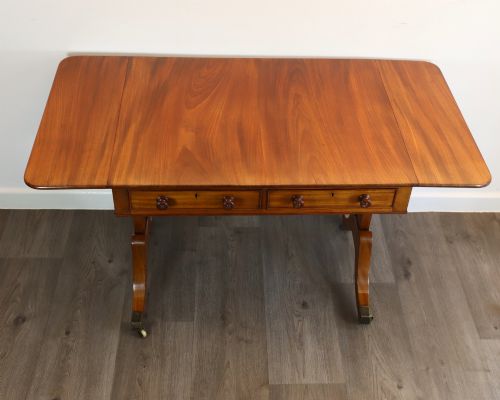
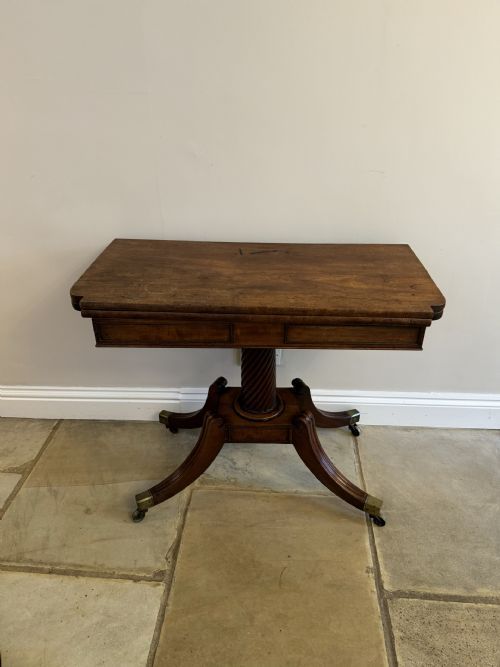
A brass castor console table unites forms designed for versatile placement, such as sofa tables, tea tables, card tables, and side tables, mounted on small wheel mountings. These pieces emerge predominantly from the Regency, Georgian, and Victorian periods, carrying the proportions and utility characteristic of those eras.
The materials paired with these brass mounts include mahogany, flame mahogany, rosewood, satinwood, ebony, boxwood, and yew wood. Tables frequently feature folding tops, drop leaves, or drawers, allowing them to function variously as games tables, writing desks, and freestanding centre tables.
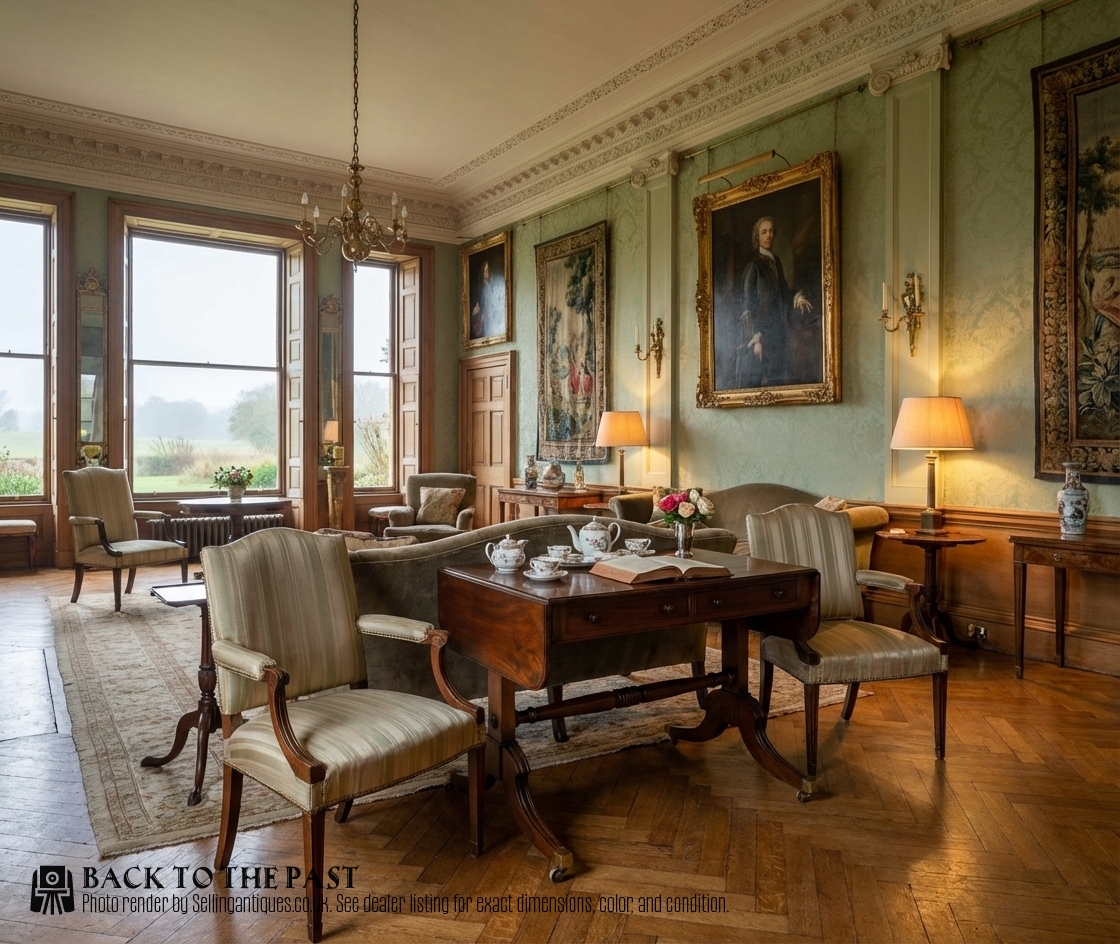
Makers and designers of the time referenced styles such as Regency, Grand Regency, William IV, George III, George IV, and Sheraton Revival. While some listings explicitly designate console or side tables, many pieces classified as sofa or tea tables operate effectively as console tables in modern interiors.
How they were made
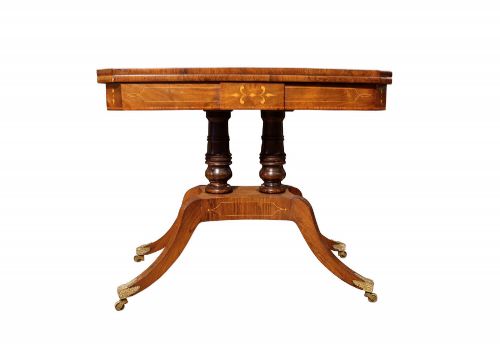
Cabinetmakers constructed these tables using dense timbers like mahogany and rosewood, often enhanced with figured veneers or contrasting stringing in satinwood, ebony, and boxwood. The carcases rely on traditional joinery techniques suited to folding leaves and pivoting tops.
Brass fittings, including castors and sabots, were cast and turned to fit the foot of each leg, providing smooth movement across floor surfaces. Inlaid brass lines and brass stringing were meticulously routed into the timber surfaces to frame panels and borders.
Listings feature woods including flame mahogany, rosewood, satinwood, ebony, boxwood, and yew wood across Regency and Georgian periods.
What varies in quality
Quality rests in the choice of timber figure, such as highly flamed mahogany or richly grained rosewood, matched across expansive top surfaces and drop leaves. Subtlety and precision in the brass inlay and the casting of the wheel mounts distinguish finer examples from standard production.
Structural integrity reveals itself in the smooth operation of folding mechanisms, drawers, and pivoting table tops. Superior construction ensures that the weight of heavy timbers remains stable and balanced upon the brass castors.
W Williamson & Sons of Guildford
The Brass Castor Console Table Glossary
- Castor
- A small wheel mounted on a swivel at the foot of a table leg to permit easy rolling. These fittings are frequently rendered in brass.
- Sofa table
- A rectangular table designed to stand in front of a sofa, typically featuring drop leaves on either side and a pair of small drawers. They often incorporate brass castors for repositioning.
- Card table
- A folding table with a hinged top that opens to reveal a baize-lined playing surface. These pieces frequently date from the Regency and Georgian periods.
- Sabot
- A metal sleeve or shoe fitted over the foot of a furniture leg for protection and decoration. They appear in brass alongside matching castors.
Brass Castor Console Table: Frequently Asked Questions
What is a brass castor console table used for?
These tables serve as versatile surface furniture in hallways, living rooms, and dining spaces. Their mobile castors allow them to be shifted easily when reconfiguring a room.
Many variants include folding tops or drop leaves, enabling them to expand from narrow side tables into larger surfaces for games, writing, or serving.
How do I date a table with brass castors?
Dating relies on the prevailing timber choices, construction methods, and stylistic details of the piece. Regency and Georgian examples often display crisper proportions, brass inlay, and native or exotic hardwoods like rosewood and figured mahogany.
Later Victorian and revival pieces adopt heavier proportions and different secondary woods. The style of the brass castor itself also offers clues to the manufacturing period.
Are sofa tables suitable as console tables?
Sofa tables function very effectively as console tables against a wall or behind furniture. Their original design as companion pieces to sofas means they share similar depth and height dimensions with traditional console tables.
Their drop leaves allow them to sit flush against a wall when closed or open up when extra surface area is required.
How do I care for antique wood and brass?
Maintain timber surfaces with appropriate wax polishes applied sparingly to preserve the grain and patina. Avoid placing tables in direct sunlight or near heat sources to prevent timber splitting.
Clean brass castors gently with a soft cloth, avoiding harsh chemical cleaners that might strip the historic metal surface or damage adjacent wood.