

Qing Dynasty Vase
When you explore a qing dynasty vase, you encounter centuries of ceramic mastery, bronze casting and enamel work created for imperial courts and international trade.
Qing Dynasty Vase
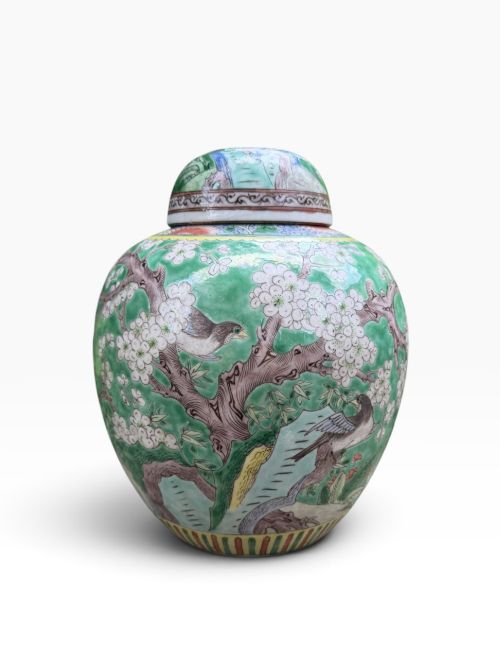
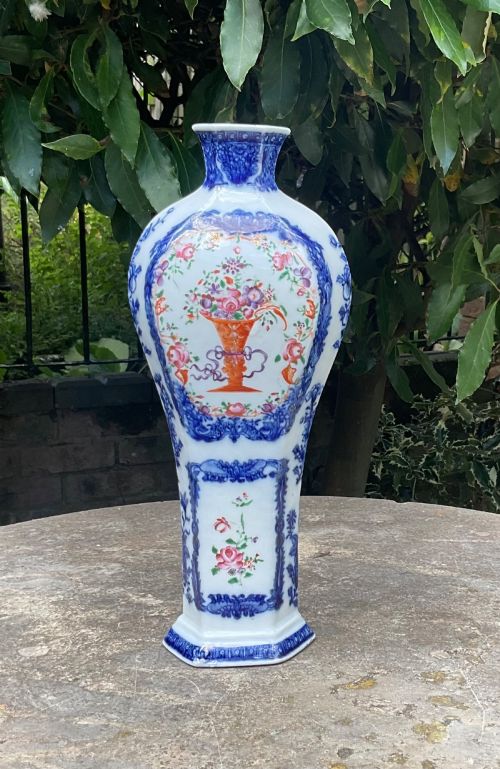
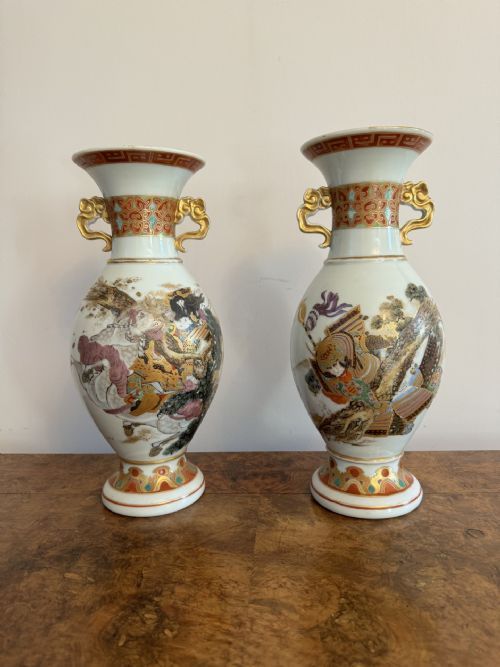
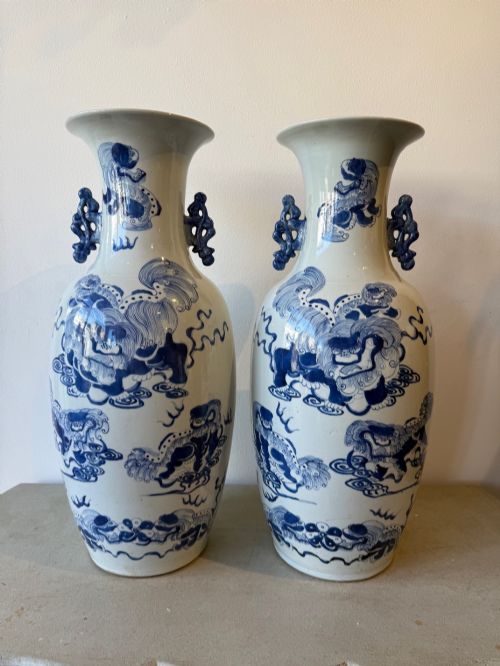
A qing dynasty vase encompasses a diverse range of forms, from monumental floor vessels and double-gourd silhouettes to ginger jars and slender rouleau shapes. Most examples encountered date from the nineteenth century, though earlier works from the seventeenth and eighteenth centuries appear alongside transitional pieces stretching into the early twentieth century.
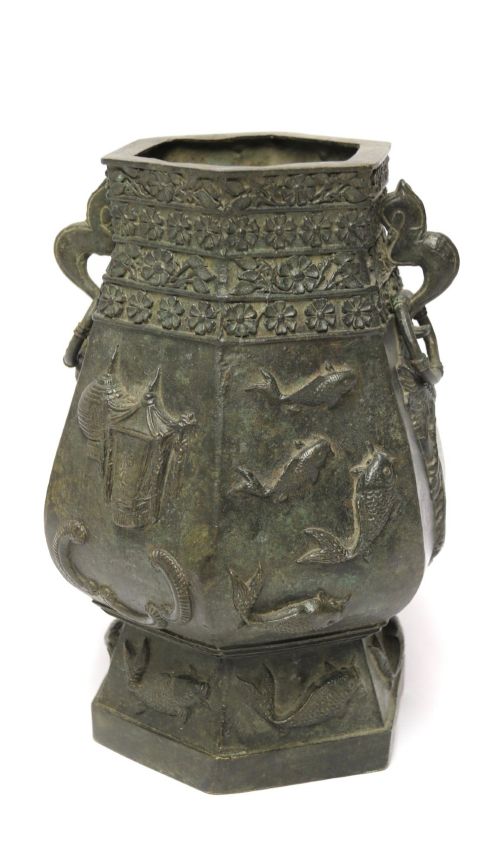
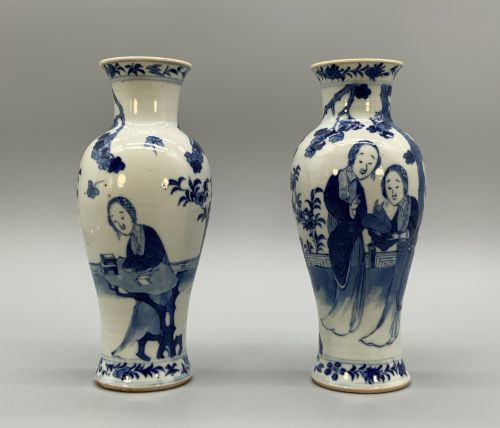
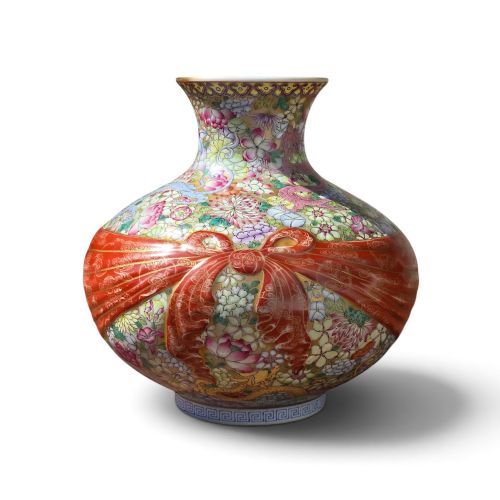
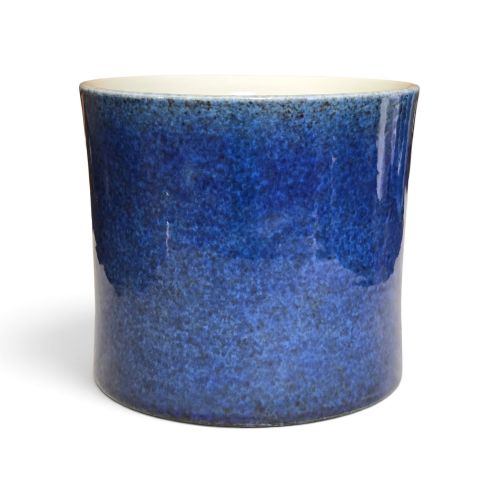
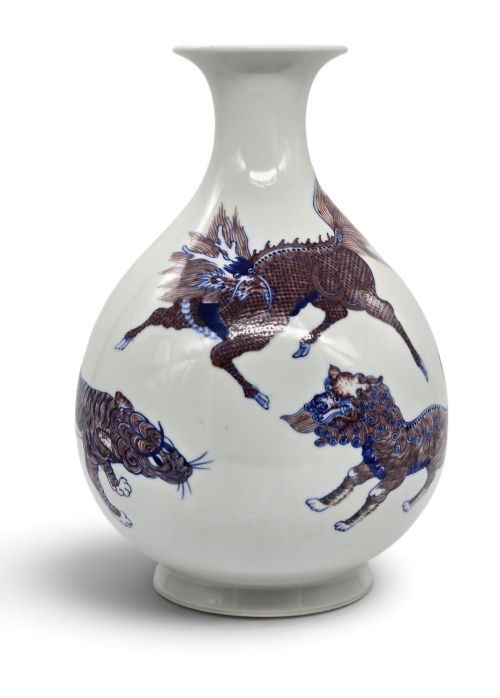
Makers utilised various materials, with porcelain dominating the selection alongside bronze, cloisonne, enamel, pottery and carved hardwood stands. Styles span traditional blue and white cobalt decoration, monochrome glazes like celadon and sang de boeuf, and polychrome palettes such as famille rose and famille noire.
How they were made
Potters shaped high-fired ceramic bodies on the wheel or pressed them into moulds before applying mineral pigments and coloured glazes. Cobalt underglaze painting, copper-red accents and enamel overlays required precise kiln temperatures to achieve vivid hues and controlled crackle effects.
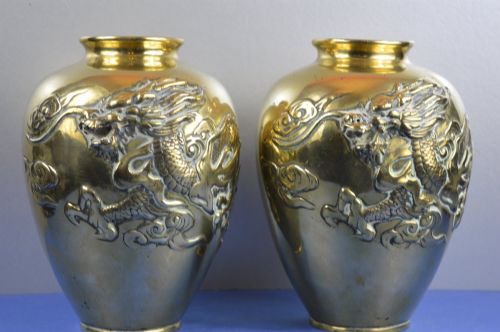
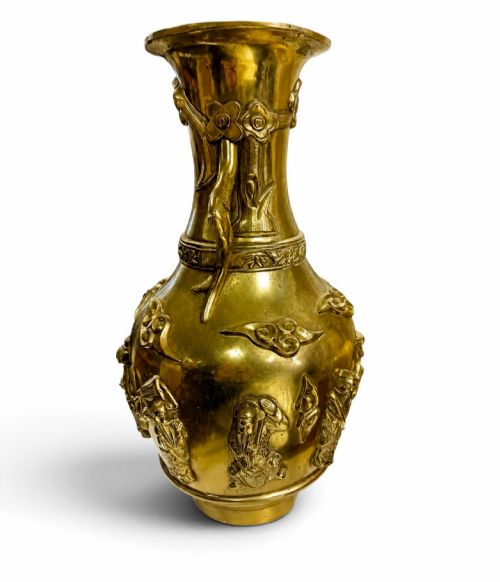
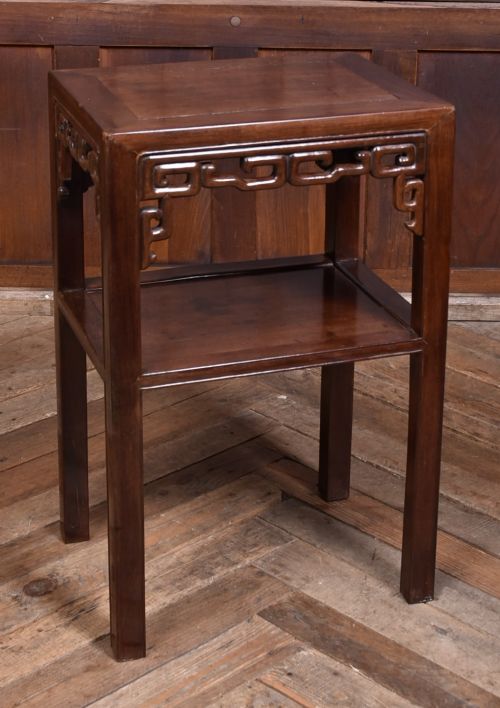
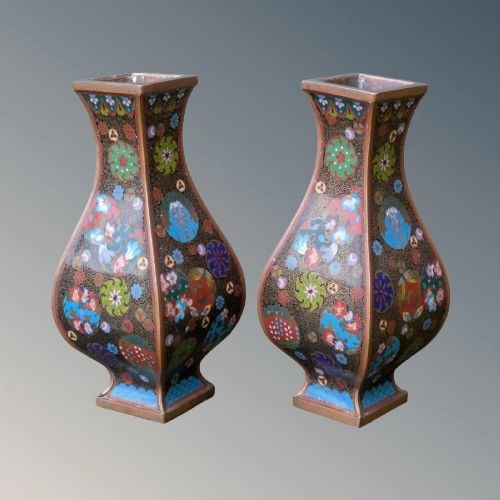
Metal vessels involved bronze and copper-alloy casting, often incorporating intricate high-relief chasing, gilding, or cloisonné wirework filled with vibrant coloured enamels. Artisans then polished surfaces and frequently paired finished bronzes and porcelains with carved hardwood stands made from dense woods like hongmu.
Qing Dynasty Vase Retail Price Guide 2026
Typical asking prices for qing dynasty vase among the pieces listed under this phrase on Sellingantiques today, from the lower quarter to the upper quarter. They describe what is for sale here now, not the wider market.
Listings feature items spanning the seventeenth to the twentieth century, utilising porcelain, bronze, cloisonne, and hardwood.
What varies in quality
The standard of a qing dynasty vase depends on the precision of its proportions, the crispness of painted details or chased metalwork, and the depth of the glaze. Masterpieces display harmonious balance between form and decoration, whereas lesser examples show hurried brushwork or uneven glaze pooling.
Materials and supplementary elements also dictate distinction, separating standard production wares from finely potted imperial or export pieces accompanied by original carved stands and precise reign marks.
The Qing Dynasty Vase Glossary
- Famille Rose
- A prominent palette of opaque enamels introduced in the eighteenth century, dominated by pink and rose shades derived from colloidal gold. It allowed for nuanced shading on floral and figural motifs.
- Celadon
- A transparent jade-green glaze over a pale ceramic body, prized for its subtle resemblance to precious stone. The tone results from iron oxide reacting in a reducing kiln atmosphere.
- Double-Gourd
- A vessel shape formed by two joined bulbous sections resembling a traditional gourd fruit, symbolising auspicious fortune and prosperity in Chinese culture.
- Cloisonné
- A metalworking technique where thin flat wires are soldered onto a bronze or copper base to create compartments, which are then filled with vitreous enamel paste and fired.
- Sang de Boeuf
- A rich ox-blood red glaze characterised by copper reduction firing, producing deep crimson tones that often fade to lighter hues near the rim.
- Rouleau
- A straight-sided cylindrical vase form with a short cylindrical neck and flat rim, popular during the Kangxi period and subsequent nineteenth-century revivals.
Qing Dynasty Vase: Frequently Asked Questions
What is a qing dynasty vase?
A qing dynasty vase is a ceramic, bronze, or enamel vessel produced during the Qing dynasty, spanning from the mid-seventeenth to the early twentieth century. These objects served as decorative centrepieces, scholarly accessories, and imperial display items.
They reflect the artistic innovations and technical precision of Chinese workshops across multiple imperial reigns, incorporating distinct glazes, painted enamels, and cast metalwork.
How were these vases used?
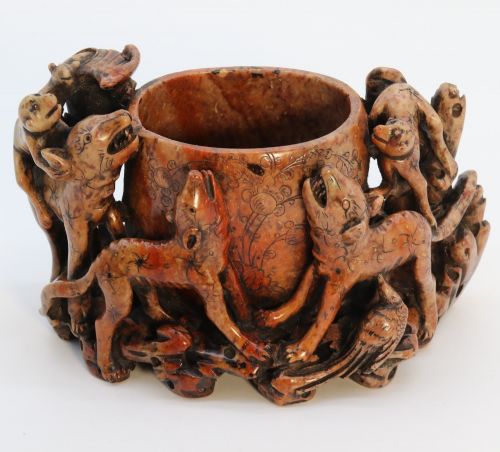
Many large vessels functioned as floor vases or garniture sets in grand reception rooms, while smaller jars and rouleau vases held seasonal flower arrangements. Scholars utilised specialised brush pots and smaller vases on desks for writing implements.
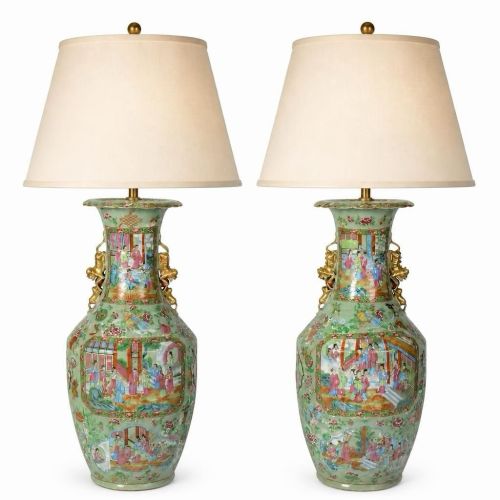
In domestic settings, particularly during the export boom, these pieces were often converted into table lamps or displayed on carved hardwood stands to elevate their presence in European and American interiors.
How do I identify a qing dynasty vase?
Identification relies on examining the material composition, glaze characteristics, and decorative style, such as famille rose enamels, crackle celadon, or blue and white cobalt painting. Many pieces feature reign marks on the base, though later nineteenth-century pieces often reproduced earlier marks as a tribute.
Analysing the potting technique, weight of the bronze or porcelain, and the quality of the painted details helps distinguish genuine period production from later revivals.
How do I live with a qing dynasty vase?
Living with these pieces involves placing them in stable environments away from direct sunlight and heavy foot traffic to protect fragile ceramic bodies and enamel surfaces. Using appropriate stands or furniture ensures secure display without risking accidental knocks.
Routine dusting with a soft, dry cloth preserves the finish, while mounted lamp conversions integrate historical decorative arts into modern lighting schemes.