

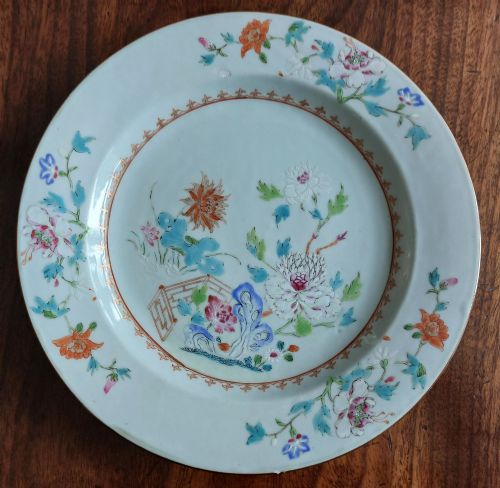
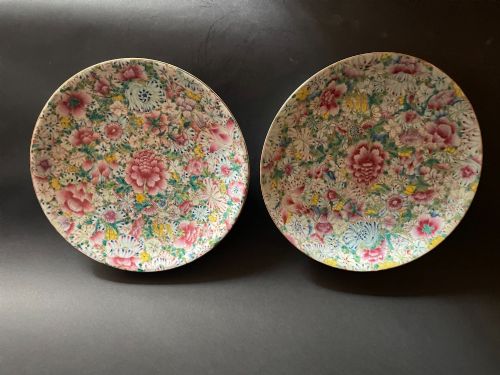
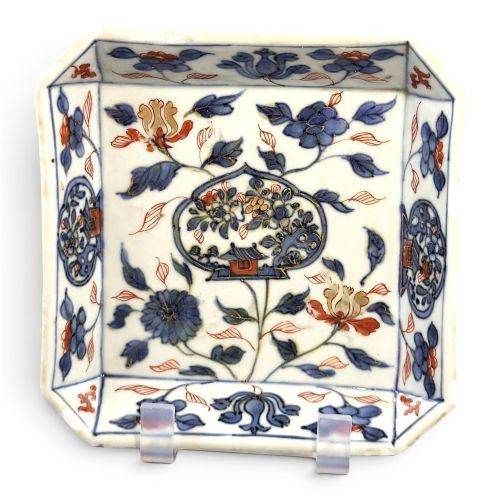
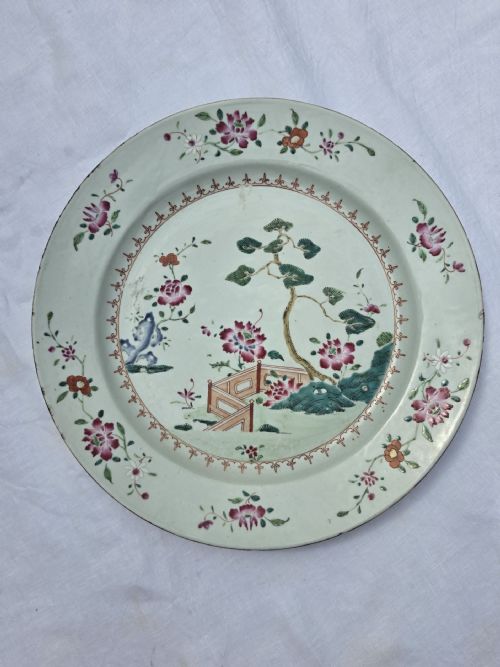
Qing Dynasty Porcelain Dish
A qing dynasty porcelain dish brings centuries of Imperial kilns into the home through painted cobalt and vivid enamel.
Qing Dynasty Porcelain Dish
A qing dynasty porcelain dish encompasses circular plates, chargers, shallow bowls, and shaped serving platters originating from China between the seventeenth and early twentieth centuries. These forms reflect the diverse domestic and export markets of the era, ranging from daily service pieces to large ceremonial chargers.
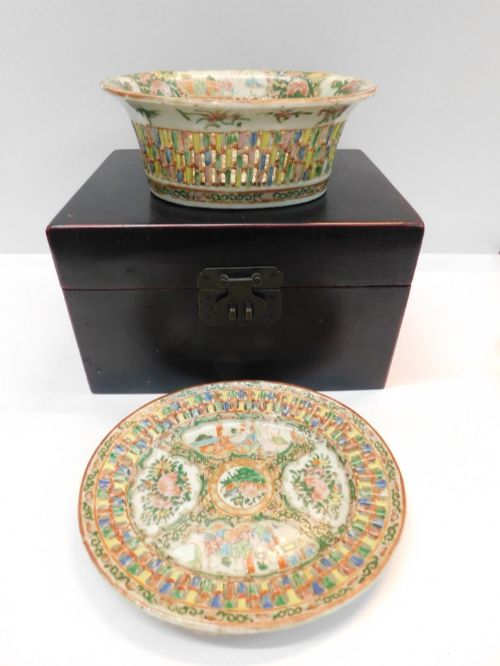
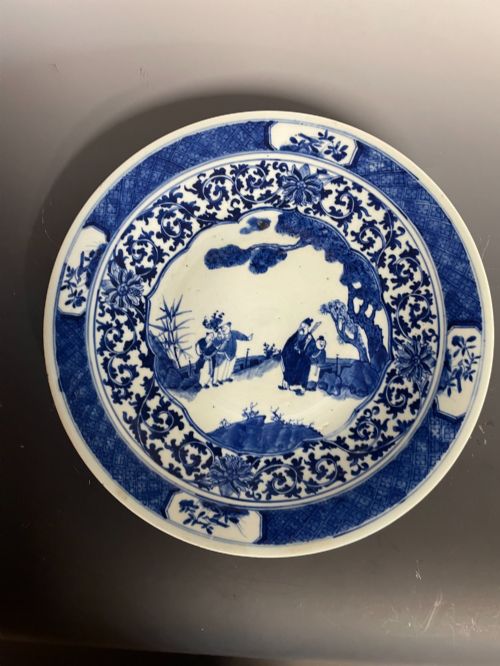
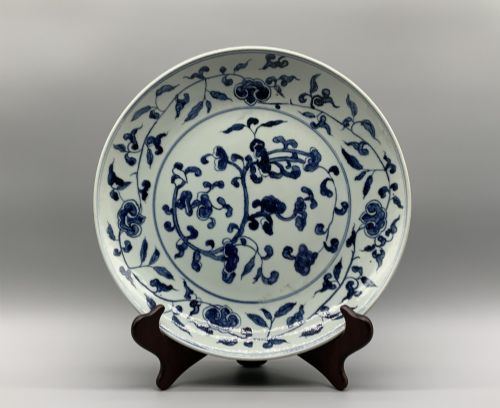
The selections span distinct periods, including the Kangxi, Qianlong, and Guangxu reigns, alongside broader nineteenth-century production. Buyers encounter both robust cobalt blue and white wares and polychrome enamel designs.
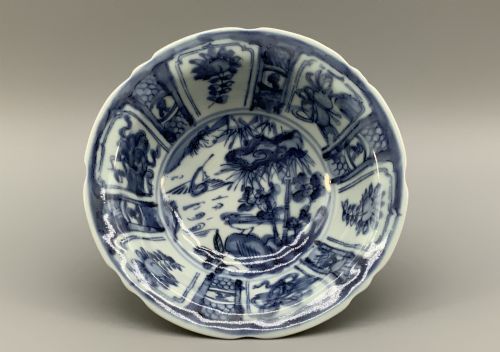
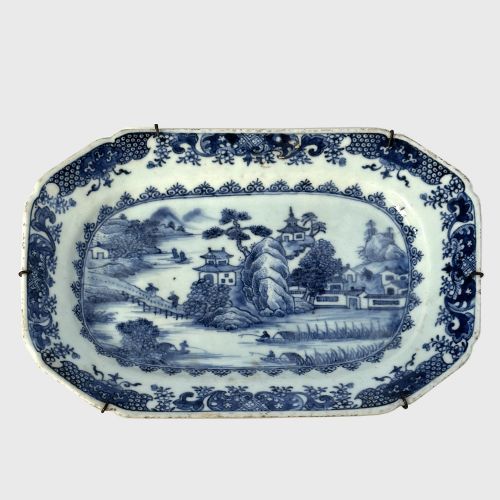
Varying formats include lobed bowls, shamrock-shaped dishes, and large platters intended for display or dining. The pieces combine utilitarian vessels with decorative artistry shaped by shifting court tastes.
Materials and Techniques
Hard-paste porcelain forms the physical body of these items, fired at high temperatures to achieve a dense, vitrified ceramic structure. Artisans coated this base in clear or tinted glaze to create a smooth, impervious surface.
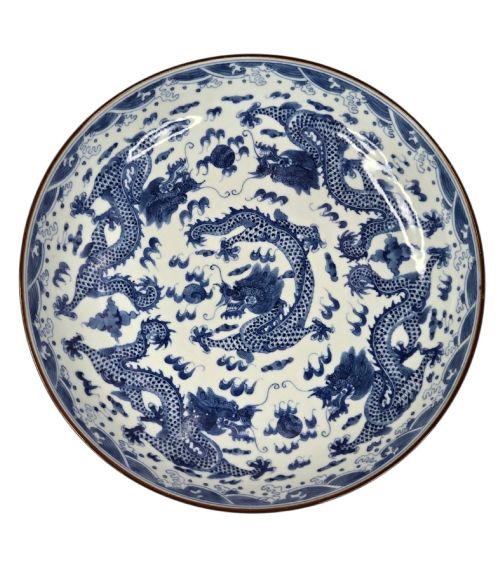
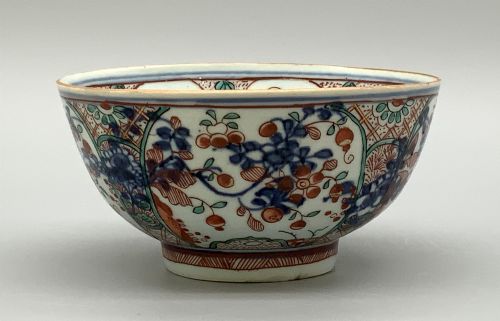
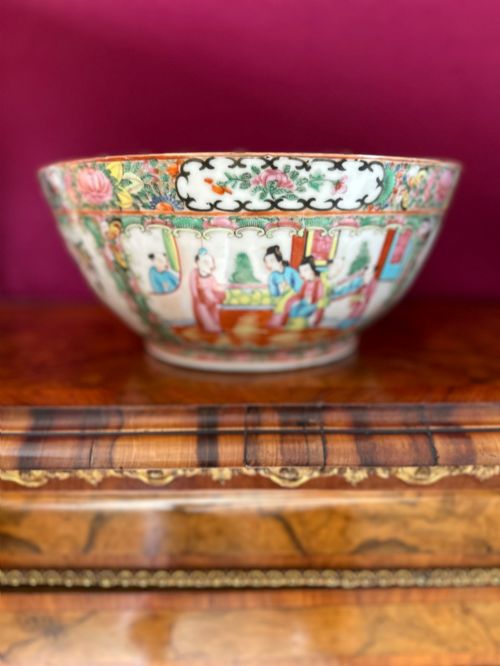
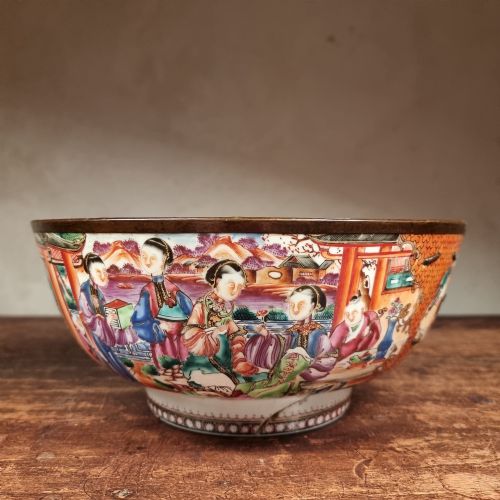
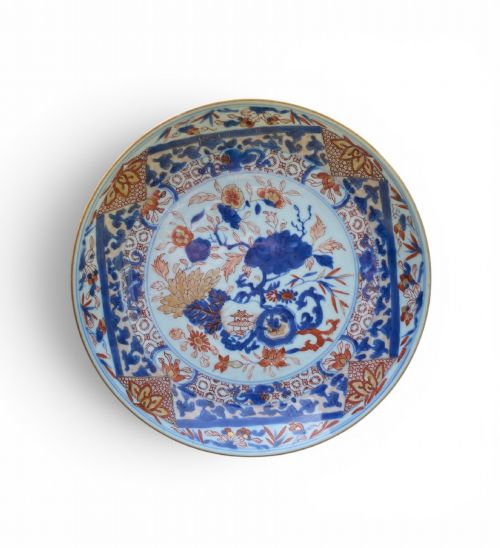
Decoration relies heavily on cobalt underglaze painting, applied before the primary firing to yield deep blue imagery. Overglaze enamels such as famille rose, famille verte, and iron-red added polychrome detail in subsequent lower-temperature firings.
Accents of gold leaf occasionally highlighted iron-red and enamel motifs, while celadon glazes produced a jade-like monochromatic finish on specific forms.
Listings feature hard-paste porcelain forms decorated with cobalt glaze, enamel, and gold leaf across the eighteenth and nineteenth centuries.
Distinctions in Quality
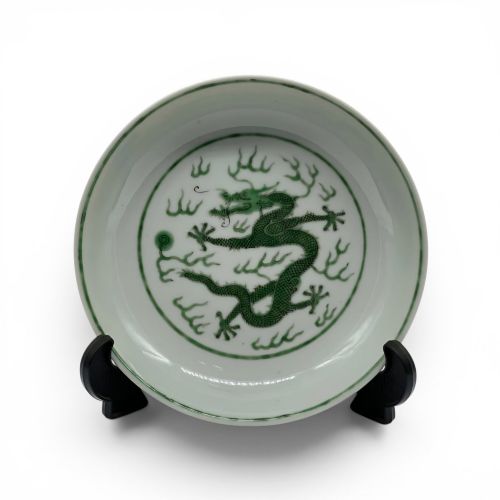
The execution of the painted brushwork separates ordinary utility wares from exceptional pieces. Fine examples display confident, fluid lines and intricate detailing in court scenes, floral motifs, or dragon designs.
Control over the kiln firing dictates the clarity of the cobalt blue and the stability of the overglaze enamels. Superior items exhibit even glazes without excessive pooling, distortion, or heavy impurities in the porcelain body.
Imperial-style items bearing correct period marks and complex iron-red or gilt decoration demonstrate a higher tier of craftsmanship than standard export merchandise.
The Qing Dynasty Porcelain Dish Glossary
- Famille Rose
- A palette of opaque pink and overlying enamels introduced during the eighteenth century. It allowed artists to render soft gradients in floral and figural compositions.
- Charger
- A large decorative plate or shallow dish exceeding standard dinnerware dimensions. These items were typically stood on edge or used for grand serving.
- Kangxi Period
- The reign spanning 1662 to 1722 noted for vibrant cobalt blue and crisp porcelain bodies. Pieces from this era often display deep blue tones and careful potting.
- Imari
- A decorative style combining underglaze blue with iron-red and gilt overglaze highlights. The aesthetic originated in Japan but heavily influenced Chinese export porcelain.
- Celadon
- A transparent green glaze over a high-fired porcelain body that mimics the appearance of jade. Subtle crackle patterns sometimes form within the glaze matrix.
Qing Dynasty Porcelain Dish: Frequently Asked Questions
How do I date a qing dynasty porcelain dish?
Dating relies on stylistic markers, palette types, and any reign marks found on the base of the vessel. Comparing the potting thickness and enamel characteristics to known period examples helps narrow the decade.
Export wares often lack imperial marks, requiring analysis of the decorative motifs and trade patterns to establish an eighteenth or nineteenth-century origin.
Were these dishes meant for food use?
Many items served practical dining and serving functions within Chinese households and European export markets. Platters, tureens, and chargers handled various foods before becoming collector pieces.
Delicate enamel decoration on certain court vessels suggests they functioned primarily as ornamental display objects rather than everyday tableware.
What is the difference between famille rose and famille verte?
Famille verte relies predominantly on green enamel tones combined with iron-red, yellow, and blue. It is a palette most associated with the Kangxi period.
Famille rose introduces an opaque pink enamel derived from colloidal gold, allowing for softer floral renderings that became popular during the eighteenth century.
How should I display or care for porcelain dishes?
These ceramic items require stable display environments away from direct sunlight and sudden temperature shifts. Using secure plate stands prevents accidental tipping on shelves or tables.
Cleaning should be limited to gentle dusting with a soft cloth or occasional washing in lukewarm water with mild soap, avoiding abrasive scrubbers.