
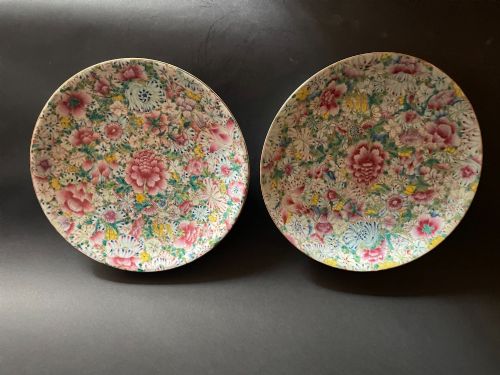
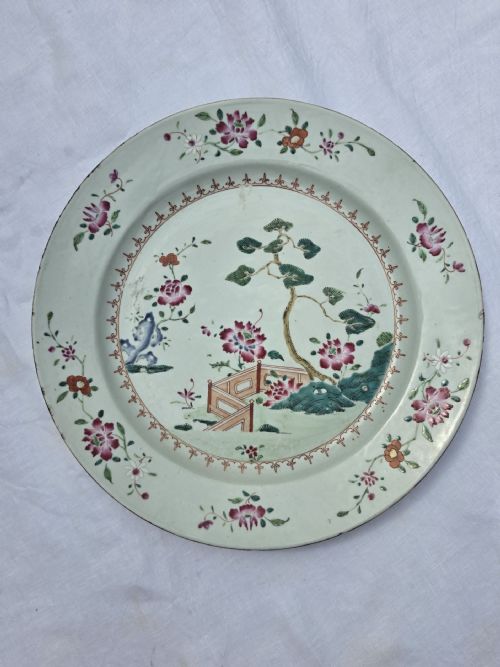
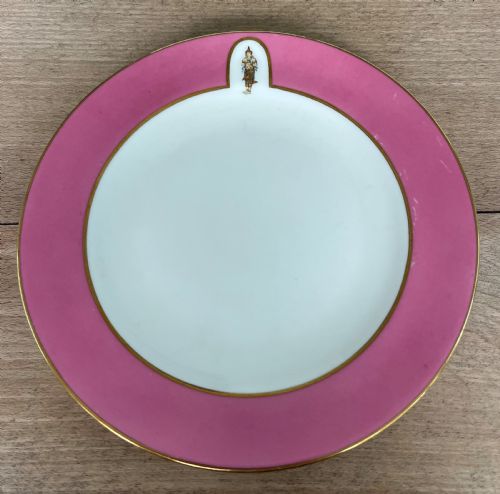
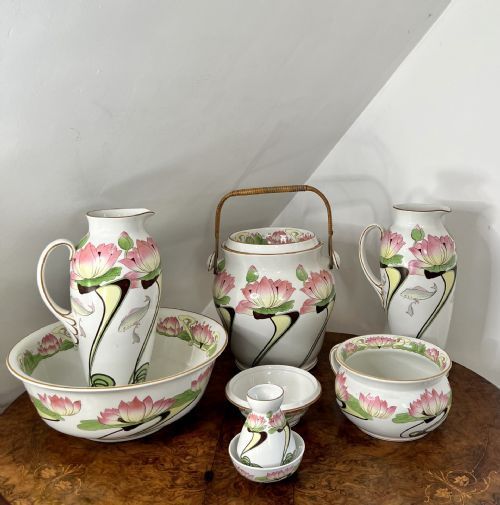


Pink Porcelain Dish
Pink porcelain dish pieces bring soft colour and hand-painted detail to a room, ranging from eighteenth-century English factories to continental works.
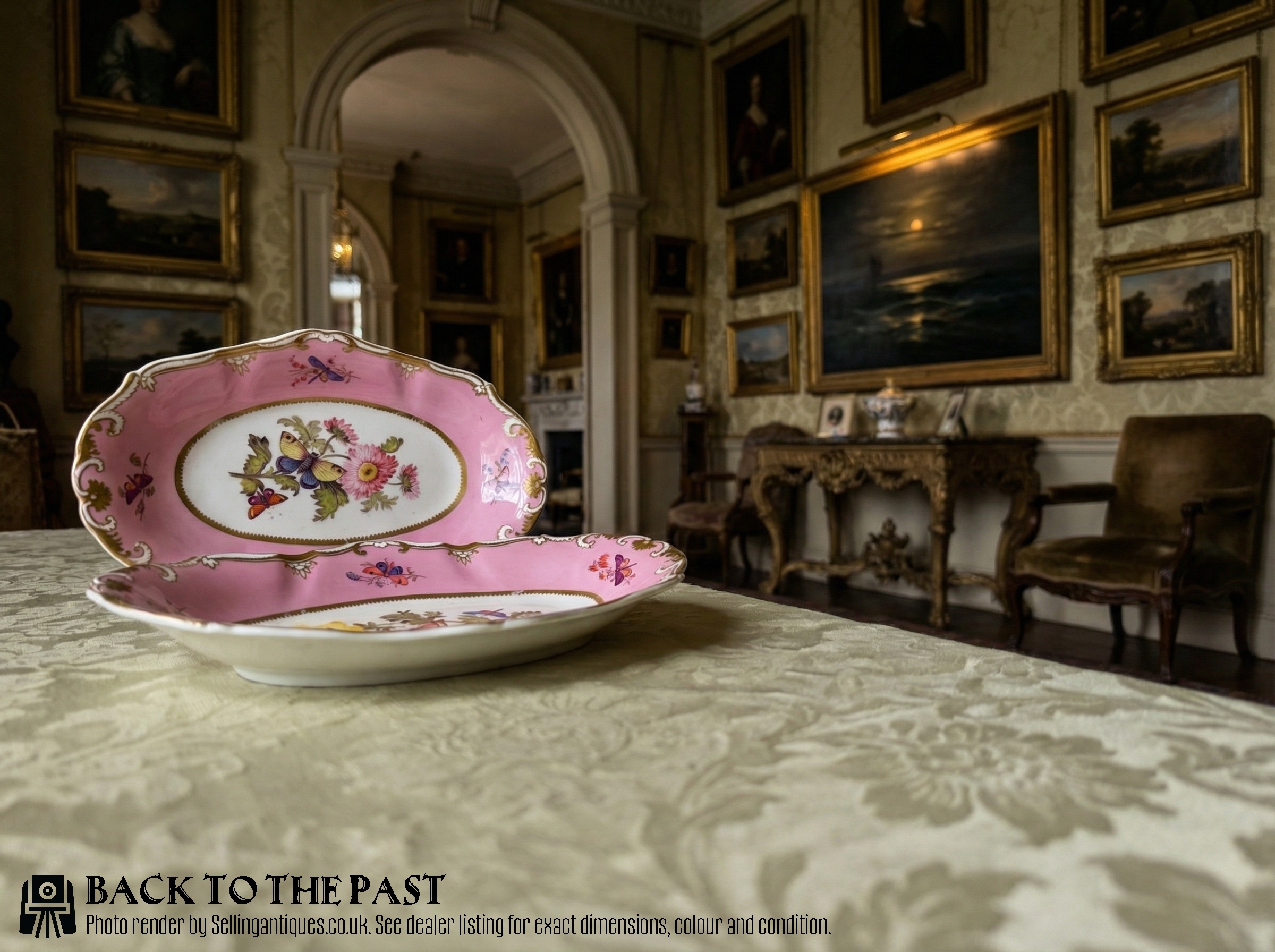
Pink Porcelain Dish
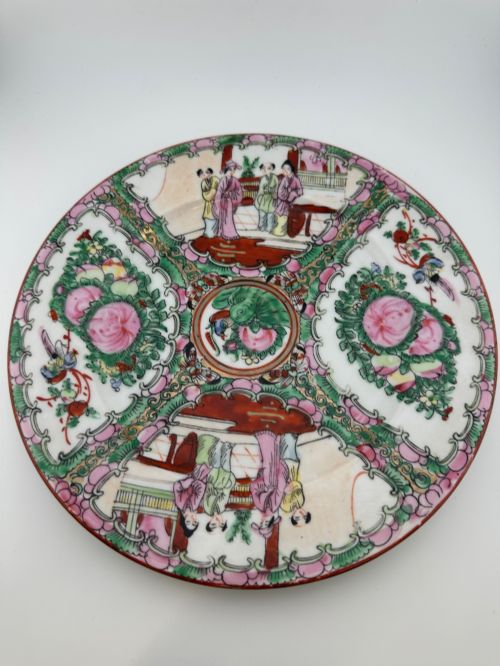
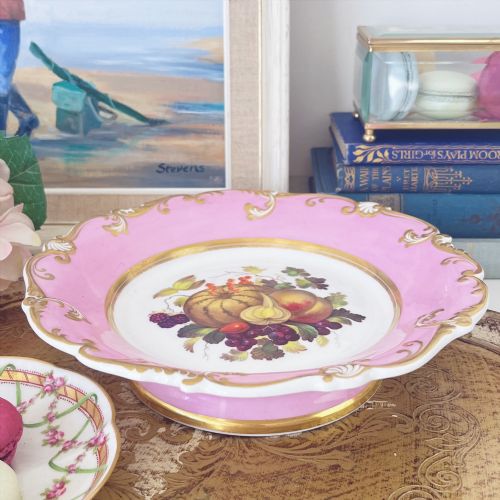
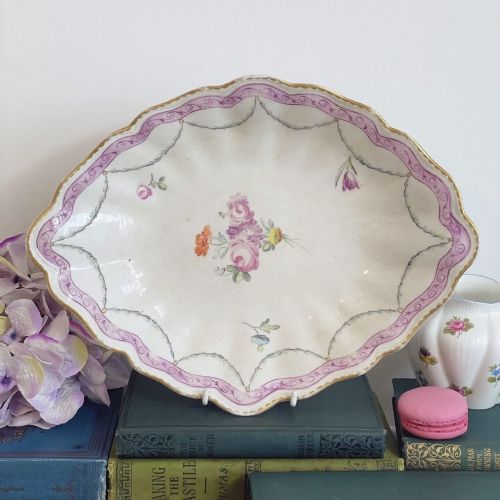
A pink porcelain dish represents a broad category of ceramic tableware and decorative items spanning the eighteenth, nineteenth and early twentieth centuries. These objects include dessert plates, serving dishes, footed comports and shell-shaped centrepieces carrying pink grounds or delicate polychrome enamel designs.
Buyers searching for a pink porcelain dish encounter pieces from English factories such as Worcester, Minton, Spode and Derby, alongside continental works and Chinese export ceramics. Eighteenth-century examples often feature soft-paste bodies and hand-painted floral motifs, while Victorian and Edwardian pieces show rich ground colours and gilt highlights.
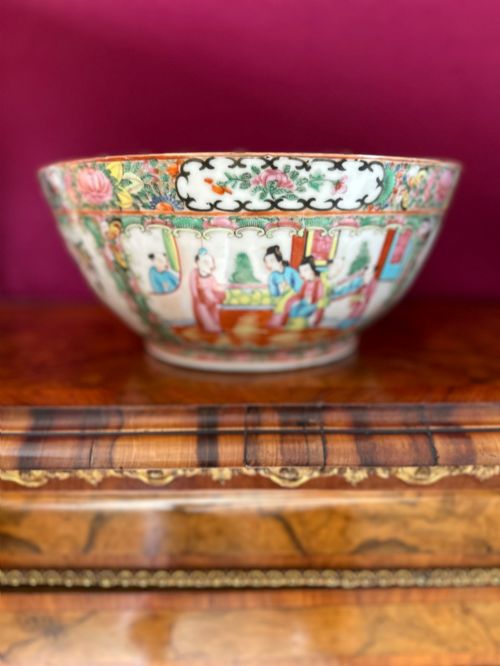
The selection includes specialised forms like the pale pink Barr, Flight and Barr landscape dessert dish recorded in the archive, alongside nineteenth-century Chinese Canton wares utilising similar pink enamel palettes. Each object reflects the prevailing decorative taste of its period, from Georgian botanical painting to Art Nouveau figurative design.
How they were made
Potters shaped these objects from ceramic bodies including soft-paste porcelain and standard porcelain, firing them in kilns before applying decorative schemes. Artisans then utilised hand-painted enamels, gilding, gold leaf and coloured glazes to finish the surface.
Many items incorporate transfer-printing combined with meticulous brushwork, particularly on eighteenth and nineteenth-century dessert plates and botanical services. Firing techniques evolved across the periods represented, allowing for richer ground colours like pink grounds and jewelled enamel borders.
Several plates feature birds so meticulously rendered they appear ready to peck crumbs straight from the dessert table.
What varies in quality
The standard of a pink porcelain dish depends heavily on the skill of the hand-painting and the crispness of the porcelain moulding. Finely executed brushwork by named artists or major factories demonstrates superior craftsmanship compared to simpler production wares.
The preservation of the gilding, enamel colours and glaze integrity also dictates the standing of a piece within its period. Intricate shell forms, pierced borders and specialised ground colours indicate ambitious manufacturing processes from leading ceramic centres.
H and R Daniel·Derby·Cauldon Ltd·Royal Worcester·Kornilov Brothers·Minton·Chamberlain Worcester·Flight Barr and Barr·Royal Dux·Spode·Furstenberg
The Pink Porcelain Dish Glossary
- Soft-paste porcelain
- An early ceramic composition fired at lower temperatures than true hard-paste porcelain, creating a warm texture and distinct translucency. It appears frequently in eighteenth-century English wares.
- Gilding
- The application of gold leaf or powdered gold to ceramic surfaces for decorative borders and highlights. This technique defines many Regency and Victorian plates.
- Comport
- A raised dish or bowl used for serving fruit or sweets at dessert. These pieces often feature footed pedestals or tazza forms.
- Famille rose
- A palette of Chinese ceramic enamels dominated by opaque pink introduced in the Qing dynasty. It characterises eighteenth and nineteenth-century export porcelain.
- Ground
- The main background colour applied to a ceramic surface, such as the pink grounds seen on nineteenth-century English dessert services.
Pink Porcelain Dish: Frequently Asked Questions
What periods do these dishes come from?
The listings span from the eighteenth century through the Victorian and Edwardian eras up to the nineteen-thirties.
Earlier examples include eighteenth-century pieces from English factories and Chinese export periods, while later items reflect nineteenth-century continental and twentieth-century production.
How were these dishes used originally?
These objects served functional roles during formal dining, particularly for dessert courses, fruit service and sweetmeats.
Plates, comports and centrepieces held food on the table, while larger chargers and decorative dishes often displayed wealth and taste in reception rooms.
How do I care for antique porcelain?
Gentle hand washing in warm water using mild soap preserves the delicate hand-painted enamels and gold leaf.
Harsh detergents, scrubbing and modern dishwashers damage the historic glaze and wear away the fine surface decoration over time.
How can I tell eighteenth-century pieces apart from later ones?
Examination of the paste, glaze and painting style reveals the likely period of manufacture.
Eighteenth-century soft-paste bodies and hand-painted polychrome floral motifs differ noticeably in weight, translucency and pigment application from nineteenth-century industrial ceramics and twentieth-century wares.