



Green Enamel Porcelain Dish
A green enamel porcelain dish brings vibrant colour and meticulous detail to a room, drawn from centuries of Asian and European craftsmanship.
Green Enamel Porcelain Dish
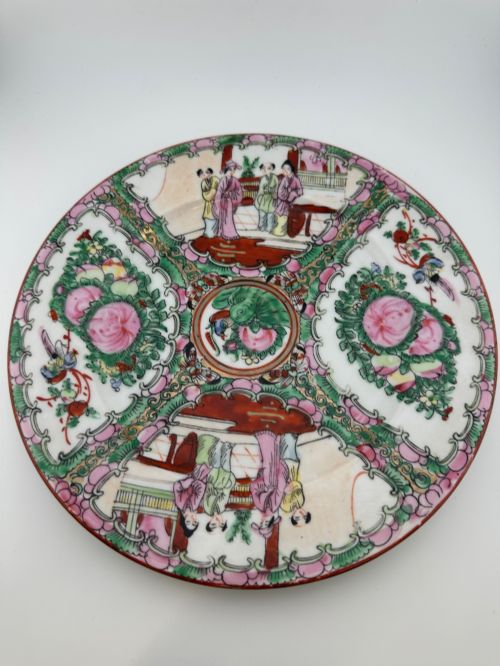
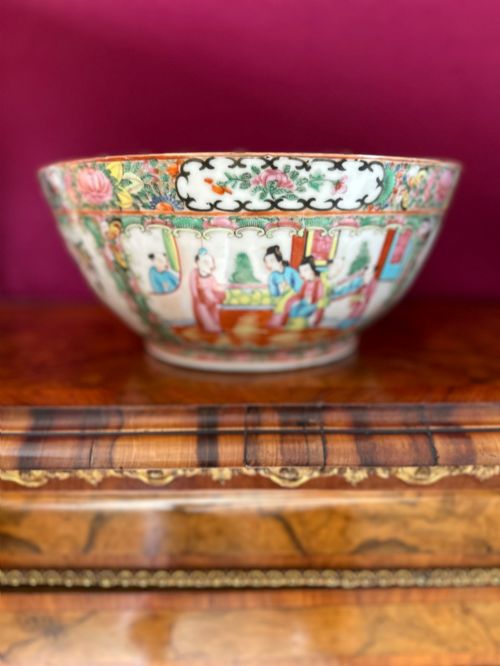
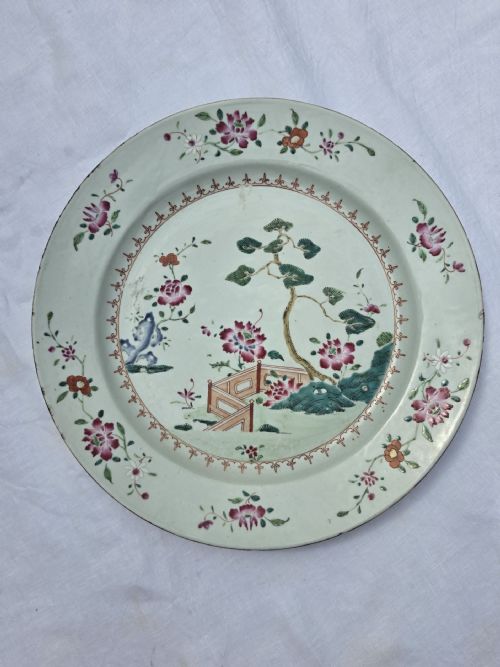
When you search for a green enamel porcelain dish, you are looking at items created across several centuries, ranging from seventeenth-century Arita wares to nineteenth-century Chinese Canton pieces. The examples you are most likely to meet on this page include chargers, bowls, and plates adorned with hand-painted motifs.
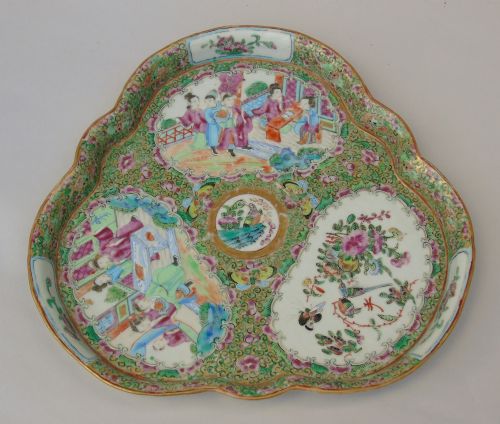
The origins span Chinese Export traditions, Qing Dynasty styles, and Japanese Edo and Meiji periods, reflecting distinct regional aesthetics. Forms vary from traditional round dishes to trefoil trays and clam shell shapes, each serving decorative or functional roles in historical households.
How they were made
The physical basis of these items is hard-paste porcelain or standard porcelain, shaped into plates, bowls, and chargers before firing. Artisans applied enamel glaze and overglaze enamel to introduce vibrant green and complementary polychrome pigments to the hardened ceramic surface.
Many examples incorporate gilding, gold leaf, or gilt highlights applied over the glaze to accentuate borders and decorative motifs. This combination of ceramic forming, enamel painting, and metallic detailing requires precise temperature control during kiln firing.
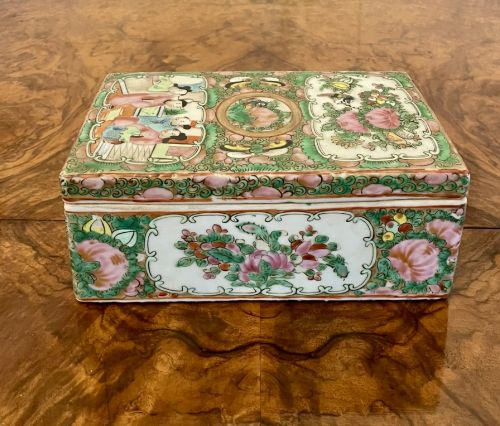
The object forms available include chargers, pedestal dishes, lidded boxes, and trefoil trays.
What varies in quality
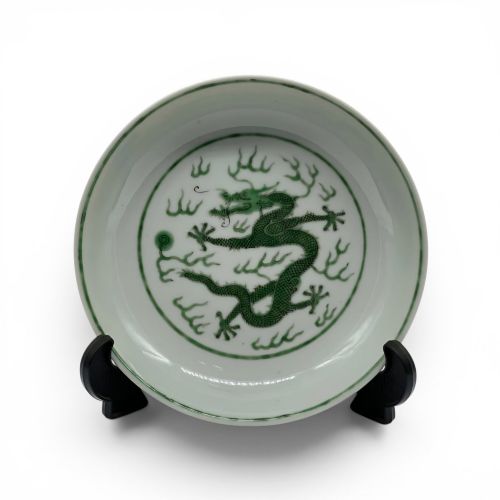
The distinction between standard and superior pieces rests on the execution of the hand-painted brushwork and the clarity of the enamel colours. Finer examples display precise control over the green enamel and crisp definition in dragon or floral motifs.
Preservation of the overglaze enamel and any applied gold leaf or gilding also separates everyday items from exceptional survivals. The weight, balance, and potting of the porcelain body itself further indicate the skill of the workshop.
The Green Enamel Porcelain Dish Glossary
- Overglaze enamel
- A decorative technique where coloured glass fluxes are painted onto a previously fired and glazed porcelain surface, then fixed at a lower temperature kiln firing. This method allows for a wider palette of vibrant colours.
- Hard-paste porcelain
- A dense, vitrified ceramic compound composed of kaolin and petuntse, fired at very high temperatures. It produces a durable, white body that rings when struck.
- Gilding
- The application of gold leaf or powdered gold onto the surface of the porcelain or enamel. It provides reflective metallic accents that catch the light.
- Charger
- A large ornamental plate or dish used historically for ceremonial service or as a decorative centrepiece on a table or sideboard.
- Famille rose
- A porcelain palette introduced in the eighteenth century, dominated by opaque pink or rose enamel derived from colloidal gold. It often appears alongside green and other enamel colours on Chinese export wares.
Green Enamel Porcelain Dish: Frequently Asked Questions
What is a green enamel porcelain dish?
A green enamel porcelain dish is a ceramic plate, bowl, or charger decorated with green enamel pigments applied over a glazed porcelain body. These items encompass various historical traditions, particularly from Chinese and Japanese kilns.
Such pieces range from utilitarian vessels to highly ornamental chargers created for export or imperial markets. The green enamel often appears alongside other colours and gold leaf to depict dragons, florals, and landscapes.
How do I care for antique porcelain?
Antique porcelain requires gentle handling and should be washed by hand in warm water with mild detergent rather than placed in a dishwasher. Sudden temperature changes can cause thermal shock and crack the ceramic body or historic glaze.
Avoid abrasive sponges or harsh chemicals that can wear away overglaze enamel and delicate gilding. Secure sturdy display stands if keeping chargers upright to prevent accidental slips.
How do I identify the period?
Dating these pieces relies on examining the potting style, the characteristics of the porcelain body, and the specific composition of the enamel colours. Examining the foot ring and any underglaze marks or signatures provides further clues to the era of production.
Stylistic shifts, such as the transition from seventeenth-century Arita designs to nineteenth-century Canton production, reveal distinct aesthetic preferences. Comparing the brushwork to documented examples helps narrow down the century.
Where were these dishes made?
These pieces originated primarily in historic kilns across China and Japan, reflecting major centres of ceramic production. Japanese examples often originate from Arita or Kutani traditions, while Chinese pieces frequently stem from Canton or imperial kilns.
Many of these wares were produced specifically for export markets in Europe and Britain. This global trade movement explains their presence in Western collections today.