

Georgian Serving Dishes
When you search for georgian serving dishes, you meet the tureens, platters and chargers that carried meals to the table centuries ago.
Georgian Serving Dishes
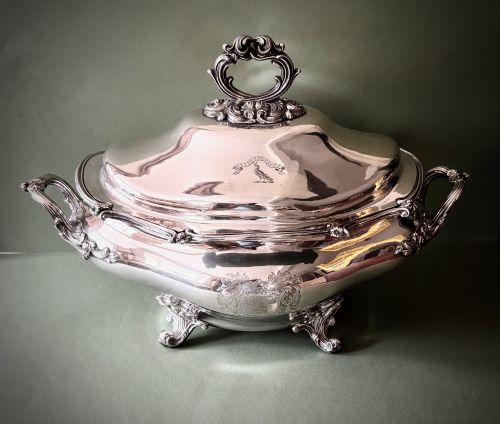
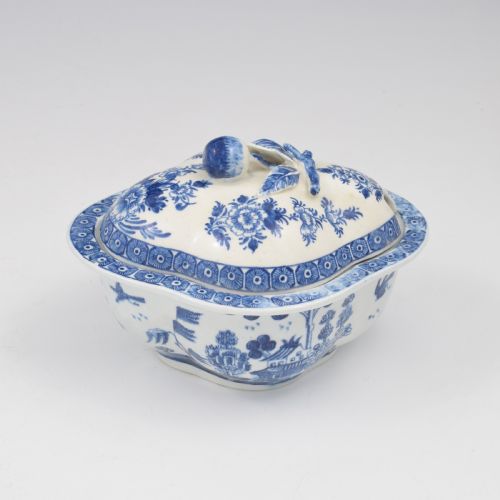
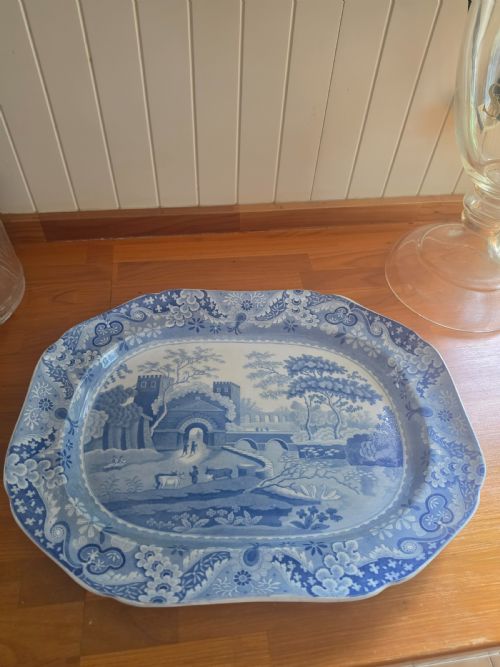
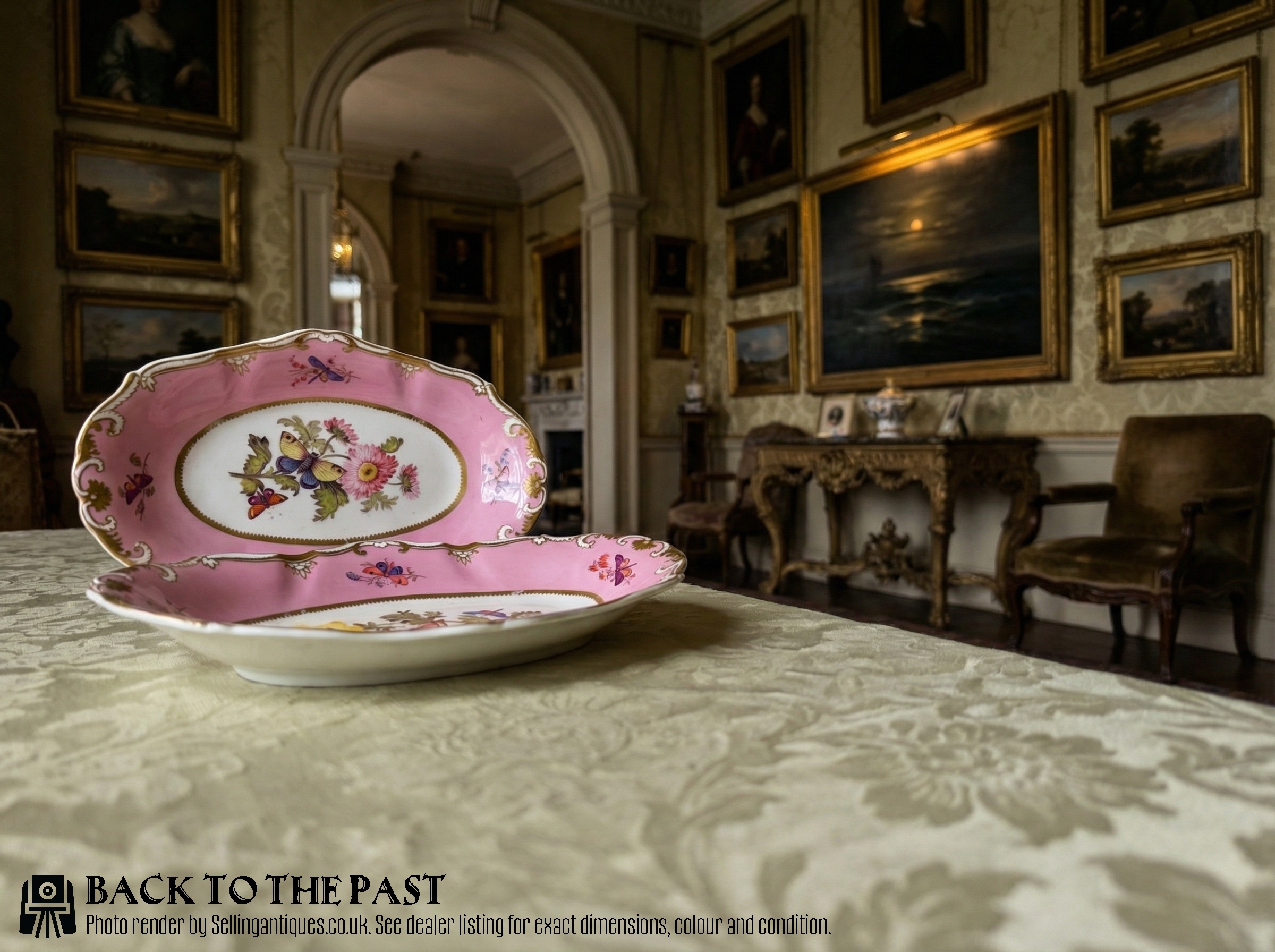
These georgian serving dishes include tureens, meat plates, platters and chargers made for formal dining across the eighteenth and nineteenth centuries.
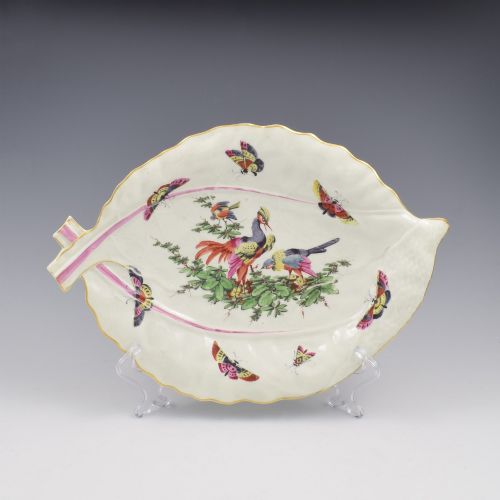
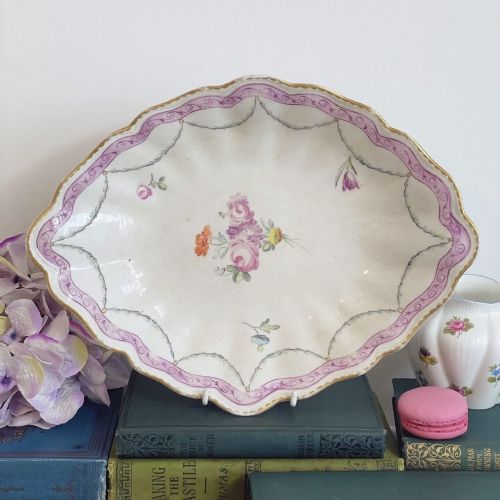
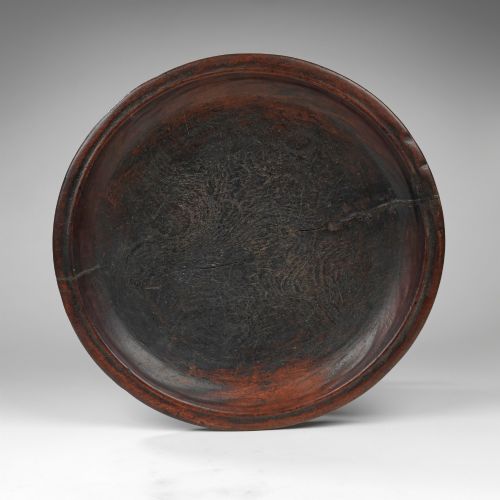
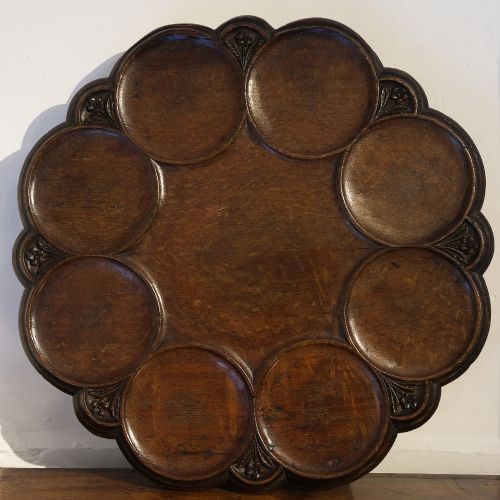
You meet earthenware, creamware, soft-paste porcelain and sterling silver pieces produced by English factories, alongside turned wooden bowls and pewter plates.
Materials and Technique
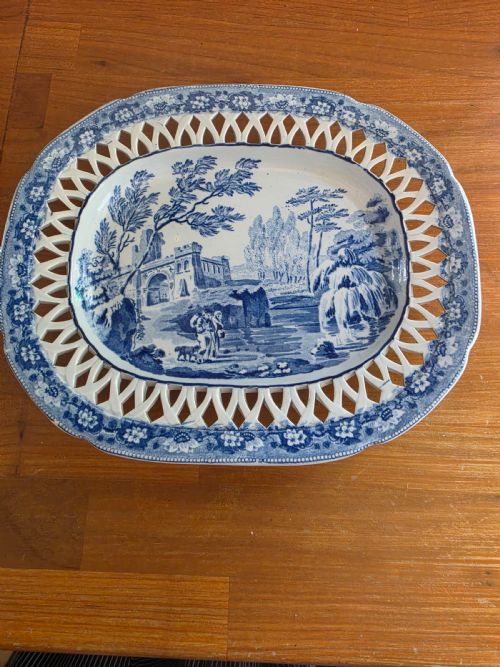
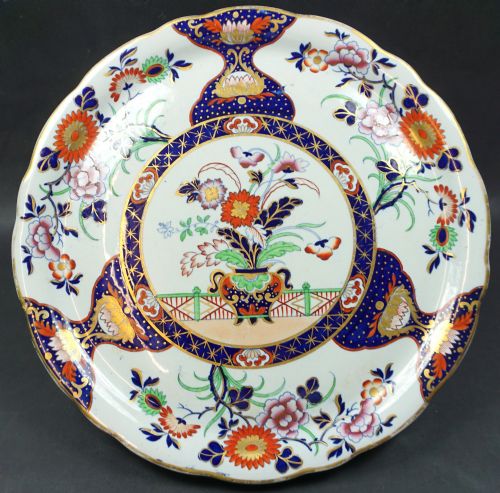
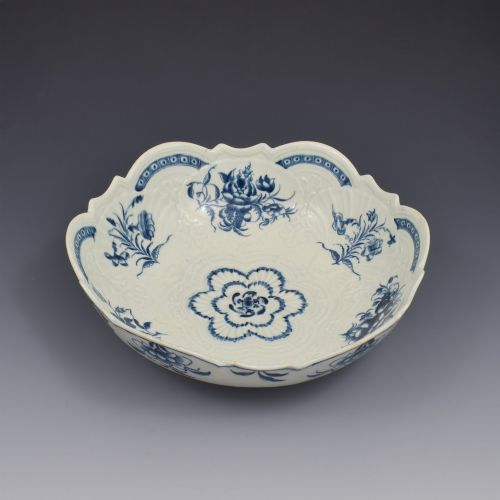
Potters shaped creamware, earthenware and ironstone on wheels or in moulds before applying polychrome or blue and white transfer prints, salt glaze or tin glaze.
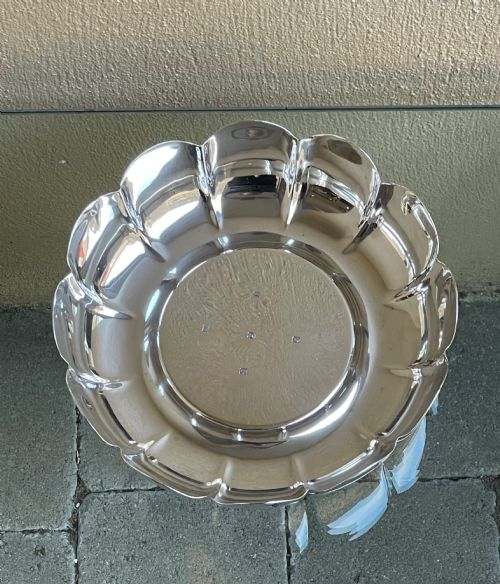
Silversmiths hammered and chased sterling silver and Old Sheffield Plate to form substantial supper dishes, tureens and lampstands.
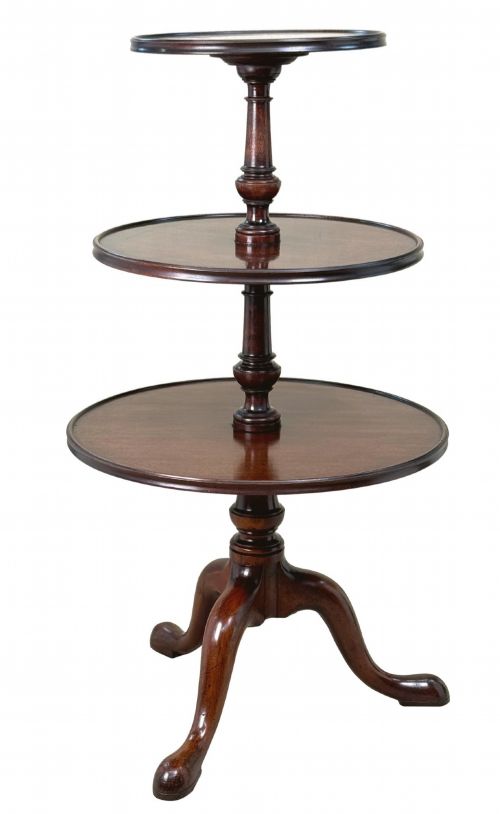
Craftsman turned mahogany and oak to construct tiered dumbwaiters and lazy susans designed to hold dishes within reach.
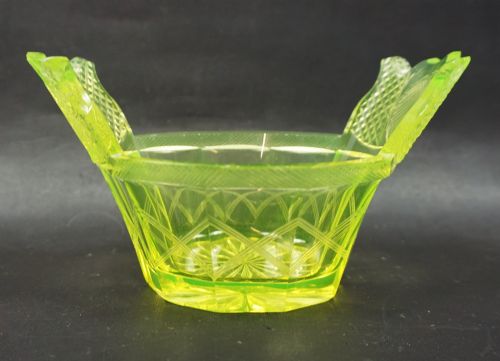
Listings span earthenware, creamware, soft-paste porcelain, sterling silver, copper, pewter and uranium glass across the eighteenth and nineteenth centuries.
Quality and Execution
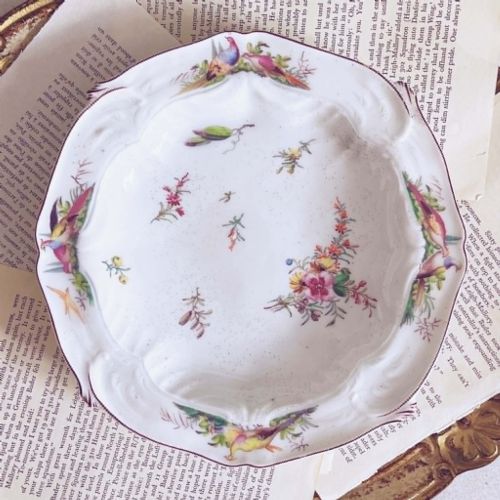
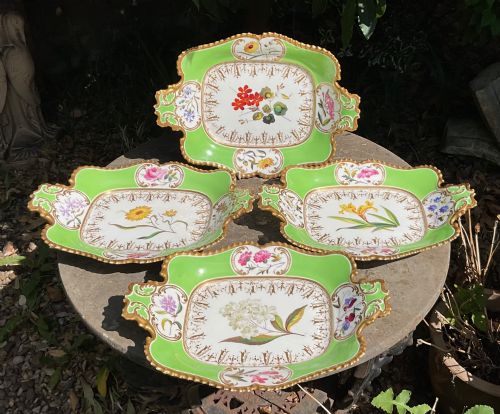
Execution rests on the precision of the hand-painted polychrome decoration, transfer printing clarity and the crispness of moulded leaf or floral borders on porcelain and pottery.
Metalwork quality shows in the weight of the sterling silver, the preservation of Old Sheffield Plate and the integrity of hand-turned wooden surfaces.
Design complexity marks superior examples, ranging from armorial crests and intricate blue and white transfer scenes to well-balanced silver supper dish assemblies.
Dr Wall Worcester·Chelsea·Derby·Spode·Davenport·Chamberlains Worcester·Hicks & Meigh·Wedgwood·John Rogers & Son·J & R Riley·John Duncomb·Samuel Smith·William Bennett·Wood & Michell·J & R Clews·Rockingham Pottery·Mason's
The Georgian Serving Dishes Glossary
- Charger
- A large circular dish or plate utilised historically for service or display rather than individual dining. These substantial pieces sat beneath smaller courses or held communal joints.
- Creamware
- A light-coloured refined earthenware developed in Yorkshire and Staffordshire during the eighteenth century. It replaced heavier salt-glazed stoneware on the dining table.
- Tureen
- A deep covered vessel designed for serving soups, sauces or vegetables at the table. They appear in porcelain, earthenware and silver.
- Soft-paste porcelain
- A ceramic composition fired at lower temperatures than true hard-paste porcelain, common in eighteenth-century English factories such as Chelsea and Worcester.
- Transfer printing
- A mechanical method of applying complex decorative patterns to pottery from an engraved copper plate via tissue paper. This technique transformed ceramic decoration during the Georgian period.
Georgian Serving Dishes: Frequently Asked Questions
What were georgian serving dishes used for?
These vessels held meats, vegetables, sauces and desserts during formal communal dining in the eighteenth and nineteenth centuries.
Larger platters and chargers presented joints of meat, while covered tureens kept soups and vegetables warm at the table.
How do I care for antique ceramic dishes?
Wash these pieces gently by hand in warm water using mild soap, avoiding dishwashers and harsh abrasive sponges.
Keep them away from rapid temperature changes to protect the old glaze and delicate painted or transfer-printed surfaces.
Are these silver dishes safe for food?
Sterling silver and Old Sheffield Plate pieces function well for serving dry foods, though acidic items can tarnish the metal quickly.
Many collectors prefer to use them for display or occasional festive dining rather than daily meals.
How can I tell early porcelain from later wares?
Early soft-paste porcelain pieces often display slight glaze pooling, potting irregularities and distinct underglaze blue painting characteristics.
Examining the foot rim and body translucency helps distinguish eighteenth-century factory output from later nineteenth-century ironstone and earthenware.