


Botanical Porcelain Dishes
Botanical porcelain dishes bring together the natural world and refined ceramic forms, offering handpainted flora and fauna that collectors prize for their intricate detail.
Botanical Porcelain Dishes
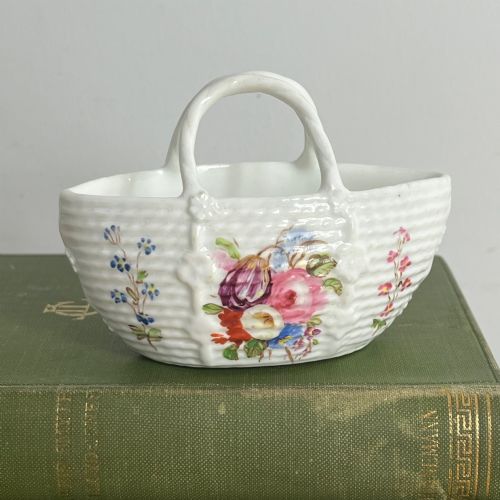
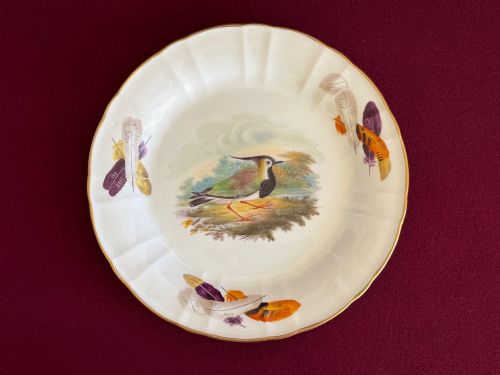
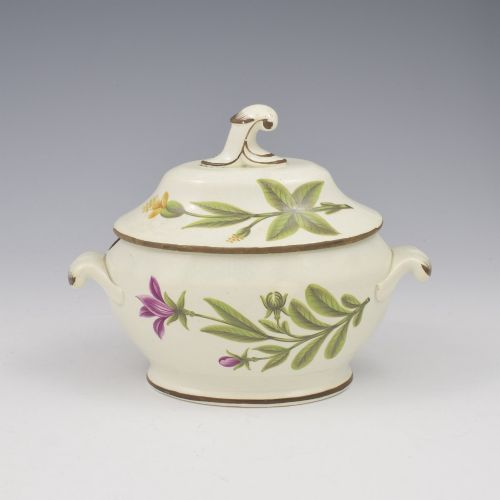
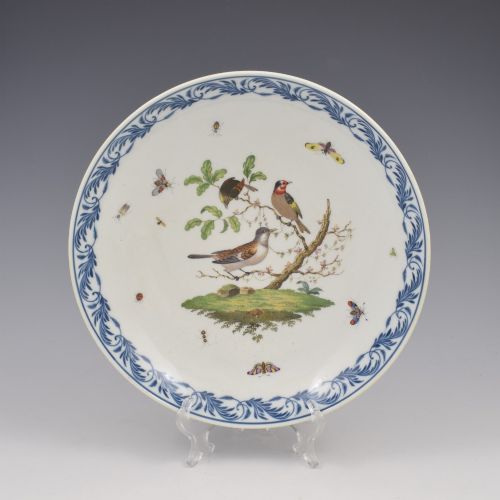
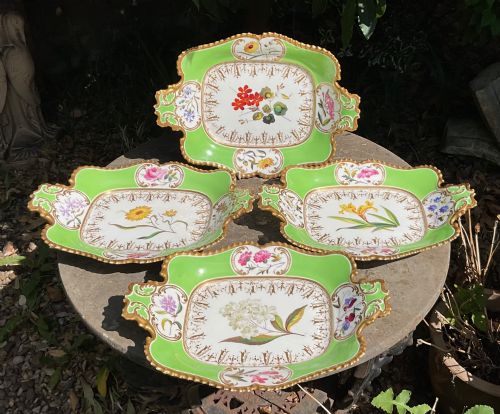
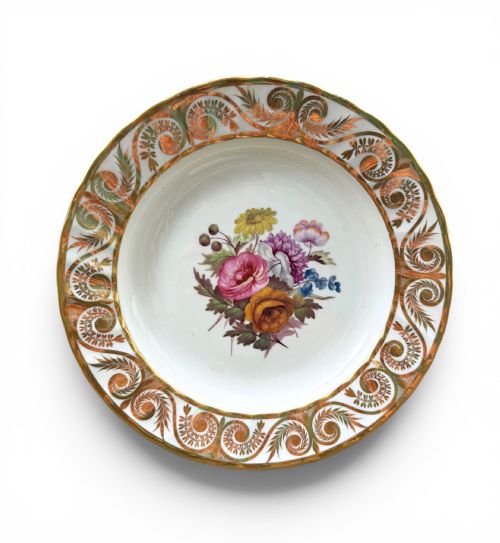
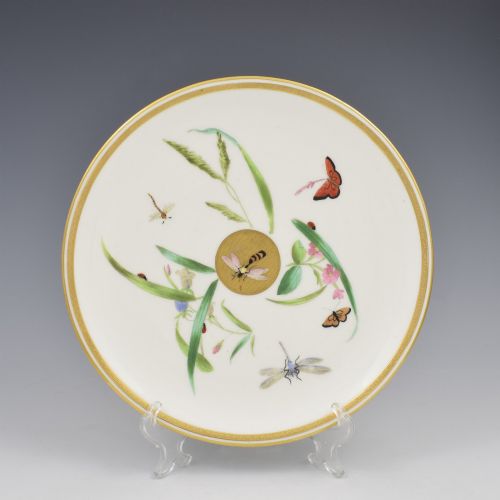
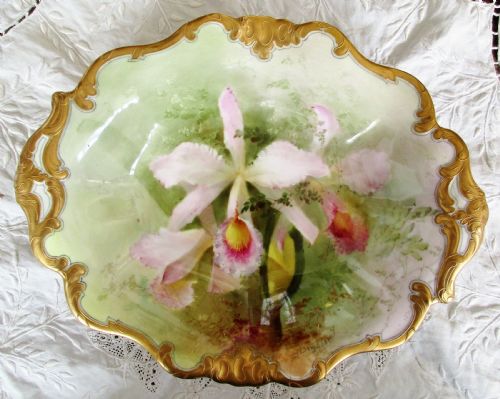
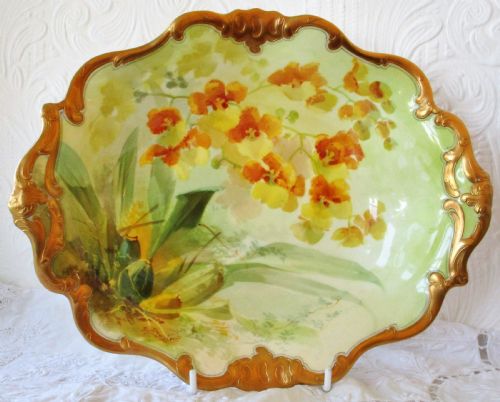
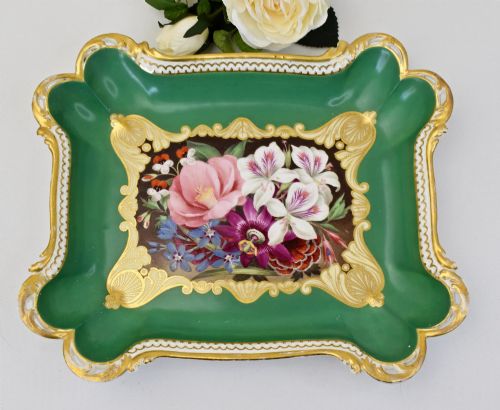
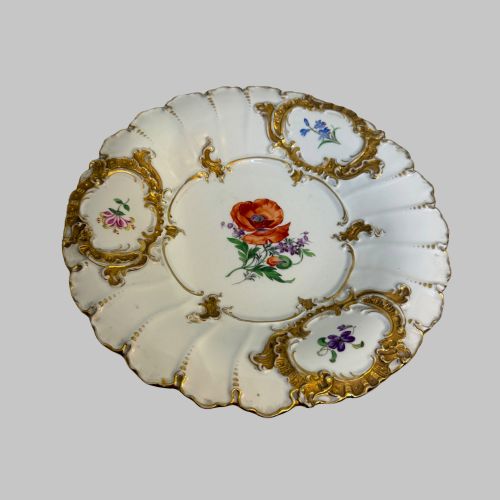
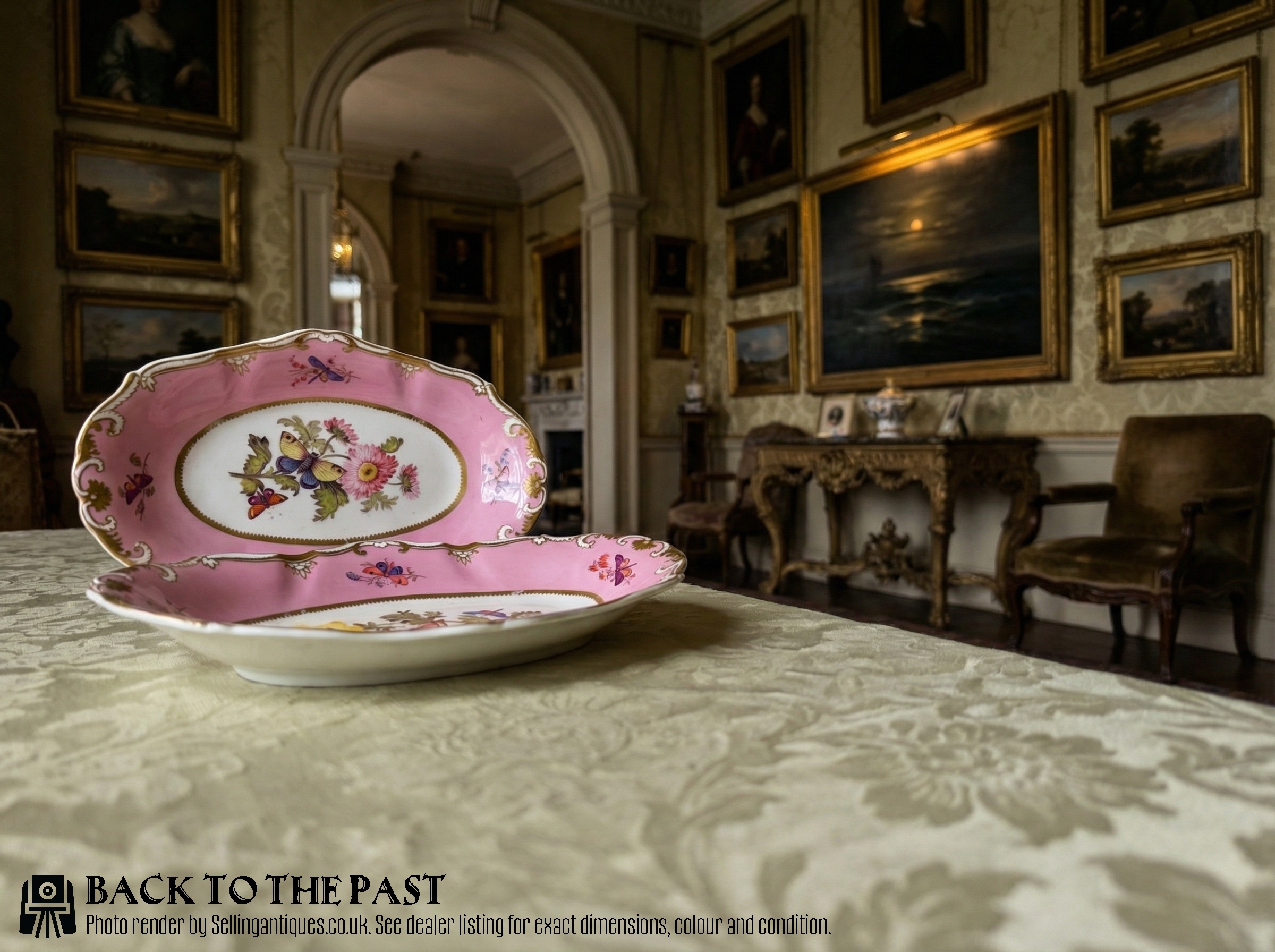
Botanical porcelain dishes encompass cabinet plates, serving dishes, dessert plates, and decorative baskets produced across the eighteenth and nineteenth centuries. You are most likely to meet Georgian and Regency English pieces, alongside Victorian examples and continental porcelain from factories such as Meissen.
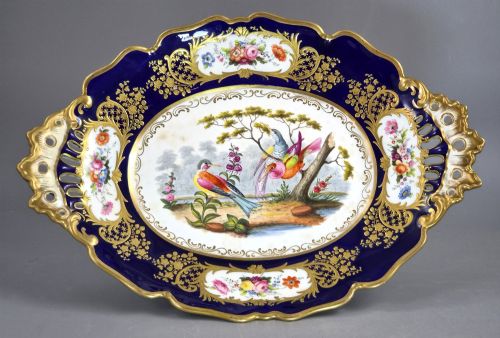
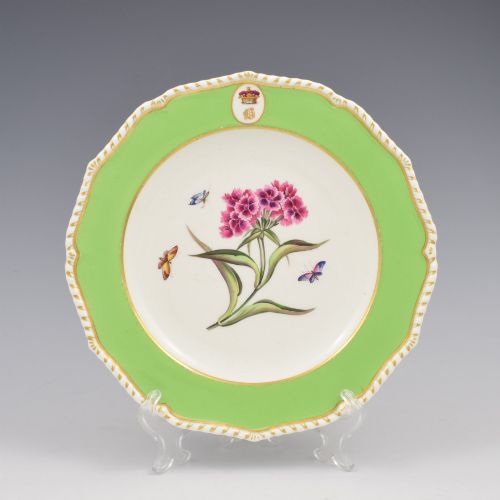
The forms range from utilitarian soup tureens and sauce tureens to decorative dessert services and cabinet plates designed for display. Makers applied handpainted studies of flowers, birds, and insects directly to the ceramic body, often integrating gilt borders and armorial motifs.
Geographic origins span English potteries in Worcester, Derby, Coalport, and Stoke-on-Trent, alongside European houses like Sèvres, Meissen, and KPM. These items reflect changing tastes from the rococo revival to the aesthetic period across the nineteenth century.
Standard and Execution
The distinction between tiers rests upon the precision of the handpainted botanical or ornithological subject and the hand of the artist. Pieces decorated by named painters or specific London decorating studios display superior brushwork and botanical fidelity.
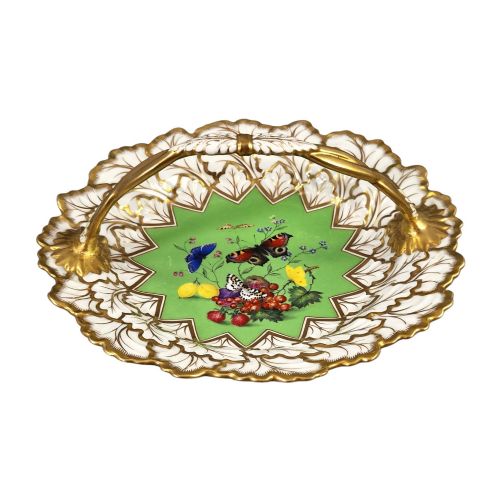
The application of gold leaf and the crispness of the porcelain moulding separate standard production from high-status cabinet pieces. Surviving gilding, minimal wear to enamel surfaces, and documented factory patterns define the upper end of the range.
Several botanical dishes feature remarkably plump caterpillars painted alongside butterflies to ensure absolute botanical accuracy.
Flight Barr And Barr·Wedgwood·Coalport·Meissen·Chamberlains Worcester·Derby·Minton·Royal Doulton·Doe And Rogers·Bloor Derby·Spode·Sevres·Kornilov Brothers·Chelsea Derby·Ridgway·Nantgarw·New Hall·Kpm
The Botanical Porcelain Dishes Glossary
- Bone China
- A type of soft-paste porcelain containing bone ash that creates a durable, bright white body used extensively by English potteries.
- Cabinet Plate
- A decorative plate intended for display in a cabinet or on a wall rather than for practical dining use.
- Gilding
- The application of gold leaf or powdered gold to ceramic surfaces, particularly around rims and borders, to highlight decorative patterns.
- Armorial
- A design featuring a coat of arms or heraldic crest, frequently painted onto bespoke dessert services for landed families.
- Tazza
- A shallow bowl or dish raised on a stem and foot, used for serving fruit or sweetmeats during dessert courses.
Botanical Porcelain Dishes: Frequently Asked Questions
How do I identify botanical porcelain?
Look for handpainted depictions of flowers, plants, birds, or insects executed on porcelain or bone china plates and dishes. Many pieces include handwritten or printed botanical titles on the reverse alongside factory marks.
Examination of the baseline ceramic body, whether soft-paste, hard-paste, or bone china, helps determine the period and origin alongside any associated armorial details.
Were these dishes used for dining?
While dessert plates and serving dishes formed part of active dining services for nineteenth-century dessert courses, many cabinet plates were made exclusively for display. Their delicate enamel painting and extensive gilding meant owners often placed them in vitrines.
Dishes with deep wells, such as soup tureens and sauce tureens, saw practical use on the table before transitioning into decorative collections.
What is an armorial service?
An armorial service consists of plates and dishes custom-ordered by a noble family, featuring their specific coat of arms or crest painted at the centre or border. Factories often combined these heraldic markers with botanical or floral motifs.
These commissioned sets represent high-status commissions from prominent English and European porcelain works during the Georgian and Regency periods.